This Navigli Milan guide is the one I wish someone had handed me the first time I came up the stairs at M2 Porta Genova on a Friday at 6pm, looked left at the wrong canal, and spent two hours paying twelve euro for a watery spritz in a place that played house remixes of Coldplay. The Navigli district is genuinely one of the best evenings you can have in Milan — old washhouse alleys, two canals dug by hand starting in the 12th century, and a stretch of bars that fills with locals by 6:30 and stays full until 1am. But the Milan canal district is also the part of the city where tourists are most reliably fleeced, and a 200-meter difference between two restaurants on the same canal can mean the difference between a 14-euro plate of casoeula and a 28-euro one. I’ve come back to Navigli probably forty times in the last six years. Here is how I actually use it.
The eating deserves its own page: our guide to where to eat in Navigli works through the restaurants bank by bank, from the Milanese trattorie on the Ripa to the pizzerias on the Pavese.

Why the Navigli is worth your evening (and not your afternoon)
The single most common mistake I see first-time visitors make with Navigli is going during the day. At 2pm in October the canals look like a drainage ditch behind a logistics warehouse. The water is brown, the bars are shut or empty, and the magic of the place — strings of bulbs over the water, the smell of fried polpette, three hundred people leaning on the iron railings with glasses in their hands — only switches on after sunset. Show up at 6pm and the same stretch looks like a film set.
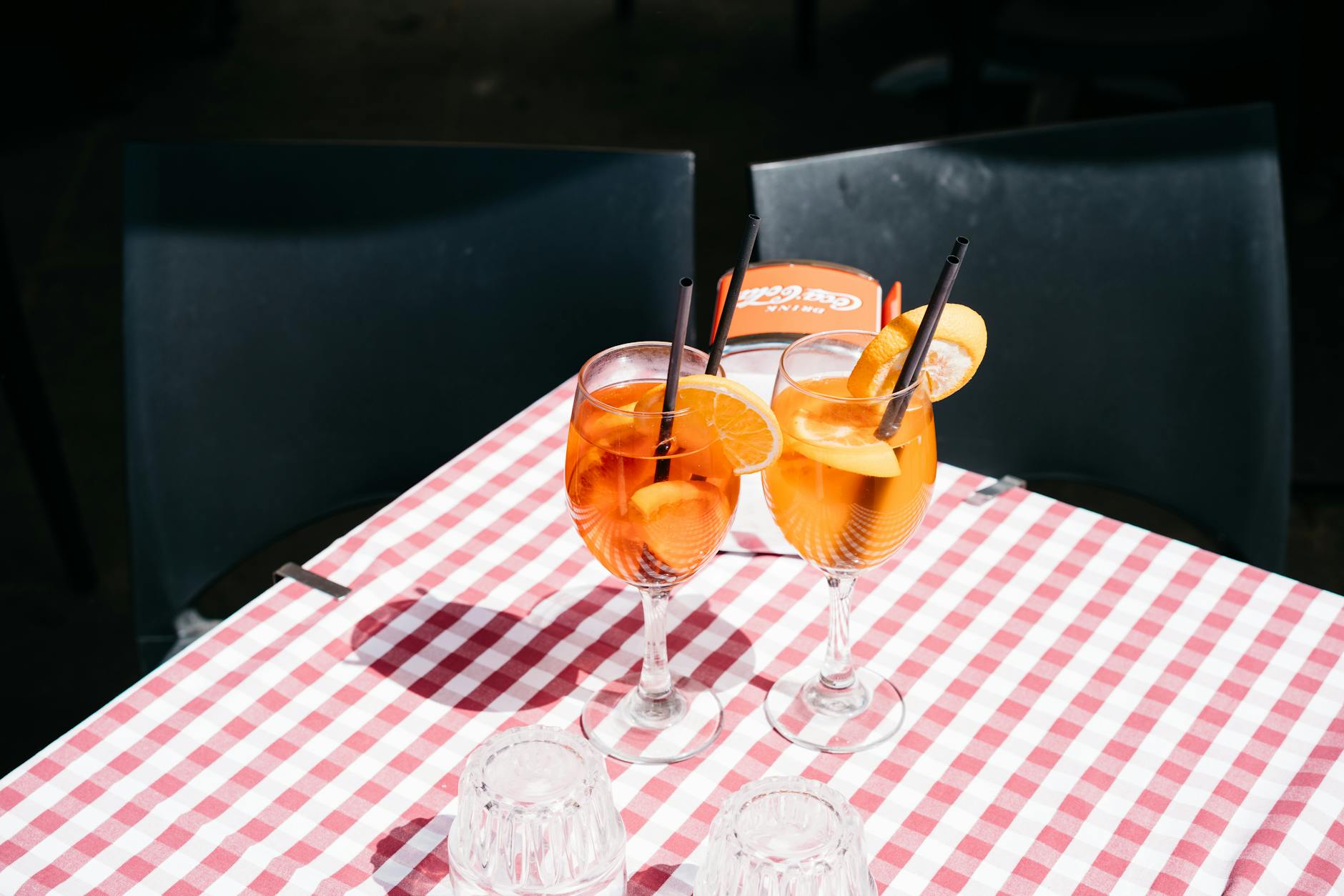
The other reason to go in the evening is that Navigli is functionally Milan’s outdoor living room. This is where the city does its aperitivo, which is the early-evening ritual of a drink (almost always a Campari spritz, an Aperol spritz, or a Negroni) served with snacks for somewhere between 8 and 14 euro. If you want to understand the aperitivo ritual properly, Navigli is the place to do it — not because it has the best aperitivo in the city (Brera and Porta Venezia both arguably do it better) but because the volume and the canal-side setting make the whole thing feel like a festival you wandered into.
Daytime, do Brera or the Duomo. Save Navigli for after 5:30pm.
Getting to Navigli: M2 Porta Genova, tram 2 and 14, walking from the Duomo
The Navigli district sits about 25 minutes south-west of the Duomo on foot, or six minutes on the metro. Three realistic ways in:
- Metro M2 (green line) to Porta Genova FS. This is the move 90% of the time. Come out of the station, cross the small piazza, walk under the iron pedestrian bridge, and you’re on the Naviglio Grande. From Duomo it’s two stops on the M1 to Cadorna, then two stops on the M2 — about 12 minutes total.
- Tram 2 or tram 9. Tram 9 is the orbital tram that hits both Porta Genova and the Darsena from places like Porta Venezia and Isola. Tram 2 connects from the Centrale area down through the canals. Slower than the metro but you see more of the city.
- Walking from the Duomo. About 25 minutes via Via Torino, Corso di Porta Ticinese, the Colonne di San Lorenzo, and Porta Ticinese. This is actually the route I recommend if it’s your first time — it pulls you through Ticinese, which is a great preview, and you arrive at the Darsena (the old harbor) instead of dumping you halfway up the Naviglio Grande.
Coming back late at night, the M2 runs until about 00:30 (1:30 on Saturdays). After that it’s the N15 night bus, a taxi (use FreeNow or itTaxi, around 12-15 euro to most central neighborhoods), or a 25-minute walk back to the center. Full breakdown of the system is in my Milan transport guide.
Naviglio Grande vs Naviglio Pavese: which canal is which
This trips up everyone, including me for the first three visits. The Navigli is plural — navigli means “navigable canals” — and the two that matter for visitors meet at a Y-shape at the Darsena, the old port at the south-west edge of the historic center.
Naviglio Grande runs west-south-west. It’s the older of the two (completed in the 12th century, used to haul the marble from Lake Maggiore that built the Duomo) and the busier. The first 1.5 kilometers from Porta Genova are the heart of the action — almost every bar and restaurant you’ve heard of is on this stretch, on either the Alzaia Naviglio Grande (north bank) or the Ripa di Porta Ticinese (south bank). This is where Vicolo dei Lavandai is, and where the antiques market sets up.
Naviglio Pavese runs straight south, toward Pavia. It was finished much later (1819, under Napoleon’s orders) and it’s quieter, narrower, and feels more residential. There are still good places along it — Mag Cafè is technically on Ripa di Porta Ticinese which is the Naviglio Grande, but if you walk south from the Darsena along the Pavese you find smaller bars, a few good trattorie, and almost no tour groups. If your idea of a good evening involves being able to hear the person next to you, the Pavese after the first 400 meters is the better bet.
Both meet at the Darsena, which got a full restoration for Expo 2015 and is now a real urban park around the water. It’s also where the weekly Saturday food market (Mercato della Darsena) sits along Viale D’Annunzio.
A perfect Navigli evening, hour by hour
This is the rough script I follow when friends visit. Adjust by an hour earlier in winter (when the bars empty out by 11pm) or later in July when nobody eats dinner before 9:30.
5:45pm — arrive at M2 Porta Genova. Cross under the pedestrian bridge and walk down the Alzaia Naviglio Grande (north bank). Don’t sit at the first three bars — they’re the ones with the laminated picture menus.
6:00pm — first aperitivo at Mag Cafè (Ripa di Porta Ticinese 43). Negroni is 9 euro, the cocktails are taken seriously, and the room has a worn-in 1920s feel that beats the imitation speakeasies further down. Grab a canal-side table if it’s not raining.
7:00pm — wander. Cross one of the small footbridges, walk past Vicolo dei Lavandai (slow down, it’s easy to miss), and head toward the Darsena. Watch the bats over the water at dusk in summer.
8:00pm — dinner. Book ahead. Trattoria La Madonnina (Via Gentilino 6, a five-minute walk inland from Porta Genova) does risotto alla milanese for about 13 euro and cotoletta for 22. It’s been there since 1885 and looks it, which is the point. Reservations are basically required Thursday through Saturday.
10:00pm — second drink. Either Rita & Cocktails on Via Angelo Fumagalli (a 90-second walk back from the canal) for serious cocktails around 11 euro, or Backdoor 43 (Ripa di Porta Ticinese 43, same address as Mag) — billed as the smallest bar in the world, you book a 90-minute slot through a hatch and squeeze in for one round. The novelty is fun once.
Midnight onward. If you still have legs, walk south down the Naviglio Pavese for the calmer late-night spots, or hop the M2 back. The crowds get rowdier (and pickpocket-friendlier) after midnight in summer on the Grande.
Things to do along the canals
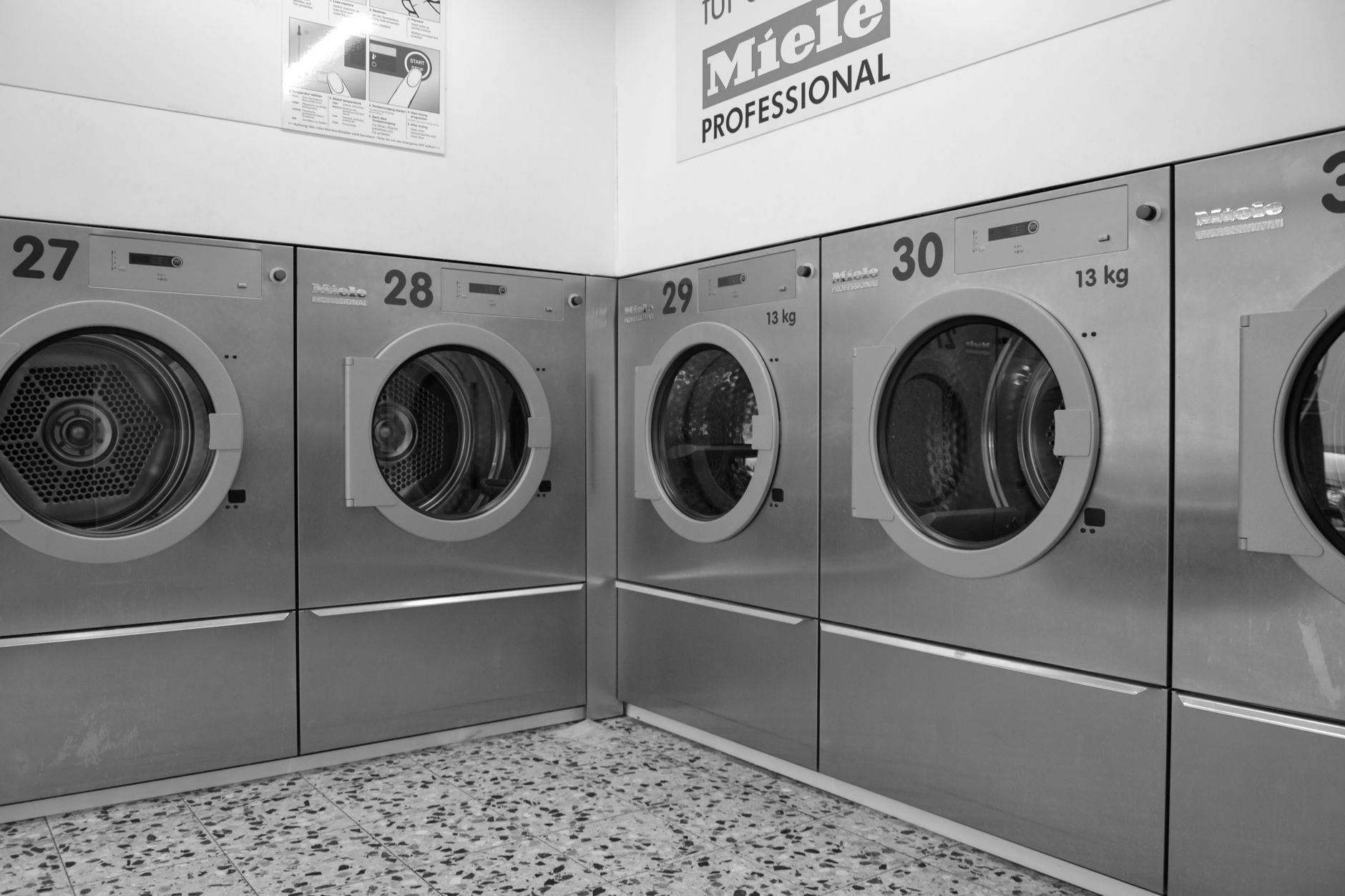
- Vicolo dei Lavandai. A 30-meter alley off the Alzaia Naviglio Grande, just past the Ristorante El Brellin. This was Milan’s open-air laundry from the 1700s until the 1950s, and the stone wash-benches and wooden roof are still there. The brotherhood that did the washing here was, oddly, all men — affiliated with a real guild dedicated to Saint Anthony of Padua. It takes three minutes to see and is the single most photographed corner of the Navigli district. Go in the late afternoon when the light hits the green-shuttered building.
- Chiesa di San Cristoforo sul Naviglio. A 20-minute walk south-west along the Naviglio Grande, this is a small twin-naved church from the 13th-14th century that almost nobody visits. It’s the patron saint of travelers — fittingly, since the canal used to carry pilgrims and traders west. Free, usually open mornings.
- The Darsena. The reclaimed harbor at the foot of Porta Ticinese. Walk a full lap (about 20 minutes) for the best view of how the two canals connect, especially at sunset.
- Mercatone dell’Antiquariato sui Navigli. The antiques and modernariato market that takes over the entire Alzaia Naviglio Grande from Viale Gorizia to the bridge at Via Valenza — about 400 stalls. It runs the last Sunday of every month, 8:30 to 18:30, free. 2026 dates I have confirmed: January 25, February 22, March 29, April 26, May 31, June 28, July 26, August 30, September 27, October 25, November 29, December 20. If you can plan your trip around one of these, do.
- Saturday Mercato della Darsena. Food market along Viale D’Annunzio every Saturday, roughly 8:30 to 14:00. Great for picking up focaccia, cheese, and seasonal fruit for a picnic.
- A canal boat ride. Navigli Lombardi runs small boats up the Naviglio Grande from spring through October. About 18 euro for 55 minutes. Pleasant but not essential — you see more on foot.
Where to eat and drink in Navigli
The honest truth about this stretch is that the canal-side tables charge a 20-30% premium for the view. If you’re on a budget, eat one block inland and drink on the canal. Here is what I actually go back to.
Mag Cafè (Ripa di Porta Ticinese 43). The cocktail bar I send everyone to first. Negroni 9 euro, Old Fashioned 11, small plates 6-9. The room is dim, vintage, slightly cluttered in a deliberate way. Cash is fine, cards accepted. No reservations — turn up early.
Rita & Cocktails (Via Angelo Fumagalli 1). Not on the canal — 90 seconds inland. Has been making serious gin and whisky cocktails since 2002, before half the canal-side bars existed. Cocktails around 10-12 euro. Quieter than the canal, better drinks.
Ugo Bar (Via Corsico 12). A speakeasy-ish room covered in faux taxidermy, oil paintings, and floral wallpaper. Cocktails 10-12 euro. Good for the second or third drink, not the first.
Trattoria La Madonnina (Via Gentilino 6). The old-Milan trattoria I always recommend for a proper sit-down meal. Risotto alla milanese 13 euro, ossobuco 22, cotoletta 22, house wine cheap. Reserve. Closed Sundays.
El Brellin (Vicolo dei Lavandai). Set in the old soap-and-bleach shop that served the laundresses. Touristy in feel but the setting is genuinely lovely and the food is solid. Mains 18-26 euro. Book a canal-view table.
Backdoor 43 (Ripa di Porta Ticinese 43). The “world’s smallest bar” — four people at a time, 90-minute slot, one drink each, around 25 euro per person all in. Worth doing once for the story.
If you want a wider read on the city’s bar scene, my Milan nightlife guide covers the late-night clubs and after-hours spots, and the Milan food guide goes into the regional dishes in more depth.
Practical tips: cash, crowds, safety, pickpockets
A handful of things I wish I’d known the first few visits:
- Cards work nearly everywhere in Navigli, but carry 30-40 euro in cash for the smaller trattorie and the antiques market. ATMs are clustered around Porta Genova station.
- The crowd peaks Friday and Saturday from 7pm to 1am. If you want to see the Navigli at full tilt, go then. If you want a table without queueing, go Tuesday or Wednesday at the same hour.
- Pickpockets work the bridges and the metro entrance, not the bars. The choke point at the top of the M2 Porta Genova escalator at 11pm is where I’ve seen lifts happen. Front pocket only, no phone on the bar table along the canal railing.
- “Aperitivo” with a buffet is dying out. The all-you-can-eat buffet model (pay 10 euro, eat dinner off the snack table) has largely been replaced by drink-plus-small-plate. Don’t expect the old 2010-era buffets — most are gone.
- Drink prices climb fast on Friday nights. A Spritz that’s 8 euro on a Tuesday can be 11 on a Saturday. Standing at the bar is usually 1-2 euro cheaper than sitting at a table.
- Don’t drive. The whole area is inside the Area B and Area C zones, parking is hostile, and the trams and metro run constantly.
- Bathrooms. Bar bathrooms in Navigli are notoriously small and queues build fast. Use the one at Porta Genova station or at a sit-down restaurant before the crowds peak.
Best time to visit Navigli
The Navigli is at its best from late April through early July, and again from mid-September through October. The weather lines up with the outdoor-table season, the canals are full of water (they get drained for cleaning, usually in late winter — check before you go), and the evenings are long enough to walk the full canal after dinner.
Avoid August. A huge percentage of the family-run restaurants and trattorie close for two to four weeks for ferie. La Madonnina shuts. Many of the better cocktail bars stay open but the crowd is almost entirely tourists, and the city feels half-empty in a sad way rather than a peaceful way.
Plan around the antiques market. The last Sunday of the month transforms the Naviglio Grande into a 400-stall open-air market from 8:30 to 18:30. If you’re in Milan that weekend, it’s the single best free thing you can do in the Navigli district. Best months for the market are April, May, September, and October — March can be cold, July-August hot.
Winter has its own charm. December through February, the canals are quieter, the bars warm and amber-lit, and the prices marginally lower. The Christmas-into-January period is genuinely lovely if you don’t mind a coat.
Where to stay near Navigli
Sleeping in Navigli proper is great for nightlife and terrible for sleep. The canal-side bars are loud until 2am on weekends, and the streets are loud until 3. If you want to be near the action without it being inside your hotel room, three options work:
- Porta Genova / Tortona. Just behind the Porta Genova station, this is the design-district side of the canals. Quieter than the canal itself, walkable to everything in 5-10 minutes. Several boutique hotels in renovated industrial buildings.
- Porta Ticinese / Colonne di San Lorenzo. 10 minutes’ walk north of the Darsena, lively but a little more grown-up. Closer to the Duomo if you’re splitting your time.
- Sant’Agostino. One M2 stop north of Porta Genova. Residential, quiet, well-priced, and you’re at the canals in 4 minutes. This is where I usually book friends in.
If you’re trying to weigh Navigli against the other neighborhoods, the Milan neighborhoods guide and where to stay in Milan go through the trade-offs in detail. For comparison, Porta Romana and Città Studi are quieter residential alternatives with easy tram links to the canals, and Porta Nuova and Chinatown are the modern, food-focused counterpoints to Navigli’s nightlife.

Navigli FAQ
Is Navigli safe at night?
Yes, with normal big-city caution. The area is well-lit and full of people until at least 1am on weekends. The risks are pickpockets (especially around M2 Porta Genova at peak hours) and minor scams, not violence. I’ve walked back from the canals at 2am dozens of times without issue.
How much should an aperitivo cost in Navigli?
A Spritz with a small plate of snacks should run 8-11 euro at a decent place, 12-14 at a canal-front table on a Friday. If someone is charging you 16 for a Spritz, you’ve sat down at a tourist trap — leave.
Is the Naviglio Grande or Naviglio Pavese better?
Grande for the famous stretch — bars, restaurants, the antiques market, Vicolo dei Lavandai. Pavese for a quieter walk and dinner where you can hear the conversation. Most first-timers should do Grande for aperitivo and Pavese for dinner.
How long do I need in Navigli?
One evening is enough to see it properly: aperitivo, dinner, a walk along both canals, one nightcap. Three to four hours minimum. If you hit the antiques market on a Sunday, give the day six hours and bring a tote bag.
Can I take a boat on the Navigli?
Yes — Navigli Lombardi runs hour-long trips up the Naviglio Grande from spring through October, around 18 euro. Pleasant but optional. The canals are narrow and the boats are small, so the view doesn’t change as dramatically as you’d hope.
When does the antiques market happen in 2026?
Last Sunday of each month, 8:30 to 18:30, free entry. 2026 dates: January 25, February 22, March 29, April 26, May 31, June 28, July 26, August 30, September 27, October 25, November 29, December 20. Held along the Alzaia Naviglio Grande from Viale Gorizia to the bridge at Via Valenza.
Is Navigli good for solo travelers?
Very. The bar-counter aperitivo culture is friendly to solo drinkers, Mag Cafè and Rita are both easy to walk into alone, and the canals are busy enough at night that you’re never really by yourself. See also my notes on things to do in Milan at night for more solo-friendly evening options.
Final thoughts
The Navigli is one of those neighborhoods where the experience scales almost perfectly with how much homework you’ve done. Show up cold at 8pm on a Saturday in August and you’ll have an average-to-bad time at a loud canal-front bar with a tired menu. Show up at 6pm on a Wednesday in late September with a Mag Cafè reservation and a plan to walk to La Madonnina afterward, and it’s one of the best evenings in Europe for the money. The canals were dug eight hundred years ago to move marble and rice. The fact that the city kept them, drained the rest, and turned the two survivors into its outdoor living room is the kind of decision Milan makes well. Go after dark, eat one block back from the water, and don’t pay 14 euro for a Spritz.
Related Milan guides
Keep planning with our other Milan neighborhoods guide resources: