Category: Shopping in Milan

  • Galleria Vittorio Emanuele II: Complete Visitor Guide (2026)

    Galleria Vittorio Emanuele II: Complete Visitor Guide (2026)

    The Galleria Vittorio Emanuele II is the world’s most beautiful shopping arcade — a 19th-century cathedral of glass and iron sheltering Italy’s oldest cafés and the original Prada boutique. Designed by Giuseppe Mengoni and opened in 1877, the Galleria is an architectural masterpiece every Milan visitor walks through. This guide covers the Galleria’s history, every important shop, the rooftop “Highline” tour, the best photo spots, and how to spend a perfect 2 hours inside.

    For broader planning, see our pillar things to do in Milan guide.

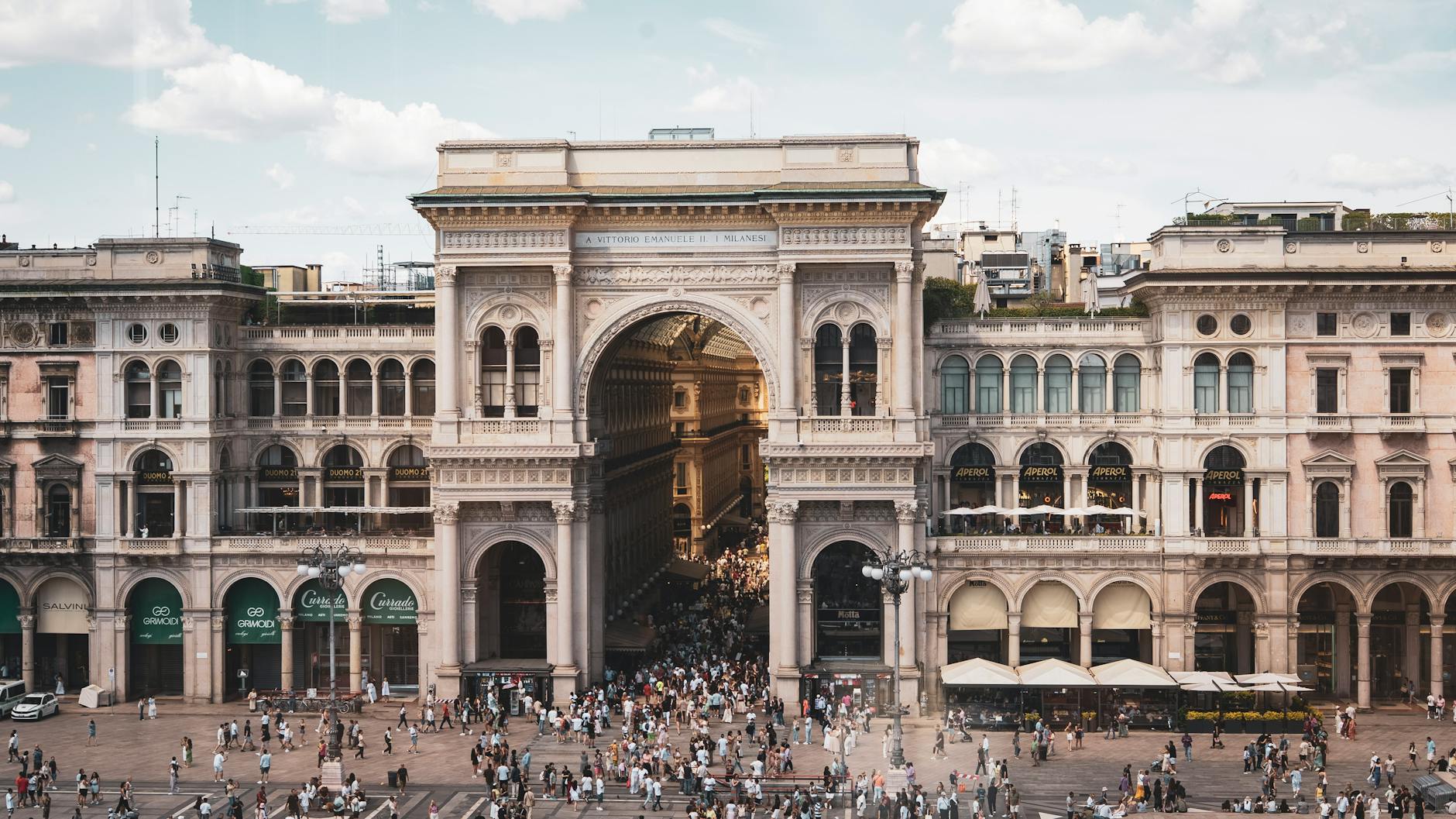
    Galleria Vittorio Emanuele II Milan iconic glass dome arcade

    What Is the Galleria Vittorio Emanuele II?

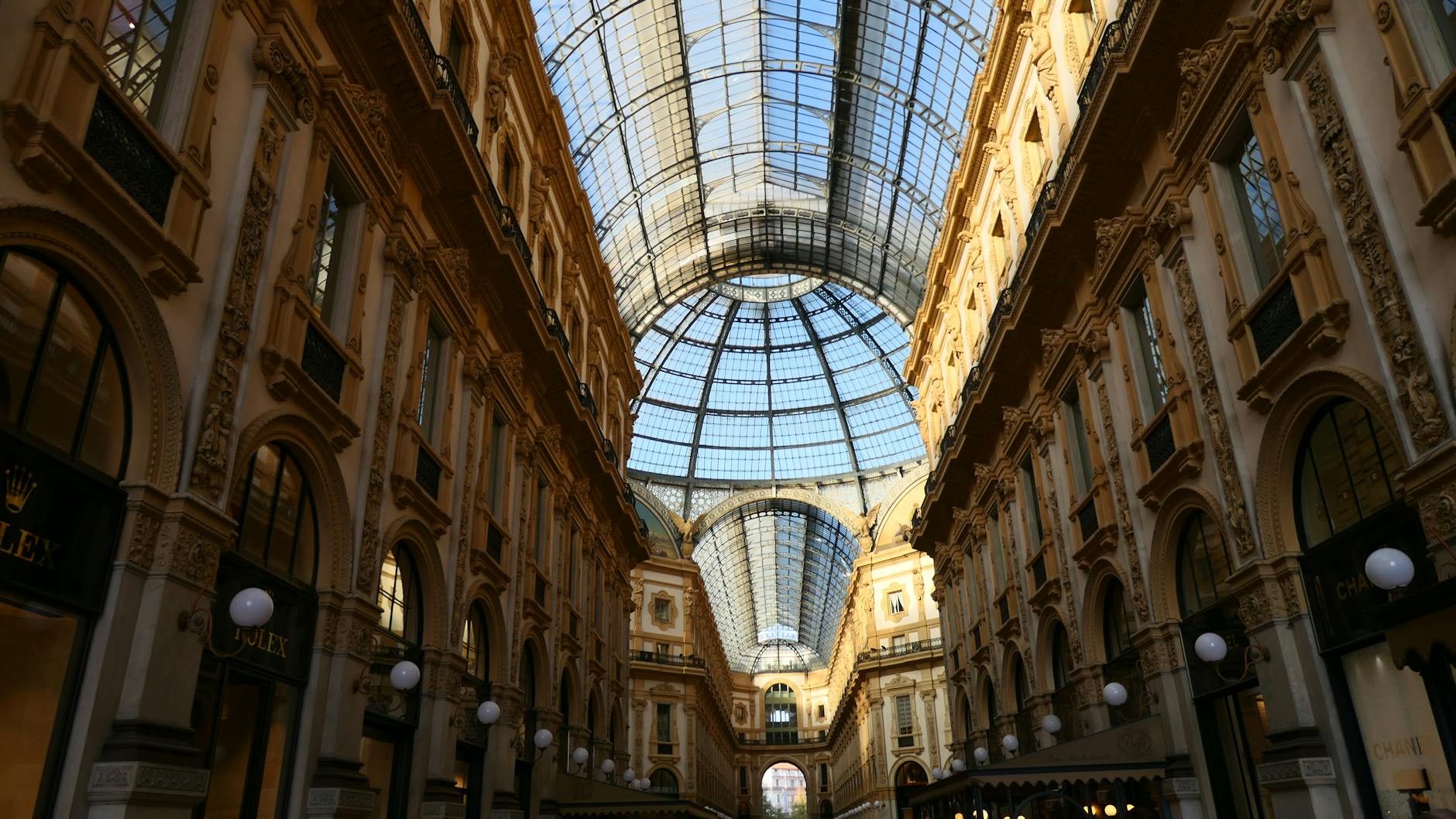
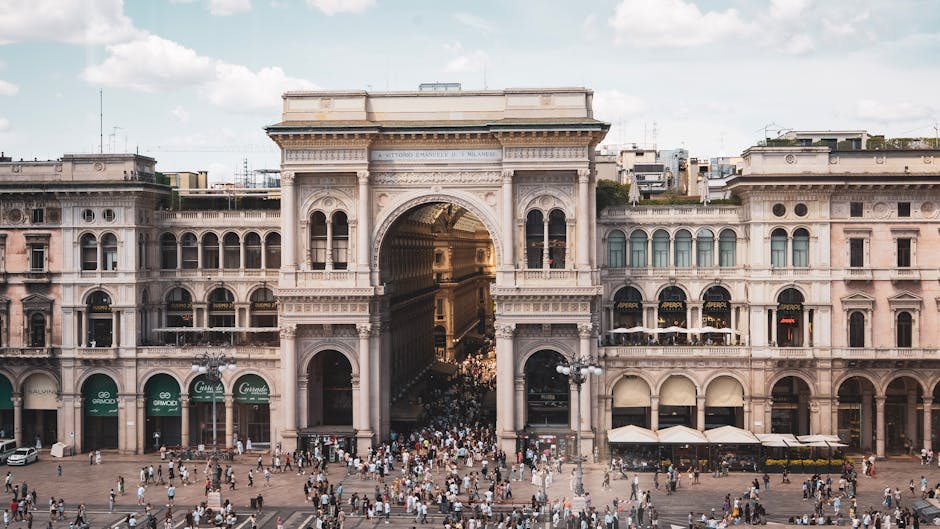
    The Galleria Vittorio Emanuele II is Italy’s oldest still-operating shopping arcade, named after the first king of unified Italy. It connects Piazza del Duomo to Piazza della Scala via a monumental cross-shaped corridor topped by a glass-and-iron dome 47 metres above the floor. Mosaics, painted ceilings, four-storey palazzo facades, and Italian neoclassical sculpture make it as much a landmark as the cathedral next door.

    The Galleria houses some of Italy’s oldest restaurants and cafés (some dating back to 1817), the original 1913 Prada boutique, and several of the world’s most photographed luxury shops.

    The Most Important Shops in Galleria Vittorio Emanuele II

    1. Prada (Original Flagship)

    The 1913 leather-goods boutique that started the Prada empire — still operating in the same Galleria location. The men’s leather store is on the Piazza Duomo side; the women’s flagship is in the central octagon. Visiting feels like time-travel into early-20th-century Italian luxury.

    2. Pasticceria Marchesi 1824

    The hot-pink Prada-owned pasticceria inside the Galleria. Coffee, panettone, and one of the most photographed cake displays in Milan. €1.50 espresso standing, €5 seated.

    3. Camparino in Galleria

    The original 1915 Campari bar with Belle Époque mosaics, white-jacketed bartenders, and arguably Milan’s best Negroni. €15–22 cocktails.

    4. Caffè Biffi

    Historic 19th-century café with classic Italian breakfast offerings.

    5. Versace

    The Galleria flagship — one of the brand’s most beautiful international locations.

    6. Louis Vuitton

    One of Italy’s largest LV stores, on the Piazza Scala side.

    7. Gucci

    Smaller but iconic Gucci location facing the central octagon.

    8. Borsalino

    The Italian hat-maker’s Galleria flagship since 1857. The hats are works of art (€200–800).

    9. Libreria Bocca

    The world’s oldest art bookshop, opened in 1775. Italian and international art books, plus Milan-themed editions.

    Galleria Vittorio Emanuele II glass dome architecture Milan

    The Iconic Bull Mosaic in Galleria Vittorio Emanuele II

    In the Galleria’s central octagonal floor, the city’s coat of arms includes a bull (the symbol of Turin). Tradition holds that spinning your right heel three times on the bull’s testicles brings good luck — locals do it on New Year’s Eve, tourists do it any time. The marble has worn down to a noticeable depression where millions of feet have spun. A free, quirky must-do.

    The Highline Galleria Tour (Rooftop Walk)

    One of the Galleria’s best-kept secrets: a rooftop walkway tour that takes 12–20 visitors per hour above the iconic glass dome for a unique perspective on the cathedral and central Milan. The Highline tour:

    Lasts about 1 hour. Costs €15–22 per person depending on time. Books in advance via the official site (sells out 2–3 days ahead). Includes a guided walk across the rooftop walkway, panoramic photos, and access to the iron-dome inner structure. One of the most distinctive things to do in Milan, especially for photography enthusiasts. For more, see our Milan photography spots guide.

    The Best Photography Spots in Galleria Vittorio Emanuele II

    Galleria Vittorio Emanuele II Milan mosaic floor pattern

    The Galleria is one of Milan’s best photography subjects:

    Central octagon, looking up — the iconic glass-and-iron dome shot. Best at midday for clean light. Bull mosaic — for the cultural-quirk shot. From La Rinascente terrace (5 minutes outside) — looking down on the dome. Pasticceria Marchesi window — the hot-pink interior is a Milan icon. Underneath the Galleria’s roof at sunset — golden light through the glass.

    How to Visit the Galleria Vittorio Emanuele II

    Times to Go

    The Galleria is open 24/7 (you can walk through at any time). Best visiting times: Early morning (8 a.m.) for empty floors and best light. After dark for the warm interior glow. Avoid peak shopping hours (4–7 p.m.) on Saturdays — feels like Times Square at its busiest.

    How to Get There

    The Galleria sits on the north side of Piazza del Duomo. By metro: M1 (Red) or M3 (Yellow) to Duomo station; the Galleria entrance is 30 seconds away. From Brera, walk south 5 minutes. From Sforza Castle, walk east 8 minutes. For full transport details, see our Milan transport guide.

    Where to Eat and Drink in Galleria Vittorio Emanuele II

    The Galleria has some of central Milan’s most famous (and most expensive) eating options:

    Camparino — Negroni and Campari classics. Pasticceria Marchesi — coffee, pastries, panettone. Caffè Biffi — historic 19th-century atmosphere. Galeria del Buongusto — gourmet shop with takeaway. For a deeper food primer, see our pillar Milan food guide.

    Galleria Vittorio Emanuele II vs Other Milan Landmarks

    How the Galleria compares: vs. Duomo: Smaller in scale but easier to enjoy quickly; complementary visit. vs. Brera: More polished, more luxurious; less atmospheric. vs. Quadrilatero della Moda: Smaller selection, but more architectural drama; the two together cover central Milan shopping completely.

    For more, see our Milan fashion district guide.

    History of the Galleria Vittorio Emanuele II

    Designed by Giuseppe Mengoni in 1865, the Galleria was the first major Italian “covered shopping street”. Construction took 12 years; Mengoni famously fell to his death from the rooftop just before its opening in 1877. Despite the tragedy, the building immediately became the social heart of Milan’s elite. King Vittorio Emanuele II (the namesake) opened it personally. Today, the Galleria is protected as a UNESCO heritage site.

    Practical Tips for the Galleria Vittorio Emanuele II

    A few practical notes:

    The Galleria is a public street, not a private shopping mall — you can walk through at any hour. Most shops close on Sundays; the Galleria itself stays open for walking. Watch for cyclists and trams on the Via Mengoni and Piazza Scala sides. The bull mosaic is at the central octagon; locate it via the Italian flag mosaic right next to it. Photos are welcome everywhere except inside the most luxurious flagships — ask the manager if unsure. The Highline tour requires advance booking via the official site; doesn’t run on Sundays.

    The official Galleria del Duomo association site has shop directories and current events.

    The Final Word on Galleria Vittorio Emanuele II

    The Galleria Vittorio Emanuele II is essential to any Milan trip. Whether you’re shopping at Prada, sipping a Negroni at Camparino, spinning on the bull mosaic, or just photographing the glass dome at sunset, this is one of Europe’s great architectural and shopping experiences. Pair with the Duomo next door (also see our things to do in Milan pillar) and you’ve covered the most photographed acres of central Milan in two hours.

    For full planning, browse our pillar Milan shopping guide and Milan attractions roundup.

  • Milan Tax-Free Shopping Guide: How to Save 13-14% in 2026

    Milan Tax-Free Shopping Guide: How to Save 13-14% in 2026

    For non-EU travellers, Italy’s VAT refund system can save you 11–14% on every meaningful purchase made during your trip — a significant discount that often pays for the airfare on a serious shopping trip. The best Milan tax-free shopping strategy combines knowing which stores participate, understanding how to fill out the forms correctly, and budgeting time at the airport for the customs stamp. Done right, you can claim refunds on everything from a Prada handbag to a panettone.

    This guide covers exactly how Italian VAT refunds work, which Milan stores participate, the minimum purchase amount, how to claim at the airport, and common mistakes that void the refund. For broader shopping context, see our pillar Milan shopping guide.

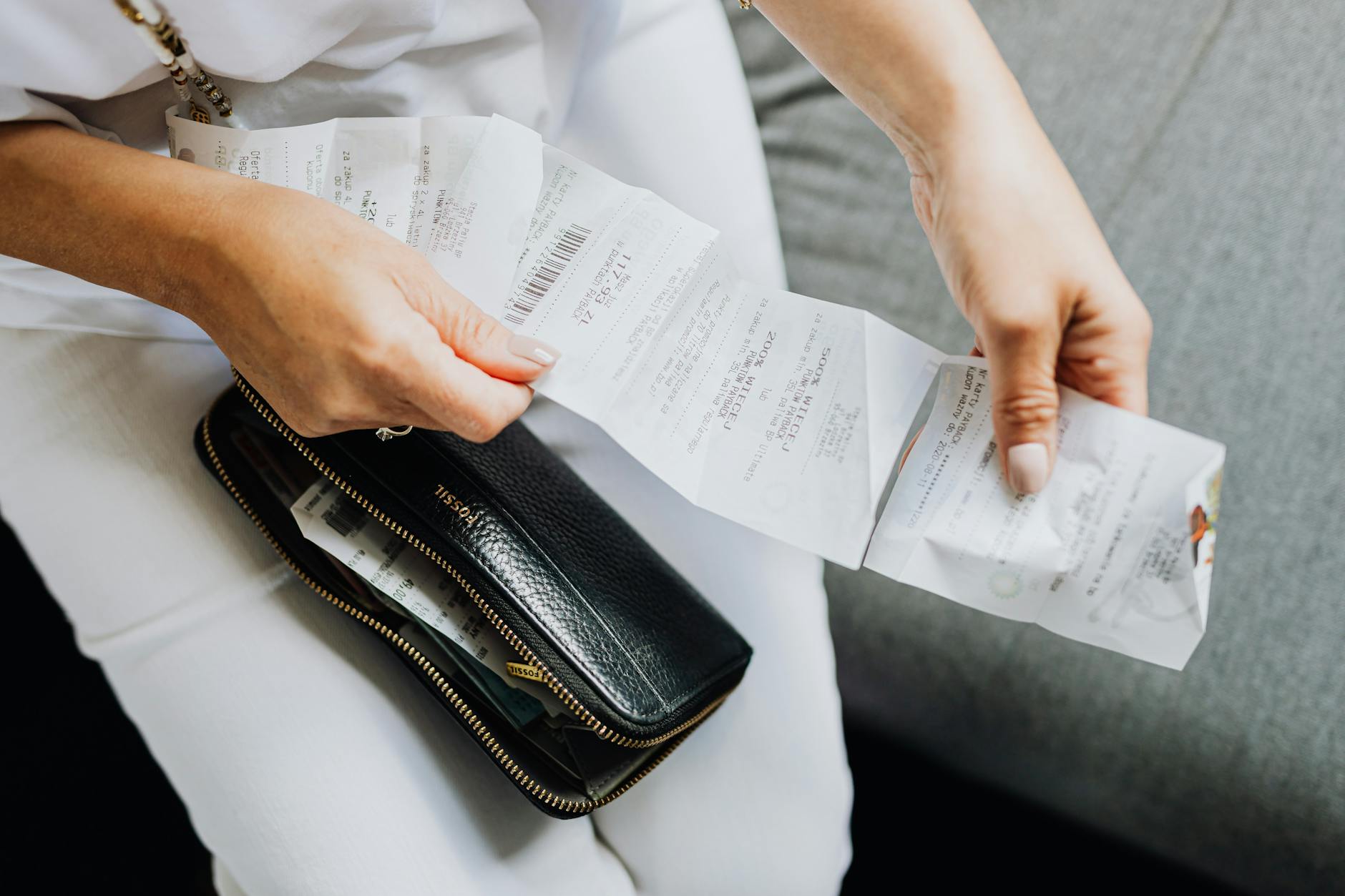
    Tax free shopping Milan VAT refund receipt euros

    Who Qualifies for Milan Tax-Free Shopping?

    Italy’s VAT refund (called “Tax Free for Tourists”) is available to non-EU residents only. To qualify, you must:

    Be a permanent resident of a non-EU country (US, UK, Australia, Japan, China, etc.). Show passport as proof of residence. Make a single purchase of €70 or more in one shop on the same day. Export the goods unused within 90 days of purchase. Get the customs stamp at your departure point from the EU (typically Malpensa, Linate, or another EU airport).

    EU residents and EU permanent residents (regardless of nationality) cannot claim VAT refunds. Italian customs are strict about this.

    How Much Can You Save with Milan Tax-Free Shopping?

    Italy’s standard VAT rate is 22%. After processing fees from the refund operators (Global Blue, Premier Tax Free, Tax Free Worldwide), the actual refund is typically 11–14% of the gross purchase price.

    Realistic savings examples:

    €500 leather handbag: Refund €60–70. €1,500 designer coat: Refund €180–210. €3,500 Italian shoes: Refund €420–490. €8,000 cashmere wardrobe: Refund €960–1,120. €20,000 archive vintage purchase: Refund €2,400–2,800.

    For purchases at the upper end, the saving easily covers a return Milan flight.

    Which Stores Offer Milan Tax-Free Shopping?

    Tax free shopping Milan passport airport documentation

    Almost every major luxury store and many mid-range shops participate. The most common refund operators in Milan are:

    Global Blue — most common; almost every Quadrilatero store. Premier Tax Free — second most common, including department stores. Tax Free Worldwide — accepts at outlets and some department stores. Innova Tax Free — used by smaller boutiques.

    Look for the “Tax Free” sticker in shop windows. Almost all Quadrilatero della Moda flagships participate, including Prada, Gucci, Bottega Veneta, Versace, Dolce & Gabbana, Salvatore Ferragamo, and Loro Piana. Outlet malls (Serravalle, FoxTown, Vicolungo) all participate. Eataly and Peck offer tax-free for purchases over €70. La Rinascente has a dedicated Tax Free Office on the ground floor.

    How to Claim Milan Tax-Free Shopping

    Step 1: At the Shop

    When making a qualifying purchase (€70+ at one store on the same day), tell the cashier you’re a non-EU resident and want a tax refund. Show your passport. The cashier completes a Tax Free form with:

    Your name and passport number. Your home address. Receipt details. Refund operator information (Global Blue, etc.).

    The shop gives you the original receipt + the Tax Free form, usually stapled together. Keep them together until you reach the airport.

    Step 2: At the Airport

    At Malpensa or Linate, before checking your bag:

    Step 2a: Find the customs office (Dogana). At Malpensa Terminal 1, it’s near the Departures level (signposted “Tax Refund / Customs”). At Linate, it’s near the international gates.

    Step 2b: Show the customs officer the Tax Free form, your passport, and the unused goods (in your hand luggage). The officer stamps the form to confirm export.

    Step 2c: Take the stamped form to the relevant refund counter (Global Blue, Premier Tax Free) at the airport. They process the refund — typically credited to your card within 5–10 days, or paid in cash on the spot.

    Step 3: If You Run Out of Time

    If your flight is leaving and you don’t have time to claim at the airport, mail the stamped Tax Free forms in the special envelope provided by the shop. Refunds typically take 4–8 weeks for mail claims.

    Where Milan Tax-Free Shopping Saves the Most

    The biggest tax-free benefits are at:

    Quadrilatero della Moda flagships — Prada, Gucci, Bottega Veneta, Salvatore Ferragamo, Versace, Dolce & Gabbana. Single high-value purchases yield meaningful refunds. See our Milan fashion district guide.

    Outlet malls — Serravalle, FoxTown, Vicolungo. The combination of outlet discount + tax-free refund stacks for 50–80% total savings versus retail. See our outlet malls near Milan guide.

    La Rinascente — for buyers picking up multiple items at once. Their dedicated tax-free office processes paperwork efficiently.

    Peck and Eataly — for high-end food gifts above €70. Often overlooked, but the refund applies to gourmet purchases too.

    Common Milan Tax-Free Shopping Mistakes

    A few mistakes that void the VAT refund:

    Forgetting the customs stamp. Without the stamp at your EU departure airport, the refund is invalid. Missing the €70 minimum at one store. Multiple smaller purchases at different stores cannot be combined. Wearing the goods before you leave. The “unused” rule applies — keep new clothing tagged, with original packaging. Departing within Italy via train rather than from an airport. The customs stamp must be obtained at your final EU exit point. Missing the 90-day deadline. The export must happen within 3 months of purchase. Choosing the cash refund at the airport when card refund is offered — cash refunds typically incur a 5–10% additional handling fee.

    Milan Tax-Free Shopping at the Airports

    The customs and refund processes are most efficient at:

    Malpensa Terminal 1 (Schengen and non-Schengen): Customs office on the Departures level, refund counters at multiple gates. Allow 30–45 minutes during peak hours.

    Linate (mostly European departures): Smaller setup; allow 30 minutes. The new M4 metro line connects Linate to central Milan in 12 minutes — useful for last-minute outlet shopping returns.

    For full transport details, see our Milan transport guide.

    Practical Tips for Milan Tax-Free Shopping

    A few practical notes:

    Always carry your passport when shopping — even unplanned purchases can qualify. Group purchases at one store on the same day to hit the €70 threshold. Use the same refund operator when possible (e.g., Global Blue) — easier paperwork at the airport. Allow 60–90 minutes at the airport for customs + refund counter on busy days. Keep all goods in hand luggage until you’ve cleared customs — checked baggage cannot be inspected. Store the original receipts with the Tax Free forms; airport customs may ask to see both.

    The official Global Blue Italy site has the most comprehensive guide to refund procedures, and Italy’s customs agency (ADM) publishes the official rules.

    The Final Word on Milan Tax-Free Shopping

    The best Milan tax-free shopping strategy is simple: shop with intent, get the form at every purchase over €70, organise your receipts in one folder, and budget extra time at Malpensa or Linate to get the customs stamp before your flight. For non-EU travellers, the 11–14% refund can transform an already excellent Milan shopping trip into a legitimately discounted one — without the trade-offs of outlet visits.

    For full shopping planning, browse our pillar Milan shopping guide, our Milan fashion district guide, and our outlet malls near Milan roundup.

  • What to Buy in Milan: 19 Best Souvenirs & Gifts (2026)

    What to Buy in Milan: 19 Best Souvenirs & Gifts (2026)

    Milan rewards travellers who think beyond the snow-globe-and-magnet souvenir trap. From €5 panettone wrapped in artisanal paper to €4,000 archive Versace dresses, the best what to buy in Milan picks are things you can’t easily get at home — and that genuinely capture what makes the city special. This guide covers Milan’s most distinctive purchases across every budget, with shop recommendations for each.

    For broader shopping planning, see our pillar Milan shopping guide.

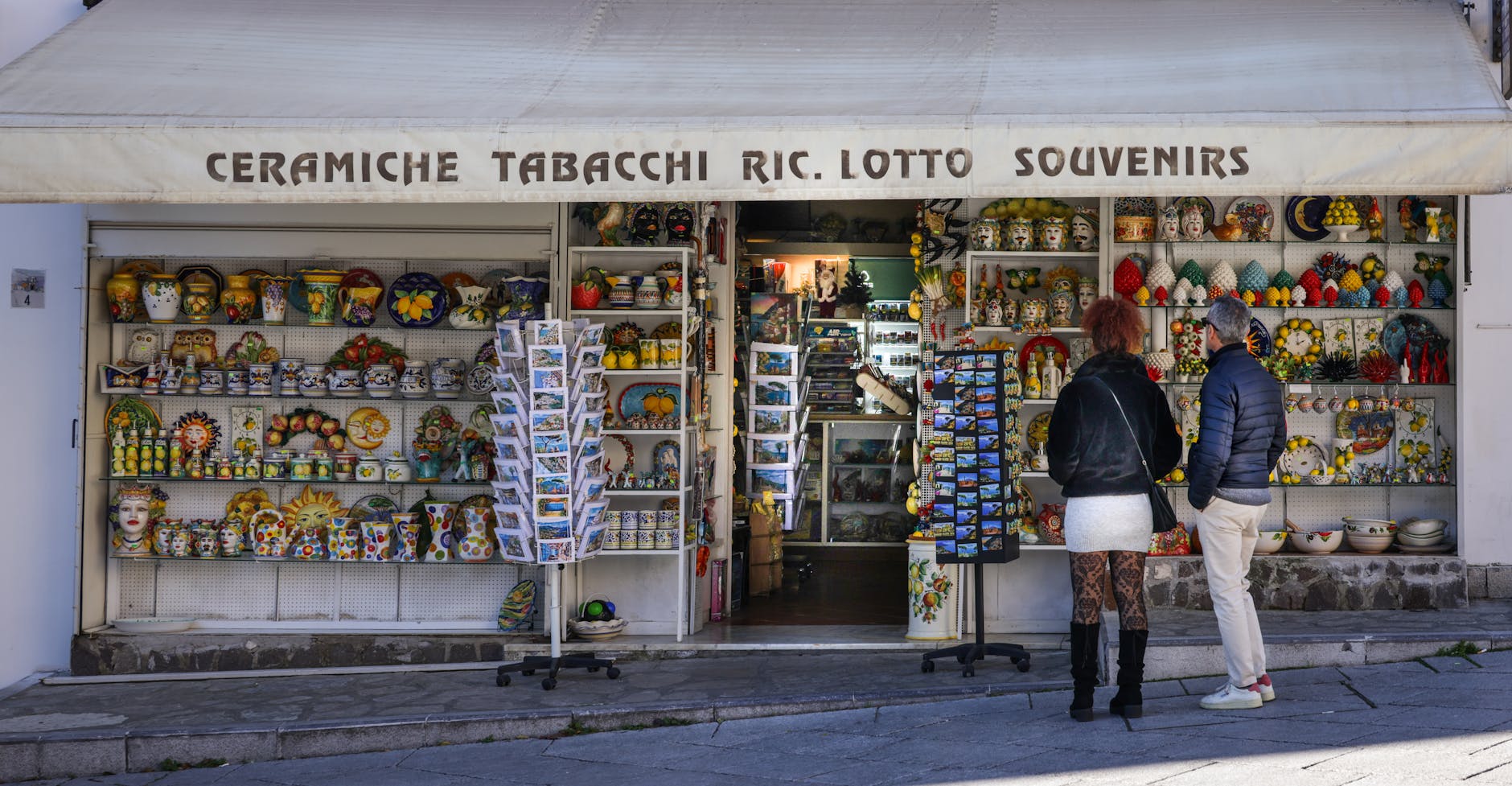
    What to buy in Milan Italian souvenirs gifts shop

    The Best Things to Buy in Milan

    1. Panettone

    Milan’s most famous food export. The classic Italian Christmas bread is made year-round at high-end pasticcerie, with December and January as peak season. The best brands are sold in elegant boxes that travel well: Giovanni Galli, Pasticceria Marchesi 1824, Cova, Princi, and Sant Ambroeus. €25–60 for a 1 kg box. Vacuum packed for international travel.

    2. Italian Leather Goods

    Italian leather is one of the city’s most useful purchases. Bottega Veneta, Tod’s, Furla, and Coccinelle all have flagship boutiques in Milan. For more affordable artisan leather, look at the Mazzini Pelletteria family-run leatherworkers near Brera. Wallets €80–250, handbags €200–3,500.

    3. Saffron from Mantova

    The genuine Italian saffron from Mantova is what proper risotto alla Milanese is made with. €15–35 for a small jar. Bought at Peck, Eataly, or specialty saffron shops.

    4. Carnaroli or Vialone Nano Rice

    For risotto-making at home: a 500g bag of high-quality Lombard rice from Riseria Riccobono or Acquerello. €8–15. Available at Peck, Eataly, and most food markets. For more, see our traditional Milanese food guide.

    5. Italian Wine

    Lombardy and the surrounding regions produce excellent wines often unavailable abroad. Sforzato della Valtellina, Franciacorta sparkling, Lugana whites, and Nebbiolo from Valtellina are all worth bringing home. €20–80 per bottle from a serious enoteca like N’Ombra de Vin in Brera.

    What to buy in Milan Italian gourmet food gifts

    6. Designer Eyewear

    Italian designers including Persol, Salvatore Ferragamo, and Prada offer eyewear at significant savings versus international prices. Original Persol PO0649 sunglasses €260 in Milan vs. €350+ in the US. Foto Veneta has the city’s best vintage eyewear collection.

    7. Italian Fashion Pieces

    If a Milan trip includes shopping, the best buys are: silk Italian scarves from Pucci or Marinella (€80–250), Italian shoes from Tod’s or Salvatore Ferragamo (€350–1,200), cashmere sweaters from Loro Piana or Brunello Cucinelli (€600–2,500), and archive vintage from Cavalli e Nastri (€300–4,000). For more, see our vintage shopping Milan guide.

    8. Italian Coffee

    Milan-roasted coffee from Lavazza, Illy, Caffè Cova, or specialty roaster Cafezal. €15–35 per kg. Vacuum-sealed bags travel well. Don’t buy at the airport; the central Milan shops have better selection.

    9. Cookware: Espresso Maker

    An Italian moka pot — the iconic stovetop espresso maker — is the most useful Milan souvenir. The classic Bialetti Moka Express (the original 1933 design) costs €25 for a 3-cup model in any housewares shop. La Rinascente has the widest selection.

    10. Italian Ceramics

    Hand-painted ceramics from Ginori 1735 (luxury), Eataly’s housewares section (mid-range), or any market antiques stall (vintage). Plates €25–250.

    11. Italian Cheese

    Vacuum-packed for travel: Parmigiano-Reggiano (24-month or 36-month aged), Gorgonzola (dolce or piccante), Taleggio, Bresaola della Valtellina. €30–80 for a complete cheese platter at Peck.

    12. Notebooks and Paper Goods

    The Italian stationery tradition is strong. Moleskine (originally Italian, now international) is sold at every bookshop; Pineider on Via Manzoni makes some of the world’s most beautiful leather notebooks (€60–400). Galleria Vittorio Emanuele’s bookshop, Libreria Bocca, has Milan-themed editions.

    13. Italian Olive Oil

    Single-estate Italian olive oils from Tuscany and Liguria are easier to find in Milan than abroad. Olio Roi, Frantoio Sant’Agata, Capezzana. €20–50 per 500ml bottle from Eataly or Peck.

    14. Music: Vinyl Records

    Milan has several specialty vinyl shops, particularly in Lambrate and Isola. Disco on Via Ascanio Sforza has Italian-only LPs from the 1960s–’80s. Mariposa Records in Isola does international rock and electronic.

    Best Shops for Souvenir Shopping in Milan

    What to buy in Milan Italian leather goods bags

    15. Peck (Via Spadari)

    The legendary 1883 gourmet emporium. Three floors of cured meats, cheese, oil, wine, and panettone. The best one-stop souvenir shop for serious foodies. €5–500 spending range.

    16. Eataly Milano Smeraldo

    The Italian food temple in a converted theatre. Wider selection than Peck and slightly less expensive. Pasta, oils, wine, books, fresh ingredients. €5–200 typical purchases.

    17. La Rinascente (Piazza Duomo)

    The grand Italian department store next to the Duomo. Floor 7 is the design and home goods section — Bialetti, Alessi, Italian ceramics. Floor 8 is food and rooftop dining.

    18. Mercato Centrale Milano (Centrale Station)

    Last-minute travel-friendly food and gift shopping inside Milano Centrale Station.

    19. 10 Corso Como

    The legendary concept store with curated fashion, books, art, and gift items. Excellent for finding something distinctive and Milanese.

    How Much to Spend on Souvenirs in Milan

    Realistic 2026 prices for what to buy in Milan:

    Small souvenir gift (panettone, saffron, espresso pot): €15–35. Mid-range gift (designer scarf, leather wallet, ceramic plate): €60–250. Special-occasion gift (Italian shoes, designer eyewear, cashmere sweater): €250–1,200. Major purchase (handbag, archive vintage, custom suit): €1,000–10,000+.

    For travellers from non-EU countries, claim a 13–14% VAT refund on purchases over €70. See our Milan tax-free shopping guide.

    What to Skip When Choosing What to Buy in Milan

    A few low-value souvenirs to avoid: Plastic Pinocchio dolls at central tourist stalls. Generic “Italy” T-shirts and magnets sold near the Duomo for inflated prices. Cheap counterfeit designer bags at the Sinigaglia or Papiniano markets — sometimes confiscated by Italian customs at departure. Bottled water with “Milan” labels — meaningless. Imported (non-Italian) souvenirs at the airport — overpriced and not authentic.

    Practical Tips for Souvenir Shopping in Milan

    A few practical notes:

    Vacuum-pack any cheese, salumi, or panettone; most gourmet shops offer this for free or €1–2. Bring an empty foldable duffel for purchases on the way home. Carry your passport for tax-free shopping. Pay by card for purchases over €100 — easier for exchange rates and tax-free claims. Don’t bring back fresh meat from non-EU travel — restricted in many destination countries. Olive oil, wine, and vinegar usually need to go in checked luggage if over 100 ml.

    The official Italia.it Milan portal and Eataly Milan are useful for current product availability.

    The Final Word on What to Buy in Milan

    The best what to buy in Milan picks are things that travel well, capture Milanese character, and aren’t easily found at home. Pair a panettone for friends with a cashmere scarf for yourself, add a Bialetti for the kitchen and a vintage leather bag from Brera, and you’ll have shopped like a Milanese rather than a tourist — at every budget. Pair with our Milan shopping guide for the full retail picture.

    For full trip planning, browse our pillar things to do in Milan guide.

  • Best Markets in Milan: 12 Top Antique, Food & Vintage Markets (2026)

    Best Markets in Milan: 12 Top Antique, Food & Vintage Markets (2026)

    Beyond the Quadrilatero della Moda’s flagship boutiques, Milan has a deep network of markets — antiques, food, vintage clothing, weekend bric-à-brac — that show how the city’s everyday shopping culture actually works. The best markets in Milan are where locals buy fresh produce, hunt for vintage Versace jackets, and find genuinely unique souvenirs that cost a fraction of what the centre’s tourist shops charge. This guide covers the 12 most important markets in the city.

    For broader shopping context, see our pillar Milan shopping guide.

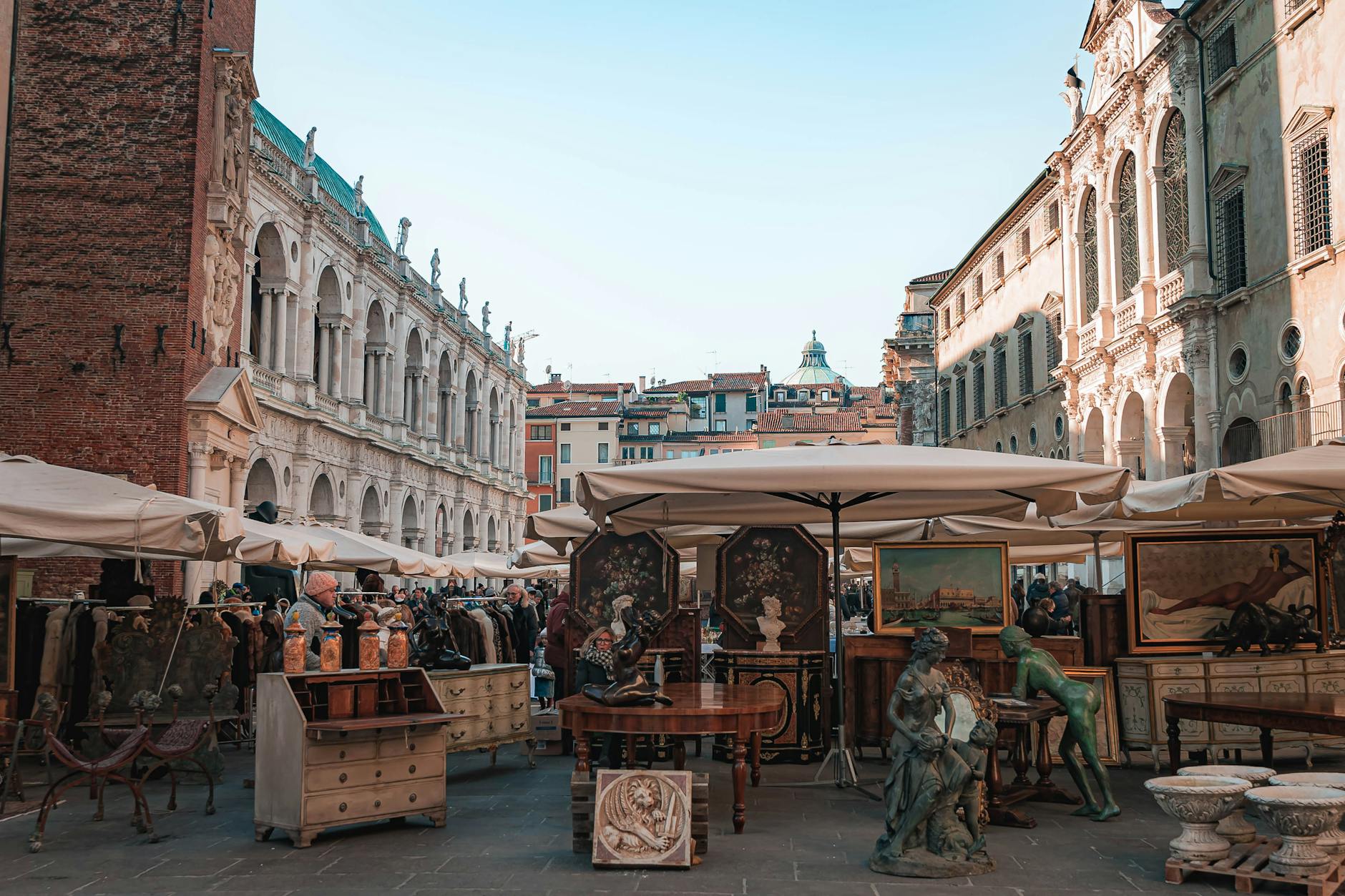
    Markets in Milan outdoor flea market traditional vendors

    The Best Antique and Flea Markets in Milan

    1. Mercatone dell’Antiquariato sul Naviglio Grande

    The most famous antiques market in northern Italy. Last Sunday of every month (except July). Over 380 stalls along the Naviglio Grande canal — vintage prints, jewellery, furniture, fashion, books, watches. Arrive at 9 a.m. for the best selection; gone by mid-afternoon.

    2. Mercato di Sinigaglia (Saturday Flea Market)

    Operating since the 1800s along the Darsena dock. Saturday only. Vintage clothes, vinyl records, motorcycle parts, art, African textiles. Less polished but more authentic than the monthly Naviglio version.

    3. Antiques and Collectibles Market in Via Fiori Chiari (Brera)

    A small antiques fair held in Brera’s pedestrianised heart on the third Saturday and Sunday of each month. Smaller scale, but better-curated than the Naviglio.

    4. Bric-à-Brac Mercatino al Castello

    An occasional bric-à-brac market in the courtyards of Sforza Castle. Dates announced via the Milan tourism site.

    The Best Food Markets in Milan

    5. Mercato di Wagner

    An indoor market 5 minutes from the Wagner metro stop on M1. Milan’s most beloved daily food market — cheese, salumi, fish, fruit, vegetables. Tuesday–Sunday, 7 a.m.–7:30 p.m.

    6. Mercato di Papiniano

    The biggest open-air market in central Milan. Every Tuesday and Saturday on Viale Papiniano. Food, clothes, household items.

    7. Mercato di Lambrate (Saturday)

    The Lambrate district’s farmers and producer market. Wednesday and Saturday. Closer to a Italian “country market” than a city food hall.

    Markets in Milan antiques and vintage market display

    8. Mercato Comunale di Piazzale Lagosta

    Isola district’s daily covered market. Younger, design-conscious version of the traditional Milanese market scene.

    9. Mercato Coperto del Suffragio (Porta Romana)

    A renovated 1930s indoor food hall with around 30 vendors. Tuesday–Saturday, 7 a.m.–8 p.m. For more detail, see our Milan food markets guide.

    The Best Vintage and Clothing Markets in Milan

    10. Mercato di Via Fauché

    Open Tuesday and Saturday in the Sempione area. Mix of food and casual clothing — including occasional vintage finds. Locals do their week’s shopping here.

    11. Brera Vintage Sundays

    Pop-up vintage and craft markets on the cobbled streets of Brera, typically the second and fourth Sundays of the month.

    12. Mercato del Suffragio Vintage Section

    The renovated Suffragio market has a small vintage and flea section on weekends.

    What to Buy at Milan Markets

    Markets in Milan vintage clothing and fashion stalls

    The best buys at Milan markets:

    Vintage clothing — original 1970s–’90s Italian designer pieces from €30 (casual) to €500+ (designer). Antique jewellery — Italian silver, vintage cameos, art-deco pieces from €50–800. Old maps and prints — engraved Lombardy maps from the 1700s–1800s, beautifully framed. Italian leather goods — vintage leather bags and small accessories. Italian ceramics — hand-painted plates, pitchers from €20–200. Cured meats and cheese — vacuum-packed for travel, €20–60 per item. Fresh produce for a Milanese picnic — €15–25 for two.

    How Much Do Things Cost at Milan Markets?

    Realistic 2026 prices: Vintage casual clothing: €15–80 per item. Mid-tier vintage designer: €100–400. Antique jewellery: €60–800. Italian ceramics: €20–250. Vintage furniture: €100–2,500. Antique books and maps: €15–500. Food market items: bread €2.50–4, cheese €7–12 per 200g, olives €3–5 per 200g.

    Practical Tips for Markets in Milan

    A few practical notes that improve any market visit:

    Bring small bills (€5, €10, €20) — many vendors prefer cash and may not have change for €50s. Negotiate respectfully; “scontato” (discounted) is the magic word, and 10–20% off marked price is normal at antique stalls. Arrive early for best selection — at the Naviglio Grande monthly antiques, the best pieces sell by 11 a.m. Bring a reusable bag; plastic bags cost €0.10. Try things on at vintage stalls; sizes are erratic. Most market vendors don’t accept cards; have at least €100 cash.

    The official Milano Tourism portal publishes a monthly market calendar, and YesMilano covers seasonal pop-ups.

    Combining Markets with Other Milan Sights

    The best market days double as full-day Milanese cultural experiences. Last Sunday of the month: morning at the Naviglio Grande antiques market, lunch at El Brellin, afternoon walk along the canals. Saturday: morning at Sinigaglia or Wagner Market, lunch at Mercato Centrale, afternoon at Brera and the Pinacoteca. For more itinerary ideas, see our Milan itineraries guide.

    What to Avoid at Milan Markets

    A few things not worth buying: Counterfeit designer bags at the cheaper outdoor markets (Papiniano, Sinigaglia) — Italian customs sometimes confiscates these on departure. Mass-produced “Italian” trinkets at central tourist stalls; better souvenirs come from real markets. Outdoor food at peak summer — heat affects cheese and salumi quality.

    The Final Word on Markets in Milan

    The best markets in Milan reward weekend planners. The Naviglio Grande antiques market on the last Sunday of the month is one of the city’s great cultural experiences — three hours of browsing, lunch on the canal, and a haul of unique items at a fraction of central Milan’s prices. Pair with the Wagner food market on Saturday morning and you’ll have shopped like a Milanese, eaten well, and seen a side of the city most travellers miss entirely.

    For broader shopping planning, browse our pillar Milan shopping guide, our vintage shopping in Milan guide, and our Milan food markets companion piece.

  • Milan Fashion Week Guide: How Visitors Can Experience It (2026)

    Milan Fashion Week Guide: How Visitors Can Experience It (2026)

    Milan Fashion Week is one of the “Big Four” along with New York, London, and Paris — and arguably the most accessible to ordinary visitors. The best Milan Fashion Week guide for travellers focuses not on the runway shows themselves (almost all invite-only) but on the surrounding scene: street-style photography, designer pop-ups, public exhibitions, free events, and the boutique hotel and dining bookings to make months ahead. Done right, even non-industry visitors can have one of the most exciting weeks of any Milan trip.

    This guide covers when Milan Fashion Week happens, what visitors can actually attend, the best free events, hotels, restaurants, and tips on managing the city during peak fashion week. For broader planning, see our pillar best time to visit Milan guide.

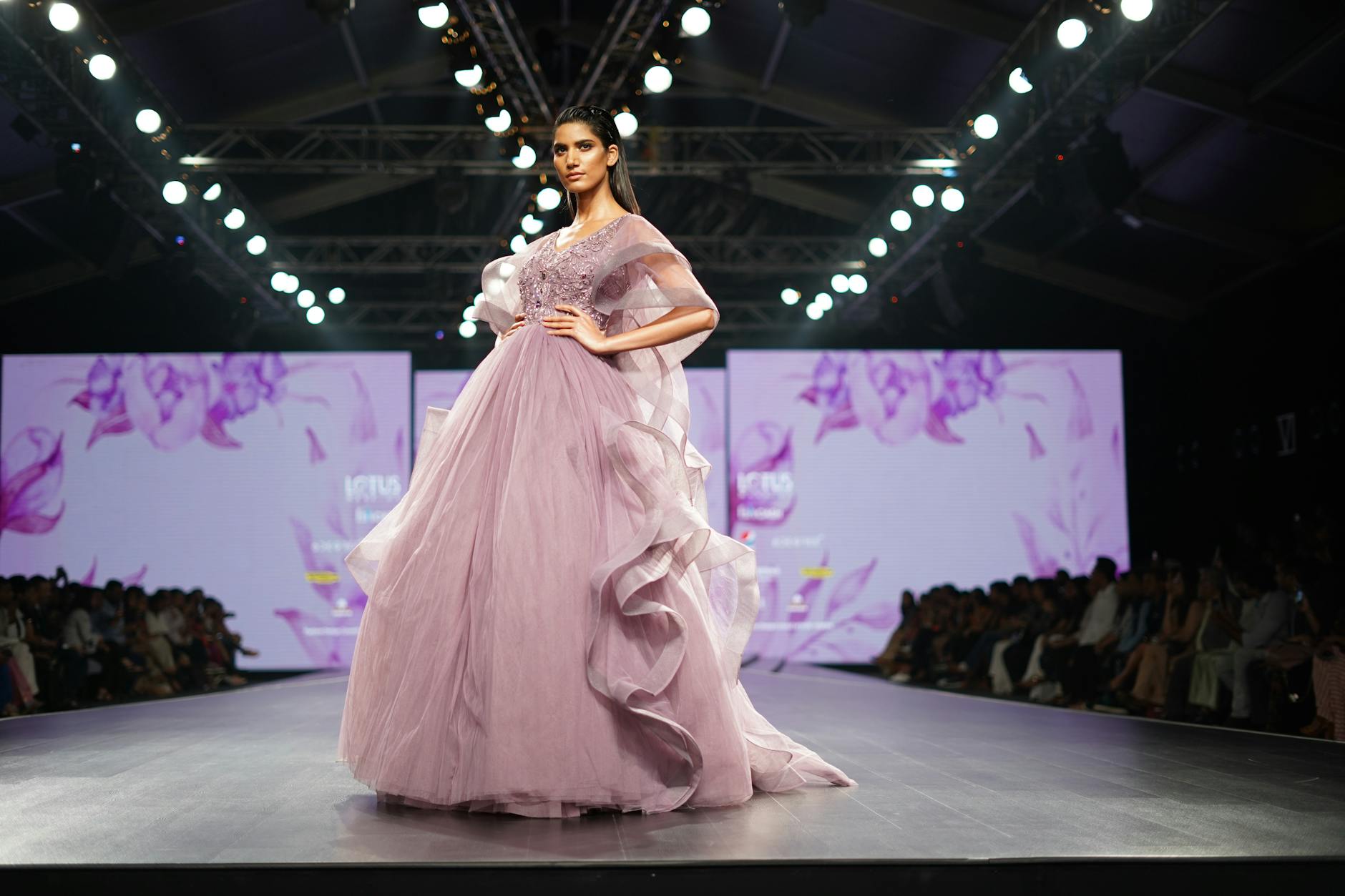
    Milan Fashion Week guide runway catwalk model

    When Is Milan Fashion Week?

    Milan Fashion Week happens four times a year — but the two big editions for travellers are:

    Milan Fashion Week Fall/Winter (Womenswear): Late February, six days. The next event is February 24 – March 2, 2026.

    Milan Fashion Week Spring/Summer (Womenswear): Late September, six days. September 22–28, 2026 is the rough window.

    Smaller men’s fashion weeks happen in January and June (4 days each), with less of a public scene. Most major designers (Prada, Gucci, Versace, Dolce & Gabbana, Bottega Veneta, Armani) show during the womenswear weeks. The official Camera della Moda publishes the full schedule.

    What Can You Attend Without Fashion Industry Credentials?

    1. Street-Style Photography Hot Spots

    The most accessible (and most fun) part of Milan Fashion Week is street-style watching. Photographers and editors wait outside major shows for celebrity arrivals; the surrounding pavements become unofficial public catwalks. Best spots: Via Montenapoleone at the Prada flagship, Piazza San Marco at the Bottega Veneta show venue, Piazza Affari at the Italian stock exchange, and Via della Spiga generally during peak hours.

    2. Public Exhibitions and Showcases

    Multiple designers open public exhibitions during Milan Fashion Week. Armani/Silos (the Armani Museum) typically opens a special temporary exhibit. Gucci Garden Galleria has rotating themed shows. Versace’s Il Gioco archive opens occasionally. The Triennale di Milano hosts major fashion exhibitions during fashion weeks. Free admission for most exhibits, occasional ticket required.

    3. Designer Pop-Ups and Showrooms

    During Milan Fashion Week, many brands open temporary pop-ups in central Milan with capsule collections, free coffee, and fashion content. The Quadrilatero della Moda fills with these — particularly Via Montenapoleone and Via della Spiga.

    4. Public-Access Runway Events

    A handful of shows are open to the public via lottery or official ticket sale. Camera Nazionale della Moda Italiana typically hosts a free open-to-the-public closing show. The official Camera della Moda site lists all public-access events.

    Milan Fashion Week guide street style photographers fashion crowd

    5. Buy Tickets to Exclusive Shows

    While most major shows are invite-only, some smaller designer shows and presentations sell tickets via Moda Operandi or platforms like Eventbrite. Prices range from €40 to €500.

    Where to Stay During Milan Fashion Week

    Hotels book up 6–12 weeks ahead of Milan Fashion Week. Prices double or triple normal rates. Best location during Fashion Week: The Quadrilatero (Park Hyatt, Mandarin Oriental, Sina The Gray, Portrait Milano) — within walking distance of the major show venues. For street-style fashion immersion: Hotel ME Milan Il Duca, Bvlgari, Casa Cipriani.

    For full hotel options, see our pillar where to stay in Milan guide and luxury hotels in Milan roundup.

    Best Restaurants and Bars During Milan Fashion Week

    The fashion crowd takes over specific restaurants and bars during fashion weeks. To eat where editors and stylists eat:

    Da Giacomo Bistrot — the unofficial “Vogue dining room”. Bar Basso — every fashion person eventually shows up here. Ceresio 7 — Dsquared2’s rooftop, particularly busy. Bulgari Hotel Bar — quieter celebrity hangout. Il Salumaio di Montenapoleone — the lunch canteen for fashion editors.

    Reserve dinner spots 4–6 weeks ahead for fashion week dates. For broader food options, see our pillar Milan food guide.

    How to Watch Milan Fashion Week Online

    For travellers who can’t attend in person, most major designers livestream their shows on Instagram, YouTube, and the brand websites. Vogue Runway publishes full collection photos and videos within 30 minutes of each show. The Camera della Moda official site streams selected shows. Watching live and walking past the venue moments later (via street-style watching) is a uniquely Milanese fashion-week pleasure.

    Practical Tips for Milan Fashion Week as a Visitor

    Milan Fashion Week guide runway show models

    A few practical notes that save first-timers headaches:

    Wear smart-casual — even ordinary visitors get street-style photographed if they’re well-dressed. Block out 1–2 hours per show venue for street-style watching; the action happens 30 min before and 30 min after the runway. Carry comfortable shoes; you’ll walk 10+ km on a busy day. Reserve restaurants early — most central spots are fully booked from Tuesday onward. Don’t drive into central Milan; many streets are closed to traffic during shows. Use the metro; M1 (Red), M2 (Green), and M3 (Yellow) all serve major show venues. See our Milan transport guide for full details.

    How Much Does a Milan Fashion Week Trip Cost?

    Realistic 2026 fashion week budget for two travellers:

    4-star hotel for 5 nights: €1,800–2,800 (vs. €900 normal). Daily food (good restaurants + aperitivo): €120–200. Local transport: €30 (5-day ATM pass €19/person). Designer pop-up shopping (optional): €0–unlimited. Public exhibitions: €0–25 per ticket. A reasonable Milan Fashion Week trip for a couple costs €3,500–5,500 all-in for 5 nights — if you’re not buying handbags.

    What to Wear to Milan Fashion Week (Even as a Spectator)

    Milan dresses up for fashion week. The unofficial dress code: Avoid trainers at street-style hot spots (boots, loafers, or high-quality smart sneakers are accepted). Dark colours dominate; black, navy, charcoal. One statement piece — a colourful coat, a bold bag, designer sunglasses. Avoid logos on basic items; subtle is more in line with current Milanese street style. Nothing says “tourist” faster than a brightly logoed sweatshirt at the Bottega Veneta show.

    Best Free Things to Do During Milan Fashion Week

    Beyond street-style watching: visit the Triennale fashion exhibitions; walk the Quadrilatero della Moda with all its enhanced window displays; browse designer pop-ups; watch arrivals at major hotels (Park Hyatt, Mandarin Oriental, Bvlgari); follow the Naviglio aperitivo scene for fashion-industry afterparties. For more free things to do, see our free things to do in Milan guide.

    The Final Word on the Milan Fashion Week Guide

    Milan Fashion Week is one of the great cultural events of any year — and you don’t need a Vogue press pass to enjoy it. Walk the Quadrilatero, watch street style at the major venues, attend a public exhibition, eat at the right restaurants, and you’ll have one of the most exciting weeks possible in any major European city. Pair with our Milan fashion district guide and book your hotel 8–10 weeks ahead.

    For broader planning, browse our pillar things to do in Milan guide and our best time to visit Milan roundup.

  • Vintage Shopping Milan: 12 Best Vintage Shops & Boutiques (2026)

    Vintage Shopping Milan: 12 Best Vintage Shops & Boutiques (2026)

    Milan’s reputation for new luxury obscures one of Europe’s strongest vintage scenes. Decades of fashion-week archives, wealthy local closets cleaning out every season, and a dedicated buyer-curator culture have created some of the best vintage shopping Milan has across Brera, Porta Venezia, and the Navigli. From €15 second-hand denim to €4,000 vintage Hermès Birkins, the city’s vintage boutiques cover every level — and at half the prices you’d pay in Paris or London.

    This guide picks the 12 best vintage shops in Milan, what each one specialises in, average price ranges, and tips on how to spot a real designer piece. For broader shopping context, see our pillar Milan shopping guide.

    Vintage shopping Milan vintage clothing rack designer pieces

    Why Milan Is Italy’s Best Vintage Shopping City

    Milan’s vintage scene has three structural advantages. First, the fashion industry recycles its own samples and archive pieces here, often to vintage shop owners who’ve built relationships with designer studios for decades. Second, wealthy Milanese routinely clear out high-end wardrobes, and the city’s vintage shops are often the first stop for those pieces. Third, the city has a small but dedicated community of authenticators — the kind of expertise needed to confidently price a 1970s Yves Saint Laurent jacket or a 1985 Versace dress.

    The result: vintage shopping Milan is some of the best in Europe, often at lower prices than equivalent shops in Paris or New York.

    The Best Vintage Shops in Milan

    1. Cavalli e Nastri (Brera and Porta Genova)

    The benchmark Milan vintage retailer with three locations. Curated 20th-century designer pieces — original 1960s Pucci, ’80s Versace, ’90s Italian craftsmanship. Prices €100–4,000 depending on the piece. The Brera location has the best apparel; Porta Genova specialises in accessories and bags.

    2. 20134 Lambrate

    An eccentric multi-floor vintage emporium in the Lambrate district. 1960s–’90s clothing, accessories, furniture, and books. Prices €40–1,500.

    3. Foto Veneta (Porta Venezia)

    Specialises in vintage eyewear from the 1950s onward. Original Christian Dior sunglasses, ’70s Ray-Bans, ’80s Versace frames. €120–800.

    4. Madame Pauline Vintage (Navigli)

    A canal-side vintage shop with a strong selection of European labels — Yves Saint Laurent, Chanel, Burberry. Owner is a former fashion stylist. €200–4,000.

    Vintage shopping Milan boutique interior curated pieces

    5. Humana Vintage

    The not-for-profit vintage chain (Humana People to People Italy). Multiple Milan locations. Less curated than the boutiques but excellent for €15–60 finds. Brera and Porta Venezia branches are best.

    6. Bivio Milano (Brera)

    Brera’s most polished vintage and consignment boutique. Mid-range to luxury, mostly Italian and French. €100–1,500.

    7. Dictionary (Brera)

    A boutique vintage dealer specialising in archive Italian designer pieces — Versace, Moschino, Romeo Gigli. €300–3,000.

    8. Arsenale Vintage (Porta Romana)

    An eccentric men’s-and-women’s vintage shop with a strong leather-jacket selection.

    9. Vintage Lab (Multiple)

    Italian fast-vintage chain selling reworked and selected vintage pieces. Lower prices than the boutiques (€30–250); good for casual finds.

    10. La Dolce Vita Vintage (Brera)

    1950s–’70s Italian glamour: Pucci scarves, Gucci silk, vintage shoes. €80–1,200.

    11. Mavis Milano (Porta Genova)

    A small archive-focused shop. The owner buys from designer estates and Milanese fashion-industry insiders.

    12. Giulia Bevilacqua Vintage (Brera)

    An appointment-only vintage dealer specialising in 1960s–’80s Italian couture. The kind of place where a single piece is €1,500–€8,000 — and worth it.

    Best Vintage Markets in Milan

    Vintage shopping Milan vintage jewelry accessories

    For a different kind of vintage shopping experience, Milan’s open-air markets often have unexpected treasure:

    Mercatone dell’Antiquariato sul Naviglio Grande — last Sunday of every month, except July. Over 380 stalls including vintage clothing, jewellery, watches. Mercato di Sinigaglia — Saturday flea market at the Darsena. Less curated, more authentic. Papiniano Market — Tuesday and Saturday, with one or two genuine vintage stalls among the regular goods. Brera Brera Vintage — pop-up vintage market in central Brera, dates announced via Instagram. For more on markets, see our markets in Milan guide.

    What to Look for When Vintage Shopping in Milan

    A few collector’s notes for vintage shopping Milan offers:

    Italian 1960s–’80s designer pieces are Milan’s strongest category. Look for original labels, period-appropriate hardware (Versace’s Medusa, Pucci’s signature print), and serial numbers on bags. Original 1980s Versace from the Gianni era trades at premium prices ($800–6,000 for a single dress). Vintage Hermès Birkin and Kelly bags circulate through Milan boutiques regularly; expect €4,000–15,000+. Italian leather jackets from the 1970s and ’80s are excellent value at €200–600. Vintage Italian denim — original Levi’s licensed in Italy, plus Diesel and Replay archives — is a small but interesting niche.

    How to Authenticate Vintage in Milan

    Most legitimate Milan vintage boutiques (Cavalli e Nastri, Bivio, Dictionary) authenticate items themselves and offer paperwork. For higher-value pieces (€500+), ask for the date code, original receipts if available, and any provenance documentation. Independent authentication services like Entrupy and Italian-based Real Authentication can verify high-end designer items.

    How Much Does Vintage Shopping in Milan Cost?

    Realistic 2026 prices: Casual vintage at Humana, Vintage Lab: €15–80 per item. Mid-tier curated boutiques (Bivio, Madame Pauline): €100–500. Designer-vintage at Cavalli e Nastri, Dictionary: €300–2,500. Archive-grade pieces at appointment-only specialists: €800–8,000. Vintage Hermès Birkin/Kelly: €4,000–15,000.

    Best Areas for Vintage Shopping in Milan

    The vintage scene concentrates in three Milan zones: Brera — most curated, highest density (Cavalli e Nastri, Bivio, Dictionary, Giulia Bevilacqua, La Dolce Vita). Porta Venezia — second-best density (Foto Veneta, Humana annexes, Bivio annex). Navigli — more eclectic and price-accessible (Madame Pauline, Vintage Lab, weekend antiques market). Lambrate / Porta Romana — eccentric multi-floor shops (20134, Arsenale).

    For more on neighbourhoods, see our pillar Milan neighborhoods guide.

    Practical Tips for Vintage Shopping in Milan

    A few practical notes that improve the vintage experience:

    Most vintage shops in Milan are closed on Mondays; Tuesday–Saturday are the reliable days. Carry small bills (€5, €10, €20); smaller boutiques sometimes prefer cash for haggling. Negotiate respectfully; 10–15% off marked price is normal at most boutiques. Try things on; Italian sizing is unpredictable, and vintage sizing is even more unpredictable. Ask for the story; most owners love to talk about pieces, and the provenance often raises perceived value.

    The official Time Out Milan vintage list is useful for the latest openings.

    The Final Word on Vintage Shopping in Milan

    The best vintage shopping Milan offers rewards travellers who plan beyond the usual high-street circuit. Pick a Brera-Porta Venezia day for designer-curated pieces, browse the Naviglio Grande monthly antiques market for unexpected finds, and add a single appointment-only stop (Giulia Bevilacqua, Dictionary) for the most archive-grade pieces. Pair with our Milan fashion district guide for the full Milan-as-fashion-capital experience — old and new — at every price level.

    For more, browse our pillar Milan shopping guide and our things to do in Milan roundup.

  • Best Outlet Malls Near Milan: 5 Top Designer Outlets (2026)

    Best Outlet Malls Near Milan: 5 Top Designer Outlets (2026)

    Italian luxury at 30–70% off, an hour’s drive from the Duomo. The best outlet malls near Milan are some of Europe’s biggest — Serravalle has 300+ stores, FoxTown 160+, Vicolungo 150+ — and a single-day shopping trip can save thousands of euros versus the same purchases on Via Montenapoleone. For travellers willing to dedicate one day to outlet shopping, this is one of Milan’s smartest retail strategies.

    This guide picks the 5 best outlet malls near Milan, what each one is famous for, how to get there, average savings, and which to choose based on the brands you want. For broader shopping context, see our pillar Milan shopping guide.

    Outlet malls near Milan luxury fashion outlet centre

    Why the Best Outlet Malls Near Milan Are Worth a Day Trip

    Outlet shopping in northern Italy has the advantage of genuine outlet stores, run by the brands themselves rather than third-party resellers. The merchandise is mostly previous-season, with discounts of 30–70%. For travellers from non-EU countries, additional VAT refund (~13–14%) on top of the discounted price can mean paying 60–80% less than retail in Milan.

    The trade-off: outlet malls are 60–120 km from central Milan and require either a car, an organised shuttle, or a public bus. Plan a full day; you won’t be back until evening.

    The 5 Best Outlet Malls Near Milan

    1. Serravalle Designer Outlet (90 km southwest)

    The biggest and most famous outlet mall near Milan. Over 300 stores including Prada, Gucci, Burberry, Versace, Armani, Dolce & Gabbana, Valentino, and Bottega Veneta. Discounts up to 70%. Travel time: 1 hour by car, 1.5 hours by official shuttle bus from Milano Centrale (departures 10 a.m. and 2 p.m., €25 round trip). Best for: the widest selection of luxury Italian brands.

    2. FoxTown Mendrisio (Switzerland, 50 km north)

    Just over the Swiss border — about an hour from Milan by car or train. 160+ stores including Armani, Burberry, Gucci, Dior, plus a duty-free shopping advantage for non-Swiss residents. Discounts 30–70%. Travel time: 1 hour by car or 1.5 hours by train (Milano Centrale to Mendrisio, then a 5-min walk). Best for: additional duty-free savings for international travellers; great for jewellery and watches.

    3. Vicolungo The Style Outlets (60 km west)

    150+ stores of accessible brands like Calvin Klein, Nike, Guess, Adidas, plus mid-range Italian labels. Discounts up to 70%. Travel time: 30–40 minutes by car via the A4 toward Turin. Best for: sportswear, denim, family/casual brands.

    Outlet malls near Milan designer luxury brand store

    4. Scalo Milano (Locate di Triulzi, 12 km south)

    Milan’s only outlet mall actually within the city’s metropolitan area. About 130 stores, more design-focused than fashion (LaRinascente Design, Kasanova, Foppapedretti for furniture). Travel time: 25 minutes from central Milan by car. Best for: design and home goods, casual day-trip without leaving Milan’s broader area.

    5. Franciacorta Outlet Village (80 km east, near Brescia)

    Around 165 stores including Ralph Lauren, Hugo Boss, Pinko, Twinset, plus several wine producers from the surrounding Franciacorta wine region. Discounts up to 70%. Travel time: 1 hour by car. Best for: combining shopping with a Franciacorta winery visit afterward.

    How to Get to the Best Outlet Malls Near Milan

    By Official Shuttle Bus

    The best option for travellers without a car. Direct shuttles to Serravalle run twice daily from Piazza Castello in central Milan (€25 round trip, advance booking recommended via the official site). FoxTown shuttles run from Piazza Beccaria at the Duomo and Stazione Centrale (€20 round trip).

    By Train

    FoxTown is reachable directly by Trenord/Trenitalia: Milano Centrale → Mendrisio (CH), 50 minutes, €13 one way. From the train station, FoxTown is a 5-minute walk. The other outlets require a bus or taxi from the nearest station.

    By Private Driver

    Several Milan operators offer private shopping-trip transport. Costs typically €250–400 for a full day, splittable across 4 passengers. Useful if you’re carrying lots of bags. The official Italia.it Milan portal lists official shuttle services.

    How Much Can You Save at Outlet Malls Near Milan?

    Outlet malls near Milan luxury shopping bags purchase

    Realistic 2026 savings on common items:

    Prada/Gucci/Bottega Veneta handbag: Retail €1,800–3,500. Outlet €700–1,400 (40–60% off). Designer wool coat: Retail €1,200–2,500. Outlet €500–1,200. Italian leather shoes: Retail €450–900. Outlet €180–500. Cashmere sweater: Retail €600–1,400. Outlet €250–700. Luxury watch: Retail €4,000–15,000. Outlet €2,500–10,000 (typically 25–40% off, smaller discount than fashion).

    Add a 13–14% VAT refund for non-EU residents and savings can stack to 50–80% versus retail.

    Practical Tips for Outlet Malls Near Milan

    A few tips that make any outlet day better:

    Go on weekdays — Saturdays at Serravalle are crowded enough to make queues for fitting rooms 30+ minutes. Allow 4–6 hours minimum; the malls are bigger than they look. Bring water and comfortable shoes. Compare to Milan retail prices first; some outlet “sales” aren’t actually below regular Milan retail. Get the tax refund forms at every transaction; non-EU residents can save another 13–14% via Global Blue. See our Milan tax-free shopping guide. Don’t forget your passport — required for tax-free purchases. Many outlets have additional discount cards available at the customer service desk; sign up on arrival.

    Official outlet sites (McArthurGlen Serravalle, FoxTown, Vicolungo) have current store directories and shuttle information.

    Outlet Malls Near Milan: Which to Choose?

    A simple decision tree: For maximum brand variety: Serravalle. For luxury watches and duty-free advantages: FoxTown. For accessible brands and sportswear: Vicolungo. For a quick half-day trip: Scalo Milano. For combining shopping with wine touring: Franciacorta.

    What to Pack for a Day at the Outlet Malls Near Milan

    Pack like a serious shopper: comfortable shoes (you’ll walk 6+ km), an empty foldable duffel (for purchases on the way home), passport, both credit cards (some merchants split-bill at high amounts), a refillable water bottle, and pain medication for tomorrow’s feet. Skip jewellery and bulky bags — outlet stores have small fitting rooms and you’ll regret carrying anything you don’t need.

    The Final Word on Outlet Malls Near Milan

    The best outlet malls near Milan can transform a luxury Milan trip from “expensive” to “remarkably good value” with one well-planned day trip. Serravalle for variety, FoxTown for duty-free, Vicolungo for accessible brands, Scalo Milano for design — each rewards a different traveller. Pair with a Lake Como day trip on a separate day (see our Lake Como day trip from Milan guide) and you’ll have used your Milan trip more efficiently than 95% of visitors.

    For full shopping planning, browse our pillar Milan shopping guide, our Milan fashion district guide, and our day trips from Milan roundup.

  • Milan Fashion District: Quadrilatero della Moda Complete Guide (2026)

    Milan Fashion District: Quadrilatero della Moda Complete Guide (2026)

    Milan’s Milan fashion district — the Quadrilatero della Moda — is the most concentrated luxury shopping area in the world. Four streets (Via Montenapoleone, Via della Spiga, Via Sant’Andrea, Via Manzoni) form a tight rectangle housing every flagship from Prada and Dolce & Gabbana to Armani and Loro Piana. For travellers who want the full Milan-as-fashion-capital experience, this is the only neighbourhood that delivers it without compromise.

    This guide picks the most important Milan fashion district streets, the must-visit flagships, the best historic cafés between shops, and practical tips on how to navigate it without spending a euro if you don’t want to. For broader planning, see our pillar Milan shopping guide.

    Milan fashion district Quadrilatero della Moda luxury shopping street

    What Is the Milan Fashion District?

    Quadrilatero della Moda — Italian for “fashion quadrilateral” — is the four-street cluster (Montenapoleone, Spiga, Sant’Andrea, Manzoni) bounded roughly by Piazza San Babila to the south and Via Manzoni to the north. The Italian fashion industry grew up here from the 1950s, and today the area has the highest density of luxury flagship stores anywhere on Earth — Via Montenapoleone is consistently ranked the world’s most expensive shopping street.

    The Milan fashion district is small enough to walk in 30 minutes, but easily takes a full afternoon if you go inside the stores.

    The Four Streets of the Milan Fashion District

    1. Via Montenapoleone

    The flagship street. Big-name presences include Prada, Gucci, Versace, Hermès, Cartier, Bulgari, Loro Piana, Brunello Cucinelli, Tod’s, and Salvatore Ferragamo. Architecture is 17th-century palazzo, with discreet ground-floor flagships behind heavy wooden doors. Window-shopping is the local pastime even if you’re not buying.

    2. Via della Spiga

    The pedestrianised twin street to Montenapoleone. Dolce & Gabbana, Tiffany & Co., Chanel, Roberto Cavalli. More relaxed than Montenapoleone — locals do their actual shopping here.

    3. Via Sant’Andrea

    The intimate cross-street. Chanel, Hermès annexes, Etro, plus a clutch of smaller boutiques. Excellent café stops.

    4. Via Manzoni

    The northern boundary, leading toward La Scala and Brera. Armani Megastore (the original 1996 Giorgio Armani concept), Trussardi Café, smaller flagships, and the entrance to the Mandarin Oriental Hotel.

    Milan fashion district luxury store window display

    The Most Important Flagships in the Milan Fashion District

    5. Prada at Galleria Vittorio Emanuele II

    Prada’s spiritual home — the original 1913 leather-goods shop, expanded over decades. Walking distance from the Quadrilatero. The historic men’s store is on the south side of the Galleria. For broader Galleria advice, see our Galleria Vittorio Emanuele II guide.

    6. Armani Megastore (Via Manzoni)

    The original Armani flagship — a 1996 Tadao Ando-designed concept with restaurant, café, fashion, accessories, and home goods all under one roof.

    7. Dolce & Gabbana (Corso Venezia / Via della Spiga)

    The brand’s headquarters spread across multiple Quadrilatero buildings, including a famous men’s store on Corso Venezia.

    8. Bottega Veneta (Via Sant’Andrea)

    The iconic intrecciato leather flagship. Discreet but excellent service.

    9. Loro Piana (Via Montenapoleone)

    Italy’s master of cashmere and vicuña. Showroom-style space with private fitting rooms.

    10. Brunello Cucinelli (Via Montenapoleone)

    The “philosopher of cashmere” brand — quiet luxury at its most refined.

    Best Cafés in the Milan Fashion District

    11. Caffè Cova (Via Montenapoleone)

    The grand old historic café, founded 1817, in the heart of the fashion district. Excellent for an espresso break between shops.

    12. Pasticceria Marchesi (Via Montenapoleone)

    The hot-pink Prada-owned pasticceria. Pastries and coffee from a 200-year-old tradition.

    13. 10_11 at Portrait Milano

    The signature restaurant of Portrait Milano, one of the city’s newest 5-stars, technically at the edge of the fashion district. Lunch and aperitivo.

    14. Trussardi Café (Via Manzoni)

    The Trussardi flagship’s ground-floor café, with Italian breakfast and lunch in a sophisticated setting.

    The Milan Fashion District for Window-Shoppers

    Milan fashion district high end shopping street Italy

    You don’t need to spend a euro to enjoy the Milan fashion district. Window displays are works of art — Dolce & Gabbana, Prada, and Armani all hire major artists and designers each season. Walk Montenapoleone slowly, take in the Belle Époque architecture, and stop at a historic café for a coffee. A complete window-shopping circuit takes 90 minutes and costs €5 in espresso. For more free Milan ideas, see our free things to do in Milan guide.

    When to Visit the Milan Fashion District

    Tuesday–Friday afternoons are quietest. Saturday afternoons are most crowded with locals and Italian shoppers. Fashion Weeks (February and September) are when the district peaks — street-style photographers, celebrity sightings, and designer pop-ups. For more, see our Milan Fashion Week guide. December is dressed up for the holidays, with Cova’s Christmas window display being particularly famous.

    Tax-Free Shopping in the Milan Fashion District

    Non-EU residents can claim VAT refunds (typically 13–14%) on purchases over €70. The Quadrilatero stores almost all participate in Global Blue, Tax Free Worldwide, or Premier Tax Free. For a full guide, see our Milan tax-free shopping guide.

    How to Get to the Milan Fashion District

    Take the M3 (yellow) metro to Montenapoleone station, which puts you at the south end of Via Montenapoleone. Alternative: M1 (red) to San Babila, then walk 2 minutes north. From the Duomo, walk 8 minutes via Corso Vittorio Emanuele. The whole Milan fashion district is walkable in 25–30 minutes.

    For full transport details, see our Milan transport guide.

    What Else to See Near the Milan Fashion District

    Pair your Quadrilatero visit with: Galleria Vittorio Emanuele II (5 min walk), Brera for Pinacoteca art (5 min walk north), Sforza Castle (10 min walk), and Bagatti Valsecchi Museum (a beautifully decorated 19th-century house just inside the district). For more, see our pillar things to do in Milan guide.

    Practical Tips for the Milan Fashion District

    A few practical notes:

    Wear smart-casual — even just to enter most flagship stores. Trainers and casual wear are fine, but tank tops and shorts may be discouraged. Bring photo ID if you’ll claim a tax-free refund. Many stores have private appointment options for serious shoppers; ask the concierge or in-store stylist. Most flagships close on Sundays; a few stay open during peak shopping seasons. Photography is allowed in most window displays; ask before photographing inside.

    The official MonteNapoleone District association site lists all Quadrilatero events, openings, and seasonal promotions.

    The Final Word on the Milan Fashion District

    The Milan fashion district is one of the great window-shopping experiences in Europe. Whether you’re treating yourself to a quiet purchase from Loro Piana or just admiring Dolce & Gabbana’s newest collection through a polished glass façade, an afternoon walking the Quadrilatero is essential to understanding what makes Milan the world’s design capital. Pair with a coffee at Cova or Marchesi and you’ve spent a perfect Milanese afternoon — without any obligation to actually buy.

    For broader planning, browse our pillar Milan shopping guide and our things to do in Milan roundup.

  • Shopping in Milan: Complete Guide to Fashion, Markets & Boutiques

    Shopping in Milan: Complete Guide to Fashion, Markets & Boutiques

    Milan is a world-renowned Milan shopping guide destination that attracts fashion enthusiasts, luxury shoppers, and budget-conscious travelers from around the globe. As the fashion capital of Italy and one of Europe’s premier retail hubs, Milan offers an unparalleled shopping experience across diverse districts, from exclusive luxury boutiques to vintage markets and sprawling outlet malls. Whether you’re hunting for high-end fashion, Italian leather goods, or unique artisan finds, this comprehensive Milan shopping guide will help you navigate the city’s incredible retail landscape and make the most of your shopping adventure.

    Complete Milan shopping guide covering luxury districts and markets
    Milan’s iconic shopping destinations attract visitors seeking luxury fashion and authentic Italian retail experiences

    The Quadrilatero della Moda (Fashion District) – Milan’s Luxury Shopping Hub

    The Quadrilatero della Moda, or “Fashion Rectangle,” is undoubtedly the crown jewel of any Milan shopping guide. This exclusive neighborhood comprises four prestigious streets that form the heart of Milan’s luxury fashion scene: Via Montenapoleone, Via della Spiga, Via Sant’Andrea, and Via Manzoni, with Corso Venezia completing the district.

    Via Montenapoleone stands as the world’s most expensive retail street, surpassing New York’s Fifth Avenue in luxury retail value as of 2024. This iconic thoroughfare stretches just over one kilometer but packs an extraordinary concentration of the world’s most prestigious fashion houses. Walking down Via Montenapoleone is like stepping through the pages of high-fashion magazines, with flagship stores representing the pinnacle of Italian and international luxury design.

    Via Montenapoleone, world's most expensive shopping street in Milan's fashion district
    Via Montenapoleone epitomizes luxury shopping in Milan with flagship stores from the world’s most prestigious brands

    Luxury brands anchoring the Quadrilatero della Moda include Gucci, Prada (with its historic original flagship store), Versace, Dior, Hermès, Louis Vuitton, Valentino, Armani, Burberry, Fendi, and countless others. Each boutique is architecturally stunning and staffed with knowledgeable stylists ready to assist you. While shopping here represents a significant investment, even window shopping along these streets provides inspiration and exposure to the latest collections from the world’s most influential designers.

    Via della Spiga offers a slightly more relaxed atmosphere while maintaining its luxury credentials, with boutiques showcasing both established and emerging luxury designers. Via Sant’Andrea features an intimate collection of high-end boutiques, while Via Manzoni and Corso Venezia complete the district with additional prestigious brand locations. This is where you’ll find the latest collections, seasonal launches, and exclusive pieces that define the Milan shopping guide for luxury seekers.

    Galleria Vittorio Emanuele II – Italy’s Historic Shopping Icon

    The Galleria Vittorio Emanuele II is far more than just a shopping arcade – it’s an architectural masterpiece and a symbol of Milan itself. Constructed in the 19th century, this ornate glass-vaulted gallery is Italy’s oldest shopping arcade and remains one of the most impressive retail spaces in the world. Located just steps from the Milan Cathedral, the Galleria connects Piazza della Scala to Piazza del Duomo, making it a natural stop on any Milan shopping guide itinerary.

    Galleria Vittorio Emanuele II, historic shopping arcade with Milan shopping guide information
    The magnificent Galleria Vittorio Emanuele II blends historic architecture with world-class shopping

    The Galleria’s architecture is breathtaking, featuring a soaring glass ceiling that bathes the corridor in natural light, intricate mosaics, and elegant Victorian-era design elements. But beyond its aesthetic appeal, the Galleria houses an impressive collection of luxury brands and stores. Prada’s original flagship store anchors the space, while Louis Vuitton, Versace, Gucci, and other luxury brands maintain prominent positions throughout the gallery.

    Shopping here combines retail therapy with cultural experience – you’re not just buying products, you’re immersing yourself in Milanese history and architecture. The Galleria also features excellent restaurants and cafés where you can take a break between shopping expeditions. For any comprehensive Milan shopping guide, the Galleria Vittorio Emanuele II is an absolute must-visit destination that should feature prominently in your itinerary.

    Department Stores – One-Stop Shopping Destinations

    For those seeking a curated selection of brands under one roof, Milan’s department stores offer convenient alternatives to visiting individual boutiques. These establishments represent the Milan shopping guide solution for efficiency-minded shoppers seeking variety.

    La Rinascente stands as Milan’s premier department store, occupying an impressive eight-story building near Piazza del Duomo. This iconic retailer stocks an extensive range of brands across fashion, accessories, beauty, and home goods. One of La Rinascente’s most distinctive features is its rooftop bar and terrace, which offers stunning panoramic views of the Milan Cathedral and cityscape – the perfect spot to relax after a shopping session while enjoying refreshments.

    Milan's luxury fashion district department stores and shopping guide
    Department stores provide curated selections of international brands in Milan’s shopping guide

    Coin is another respected department store offering a solid selection of contemporary fashion, accessories, and lifestyle products. It provides a more accessible price point than the luxury-exclusive boutiques while maintaining quality standards. Excelsior Milano positions itself as a luxury concept store, blending high-end fashion with art, design, and lifestyle elements, appealing to shoppers seeking a unique retail experience that goes beyond traditional shopping.

    Budget-Friendly Shopping Streets – Style Without the Premium Price Tag

    Not every visitor to Milan has a luxury budget, and fortunately, the city offers excellent shopping options for value-conscious travelers. These streets are essential components of any inclusive Milan shopping guide. When you want to experience Milan’s shopping scene without the five-figure price tags, these neighborhoods deliver quality merchandise at reasonable prices.

    Corso Buenos Aires is one of Europe’s longest shopping streets, stretching over one kilometer and featuring more than 350 shops. This bustling thoroughfare offers contemporary fashion, accessories, footwear, and lifestyle products at moderate price points. You’ll find both mainstream retailers and independent boutiques, making it ideal for finding trendy pieces and seasonal items without luxury price tags. The sheer volume of shops means you can comparison shop and discover great deals.

    Corso Buenos Aires, Europe's longest shopping street - Milan shopping guide
    Corso Buenos Aires offers extensive shopping options along one of Europe’s longest retail streets

    Via Torino specializes in young and trendy fashion, appealing to younger shoppers and those seeking contemporary styles at accessible prices. Corso Vittorio Emanuele II combines dining, entertainment, and shopping, featuring numerous retailers alongside restaurants and cafés. These streets collectively represent the accessible side of the Milan shopping guide, proving that you don’t need unlimited spending power to enjoy excellent shopping in Milan.

    The Brera District – Artisan Boutiques and Independent Design

    For shoppers seeking unique, locally-made items and independent designers, the Brera district offers a completely different shopping experience than the commercial streets elsewhere in Milan. This charming neighborhood in the center-north of Milan has evolved into a hub for artisans, independent retailers, and creative entrepreneurs.

    Brera district artisan boutiques and independent designers - Milan shopping guide
    Brera’s artisan boutiques showcase independent designers and handcrafted goods

    Strolling through Brera’s narrow, picturesque streets, you’ll discover artisan boutiques selling handmade jewelry, custom clothing, locally designed accessories, and unique homeware items. Art galleries interspersed throughout the neighborhood emphasize Brera’s creative character. Antique shops offer vintage furniture, collectibles, and one-of-a-kind treasures. This section of your Milan shopping guide is perfect for travelers seeking authentic, non-mass-produced items and direct connections with the artisans who created them.

    Brera is also known for its vibrant atmosphere, especially in the evenings and on weekends, when the district fills with locals and tourists enjoying the neighborhood’s restaurants, bars, and galleries. Shopping here becomes an experience that encompasses culture, art, design, and community – representing the soul of Milan beyond the commercial districts.

    Concept Stores – The Future of Retail

    Milan is home to some of the world’s most innovative concept stores that blur the lines between fashion, art, books, and lifestyle. These pioneering retail spaces represent an evolution in the Milan shopping guide experience, offering curated selections that transcend traditional categorization.

    10 Corso Como holds the distinction of being the world’s first true concept store, having pioneered this retail model decades before it became trendy. Located in a beautiful converted mansion in the upscale Garibaldi neighborhood, 10 Corso Como seamlessly integrates fashion, art, photography books, home design, and a sophisticated café. The concept was revolutionary at its inception and remains influential in contemporary retail design.

    Modern concept store interior design - Milan shopping guide
    Concept stores like 10 Corso Como redefine shopping as a multisensory experience

    Shopping at 10 Corso Como isn’t just about making purchases – it’s about experiencing an aesthetically curated environment that celebrates design, creativity, and refined taste. Similarly, Excelsior Milano (mentioned earlier as a department store) functions as a luxury concept store that emphasizes the intersection of fashion, design, and lifestyle. These venues represent the sophisticated, forward-thinking approach to shopping that Milan is famous for.

    Vintage and Antique Markets – Treasures from the Past

    Milan’s vintage and antique markets are paradise for collectors, vintage fashion enthusiasts, and bargain hunters seeking one-of-a-kind discoveries. These markets add an exciting, unpredictable element to any Milan shopping guide that can’t be found in traditional retail spaces.

    Navigli Antique Market is the crown jewel of Milan’s vintage scene, operating on the last Sunday of each month along the picturesque Naviglio Grande canal. Hundreds of vendors – typically around 400 stalls – line the waterfront, selling antique furniture, vintage clothing, collectible items, jewelry, books, art, and decorative objects spanning multiple eras and styles. The market atmosphere is lively and festive, with locals and tourists browsing for hours while enjoying the beautiful canal-side setting.

    Navigli district antique market and canals - Milan shopping guide
    The monthly Navigli Antique Market along Milan’s canals offers unique vintage treasures

    East Market functions as an indoor vintage warehouse in the Taliedo neighborhood, offering a climate-controlled alternative to outdoor markets. This expansive space houses multiple vendors offering vintage clothing, accessories, furniture, and collectibles. Sinigaglia Market operates on Saturday mornings and includes both new and vintage merchandise, creating a dynamic shopping environment. Fiera di Sinigallia is another popular weekend market featuring vintage items, secondhand goods, and bargains.

    For vintage shoppers, these markets represent the heart and soul of Milan’s Milan shopping guide. The thrill of discovery, the potential for incredible deals, and the opportunity to own unique pieces with history make these markets essential experiences for many travelers.

    Outlet Shopping – Designer Discounts Beyond the City

    For serious bargain hunters willing to venture slightly outside Milan’s city center, outlet malls offer significant discounts on designer brands and Italian labels. These destinations expand the Milan shopping guide beyond the city proper to capture some of the best value shopping available.

    Il Salvagente holds the distinction of being Milan’s oldest outlet, operating since 1978. Located within the city, it features previous-season and discounted items from major Italian and international brands, offering savings of 30-50% off regular retail prices. D Magazine Outlet provides another city-based option with seasonal sales and discounted merchandise.

    Shopping bags fashion outlet stores - Milan shopping guide
    Outlet shopping provides significant designer discounts as part of your Milan shopping guide

    Serravalle McArthurGlen Designer Outlet is located approximately one hour from Milan and represents Italy’s largest outlet mall. This expansive destination features over 230 designer boutiques and stores offering merchandise at discounts up to 70% off. Major brands are well-represented, making it a destination shopping trip for those prioritizing savings. Fidenza Village, located near Parma (about 1.5 hours from Milan), features 130+ boutiques with similar discounts and appeals to outlet enthusiasts.

    While these outlet destinations require travel time, they’re worth considering if you’re shopping with a budget or seeking specific brand merchandise at significant discounts. Many visitors allocate a full day to outlet shopping as part of their comprehensive Milan shopping guide experience.

    Italian Brands and What to Buy – Authentic Souvenirs

    Shopping in Milan provides excellent opportunities to acquire authentic Italian products that make meaningful souvenirs and gifts. Knowing what to prioritize helps maximize your Milan shopping guide shopping experience and your luggage space.

    Italian leather goods and handbags - Milan shopping guide
    Handcrafted Italian leather goods represent quintessential Milan shopping guide purchases

    Leather Goods: Italy is world-famous for leather craftsmanship, and Milan provides access to authentic leather bags, belts, wallets, and jackets. From luxury leather items at Gucci and Prada to artisan leather goods in Brera, Italian leather represents both an investment and a functional purchase. The quality, durability, and craftsmanship of Italian leather are internationally recognized.

    Fashion and Accessories: Obviously, fashion items represent a major shopping category in Milan. From high-end couture to contemporary pieces, Milan offers access to the latest trends and timeless classics. Scarves, especially silk scarves, are quintessentially Italian and make elegant gifts. Shoes from Italian designers are prized globally for their design and comfort.

    Design Items: Milan’s reputation as a design capital extends to home furnishings, decorative objects, lighting, and furniture. While large furniture pieces are impractical for travelers, smaller design items like modern vases, contemporary artwork, or designer home accessories represent portable purchases that embody Italian design excellence.

    Food and Wine: Gourmet Italian products including balsamic vinegar, olive oil, pasta, risotto, wines, and specialty foods from the Milan region make excellent purchases. These items represent authentic Italian culinary tradition and are appreciated by food-loving friends and family. Specialty markets throughout Milan offer curated selections of premium Italian products.

    The Milan shopping guide approach to purchases emphasizes quality over quantity – investing in well-made Italian items that you’ll treasure rather than accumulating disposable purchases.

    Tax-Free Shopping and VAT Refunds – Save Money as an International Visitor

    Non-European Union residents are eligible for significant value-added tax (VAT) refunds on purchases made in Italy, representing a substantial savings opportunity in your Milan shopping guide budget. Understanding and utilizing this benefit can result in meaningful financial savings on your Milan shopping investments.

    To qualify for VAT refunds, non-EU residents must purchase a minimum of €70.01 in a single transaction from participating retailers. The VAT refund percentage ranges from 11.6% to 15.5%, depending on the item category and applicable tax rates. Once you’ve met the minimum purchase requirement, ask the retailer for a tax refund form (called a “form VAT reclaim” or “tax-free receipt”).

    Major tax refund services operating in Milan include Global Blue and Planet. These services handle the VAT refund process, which typically involves presenting your receipts and forms at airport customs before departure. Refunds can be processed as cash, credit to your credit card, or credit toward future purchases, depending on the service provider and your preferences.

    Important considerations for VAT refunds: Items must be unused and in original condition. You must have purchased items in the EU. The refund must be claimed before leaving the EU. Customs officials may require you to show the purchased items, so keep them in accessible luggage rather than checked bags if possible. Planning your Milan shopping guide purchases with VAT refunds in mind can substantially reduce your overall spending.

    Sales Seasons in Milan – Timing Your Shopping for Deals

    Milan observes two major sales seasons that attract bargain hunters from across Europe. Timing your Milan shopping guide visit to coincide with these periods can result in extraordinary savings on fashion merchandise.

    Saldi Invernali (Winter Sales): The winter sales season begins in January and typically runs through February. Retailers reduce prices on fall and winter collections, with discounts reaching up to 70% off by late in the season. This is the major shopping event in the Italian retail calendar, with enthusiastic shoppers competing for the best deals.

    Saldi Estivi (Summer Sales): The summer sales occur in July, marking clearance of spring and summer collections to make room for fall merchandise. Like the winter sales, discounts progressively deepen as the season continues, with similar potential savings of up to 70% off.

    If you’re planning your Milan shopping guide visit specifically for shopping, aligning your trip with these sales seasons maximizes your purchasing power. However, selection is obviously more limited during sales, as popular items sell out quickly. The best strategy combines visiting during sales season while shopping early in the sales period when selection is best and before crowds become overwhelming.

    Practical Shopping Tips and Etiquette

    Successfully navigating Milan’s shopping scene requires understanding local customs, timing considerations, and practical logistics. These tips will enhance your Milan shopping guide experience and help you shop like a knowledgeable visitor.

    Store Hours: Most Milan retail establishments close on Sundays, with limited or no operations. This represents a significant difference from shopping in many other major cities. Plan accordingly by concentrating your shopping activities on weekdays and Saturdays. This Sunday closure is less rigid in modern times, with some stores open on Sundays, but it remains common enough that you shouldn’t plan major shopping for Sundays.

    Payment Methods: While credit cards are widely accepted in modern Milan retail establishments, it’s wise to carry some cash. Small independent boutiques, artisans, and market vendors may not accept cards or might charge a surcharge for card payments. ATMs are readily available throughout Milan, making it convenient to withdraw euros.

    Negotiating at Markets: At outdoor and indoor markets, negotiation is often expected and accepted, particularly for higher-priced items. Don’t be shy about politely proposing a lower price, especially if you’re purchasing multiple items. In commercial retail establishments, prices are fixed and non-negotiable, but markets operate under different conventions.

    Shopping Etiquette: Most luxury boutiques in Milan’s fashion district operate under an assumption of exclusivity. Store staff may approach you to assist, and it’s appreciated if you engage politely. Don’t touch merchandise without permission. The style of service tends toward respect for personal space – staff won’t hover unless you indicate interest in assistance.

    Best Times to Shop: Weekday mornings typically offer the most pleasant shopping experience with fewer crowds. Weekday afternoons and all-day Saturday can become quite busy, especially in the Quadrilatero della Moda and popular streets like Corso Buenos Aires. Evening shopping is possible in many districts but can feel rushed. Avoid shopping during peak tourist seasons (summer and major holidays) if you prefer a more relaxed experience.

    Connecting Your Milan Shopping with Other Experiences

    Shopping in Milan is best appreciated as part of a comprehensive travel experience. For additional perspectives on enjoying Milan, explore our guides on things to do in Milan, which includes countless cultural, historical, and entertainment activities. When you need recommendations for comfortable, convenient accommodations for your shopping trip, consult our where to stay in Milan guide to find the perfect hotel in proximity to shopping districts.

    Don’t miss the opportunity to combine shopping with culinary experiences by referencing our comprehensive Milan food guide, which explores the city’s exceptional restaurants, trattorias, and food markets. Many shopping districts are near excellent dining options, allowing you to maximize your time by combining retail therapy with gastronomic discovery.

    Conclusion – Your Milan Shopping Guide to Fashion Retail Excellence

    Milan’s shopping scene is unparalleled in its diversity, sophistication, and breadth of options. Whether you’re seeking world-class luxury in the Quadrilatero della Moda, exploring the historic elegance of Galleria Vittorio Emanuele II, hunting bargains at markets and outlets, discovering independent designers in Brera, or simply enjoying the vibrant street shopping of Corso Buenos Aires, Milan delivers unforgettable retail experiences. This Milan shopping guide provides the foundation for planning your shopping expedition, but the true joy comes from exploring the city’s neighborhoods, engaging with local merchants, and discovering unexpected treasures that reflect Milan’s standing as a global fashion and design capital. With proper planning, strategic timing, and these comprehensive recommendations, your Milan shopping guide will become one of your most cherished travel memories.