Milan transport is among the best in Italy, making the city remarkably easy to navigate for visitors. From a five-line metro system to iconic vintage trams, bike-sharing networks, and efficient airport connections, Milan offers multiple ways to get around quickly and affordably. This comprehensive guide covers every transport option available in 2026 — tickets, passes, routes, and insider tips to help you move through the city like a local.

Milan Metro: The Backbone of City Transport
Milan’s metro system is the fastest way to cross the city. Operated by ATM (Azienda Trasporti Milanesi), it consists of five lines that cover all major areas:
M1 (Red Line): Runs east-west through the city centre, connecting Sesto FS to Rho Fiera/Bisceglie. Key stops include Duomo, Cadorna, Cairoli (Castello Sforzesco), and Lima (Corso Buenos Aires shopping). M2 (Green Line): Runs northeast-southwest, connecting Gessate/Cologno Nord to Abbiategrasso/Assago Forum. Key stops include Centrale FS (main train station), Garibaldi FS, and Cadorna. M3 (Yellow Line): Runs north-south through the centre. Key stops include Duomo, Centrale FS, and Porta Romana. M4 (Blue Line): The newest line, opened in stages from 2022-2024, connecting Linate Airport directly to the city centre and San Cristoforo. Key stops include Linate Airport, San Babila, and Dateo. M5 (Purple/Lilac Line): A driverless automated line running from Bignami to San Siro Stadium. Key stops include Garibaldi FS, Isola, and the San Siro football stadium.
The metro operates from approximately 5:40 AM to 12:30 AM daily, with extended service until 1:30 AM on Friday and Saturday nights. Trains run every 2-4 minutes during peak hours and every 5-8 minutes at other times. All stations are accessible for passengers with reduced mobility.
Trams: Milan’s Iconic Surface Transport

Milan’s tram network is one of Europe’s most extensive, with 18 lines covering routes that the metro doesn’t reach. The city’s iconic orange 1920s-era trams (known as “vetture serie 1500”) are a beloved symbol of Milan and a charming way to see the city — riding one is an experience in itself.
Particularly useful tram routes for tourists include: Tram 1: Connects the northern suburbs through Porta Venezia to Piazza Duomo. Tram 14: A scenic cross-city route passing through Chinatown, Brera, the Duomo area, and down to the Navigli — essentially a DIY sightseeing tour. Tram 15: Runs from Duomo to the Navigli district along Corso di Porta Ticinese, passing the Colonne di San Lorenzo. ATMosfera Restaurant Tram: A unique dining experience on a vintage tram that tours the city while you enjoy a multi-course meal. Book through the ATM website.
Trams operate on the same ticketing system as the metro and buses. Board at any door, and validate your ticket at the machines on board. For exploring the city’s different neighbourhoods, trams are often the most scenic option.
Buses: Filling the Gaps
Milan has over 80 bus routes that supplement the metro and tram network, reaching areas that rail transport doesn’t cover. Buses operate from approximately 5:30 AM to 1:00 AM. Night buses (marked with “N” before the route number) run after the metro closes, covering major routes across the city — particularly useful if you’re out enjoying Milan’s nightlife.
Bus 73 is especially useful, running from Piazza San Babila in the city centre directly to Linate Airport (though the M4 metro now offers a faster alternative). Real-time bus arrivals can be tracked through the ATM Milano app, which is essential for navigating the bus network efficiently.
Tickets, Passes, and Fares
Milan uses a unified ticketing system — one ticket works across all metro, tram, and bus services within the urban zone. Here’s what you need to know about fares in 2026:
Single urban ticket (Mi1-Mi3): €2.20 — valid for 90 minutes from first validation, unlimited transfers between bus, tram, and metro. 24-hour pass: €7.60 — unlimited travel (best value if taking 4+ rides in a day). 48-hour pass: €13.80. 3-day pass: €16.80 — the optimal choice for most tourists. 10-trip carnet: €19.50 — ten single rides at a slight discount. Weekly pass: €17.50.
Where to buy tickets: Metro station vending machines (cash and card accepted), the ATM Milano app (most convenient — buy and validate digitally), tabacchi (newsagent/tobacco shops), and some bars. You can also tap a contactless credit/debit card directly at metro gates and on newer buses/trams — the system charges you the best fare at the end of the day (daily cap applies). Always validate your ticket before boarding or at metro gates — inspectors issue €50+ fines for unvalidated tickets.
For budget tips on transport, see our budget Milan guide.
Getting to Milan: Airport Transfers
Milan is served by three airports. Here’s how to get from each one to the city centre:

Malpensa Airport (MXP) — 50 km Northwest
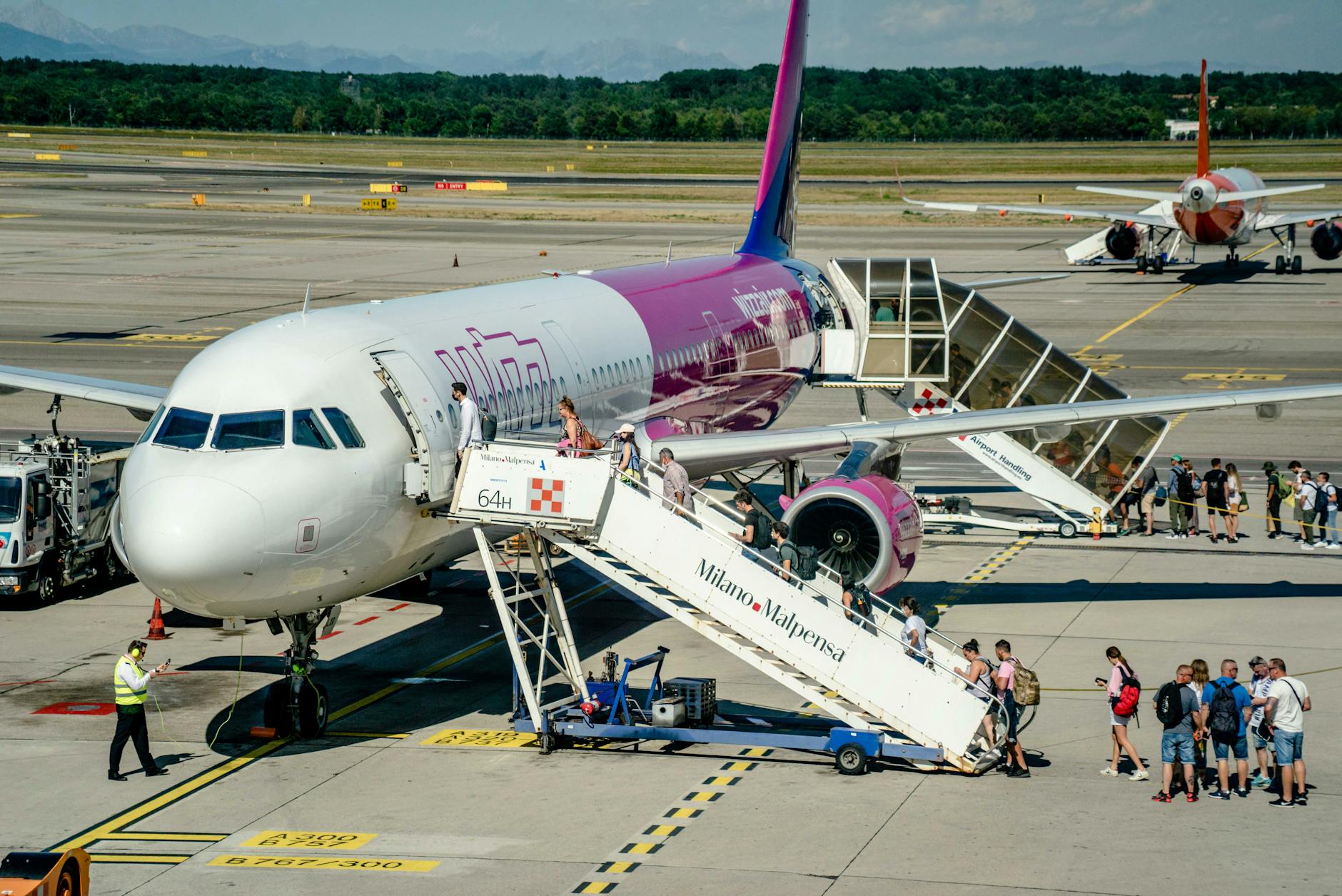
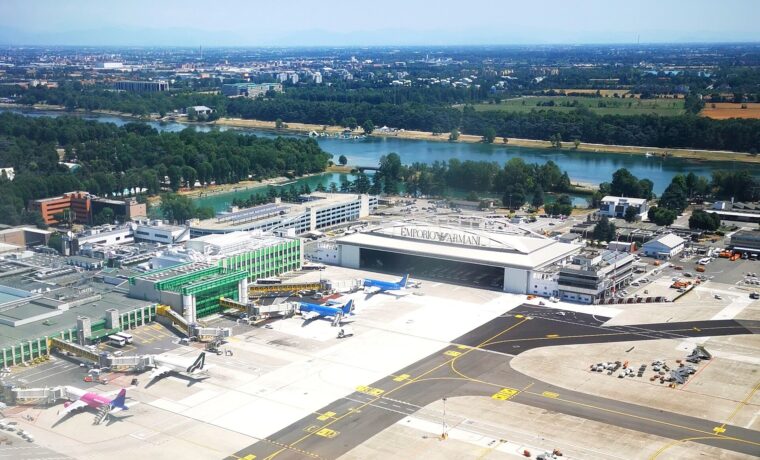
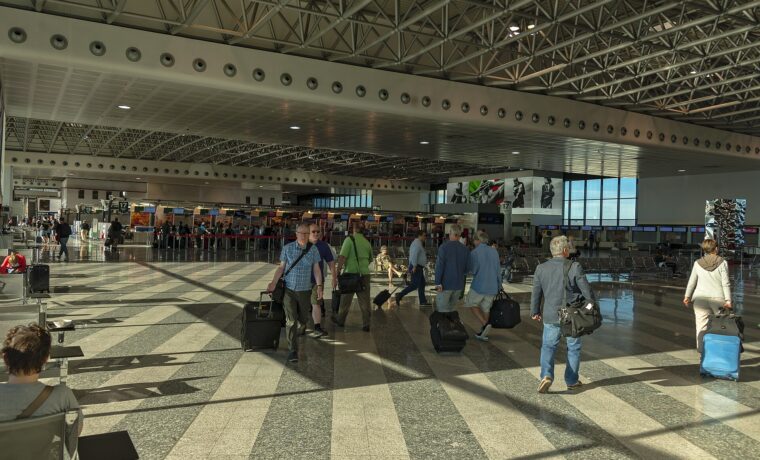
Milan’s main international hub handles most long-haul and European flights. Malpensa Express train: The fastest option. Runs every 30 minutes to Cadorna station (35 minutes, €13) and Milano Centrale (50 minutes, €13). Buy tickets at the station, online, or via the Trenord app. Shuttle buses: Malpensa Shuttle, Terravision, and Autostradale run buses every 20 minutes to Milano Centrale (50-60 minutes, €8-10). Slightly cheaper but slower and subject to traffic. Taxi: Fixed rate of €105 to central Milan (set by the municipality). Use only official white taxis from the designated stand outside arrivals. Private transfer: Pre-bookable services cost €80-120 and offer door-to-door convenience.
Linate Airport (LIN) — 8 km East
Milan’s closest airport, handling mostly domestic and European flights. M4 Metro (Blue Line): The game-changer — connects Linate directly to San Babila (city centre) in just 12 minutes for a standard €2.20 ticket. This is by far the best option. Taxi: Fixed rate of €40 to central Milan. A good option for groups or those with heavy luggage.
Bergamo Orio al Serio (BGY) — 50 km East
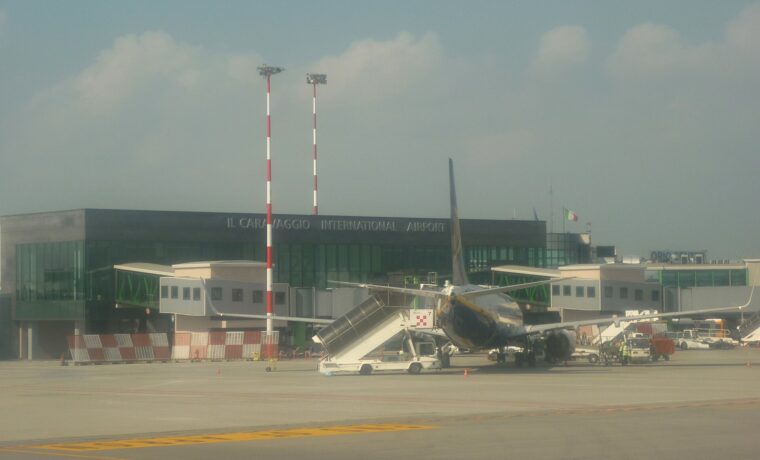
The budget airline hub (Ryanair, Wizz Air). Shuttle buses: Orio Shuttle and Terravision run buses every 20-30 minutes to Milano Centrale (50-60 minutes, €6-7). The most practical and affordable option. Taxi: Approximately €100-120 — not recommended unless sharing costs. For more travel advice, see our travel tips guide.
Trains: Regional and High-Speed

Milan is northern Italy’s rail hub, with excellent connections for day trips and onward travel. The city has several train stations:
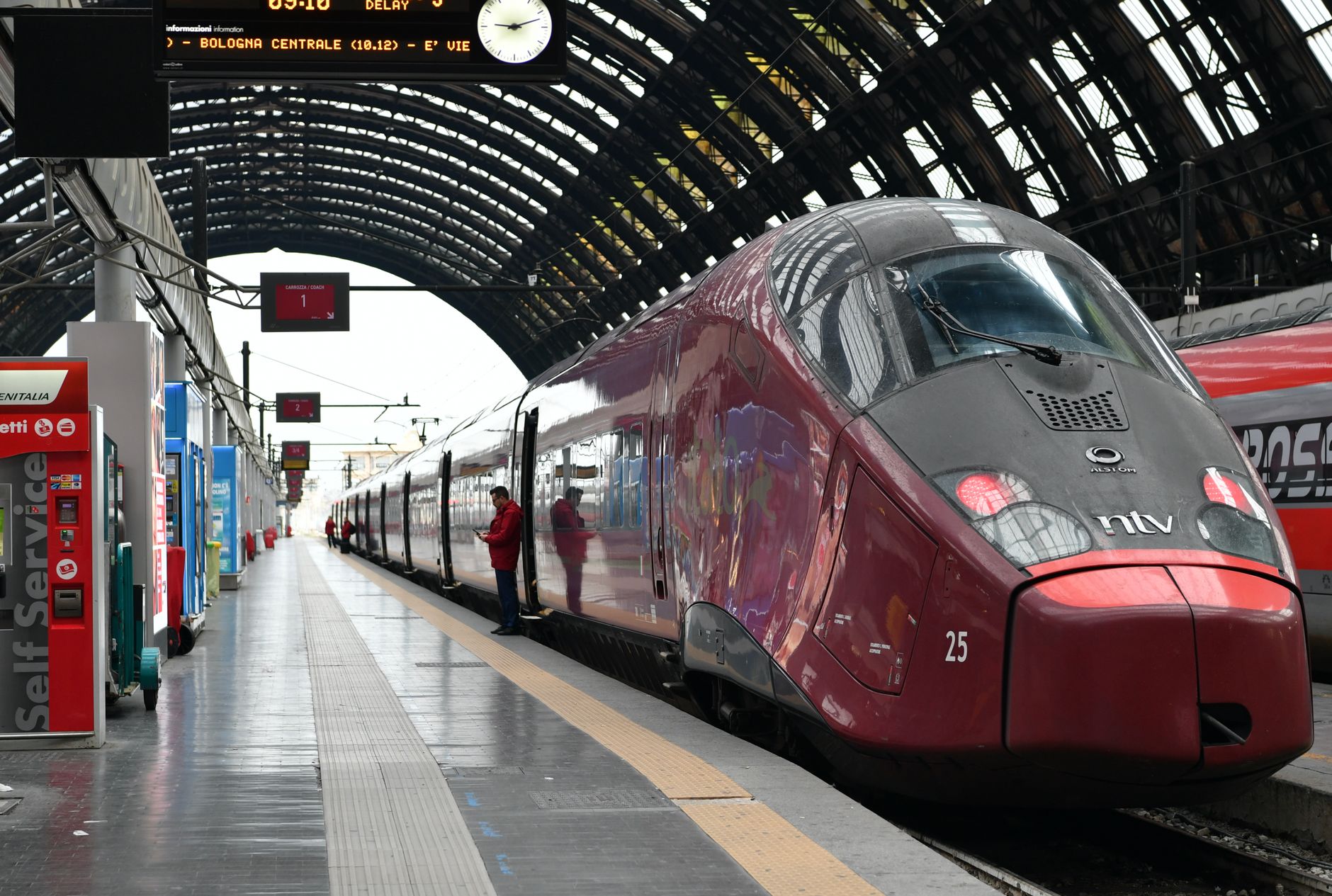
Milano Centrale: The main station for high-speed trains (Trenitalia Frecciarossa and Italo), international services, and regional trains. Connections include Rome (3 hours), Florence (1 hour 40 minutes), Venice (2 hours 15 minutes), Turin (1 hour), and Bologna (1 hour). Milano Cadorna: Terminal for Trenord regional services and the Malpensa Express. Milano Porta Garibaldi: Second busiest station, serving some high-speed services and regional routes. Milano Rogoredo: Southern station serving some high-speed Italo trains.
Booking tip: High-speed train tickets are cheapest when booked 2-4 weeks in advance. A Milan-Rome ticket can cost as little as €19.90 booked early versus €80+ on the day. Use the Trenitalia or Italo apps for the best deals.
Taxis and Ride-Hailing

Taxis in Milan are white, licensed, and metered. You can find them at designated taxi stands (marked with orange signs), call for one, or use the it Taxi or Free Now apps to book. Taxis cannot legally be hailed on the street between stands. The meter starts at approximately €3.50 (higher at night and on Sundays), with per-kilometre charges of €1.10-1.30. A typical cross-city ride costs €10-20. Fixed-rate fares apply for airport transfers.
Uber operates in Milan but differently from other countries — Italian regulations require all Uber drivers to be professionally licensed (NCC licence). This means Uber Black and Uber Van are available but are priced similarly to or above regular taxis. Standard UberX is not available. Free Now is a popular alternative that connects you with licensed taxis via app — often the most practical ride-hailing option in Milan.
Cycling and Scooters

BikeMi is Milan’s official bike-sharing service with over 300 stations across the city. Options include traditional bikes and e-bikes. A day pass costs €4.50, with the first 30 minutes of each ride free (subsequent 30-minute blocks cost €0.50 for standard bikes, €1 for e-bikes). Registration requires a credit card and can be done at any station or through the BikeMi app. Milan has steadily expanded its cycling infrastructure, with dedicated bike lanes on many major routes.
E-scooter sharing services including Lime, Voi, and Dott operate throughout Milan. Unlock via their apps (€1 to start, €0.20-0.25/minute). Scooters are capped at 20 km/h and must be ridden in bike lanes or on roads (not pavements). Helmets are recommended but not mandatory for riders over 18. They’re ideal for covering medium distances that are too far to walk but not worth a metro trip.
Walking in Milan

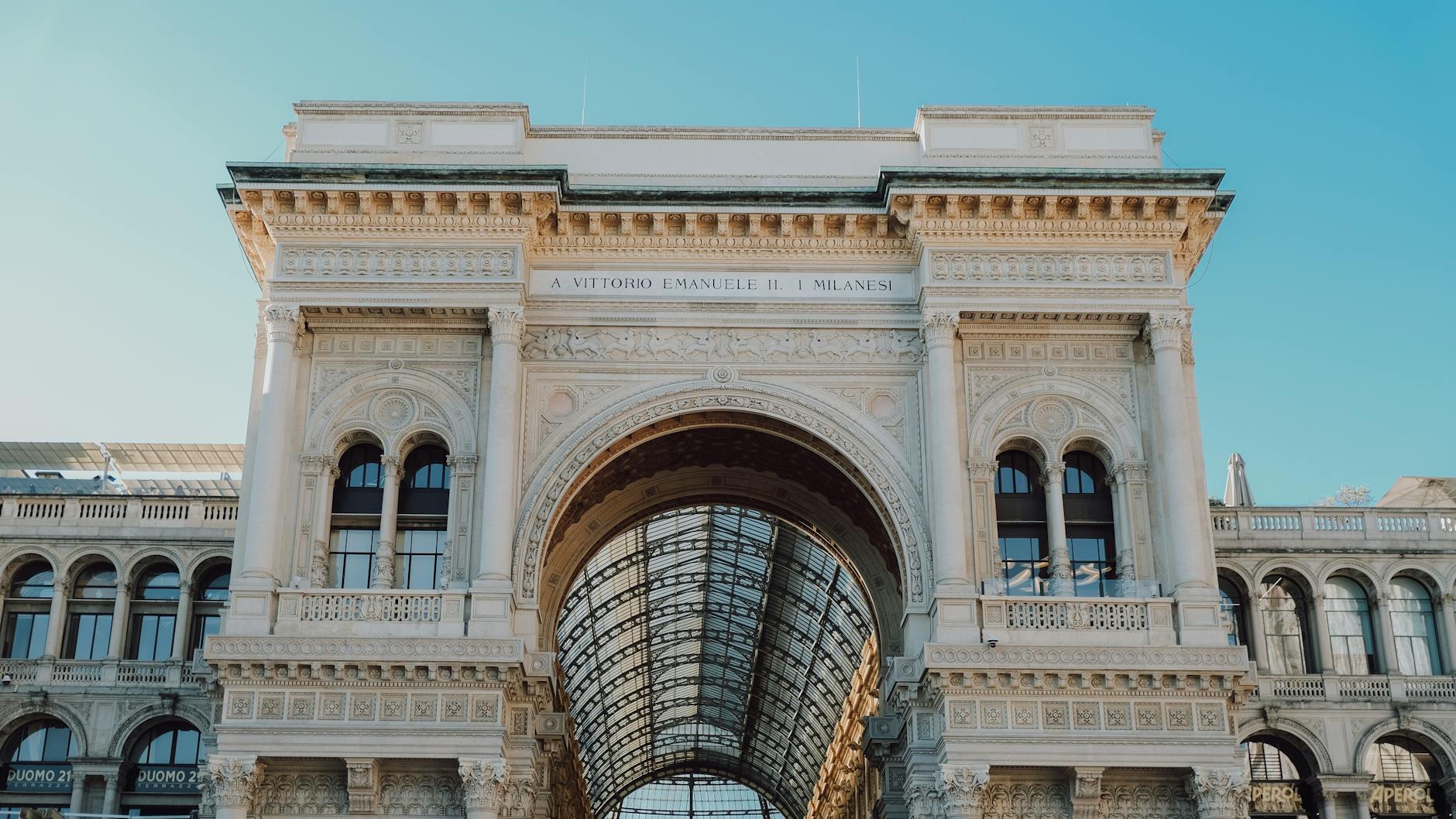
Milan’s historic centre is remarkably compact and walkable. The main attractions — Duomo, Galleria, La Scala, Brera, Castello Sforzesco — are all within a 20-minute walk of each other. Walking is often the best way to discover Milan’s hidden courtyards, street art, and architectural details that you’d miss on public transport.
Key walking distances from the Duomo: Castello Sforzesco (15 minutes), Brera (10 minutes), Quadrilatero della Moda (5 minutes), Colonne di San Lorenzo (15 minutes), Navigli (25 minutes or take tram 15). Wear comfortable shoes — Milan’s cobblestone streets and marble pavements can be unforgiving on thin soles. For a complete guide to what you’ll discover on foot, see our things to do and attractions guides.
Driving and Car Rental
Driving in Milan is generally not recommended for tourists. The city centre falls within Area C — a congestion charge zone active Monday-Friday (7:30 AM – 7:30 PM) that costs €5 per day for non-residents. Milan also has a Low Emission Zone (Area B) covering most of the city, restricting older, more polluting vehicles. Parking is expensive (€2-5/hour on-street, €20-40/day in garages) and scarce in the centre.
If you do need a car — for day trips to Lake Como, the Franciacorta wine region, or the Dolomites — rent from one of the agencies at Centrale station or the airports. Major companies include Europcar, Hertz, Avis, and Sixt. Italian motorways (autostrade) use an electronic toll system; most rental cars come equipped with a Telepass device.
Transport Tips for Visitors
Download the ATM Milano app before arriving — it’s essential for buying tickets, checking metro maps, and tracking real-time arrivals. Contactless cards work at most metro gates; the system automatically calculates the best daily fare. Validate your ticket every time — plain-clothes inspectors regularly check, and fines start at €50. Avoid rush hour (7:30-9:30 AM, 5:30-7:30 PM) on metro Lines 1 and 2 if possible — they get extremely crowded. Keep belongings secure on crowded metro carriages, especially Lines 1 and 3 through central stations. For complete safety guidance, see our travel tips.
Milan’s transport network makes it one of Italy’s easiest cities to navigate. Whether you prefer the speed of the metro, the charm of a vintage tram ride, or the freedom of cycling along the Navigli canals, you’ll find a transport option that suits your pace and budget. For planning your daily routes, pair this guide with our Milan itineraries for optimised day-by-day plans.