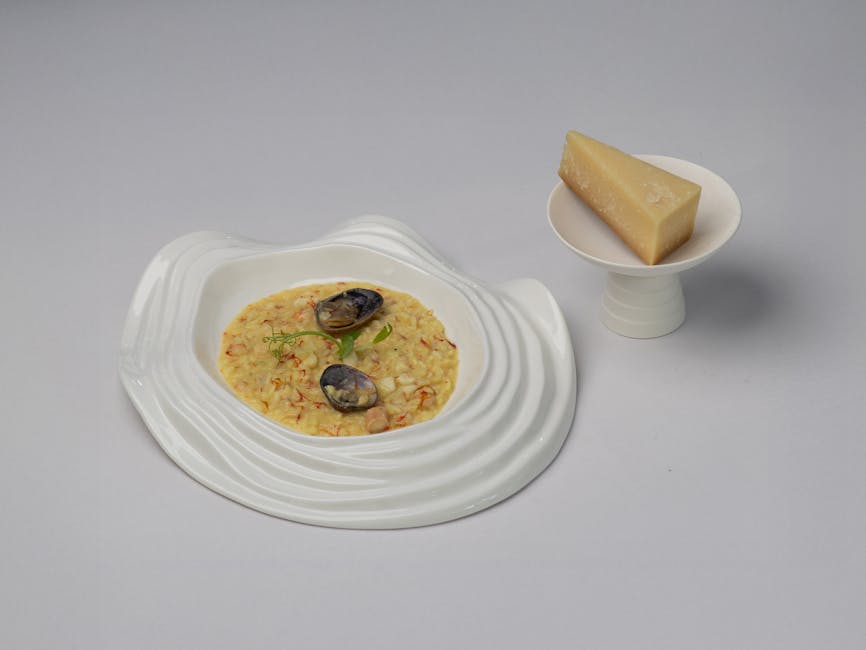
While Rome steals the spotlight and Florence treasures its Renaissance art, Milan quietly dominates Italy’s food scene as its most innovative and diverse culinary capital. Often overlooked by visitors who rush through on their way to Lake Como, Milan’s gastronomic culture deserves far more attention. From the lavish risotto alla Milanese with its whispered saffron magic to the streets lined with aperitivo bars where locals linger over Campari and conversation, Milan food represents the best of Italian tradition meeting cosmopolitan creativity.
This comprehensive Milan food guide covers everything you need to eat like a true Milanese—from hidden osterie in the Navigli to world-class Michelin-starred kitchens, street food legends to coffee culture nuances. Whether you have two days or two weeks in Milan, whether your budget is €5 or €500 per meal, you’ll find authentic experiences and insider knowledge here.
What makes Milan’s food scene special isn’t just the dishes themselves, but the philosophy behind them: respect for ingredients, fusion of tradition and innovation, and a social dining culture that brings strangers together. By the end of this Milan food guide, you’ll understand why locals call their city the gastronomic heart of Italy.

Traditional Milanese Dishes You Must Try
This Milan food guide begins with tradition. Every iconic Milanese dish tells a story of resourcefulness, royal patronage, or simple seasonal ingredients elevated to art. These aren’t newfangled fusion experiments—they’re centuries-old classics that defined the city’s identity.
Risotto alla Milanese – The Gold of Milan
The most famous Milan food dish, risotto alla Milanese, gets its stunning golden color from saffron—not turmeric or food coloring. The legend: a medieval craftsman working on the Milan Duomo’s stained glass accidentally dropped saffron into molten glass, inspiring this rice masterpiece. Each grain of Carnaroli rice cooks slowly in beef broth, absorbing saffron, bone marrow, butter, and Parmesan into silky perfection.
The “risotto test” separates competent cooks from artisans. A proper risotto alla Milanese must flow on the plate like lava—creamy but not mushy, al dente but never chalky. The saffron flavor should be elegant, not medicinal. Order this at any respected Milanese restaurant; if it’s gluey or tastes artificial, find somewhere else.
Best places: Traditional Milanese Food | Any family-run osteria in Brera or Isola
Cotoletta alla Milanese – The Golden Schnitzel Debate
A Milan food staple: thin veal cutlet pounded paper-thin, breaded, and fried golden in butter until crispy outside, tender inside. The Milanese insist they invented it. The Austrians claim the Schnitzel. Both cook them beautifully, but Cotoletta alla Milanese serves alongside ossobuco and uses bone marrow in the sauce—a distinctly Milanese touch that elevates the dish from simple to sublime.
The key: butter (not oil), a bone-in cutlet, and extreme brevity—just 2-3 minutes per side. It should arrive sizzling, still humid within, with a shatteringly crisp crust. A squeeze of lemon and you’re in heaven. A proper Milan food restaurant’s cotoletta should cost €18-28 and be impossible to finish entirely, though you’ll try.
Ossobuco – Braised Veal Shanks Perfection
Ossobuco (literally “bone with hole”) represents Milan food at its most rustic and rewarding. Braised veal shank shanks stew low and slow for hours in white wine, tomato, and vegetables until the meat practically falls from the bone. The marrow inside the bone is the prize—rich, buttery, impossible to resist.
Traditionalists serve ossobuco with gremolata (minced parsley, garlic, and lemon zest) and risotto alla Milanese. The acids brighten the rich meat; the rice absorbs the savory braising liquid into pure comfort. This is winter food, soul food, the kind of Milan food that makes homesickness irrelevant because nowhere else compares.
Other Essential Milanese Dishes
Cassoeula: Winter stew of pork and cabbage, sometimes with pig’s feet and tail. Peasant food elevated to art—earthy, warming, deeply flavorful. A true Milan food dish from working-class neighborhoods.
Mondeghili: Milanese meatballs, traditionally made from leftover meats (nose-to-tail eating before it was trendy). Fried, served in broth or with tomato sauce. Comfort food that tastes like Milan itself.
Panettone: Christmas cake with dried fruit and raisins, but in Milan, you eat it year-round. The best bakeries (Marchesi, Cova) produce such magnificent versions that tourists often buy them to take home. A Milan food tradition spanning centuries.
Minestrone alla Milanese: Vegetable soup thickened with rice instead of pasta. Simple, seasonal, the kind of Milan food recipe that changes with what’s available. Generous, warming, fundamentally unpretentious.
Michetta: Milan’s signature bread—a hollow roll with crackling crust and airy interior, perfect for sandwiches. You’ll see it everywhere in the Milan food markets and bakeries.
Milan’s Aperitivo Culture – The Social Ritual
Understanding Milan food culture means understanding aperitivo—the sacred 6-8pm ritual where work ends, social life begins, and the city transforms into one giant party. It’s not just a drink; it’s a philosophy, a social institution, the beating heart of how Milanese actually live.
Born in Turin (Campari was invented there), aperitivo migrated to Milan and became its own thing. You order a drink—Campari & soda, Spritz, Negroni, beer, wine—for €8-12, and boom: unlimited access to an entire buffet. Bruschetta, focaccia, olives, cheese, cured meats, sometimes warm dishes. It’s breakfast for dinner, lunch for evening, a complete meal if you’re strategic. Locals call it “aperitivo cena” (aperitivo dinner) and it’s an art form.
The Milan food guide’s best-kept secret: aperitivo is the most efficient way to eat well, cheaply, and socially. Arrive 6-6:30pm to stake your spot, load your plate strategically (first plate: cheeses and cured meats; second: vegetables and focaccia), and sip slowly while chatting with strangers. By 7:30pm, diehards remain; by 8pm, the restaurant transitions to dinner service.
Best neighborhoods for aperitivo in this Milan food guide:
Navigli: Canal-side elegance, bohemian crowd, most photogenic aperitivos. Lined with restaurants, bars, galleries. Gets packed but worth the chaos.
Brera: Upscale aperitivos with art gallery ambiance. Expensive drinks but premium food. Less crowded than Navigli, more sophisticated.
Porta Nuova: Modern Milan food scene. Trendy bars, young crowd, excellent buffets. More international vibe.
Isola: Hipster aperitivos, craft cocktails, local crowd. Less touristy, genuine Milan vibe. The area is undergoing rapid gentrification with fantastic new restaurants opening monthly.
Etiquette: Order first, eat second. Don’t abuse the buffet—load strategically, not catastrophically. Strike up conversations. This is how Milanese socialize. Stay 45 minutes to two hours. Pay and leave; don’t monopolize tables when the bar is packed.
Best Neighborhoods for Eating in Milan
As any Milan food guide will tell you, food geography matters enormously. Different neighborhoods offer entirely different cuisines, price points, and atmospheres. This Milan food guide breaks down where to eat by neighborhood.
Navigli – The Canal Quarter
Milan’s most picturesque dining district, where Renaissance canals lined with restaurants, galleries, and bohemian energy create the city’s most romantic atmosphere. Navigli epitomizes Milan food at its social finest—aperitivo hub, late-night restaurant scene, Sunday farmers markets. Expect crowds, higher prices (€15-25 mains), but unforgettable people-watching. Perfect for first-time visitors seeking the Milan food Instagram moment.
Brera – Upscale Tradition
Milan’s most prestigious neighborhood for traditional food. Pinacoteca (art museum) visitors blend with locals at wine bars, upscale trattorias, and Michelin-star restaurants. Milan food culture here respects tradition while maintaining contemporary sophistication. Prices higher (€20-35 mains), crowd more refined, service more formal. The Milan food choice for special occasions.
Chinatown (Porta Venezia) – Budget Heaven
Via Paolo Sarpi is Milan’s best-kept secret for budget Milan food. Packed with authentic Asian restaurants—Chinese dim sum, Vietnamese pho, Thai street food—at unbeatable prices (€6-12 mains). Not traditional Milanese, but if your food budget is tight and you want quality, this is your neighborhood. Lunch dim sum is especially cheap. The Milan food guide’s best value recommendation.
Isola – The Trendy New Scene
Once industrial, now the hippest Milan food neighborhood. Neo-trattorias, craft cocktails, experimental cuisine, design-conscious interiors. This is Milan food for younger travelers and food adventurers. Prices moderate (€15-25 mains), atmosphere energetic, new restaurants constantly opening. The Milan food neighborhood that feels like Milan’s actual future.
Duomo Area – Tourist Traps & Hidden Gems
Avoid most restaurants within view of the cathedral—tourist trap prices, mediocre food. But hidden within are legends. Luini for panzerotti (more below), tiny traditional osterie down side streets, proper Milan food if you know where to look. Research specific recommendations; don’t eat based on proximity to Duomo.
Street Food in Milan – Quick, Cheap, Authentic
If aperitivo is the social pillar of any Milan food guide, street food is its democratic heart. Some of Italy’s greatest street food happens in Milan—quick, affordable, genuine, consumed standing up or walking to the next destination.
Panzerotti – The Milan Food Legend
Luini, Piazza del Duomo is Milan food royalty. Since 1949, this tiny stand has fried panzerotti—half-moon pastries filled with mozzarella and tomato, sealed tight, fried until golden and crispy outside with molten cheese inside. Cost: €3-5. Queue: always long. Worth it: absolutely. This is the Milan food experience every visitor should have. Go mid-afternoon when you’re hungry but not famished, grab 2-3 panzerotti, and eat standing in the piazza. Pure bliss.
Pro tip: Ask for a toothpick if the panzerotti is scalding (they will be). Eat over a napkin. Don’t be precious. This is how Milanese eat—fast, good, affordable.
Pizza al Taglio – By the Slice
Every neighborhood has pizzerias serving pizza by the slice—crispy, thin crust, quality toppings, €2-4 per slice. Look for busy spots where locals queue. A Milan food meal might be three different slices from three different places, each representing a different style. Fast, cheap, satisfying.
Other Milan Street Food
Arancini: Sicilian fried rice balls, available everywhere. Golden, crispy, filled with ragù and cheese. €2-3.
Focaccia: Flatbread with olive oil, salt, herbs. Simple perfection. €2-4 per portion.
Piadina: Soft Italian flatbread filled with cheese, meats, vegetables. Street food done right. €4-6.
Find these at bakeries, pizza shops, food stalls in markets, and dedicated street food spots. This Milan food category represents how locals actually eat most of the time—quickly, affordably, deliciously.
Milan’s Coffee Culture – More Than Caffeine
Italians invented coffee culture, and Milan perfected it. Understanding how Milanese drink coffee is understanding Milan food philosophy itself: fast, high-quality, ritualistic, social. Walk into an Italian bar at 8am, and you’re immersed in a symphony of espresso machines, rapid-fire Italian, and coffee consumed in two minutes standing at the counter. This is Milan food before breakfast.
The Bar Culture – Stand, Pay, Drink, Leave
Rules of the Milan food café: You don’t sit unless you plan to stay. You pay at the register first (€1-2 for espresso), hand the receipt to the barista, they make your drink, you drink standing at the counter in 2-3 minutes, you leave. It’s efficient, social, ritualistic. Sit at a table and pay 3x more. The bar counter is where real Milan food coffee happens.
Timing matters: Cappuccino before 11am. After 11am, order espresso or macchiato. It’s not a rule enforced by Milan food police, but it’s how locals do it—milk in coffee before lunch feels wrong to Italian sensibilities. After 11am, milk would interfere with digestion.
Coffee Types in Milan Food Culture
Espresso: Single shot, 1 ounce, intense. The foundation of all Milan food coffee. Order as “caffè” or “espresso.”
Cappuccino: Espresso with steamed milk and foam. Morning only. Should be 1:1:1 ratio (espresso:steamed milk:foam). Good cappuccino tastes like coffee, not milk.
Macchiato: Espresso “marked” (macchiato means marked) with a touch of milk. Not the massive Starbucks macchiato—tiny, potent, Milan food refined.
Caffè Corretto: Espresso “corrected” with grappa (brandy). Morning ritual for some, afternoon pick-me-up for others. Milan food workers’ fuel.
Caffè Shakerato: Cold espresso shaken with ice and sugar, served in a martini glass. Summer Milan food coffee, refreshing, smooth.
Notable Cafés
Marchesi 1824: Historic Milan food institution, coffee and pastries, beautiful interiors, prices reflect prestige (€3-5 for coffee). Worth visiting for the experience.
Starbucks Reserve Roastery (Milano Sforzesco): If you must have Starbucks, the Milan location is theater—floor-to-ceiling windows, visible roasting, Michelin-trained baristas. Still Starbucks, but glamorous Milan food version.
Orsonero: Specialty coffee bar, single-origin espressos, flat whites, cappuccinos done right. Milan food for coffee geeks. Higher prices (€4-6) but worth it if you appreciate exceptional coffee.
For your Milan food morning, find a local bar (caffetteria), order “un caffè” (an espresso), drink it at the counter, observe the ritual, and feel like a Milanese for 90 seconds.
Food Markets Worth Visiting
This section of our Milan food guide highlights markets that offer the freshest ingredients, lowest prices, and most authentic local interaction. Skip supermarkets; find the markets.
Mercato Centrale Milano
Located inside Stazione Centrale (Central Train Station), this is Milan food democracy. 29 vendors, everything from fresh pasta to roasted chickens, regional cheeses to local wines. Packed at lunch with workers, tourists, and commuters. Buy prepared food for lunch—sandwiches, roasted vegetables, fresh mozzarella. Prices €5-12 per item. The Milan food experience distilled into one market.
Mercato Comunale Isola
Isola neighborhood’s neighborhood market, plastic-free mission, focus on local and organic. Smaller, less touristy than Centrale. Great for fresh produce, local farmers, genuine Milan food community. Morning shopping experience, closed afternoons.
Porta Romana Farmers Market
Tuesday and Thursday mornings, Porta Romana piazza transforms into farmers market. Seasonal produce, local cheese, meats, flowers. Less touristy, genuine Milan food sourcing. Morning only (before 2pm).
Navigli Agricultural Market
Saturday mornings, Navigli hosts agricultural market. Produce, cheese, honey, prepared foods. Small but authentic. The Milan food market for Navigli neighborhood residents and visitors seeking local goods.
Fiera di Sinigaglia – Flea Market with Food
Saturday morning flea market in Navigli quarter. Antiques, vintage clothes, housewares, and scattered food vendors. Milan food treasure hunting—you’ll find regional specialties, vintage kitchen tools, local wines. Chaotic, fun, genuinely Milan.
Market shopping is the Milan food guide’s budget hack. €20 buys you an incredible picnic: fresh bread, cheese, salumi, wine, fruit. Eat in parks or by canals. This is how locals eat.
Michelin-Star Dining in Milan
Milan boasts 20 Michelin-starred restaurants (2026 Guide), more than any Italian city except Bologna and Rome. This Milan food guide covers the elite tier for those seeking exceptional dining.
Three-Star Excellence
Enrico Bartolini al Mudec (3 stars): Located inside the Mudec design museum, Enrico Bartolini’s flagship represents peak Italian innovation. Seasonal tasting menus (€195-250), impeccable technique, creative interpretation of Italian tradition. This is Milan food at its most ambitious. Reserve weeks in advance; jackets required.
Two-Star Excellence
Seta (2 stars): Inside Mandarin Oriental Milano, Seta focuses on tradition-based excellence. Tasting menus €170-200. Elegant, refined, less experimental than Bartolini but no less impressive. The Milan food choice if you prefer classic technique over wild innovation.
Andrea Aprea (2 stars): Modern Italian in intimate setting, creative menus with personality. €150-180 tasting menus. More approachable than three-stars but maintaining exceptional standards. Milan food culture at its refined best.
Notable One-Star Restaurants
Cracco: Carlo Cracco’s signature restaurant, modern Italian, excellent technique. Tasting menu around €120. Accessible Milan food excellence.
Berton: Daniele Berton’s temple to modern Italian cuisine. Innovative, playful, technically brilliant. €100-140 tasting menus. The Milan food choice for younger, adventurous diners.
IYO: Japanese-Italian fusion by chef Moriyasu Nakatani. Incredibly creative, Michelin-recognized excellence. €120-150. Milan food breaking traditional boundaries.
Horto: Contemporary Italian in Brera, seasonal focus, creative plating. €100-130. Milan food for those wanting innovation without pretension.
Michelin Milan Food Strategies
Lunch vs. Dinner: Lunch menus significantly cheaper—sometimes €50-70 for tasting menus that cost €150+ at dinner. If Michelin Milan food appeals but budget is tight, book lunch instead.
Book in advance: Popular restaurants fill weeks ahead. Use TheFork app (Italian restaurant reservation platform) or call directly.
Dress code: Three and two-star require elegant dress (no sneakers, athletic wear, or t-shirts). Smart casual acceptable for one-stars.
Duration: Tasting menus run 3-4 hours. Plan accordingly. This is Milan food as experience and ceremony, not quick meal.
For more details on Milan’s starred restaurants, visit the Michelin Guide.
Budget Eating Tips – Maximize Flavor on Limited Budget
Our Milan food guide proves the city doesn’t require €500 dinners. Smart eating can cost €5-15 daily and be delicious.
Aperitivo as Dinner – The Budget Hack
Order one €8-12 drink, access unlimited buffet, eat dinner for €10-15 total. Arrive 6-6:30pm, load plate strategically, sip slowly, leave happy. Most budget-efficient Milan food strategy.
Pranzo Menus – Business Lunch Deals
Lunch “pranzo” menus are incredibly cheap—€10-20 for 2-3 courses at restaurants that charge €25+ at dinner. Same kitchen, same quality, lunch pricing. Many Michelin one-stars offer lunch menus at €35-50 (vs. €100+ dinner). Switch your heavy meal to lunch; lighter dinner.
Best Budget Neighborhoods
Chinatown (Porta Venezia): Via Paolo Sarpi’s Asian restaurants serve full meals for €6-10. Best budget Milan food available.
Città Studi: University neighborhood, student pricing, numerous cheap restaurants, casual atmosphere. €5-12 mains.
Side streets off Navigli: Main Navigli is pricey, but one block away, prices drop 30%. Same neighborhood, better value.
Avoid Tourist Traps
Duomo area: Most restaurants within sight of the cathedral are tourist traps. €20+ for mediocre pasta. Avoid. Go 2-3 blocks away instead.
Piazza della Scala: Beautiful but expensive and touristy. Skip for Milan food that tastes better.
English menus with pictures: Automatic red flag. Locals eat where menus are Italian-only. Trust the crowds.
Other Budget Tips
Coperto (cover charge): Many restaurants charge €2-5 per person for bread and table setup. It’s not a tip; it’s mandatory. Avoid places with excessive coperto.
Tipping: Not expected in Italy. 5-10% is generous if service was exceptional. No pressure.
Market shopping: Buy cheese, salumi, bread, fruit from markets. Build picnics. €15-20 feeds two people excellently. Eat in parks or by canals. This is peak Milan food economy.
Water: Order “acqua del rubinetto” (tap water) instead of bottled. Free. Saves €3-5 per person per meal.
Wine by glass: Restaurants offer excellent wines by the glass (€4-8). Better than bottled if you’re solo or drinking limited amounts.
Dietary Considerations & Allergen Awareness
This Milan food guide includes everyone. Modern Milan accommodates various diets better than most Italian cities.
Vegan & Vegetarian Options
Traditional Milanese cuisine is meat-heavy, but modern restaurants increasingly offer vegetarian and vegan options. Vegan and vegetarian restaurants in Milan are growing, especially in Isola and Brera. Minestrone alla Milanese (vegetable soup), vegetable risottos, and pasta are naturally vegetarian. Many restaurants will modify dishes if asked.
Gluten-Free (Senza Glutine)
Italy has exceptional gluten-free awareness and widely available gluten-free pasta, bread, and options. Restaurants understand “senza glutine” (without gluten). Celiac disease is taken seriously; cross-contamination concerns are respected. Even small osterie usually have gluten-free pasta available. This Milan food guide recommends gluten-free travelers won’t struggle.
Halal & Religious Considerations
Muslim-friendly restaurants concentrated in Porta Venezia and Chinatown. Halal meat available at markets and specialized shops. Pork-free dishes easily requested and respected. Milan food culture is cosmopolitan and accommodating to various religious dietary requirements.
Useful Italian Food Phrases for Allergies
“Ho un’allergia a…” (I have an allergy to…)
“Non posso mangiare…” (I cannot eat…)
“Senza…” (Without…)
“Contaminazione?” (Cross-contamination?) – important for celiac travelers
“Ingredienti?” (Ingredients?)
Staff appreciate effort to communicate in Italian. Allergies taken seriously; Milan food restaurants won’t serve you dishes they’re unsure about.
Food Tours – Worth It or Skip?
Tours featured in this Milan food guide range from €75-120 for 3-4 hour experiences. Worth considering if you’re first-time visiting, have limited time, or want expert insider knowledge. Skip if you prefer independence and exploration.
When Food Tours Make Sense
First visit to Milan: Tours orient you to neighborhoods and food culture faster than solo exploration.
Limited time: If you have 2 days, tours maximize Milan food experiences efficiently.
Solo travelers: Tours provide social interaction and built-in companions. Common in travel communities.
Specific interest: Tours focusing on aperitivo culture, street food, or Michelin dining offer expert perspective.
What to Look For
Small groups: 6-12 people max. Larger groups feel rushed and inauthentic.
Local guides: Choose guides who actually live in Milan, not imported “food tour people.”
Quality restaurants: Good tours include meals at real Milan food destinations, not tourist shops.
Timing flexibility: Tours should allow some free exploration within neighborhoods. Not military marching between stops.
Typical tour covers one neighborhood (usually Navigli or Brera), includes 3-4 food stops, lasts 3-4 hours, costs €80-120 per person including food. Worth the investment if it aligns with your travel style.
For more information on guided experiences, check Yes Milano.
Your Milan Food Adventure Awaits
As this Milan food guide has shown, the city’s food culture is Italy’s best-kept secret—more innovative than Rome, more down-to-earth than Florence, more authentic than Venice. From saffron-gold risotto to aperitivo aperitivos, from street food legends to Michelin temples, Milan food offers something for every traveler.
The secret to eating well in Milan: Explore beyond tourist areas. Trust the crowds. Ask locals. Arrive at aperitivo time. Visit markets. Embrace the coffee bar ritual. Respect tradition but remain curious about innovation.
Related guides to enhance your Milan experience: Things to Do in Milan | Where to Stay in Milan | Best Restaurants in Milan | Milan Aperitivo Guide
Dive into this Milan food guide’s recommendations. Taste Milanese tradition. Connect with locals over shared meals. Make food memories that last years after you leave Milan. The city’s culinary soul is waiting to welcome you.
Buon appetito!
Additional Resources:
Michelin Guide – Milan Restaurants |
Yes Milano – Local Insights |
Official Milan Tourism
Leave a Reply