Milan museums are among the finest in Europe, housing everything from Renaissance masterpieces and Leonardo da Vinci’s inventions to cutting-edge contemporary art and Italian design icons. While cities like Florence and Rome often steal the cultural spotlight, Milan quietly rivals them with world-class collections displayed in stunning settings — from converted monasteries and aristocratic palaces to repurposed industrial spaces and sleek modern galleries.
If Milan’s museum prices are wearing thin, one train ticket buys better value: the Brescia day trip has a €19 pass covering a Roman archaeological park and four museums.
This comprehensive guide covers the best museums in Milan, including practical details on tickets, opening hours, free entry days, and insider tips to help you plan the perfect cultural itinerary. Whether you have one day or one week, these museums will transform your understanding of Italy’s most dynamic city.
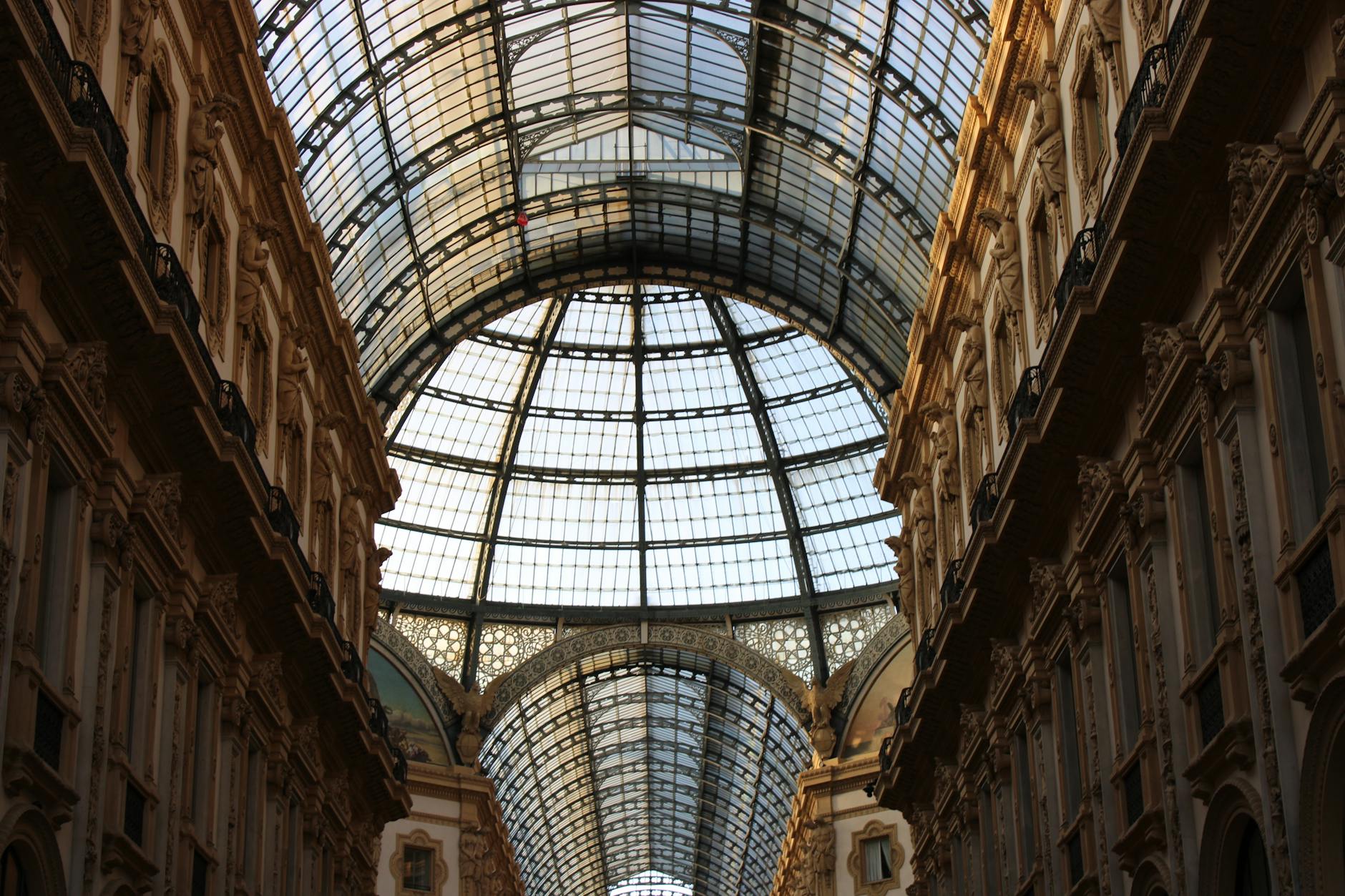
1. Pinacoteca di Brera
The Pinacoteca di Brera is Milan’s premier art gallery and one of Italy’s most important painting collections. Housed in the elegant 17th-century Palazzo Brera in the heart of the Brera district, the gallery spans 38 rooms showcasing masterpieces from the 14th to the 20th century, with particular strength in Italian Renaissance and Baroque works.
The collection’s highlights are truly world-class: Raphael’s luminous Marriage of the Virgin, Mantegna’s strikingly foreshortened Dead Christ, Caravaggio’s dramatic Supper at Emmaus, and Piero della Francesca’s serene Brera Madonna. Works by Bellini, Tintoretto, Veronese, and Hayez — whose The Kiss has become an icon of Italian Romanticism — round out a collection that rivals the Uffizi. The Palazzo Brera complex also includes the Braidense Library, an astronomical observatory, and a peaceful botanical garden.
Tickets: €15 adults, free for EU citizens under 18. Free on the first Sunday of each month. Hours: Tuesday–Sunday 8:30 AM–7:15 PM (Thursday until 10:15 PM). Closed Mondays. Tip: Thursday evening openings are significantly less crowded and offer a more intimate experience. Allow at least 2 hours. Visit pinacotecabrera.org for current exhibitions.
2. Museo del Novecento
The Museo del Novecento (Museum of the Twentieth Century) occupies the striking Palazzo dell’Arengario on Piazza del Duomo, offering both world-class modern art and spectacular views of the cathedral from its upper-floor windows. Opened in 2010, the museum houses over 4,000 works tracing the evolution of Italian art from the early 1900s through the contemporary era.
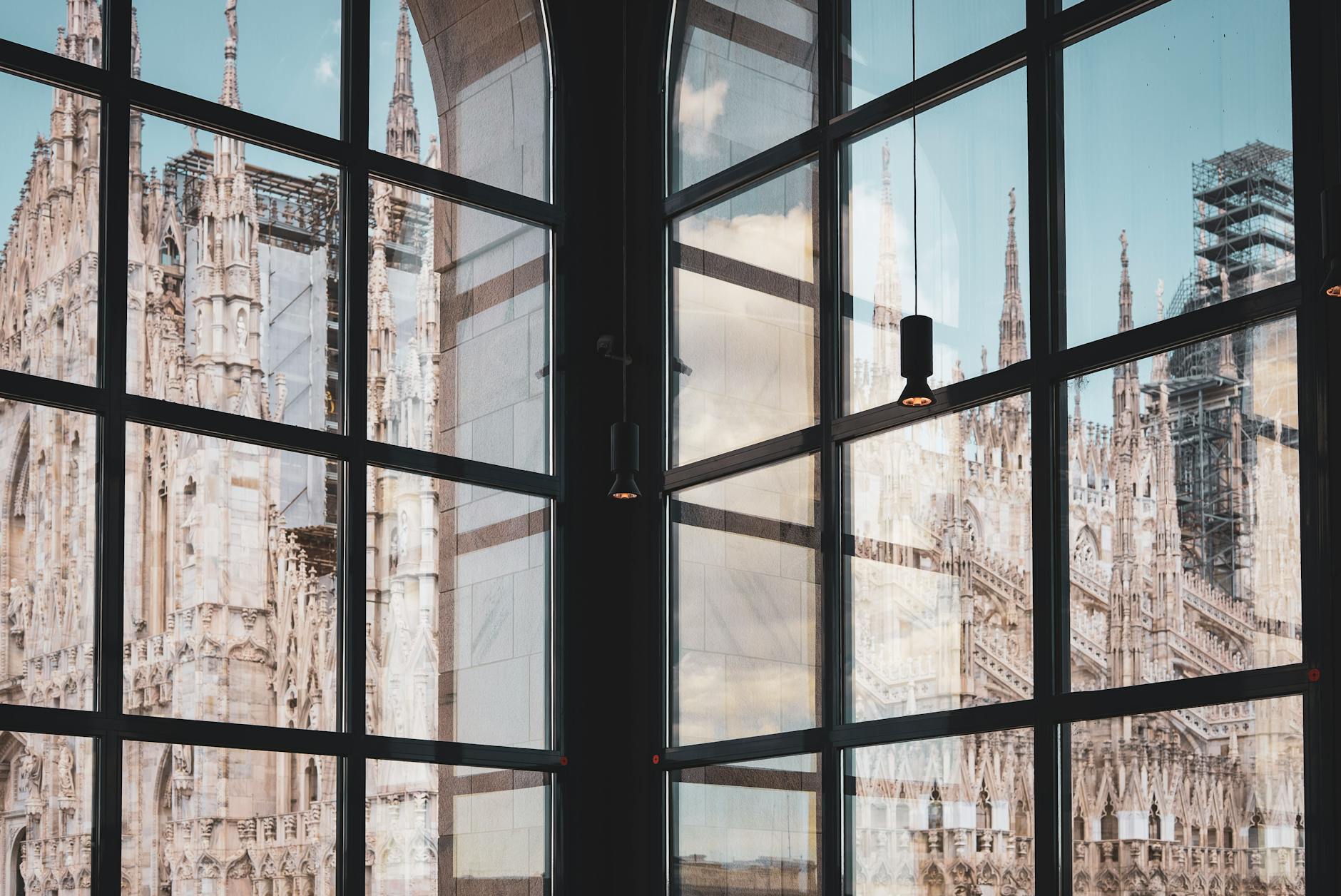
The collection is particularly strong in Italian Futurism — the revolutionary art movement born in Milan in 1909 — with major works by Boccioni, Carrà, Balla, and Severini. You’ll also find important pieces by De Chirico, Morandi, Fontana (including his iconic slashed canvases), and international artists like Picasso, Kandinsky, Klee, and Matisse. The museum’s spiral ramp design creates a chronological journey through a century of artistic innovation, culminating in panoramic views of the Duomo’s rooftop spires.
Tickets: €13.50 adults. Free on the first Sunday of each month. Hours: Tuesday–Sunday 9:30 AM–7:30 PM, Thursday until 10:30 PM. Closed Mondays. Tip: The museum’s location makes it an easy addition to a Duomo visit. The top-floor café offers one of the best views in Milan — grab a coffee even if you skip the galleries.
3. Leonardo da Vinci National Museum of Science and Technology
The Museo Nazionale della Scienza e della Tecnologia Leonardo da Vinci is the largest science and technology museum in Italy and one of the most significant in Europe. Housed in a former 16th-century Olivetan monastery, the museum spans over 50,000 square meters with more than 16,000 objects covering energy, materials, transport, communication, and space exploration.
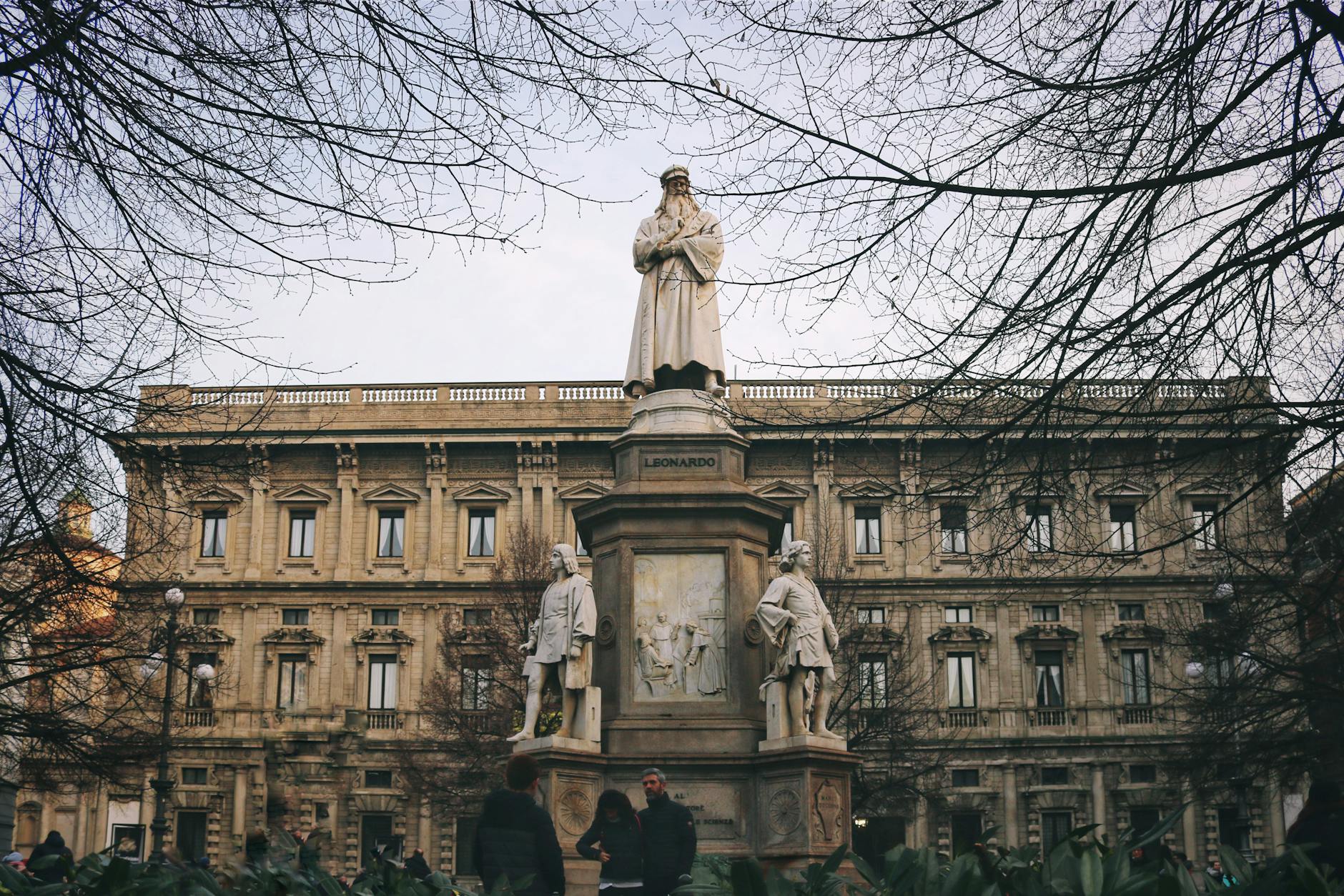
The museum’s crown jewel is its Leonardo da Vinci Gallery, displaying the world’s largest permanent collection of models built from Leonardo’s drawings and codices — including flying machines, hydraulic systems, and architectural designs. Other highlights include a full-size submarine (the Enrico Toti), a fragment of lunar rock from the Apollo missions, vintage steam locomotives, and interactive physics laboratories. The museum is particularly excellent for families, with dedicated hands-on workshops and activity areas for children of all ages.
Tickets: €13 adults, €8 reduced (ages 3–26, 65+). Submarine visits require separate booking (+€10). Hours: Tuesday–Friday 9:30 AM–5:00 PM, Saturday–Sunday 9:30 AM–6:30 PM. Closed Mondays. Tip: Allow at least 3 hours. The submarine tour sells out quickly — book online in advance at museoscienza.org.
4. Pinacoteca Ambrosiana
Founded in 1618 by Cardinal Federico Borromeo, the Pinacoteca Ambrosiana is one of Milan’s oldest art galleries and a treasure trove of Renaissance masterworks. The collection includes Botticelli’s Madonna of the Pavilion, Caravaggio’s Basket of Fruit, Raphael’s preparatory cartoon for The School of Athens, Titian’s Adoration of the Magi, and a fascinating Portrait of a Musician attributed to Leonardo da Vinci.
The Ambrosiana’s greatest treasure is the Codex Atlanticus — the largest collection of Leonardo da Vinci’s drawings and writings in existence, comprising 1,119 pages of scientific diagrams, inventions, and notes spanning his entire career. The adjoining Biblioteca Ambrosiana, one of Europe’s first public libraries, preserves a lock of Lucrezia Borgia’s hair and rare manuscripts dating to the 5th century. Don’t miss the recently reopened Cripta di San Sepolcro beneath the nearby piazza — an atmospheric 11th-century underground church.
Tickets: €15 adults. Hours: Tuesday–Sunday 10:00 AM–6:00 PM. Closed Mondays. Tip: The Ambrosiana is less crowded than the Brera, offering a more intimate experience with masterpieces. It’s located just 200 meters from the Duomo, making it easy to combine with a cathedral visit.
5. Fondazione Prada
The Fondazione Prada is Milan’s most exciting contemporary art venue, housed in a spectacularly converted former gin distillery in the Largo Isarco district. Designed by architect Rem Koolhaas and his firm OMA, the 19,000-square-meter complex seamlessly blends seven original industrial buildings with three striking new structures — including the gold-leaf-clad “Haunted House” tower — creating one of the most architecturally remarkable museum spaces in the world.
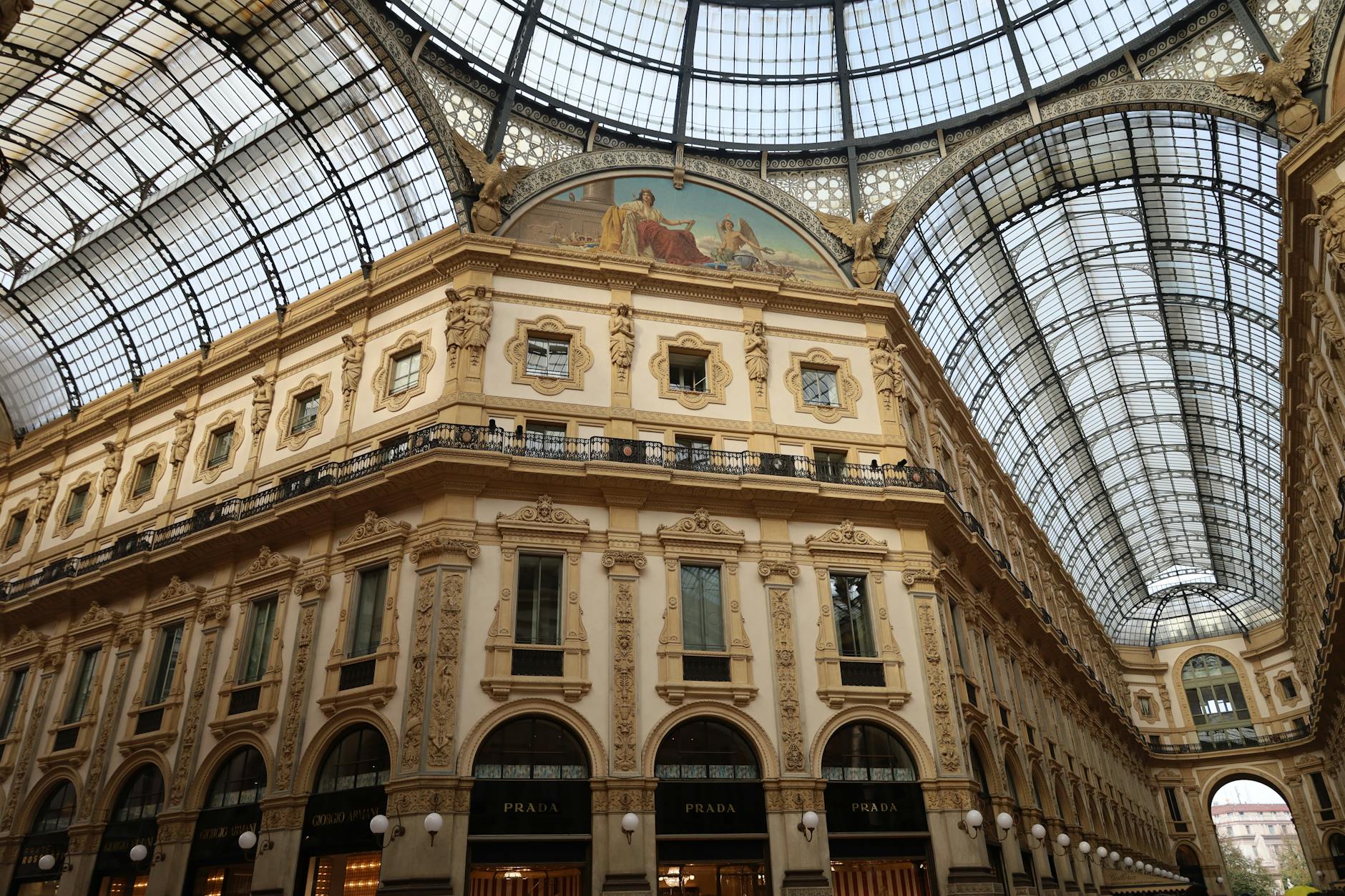
The foundation presents ambitious rotating exhibitions alongside a permanent collection that includes works by some of the most important contemporary artists working today. Past exhibitions have featured immersive installations by artists like Damien Hirst, Jeff Koons, and Carsten Höller. Don’t miss Bar Luce, the café designed by filmmaker Wes Anderson as a loving tribute to classic Milanese cafés, with its pastel-colored Formica tables, pinball machines, and retro aesthetic.
Tickets: €15 adults, €12 reduced. Hours: Wednesday–Monday 10:00 AM–7:00 PM (Friday–Sunday until 8:00 PM). Closed Tuesdays. Getting there: Tram 24 or a 10-minute walk from Lodi TIBB metro (M3). Tip: Bar Luce is free to enter even without a museum ticket and is worth visiting for the design alone.
6. Gallerie d’Italia – Piazza Scala
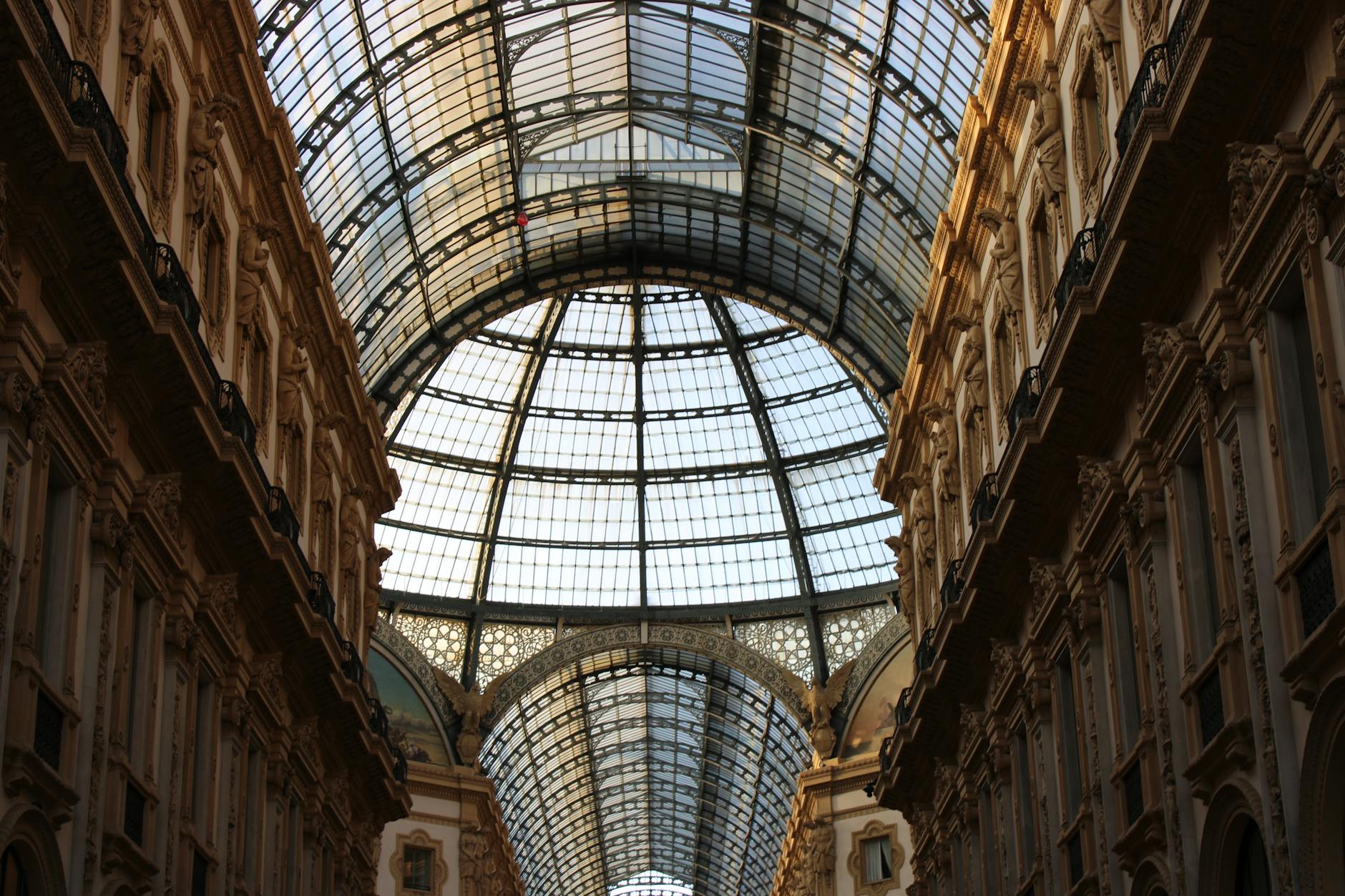
The Gallerie d’Italia occupies a magnificent complex of historic palaces on Piazza della Scala, directly opposite the famous opera house. This museum, managed by the Intesa Sanpaolo banking group, houses an exceptional collection of 19th and 20th-century Italian art, with particular emphasis on Lombard Neoclassicism, Romanticism, and the transition to modern art movements.
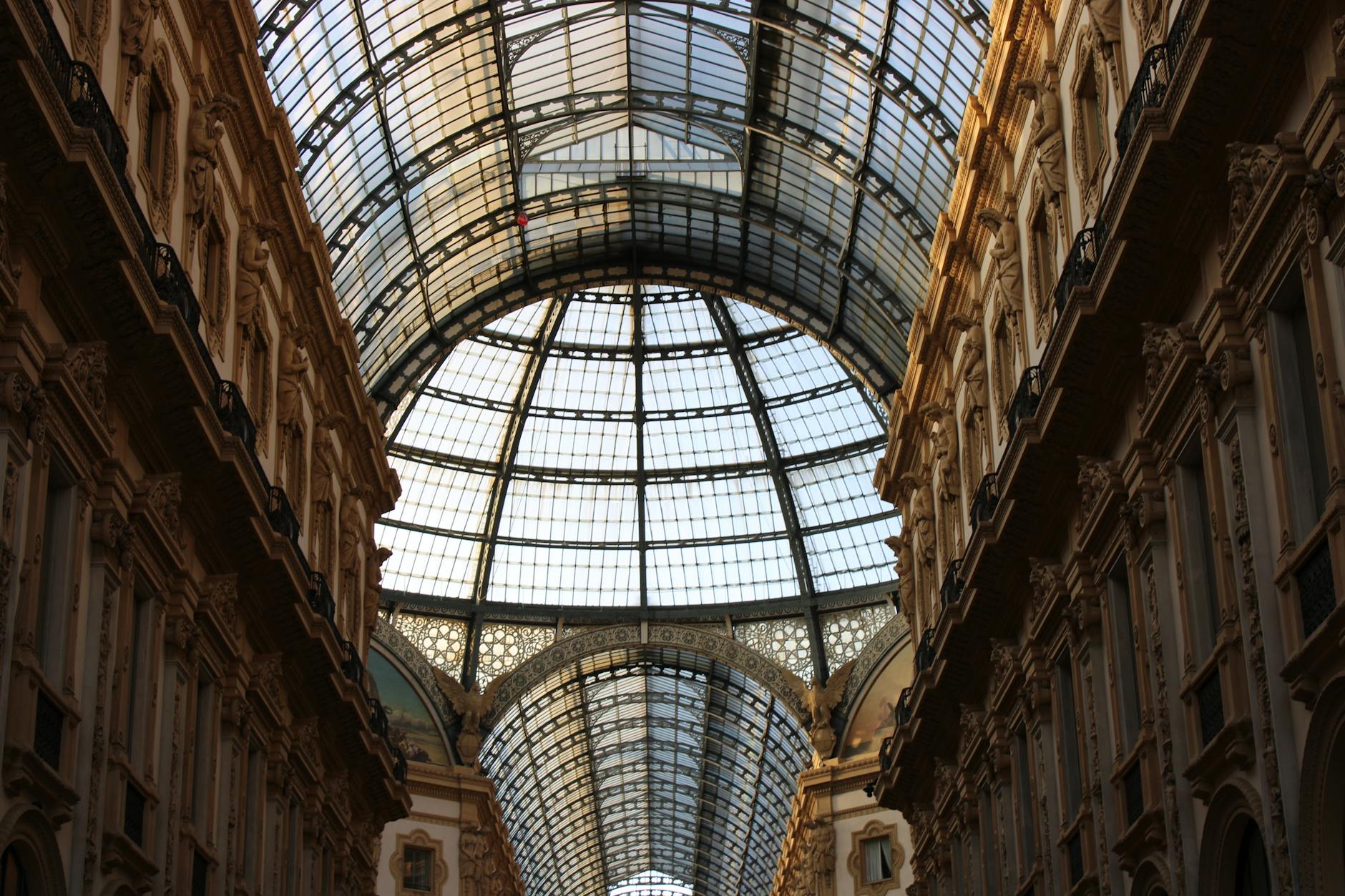
The collection features over 200 works spanning bas-reliefs by Antonio Canova, paintings by Francesco Hayez, and significant 20th-century pieces including works by Boccioni, Balla, and Morandi. The museum’s architectural setting is as impressive as the art itself — the ornate halls and grand staircases of the former Palazzo Anguissola and Palazzo Brentani create a stunning backdrop. Regular temporary exhibitions complement the permanent collection with international loan shows of exceptional quality.
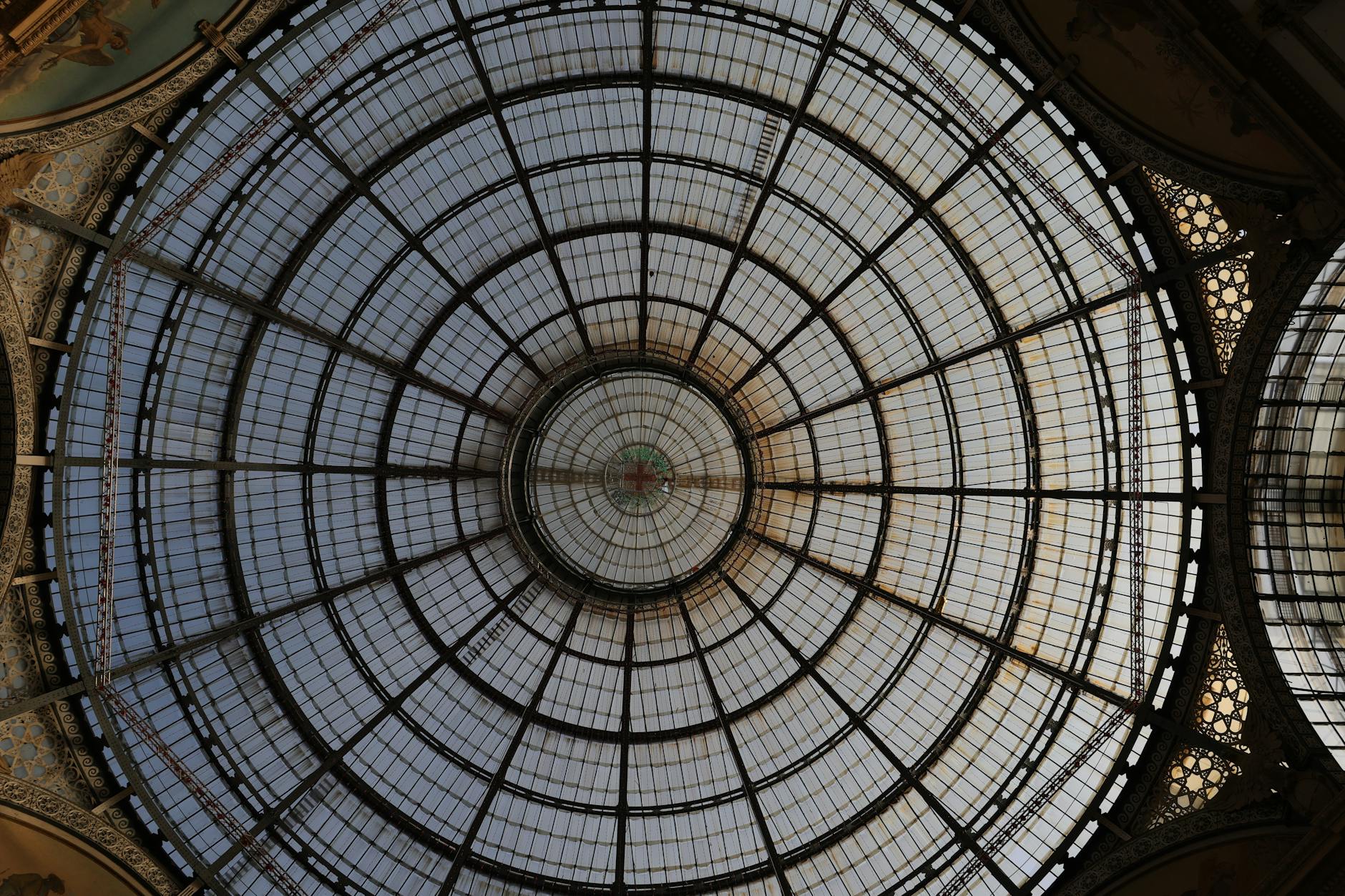
Tickets: €5 adults, €3 reduced (under 26, 65+). Hours: Tuesday–Sunday 9:30 AM–7:30 PM, Thursday until 10:30 PM. Closed Mondays. Tip: At just €5, this is one of Milan’s best museum bargains. The location makes it perfect to combine with a visit to La Scala and the Galleria Vittorio Emanuele II.
7. Castello Sforzesco Museums
The Castello Sforzesco is not just one of Milan’s most iconic landmarks — it’s a sprawling cultural complex housing several interconnected museums that together constitute one of Italy’s most important museum systems. The castle’s collection spans millennia of human creativity, from ancient Egyptian artifacts to Michelangelo’s final sculpture.
The Museum of Ancient Art contains Michelangelo’s unfinished Pietà Rondanini, his last work, displayed in a dedicated gallery. The Pinacoteca features paintings by Mantegna, Bellini, Correggio, and Canaletto. Leonardo da Vinci’s magnificent ceiling frescoes in the Sala delle Asse — depicting an intricate intertwining of trees and roots — were recently restored and revealed in their full glory. Additional museums include the Egyptian Museum, the Museum of Musical Instruments (with over 900 pieces), the Museum of Decorative Arts, and the Museum of Prehistory and Protohistory.
Tickets: Castle courtyards free; museums €5. Free on Tuesdays after 2:00 PM and the first and third Tuesday of each month. Hours: Museums Tuesday–Sunday 10:00 AM–5:30 PM. Closed Mondays. Tip: After 4:30 PM on any day, museum entry is free. Combine with a stroll through the adjacent Parco Sempione.
8. Triennale Milano
The Triennale Milano is Italy’s premier institution dedicated to design, architecture, fashion, and visual arts. Located in the Palazzo dell’Arte on the edge of Parco Sempione, this cultural center has been at the forefront of Italian design discourse since its founding in 1923, playing a crucial role in establishing Milan as the global capital of design.
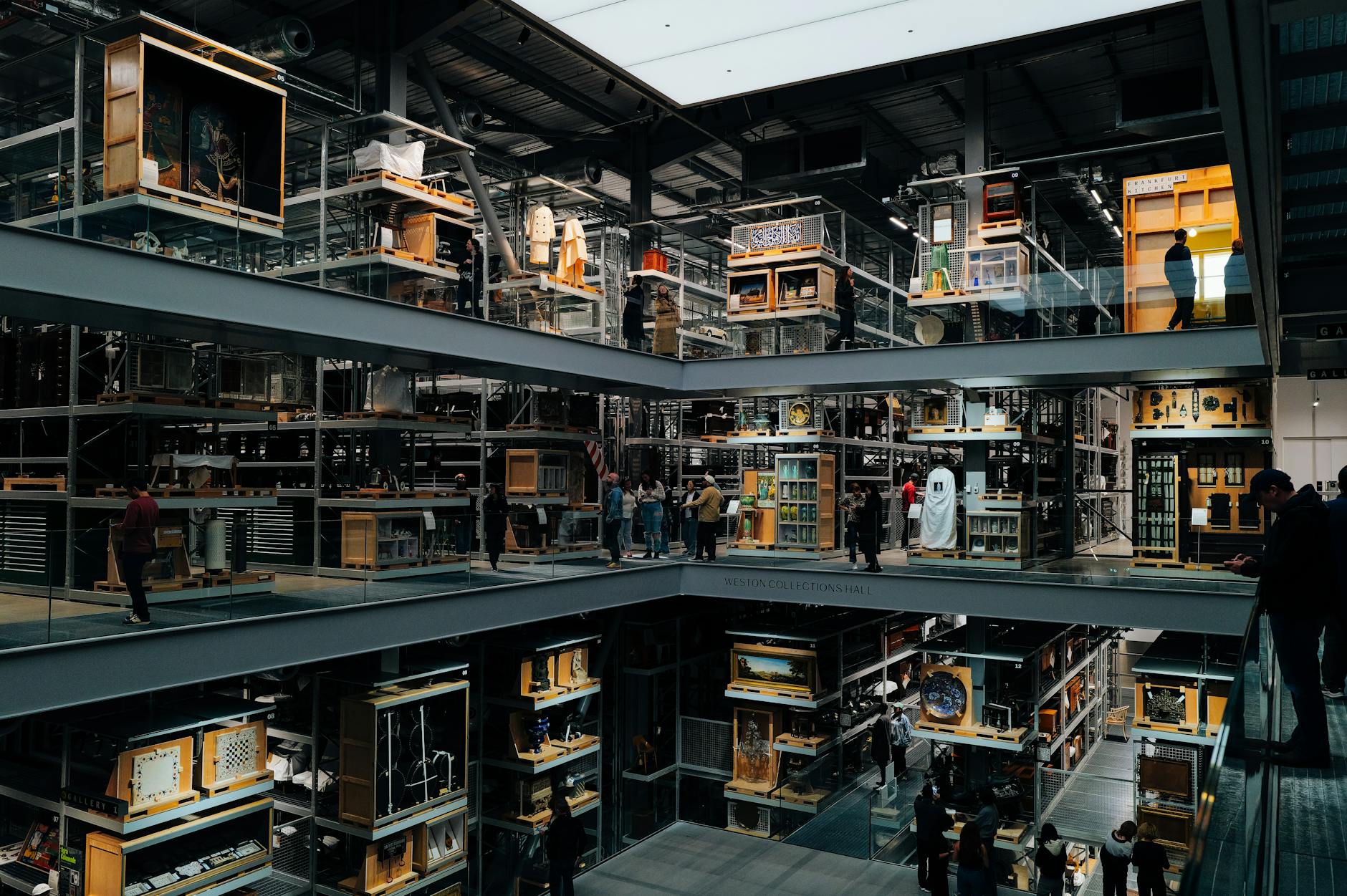
The Triennale hosts a constantly rotating program of exhibitions exploring the intersection of art, design, and society. The permanent Museo del Design Italiano traces the evolution of Italian design from the post-war economic miracle to the present day, featuring iconic objects by masters like Gio Ponti, Achille Castiglioni, and Ettore Sottsass. The building itself, designed by Giovanni Muzio in 1933, is a masterpiece of Italian Rationalism, and its rooftop terrace offers panoramic views over Parco Sempione to the castle.
Tickets: Varies by exhibition (typically €12–€15). Hours: Tuesday–Sunday 10:30 AM–8:00 PM. Closed Mondays. Tip: Check the website for current exhibitions before visiting, as the program changes frequently. The on-site café and bookshop are excellent. Visit triennale.org for the current schedule.
9. Armani/Silos
Fashion and design enthusiasts should not miss Armani/Silos, a four-floor museum housed in a beautifully renovated 1950s grain storage facility in the Tortona district. Opened in 2015 to celebrate 40 years of Giorgio Armani’s career, the museum displays nearly 1,000 garments and accessories spanning the designer’s entire body of work, organized thematically rather than chronologically across themes like “Stars,” “Color,” and “Light.”
The museum offers a fascinating look at how one of Italy’s most influential designers has shaped global fashion over four decades. The minimalist industrial space — with its exposed concrete and dramatic lighting — perfectly complements the clean lines and understated elegance of Armani’s designs. Temporary exhibitions on the ground floor explore broader themes in fashion, photography, and visual culture.
Tickets: €12 adults, €8.40 (under 26), €6 (students, 65+). Hours: Wednesday–Sunday 11:00 AM–7:00 PM. Closed Monday–Tuesday. Getting there: Near Porta Genova metro (M2). Tip: The nearby Armani/Bamboo Bar offers refreshments in a bamboo garden setting after your visit. Combine with exploring the Navigli district, a short walk away.
10. Museo Poldi Pezzoli
The Museo Poldi Pezzoli is one of Milan’s most charming house museums, located in an aristocratic residence just steps from Teatro alla Scala. Created from the private collection of nobleman Gian Giacomo Poldi Pezzoli (1822–1879), the museum presents an exquisite array of paintings, sculptures, arms and armor, textiles, jewelry, glassware, and decorative arts within rooms that preserve their original lavish decor.
The collection’s most celebrated work is Piero del Pollaiolo’s Portrait of a Young Woman, one of the most recognizable images in Italian art. Other highlights include paintings by Botticelli, Mantegna, Giovanni Bellini, and Cranach, alongside one of Europe’s finest collections of antique timepieces and an extraordinary collection of arms and armor. The intimate scale of the museum — you’re essentially walking through a connoisseur’s private home — creates an experience quite different from Milan’s larger institutions.
Tickets: €14 adults, or €25 for the Case Museo Card (covers 4 house museums). Hours: Wednesday–Monday 10:00 AM–6:00 PM. Closed Tuesdays. Tip: The Case Museo Card also includes Villa Necchi Campiglio, Museo Bagatti Valsecchi, and Casa Museo Boschi di Stefano — exceptional value for house museum lovers.
11. Pirelli HangarBicocca
Pirelli HangarBicocca is one of Europe’s largest exhibition spaces dedicated to contemporary art, occupying a converted industrial complex that once manufactured locomotives and, later, Pirelli tires. The raw industrial architecture — with its soaring ceilings and vast 11,000-square-meter exhibition halls — provides a dramatic setting for large-scale installations and ambitious exhibitions by internationally renowned artists.
The permanent installation, Anselm Kiefer’s The Seven Heavenly Palaces — seven concrete towers rising up to 18 meters high — is alone worth the trip. The foundation also presents a rotating program of free exhibitions by leading contemporary artists, often commissioning site-specific works that take full advantage of the space’s monumental scale. Past exhibitors include Lucio Fontana, Joan Jonas, and Cerith Wyn Evans.
Tickets: Free (all exhibitions). Hours: Thursday–Sunday 10:30 AM–8:30 PM. Closed Monday–Wednesday. Getting there: Metro M5 to Ponale, then a 5-minute walk. Tip: The free admission and spectacular scale make this a must-visit for contemporary art fans. Book a free guided tour on their website for deeper context.
12. Villa Necchi Campiglio
Villa Necchi Campiglio is a beautifully preserved 1930s Art Deco villa hidden in the Quadrilatero del Silenzio (Square of Silence), one of Milan’s most exclusive residential enclaves. Designed by architect Piero Portaluppi for the wealthy Necchi Campiglio family of industrialists, the villa was the first private residence in Milan to feature a swimming pool and was among the first to install an elevator and an intercom system.
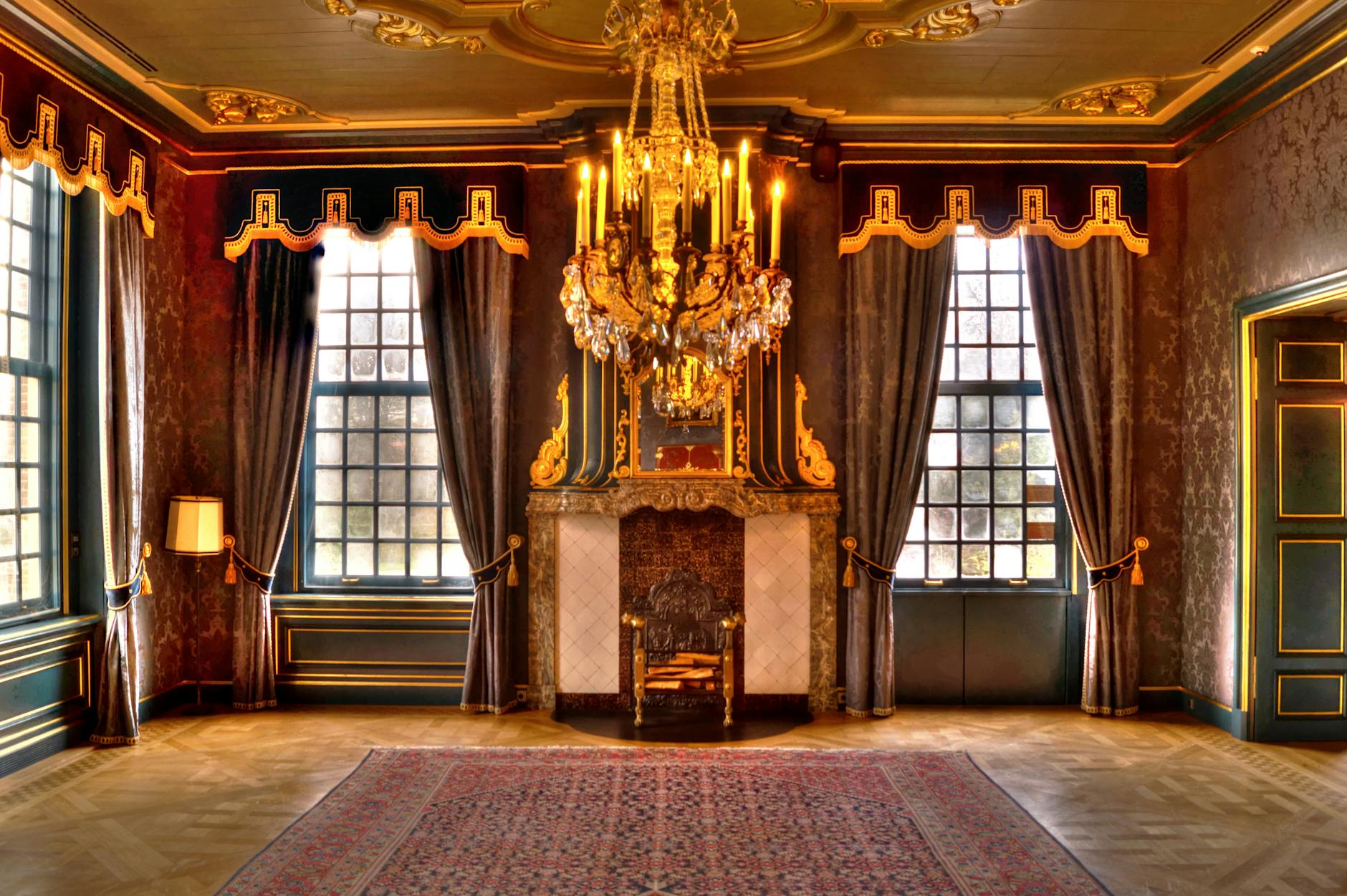
The interior is a time capsule of interwar Italian elegance, with original furnishings, Art Deco details, and a collection of 20th-century Italian art. The villa gained international fame as a filming location for Luca Guadagnino’s I Am Love (2009) starring Tilda Swinton. Now managed by the FAI (Italian National Trust), the property includes a serene garden with mature trees — a surprising oasis of calm in the heart of the city.
Tickets: €15 adults, or €25 for the Case Museo Card (4 house museums). Hours: Wednesday–Sunday 10:00 AM–6:00 PM. Getting there: Metro Palestro (M1). Tip: The garden café is a lovely spot for a break. Visit on a quieter weekday for a more atmospheric experience.
13. Natural History Museum (Museo Civico di Storia Naturale)
Milan’s Natural History Museum, founded in 1838, is one of the oldest and most important natural history collections in Italy. Located in a handsome neo-Romanesque palace on Corso Venezia at the edge of the Indro Montanelli public gardens, the museum spans 23 exhibition halls with displays covering mineralogy, paleontology, zoology, and natural habitats from around the world.
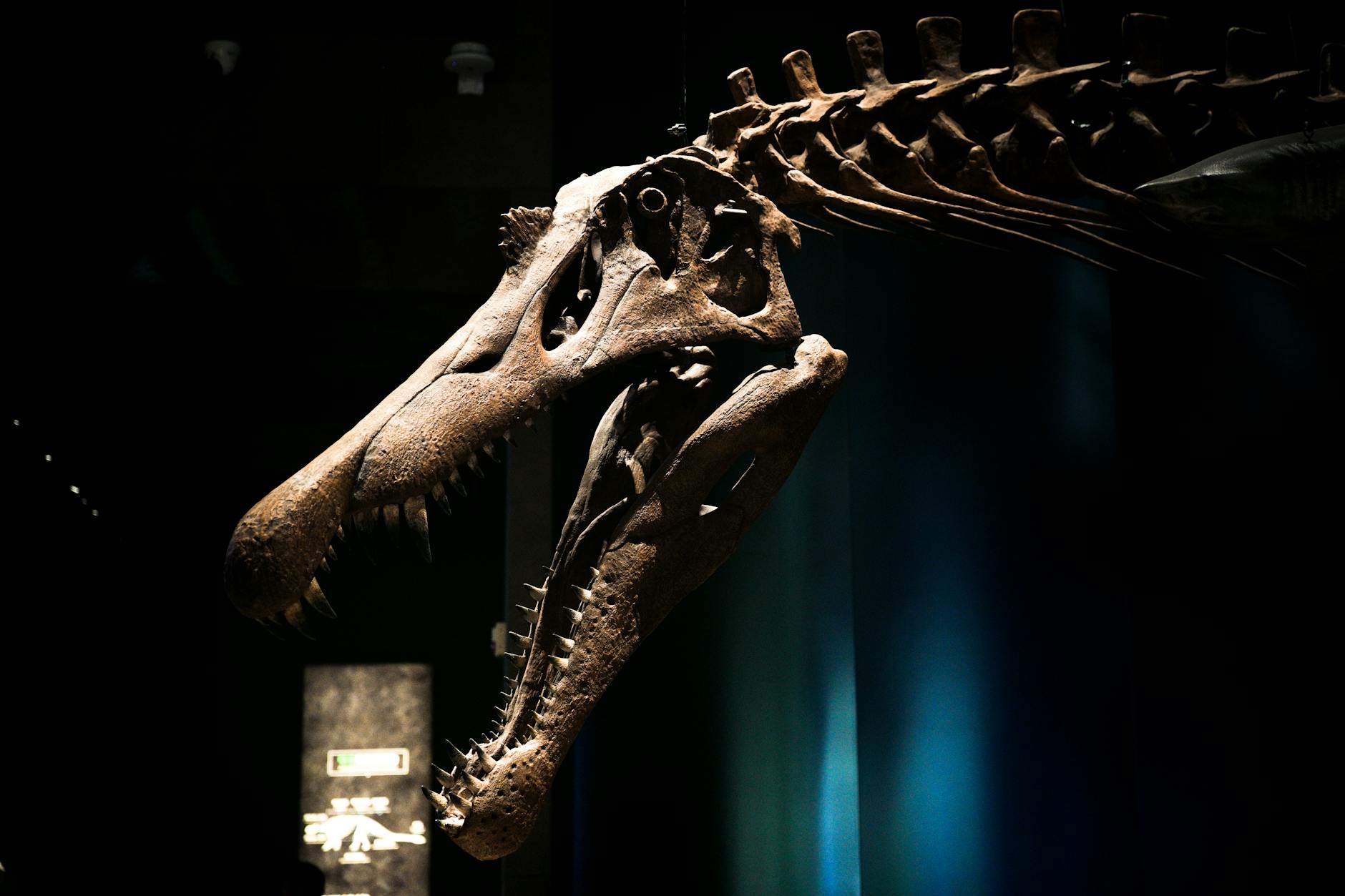
Highlights include impressive dinosaur skeletons, a collection of dioramas depicting animals in their natural environments, a comprehensive mineral and gem collection, and fascinating entomology displays. The museum is an excellent choice for families — children are captivated by the life-size dinosaur reconstructions and the hands-on discovery areas. The surrounding Indro Montanelli park provides a pleasant green space for a post-museum stroll.
Tickets: €5 adults, €3 reduced. Free on the first Sunday of each month. Hours: Tuesday–Sunday 9:00 AM–5:30 PM. Closed Mondays. Tip: This is one of Milan’s most affordable museums and a top choice for rainy days with kids. Combine with a visit to the nearby Galleria d’Arte Moderna in the same park.
14. Hidden Gem Museums Worth Discovering
Beyond the headline institutions, Milan harbors a constellation of smaller museums that offer deeply personal and often surprising experiences. These hidden gems are typically less crowded and provide intimate encounters with art, history, and culture.
Casa Museo Boschi di Stefano
This free museum occupies an Art Deco apartment in the Buenos Aires shopping district, preserving the private collection of Antonio Boschi and Marieda di Stefano — over 300 works of 20th-century Italian art, including important pieces by Sironi, De Chirico, Fontana, and Morandi, displayed among the couple’s original furnishings. It’s a rare chance to see major art in an intimate domestic setting. Free admission. Tuesday–Sunday 10:00 AM–6:00 PM.
Museo Bagatti Valsecchi
Located in the heart of the Quadrilatero d’Oro fashion district, this extraordinary house museum was created by two brothers who transformed their palazzo into a convincing recreation of a 16th-century noble residence. Every room is furnished with authentic Renaissance paintings, armor, furniture, tapestries, and decorative objects, creating one of the most atmospheric museum experiences in Milan. Tickets: €12 (or Case Museo Card €25). Friday–Sunday 1:00 PM–5:45 PM.
Museo Storico Alfa Romeo
Car enthusiasts should make the trip to Arese (10 km outside Milan) to visit this spectacular museum dedicated to one of Italy’s most storied automotive brands. Spread across three floors organized by themes of “Timeline,” “Beauty,” and “Speed,” the collection includes over 150 historic vehicles — from elegant pre-war grand tourers to legendary racing cars — plus locomotives, tractors, and prototypes. Tickets: €15 adults. Wednesday–Monday 10:00 AM–6:00 PM.
Leonardo3 Museum (L3)
Located inside the Galleria Vittorio Emanuele II, this interactive museum brings Leonardo da Vinci’s genius to life through full-scale reconstructions of his machines and inventions built from his original codex drawings. Interactive digital displays and hands-on models make it especially engaging for families and anyone fascinated by Leonardo’s extraordinary mind. Tickets: €16 adults, €10 children 7–18. Daily 10:00 AM–6:00 PM.
Practical Tips for Visiting Milan Museums
Free museum days: Most Milan municipal museums offer free entry on the first Sunday of every month. The Castello Sforzesco museums are free on Tuesdays after 2:00 PM and daily after 4:30 PM. Pirelli HangarBicocca and Casa Museo Boschi di Stefano are always free. Plan around these opportunities to maximize your Milan experience on a budget.
Museum passes: The Case Museo Card (€25) covers four house museums — Poldi Pezzoli, Villa Necchi Campiglio, Bagatti Valsecchi, and Boschi di Stefano — and is valid for 12 months. The MilanoCard offers discounted entry to many museums plus unlimited public transport. The Abbonamento Musei Lombardia provides annual access to over 250 museums across the Lombardy region for around €50.
Timing your visits: Nearly all Milan museums are closed on Mondays (notable exceptions: Poldi Pezzoli, Leonardo3). Museums are busiest between 10:30 AM and 1:00 PM — arrive at opening time or visit in the late afternoon for the smallest crowds. Thursday evening openings at the Brera, Museo del Novecento, and Gallerie d’Italia are particularly atmospheric and uncrowded.
Getting around: Milan’s major museums are well-connected by the metro and tram network. A single transport ticket (€2.20) covers 90 minutes of travel across all modes. For museum-hopping, a daily transport pass (€7.60) offers the best value. Many central museums — Brera, Poldi Pezzoli, Gallerie d’Italia, Ambrosiana, and Museo del Novecento — are within walking distance of each other. For comprehensive accommodation advice near the museum district, see our Where to Stay guide.
Booking ahead: While most Milan museums don’t require advance booking, it’s strongly recommended for The Last Supper (mandatory), the Science Museum’s submarine tour, and popular temporary exhibitions at Fondazione Prada and Triennale. During peak season (April–October), booking online also lets you skip ticket queues at busier museums like the Brera and Castello Sforzesco.
Milan’s museums span an extraordinary range — from intimate house museums preserving aristocratic collections to vast contemporary art spaces in converted factories. Whether you’re drawn to Renaissance masterpieces, cutting-edge contemporary installations, Italian design history, or Leonardo da Vinci’s genius, this city’s cultural offerings will leave you deeply impressed. For more on exploring the city, see our guides to Milan’s top attractions and day trips from Milan.
Milan museum guides in detail
Every major collection below has a dedicated guide covering tickets, timing, highlights and how long to allow: