Milan attractions reward curious travelers at every turn. From the soaring Gothic spires of the Duomo to Renaissance masterpieces hidden in quiet church refectories, the city offers a remarkable concentration of world-class landmarks and cultural treasures. Whether you’re an art lover, history buff, architecture enthusiast, or simply looking to soak in Italian culture, Milan’s top sights deliver experiences that rival any European capital.
This comprehensive guide covers the best attractions in Milan — from iconic must-sees to hidden gems that most tourists overlook. We include practical tips on tickets, opening hours, and how to make the most of each visit so you can plan your perfect Milan itinerary.
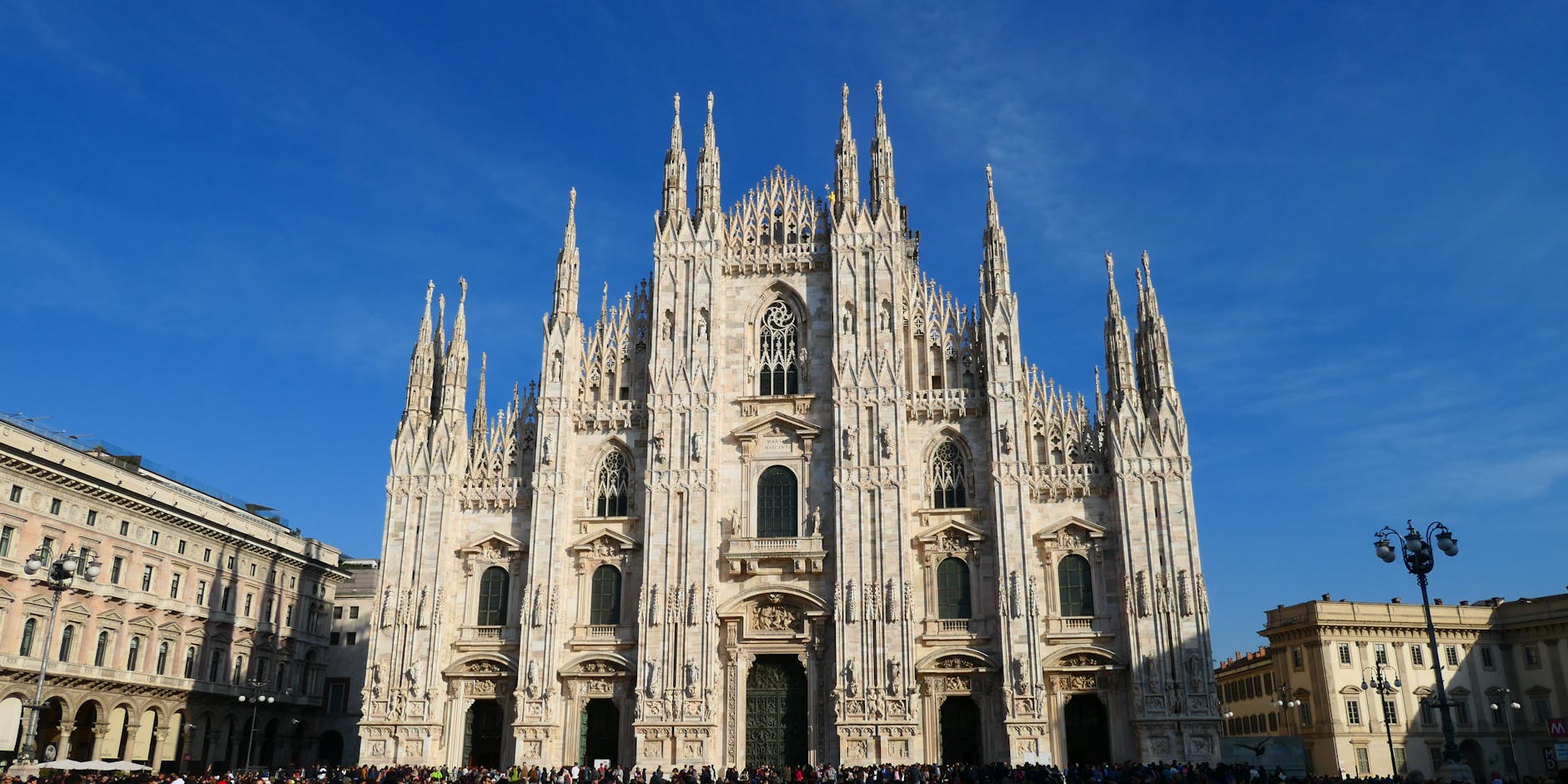
1. Milan Cathedral (Duomo di Milano)
No visit to Milan is complete without experiencing the Duomo di Milano, the city’s crowning architectural achievement and one of the largest Gothic cathedrals in the world. Construction began in 1386 and continued for over five centuries, resulting in a breathtaking fusion of Gothic, Renaissance, and Neoclassical styles. The exterior features more than 3,400 statues, 135 spires, and an intricate marble facade that glows pink and gold at sunset.
Inside, the cathedral stretches 157 meters long and can hold up to 40,000 worshippers. Sunlight filters through 55 magnificent stained-glass windows — some dating to the 15th century — casting kaleidoscopic patterns across the marble floors. Don’t miss the archaeological area beneath the cathedral, where you can explore the remains of a 4th-century baptistery and the original Basilica of Santa Tecla.
Duomo Rooftop Terraces
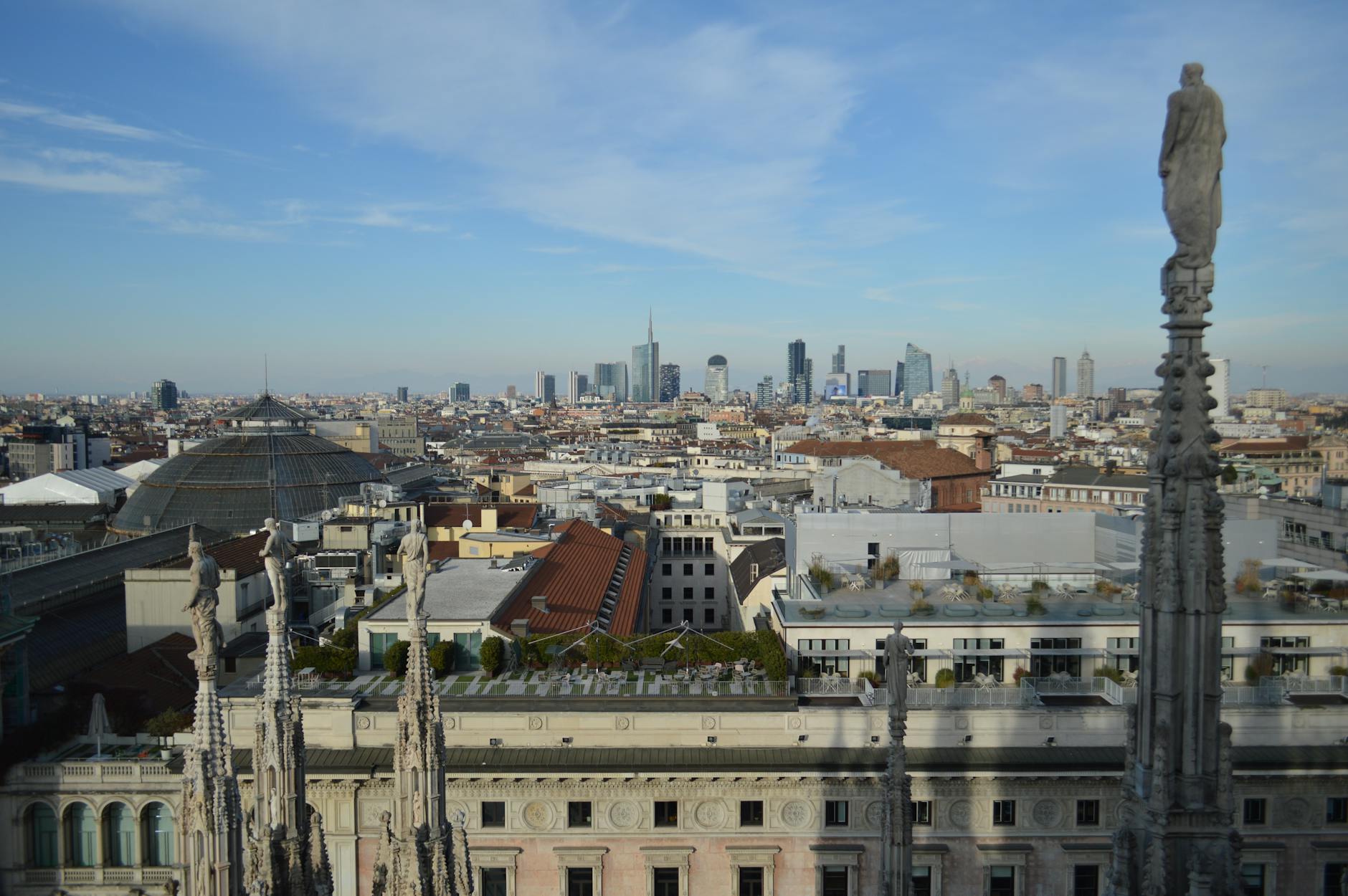
The Duomo’s rooftop terraces are arguably the best viewpoint in Milan. Spanning approximately 1,530 square meters of Candoglia marble at a height of 65 meters, the terraces offer panoramic views of the city, the Alps on clear days, and an up-close look at the cathedral’s ornate spires and statuary. You can reach the top by climbing 250 stairs from the south side or taking one of two elevators on the northern side (note: even with the elevator, 50 additional steps are required to reach the central terrace).
Duomo Practical Information
Tickets: Cathedral entry costs approximately €10 (includes Duomo Museum). Rooftop terrace tickets cost €22 via stairs or €26 via elevator (combination with cathedral entry). Children aged 6–17 pay reduced rates. Hours: The cathedral is open daily from 9:00 AM to 7:00 PM, with the rooftop terraces open from 9:00 AM to 7:00 PM (last entry at 6:10 PM). Tip: Visit between 8:00 AM and 11:00 AM for the smallest crowds and best photo opportunities. Book rooftop tickets online in advance, especially from April through October, as lift access frequently sells out 3–7 days ahead.
2. Leonardo da Vinci’s The Last Supper (Il Cenacolo)
Leonardo da Vinci’s The Last Supper (Il Cenacolo Vinciano) is one of the most famous paintings in the world and Milan’s most sought-after cultural experience. Painted between 1495 and 1498 on the refectory wall of the Convent of Santa Maria delle Grazie — a UNESCO World Heritage Site — this monumental mural measures approximately 4.6 by 8.8 meters and depicts the dramatic moment when Jesus reveals that one of his apostles will betray him.
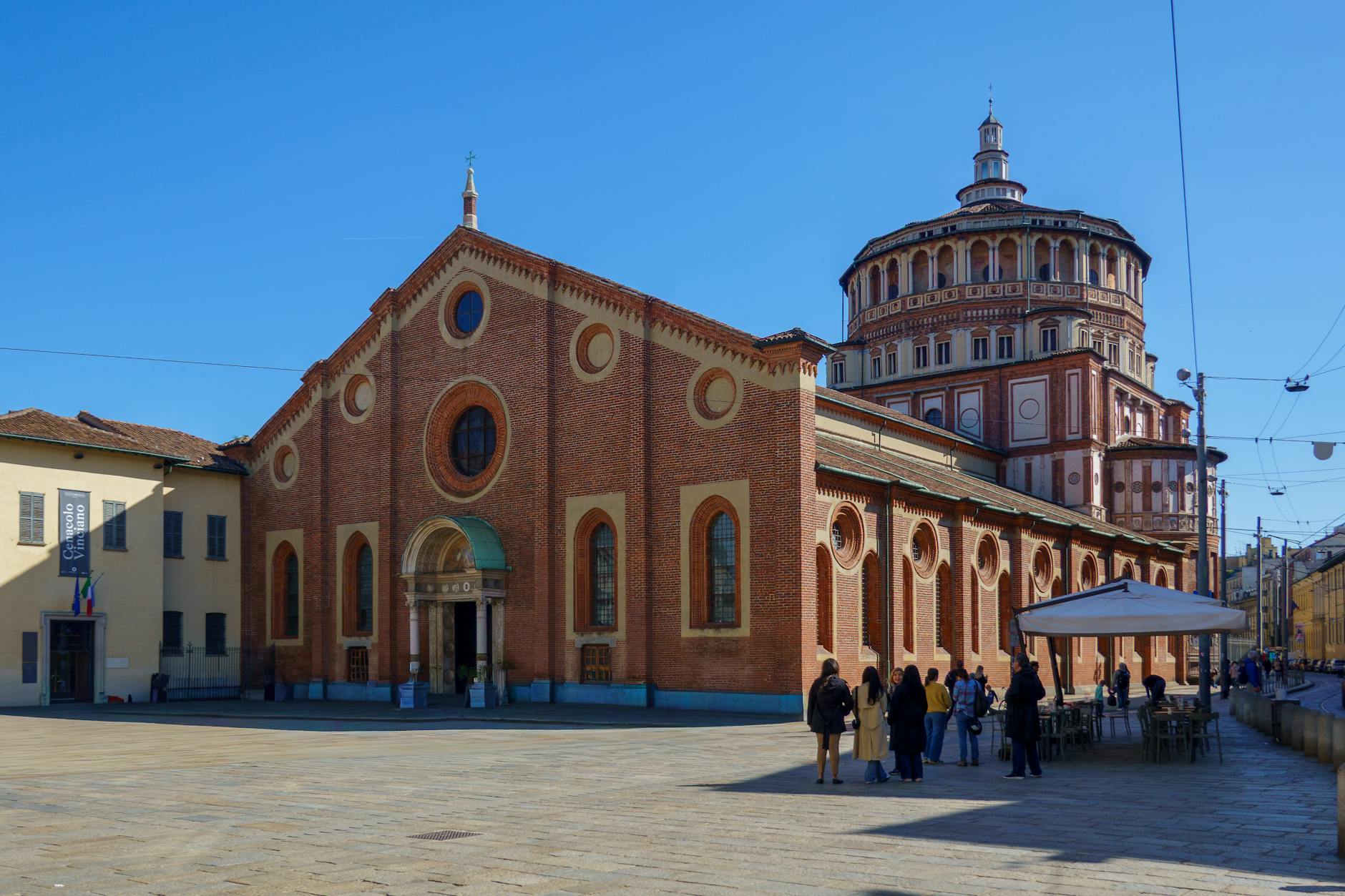
What makes The Last Supper extraordinary is Leonardo’s revolutionary use of perspective, emotion, and composition. Each apostle reacts with distinct body language and facial expression, creating a tableau of human psychology that continues to fascinate scholars and visitors over five centuries later. The painting suffered extensive damage over the centuries from humidity, war, and misguided restoration attempts, but a painstaking 21-year restoration completed in 1999 revealed colors and details that had been hidden for generations.
Booking Tickets for The Last Supper
Visiting The Last Supper requires advance planning, as access is strictly limited to groups of 40 people for 15-minute viewing windows. Official tickets cost €15 for adults, €2 for ages 18–25 (EU citizens), and are free for visitors under 18. Tickets are released quarterly — approximately three months in advance — and peak-season slots (June through August) often sell out within hours of release. Book through the official partner at lastsupper.shop or by phone at +39 02 92800360. If official tickets are sold out, guided tour packages through platforms like GetYourGuide or Viator often have separate allocations available for an additional fee.
3. Castello Sforzesco (Sforza Castle)
The Castello Sforzesco is one of Europe’s largest citadels and a defining landmark of Milan’s skyline. Originally built as a fortress in 1370 by Galeazzo II Visconti, the castle was later transformed into an elegant Renaissance court by the powerful Sforza dynasty in the 15th century. Today this vast red-brick complex houses several world-class museums and art collections, making it one of the most culturally rich attractions in Italy.
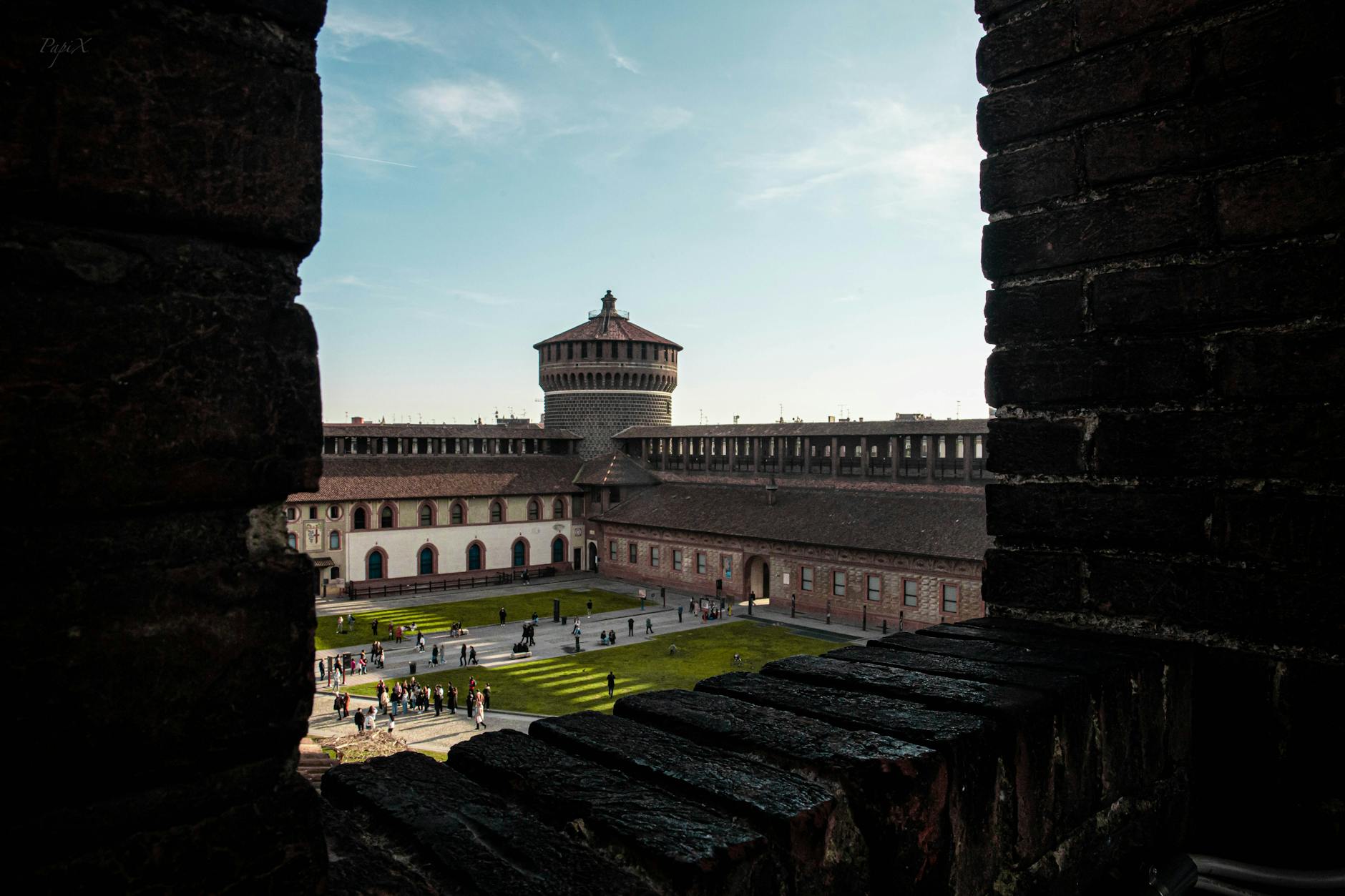
The castle’s museums include the Museum of Ancient Art, home to Michelangelo’s final sculpture — the unfinished Pietà Rondanini — along with Leonardo da Vinci’s magnificent ceiling frescoes in the Sala delle Asse. The Pinacoteca features works by Mantegna, Bellini, Correggio, and Canaletto, while the Egyptian Museum and Museum of Musical Instruments offer further exploration. The castle grounds connect seamlessly to Parco Sempione, Milan’s largest central park, making for a perfect combined visit.
Tickets: Entry to the castle courtyards is free. Museum admission costs approximately €5 (free on Tuesdays after 2:00 PM and the first and third Tuesday of each month). Hours: Castle grounds open daily 7:00 AM–7:30 PM; museums open Tuesday–Sunday, 10:00 AM–5:30 PM (closed Mondays). Tip: The castle’s free Wi-Fi and spacious courtyards make it a great spot for a midday break between sightseeing.
4. Galleria Vittorio Emanuele II
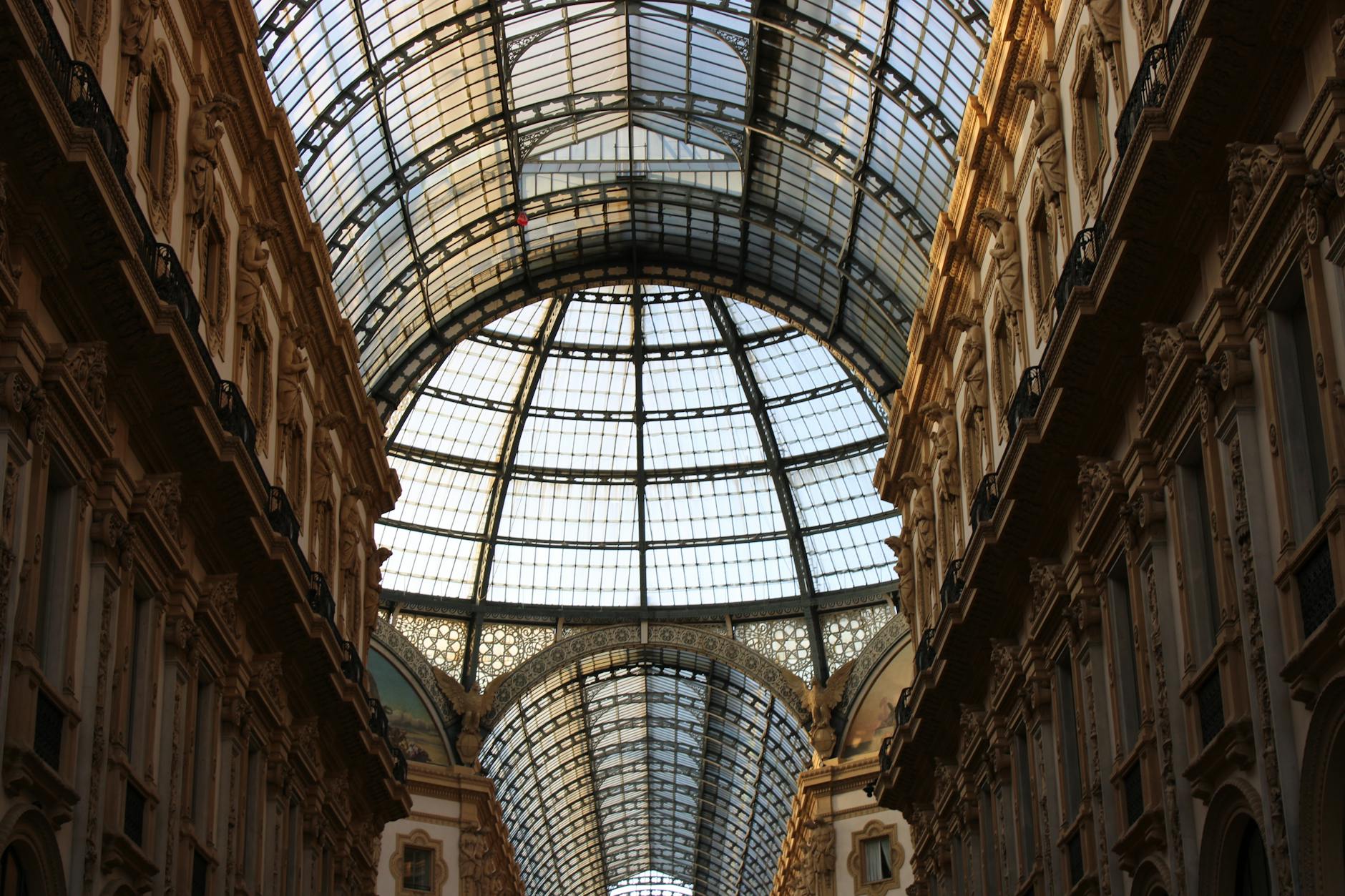
The Galleria Vittorio Emanuele II is Italy’s oldest active shopping gallery and one of the most beautiful covered arcades in the world. Designed by architect Giuseppe Mengoni and built between 1865 and 1877, this stunning iron-and-glass structure connects the Piazza del Duomo with the Piazza della Scala in an elegant cruciform layout topped by a soaring octagonal glass dome.
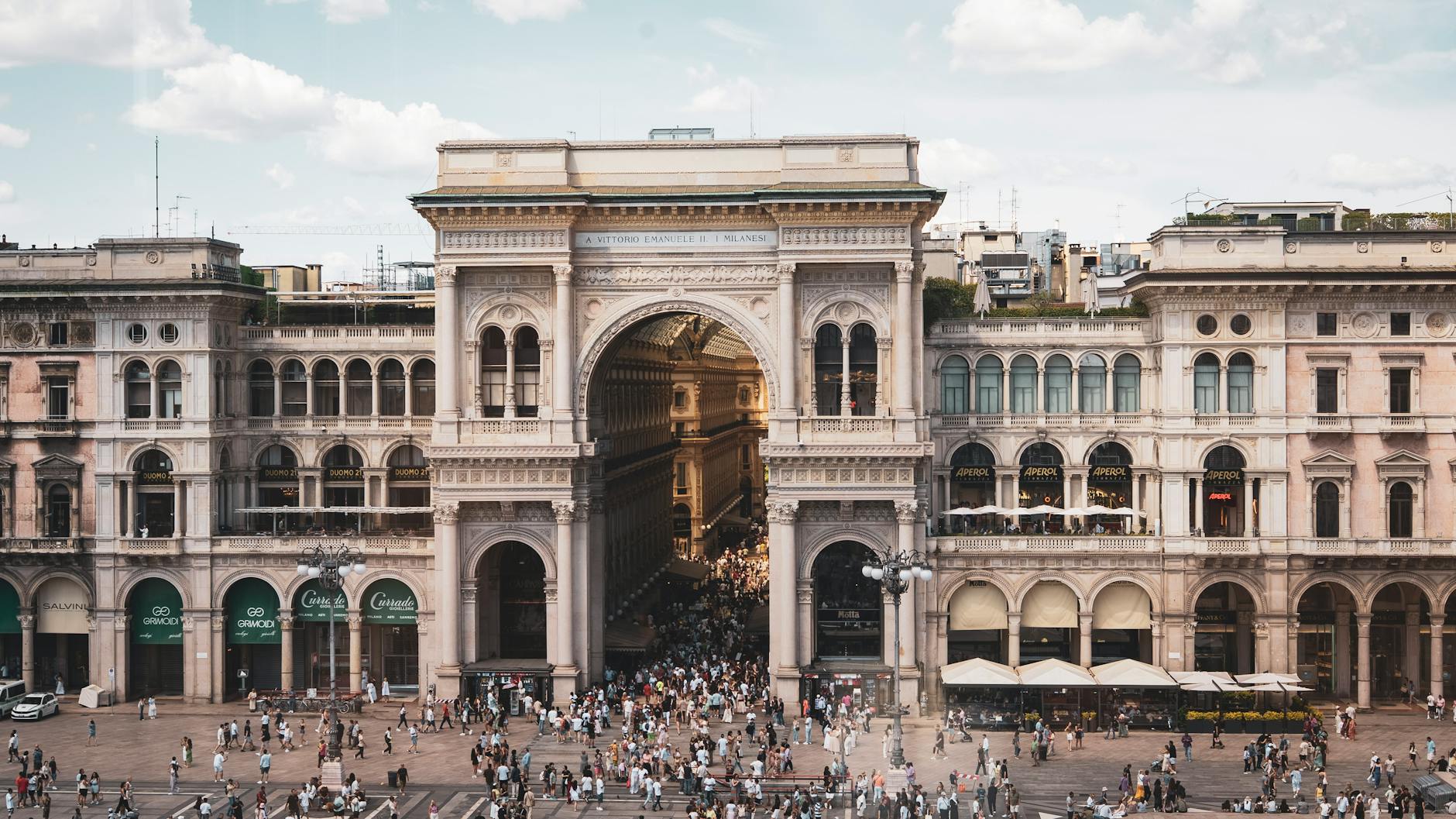
The Galleria is often called il salotto di Milano — Milan’s drawing room — and serves as both a luxury shopping destination and a social gathering place. Its mosaic floors depict the coats of arms of Italy’s four historic capitals (Milan, Rome, Florence, and Turin), with the famous bull mosaic of Turin at the center. Local tradition holds that spinning on the bull’s mosaic brings good luck — look for the worn spot where millions of heels have turned. The arcade houses flagship stores for Prada, Louis Vuitton, Gucci, and Versace, alongside historic establishments like the Marchesi 1824 patisserie and Biffi Caffè, operating since 1867.
Access: The Galleria is free to enter and open 24 hours. Tip: For a unique experience, visit the rooftop walkway (Highline Galleria) for aerial views of the glass dome and the Duomo — tickets can be purchased on-site. The Galleria’s second-floor Marchesi 1824 café, tucked above the Prada store, offers an elegant setting for coffee and pastries away from the crowds.
5. Teatro alla Scala (La Scala Opera House)
Teatro alla Scala is one of the most prestigious opera houses on Earth. Since its inauguration in 1778, La Scala has hosted premieres by Verdi, Puccini, Rossini, and Donizetti, and continues to attract the world’s finest conductors, soloists, and orchestras. The neoclassical exterior is deceptively understated — step inside to discover an opulent horseshoe-shaped auditorium with six tiers of gilded boxes, red velvet seating, and a magnificent crystal chandelier.
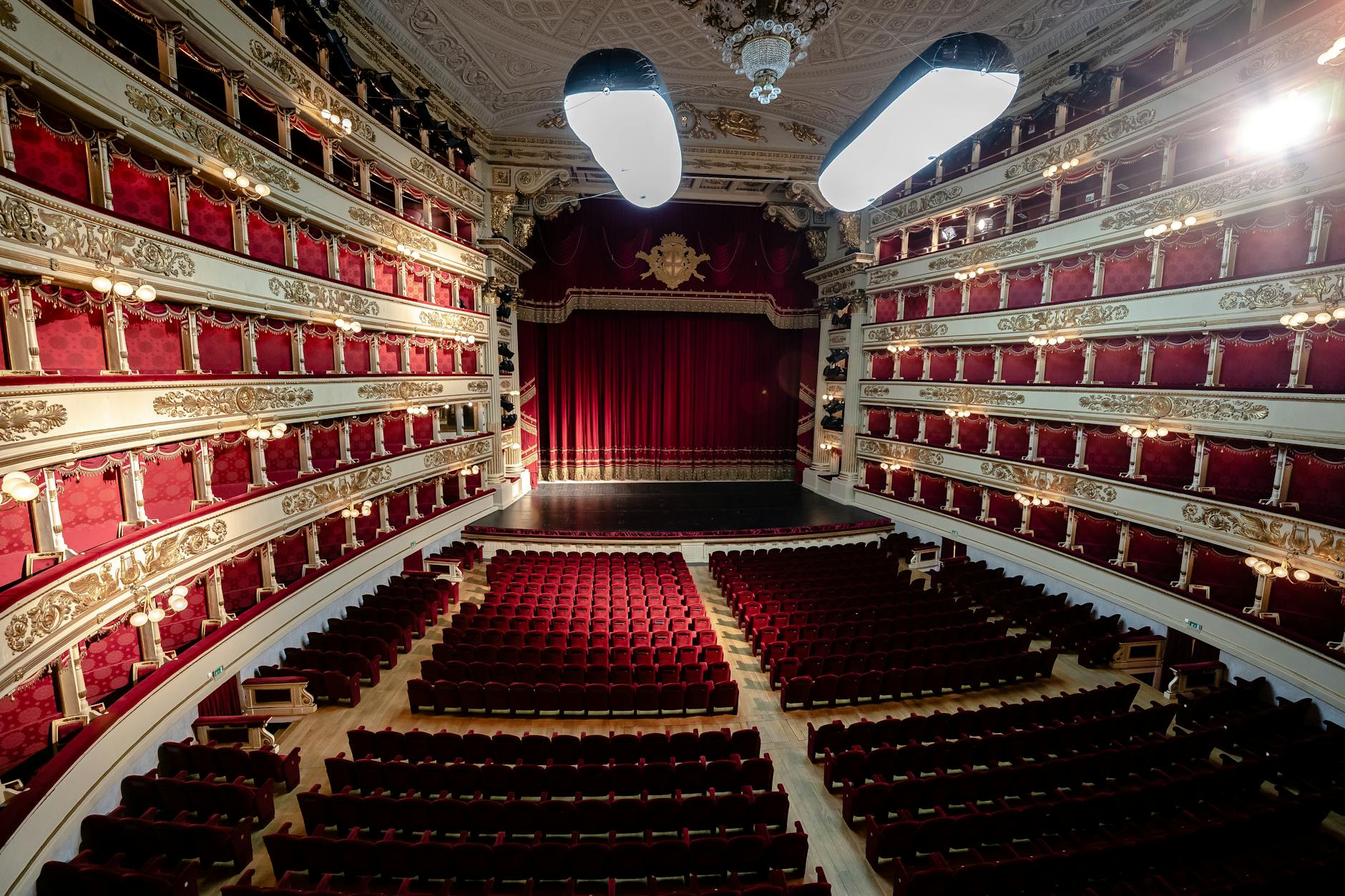
Even if you don’t attend a performance, the Museo Teatrale alla Scala is well worth a visit. The museum displays a fascinating collection of opera memorabilia, historical costumes, set designs, musical instruments, and portraits of legendary performers. From the museum, you can often peek into the main auditorium (when rehearsals aren’t in progress) for a glimpse of the iconic stage.
Performance tickets: Prices range from €15 for gallery seats to over €250 for prime box seats. The opera season runs from December 7 (the traditional opening on the Feast of Sant’Ambrogio) through November. Museum: Open daily 9:30 AM–5:30 PM, admission €12. Tip: Last-minute discounted tickets are sometimes available at the box office on performance days, and standing-room tickets offer an affordable way to experience a world-class show. Visit teatroallascala.org for the current schedule.
6. Pinacoteca di Brera
The Pinacoteca di Brera houses one of Italy’s most important art collections, rivaling the Uffizi in Florence and the Vatican Museums in Rome. Located in the elegant 17th-century Palazzo Brera in the heart of the Brera district, the gallery spans 38 rooms showcasing Italian Renaissance and Baroque masterpieces alongside works from the Venetian, Lombard, and Flemish schools.
 Pinacoteca di Brera art gallery courtyard in Milan” class=”wp-image-99″ srcset=”https://www.milantourism.org/wp-content/uploads/2026/04/pinacoteca-di-brera-art-gallery-courtyard-in-milan.jpg 1880w, https://www.milantourism.org/wp-content/uploads/2026/04/pinacoteca-di-brera-art-gallery-courtyard-in-milan-300×200.jpg 300w, https://www.milantourism.org/wp-content/uploads/2026/04/pinacoteca-di-brera-art-gallery-courtyard-in-milan-1024×682.jpg 1024w, https://www.milantourism.org/wp-content/uploads/2026/04/pinacoteca-di-brera-art-gallery-courtyard-in-milan-768×512.jpg 768w, https://www.milantourism.org/wp-content/uploads/2026/04/pinacoteca-di-brera-art-gallery-courtyard-in-milan-1536×1024.jpg 1536w” sizes=”auto, (max-width: 1880px) 100vw, 1880px” />
Highlights include Raphael’s The Marriage of the Virgin, Mantegna’s strikingly foreshortened Dead Christ, Caravaggio’s dramatic Supper at Emmaus, and Piero della Francesca’s Brera Madonna. The collection also features important works by Bellini, Tintoretto, Veronese, and Hayez — whose The Kiss has become an icon of Italian Romanticism. The Palazzo Brera complex also includes the Braidense Library, the Brera Astronomical Observatory, and a beautiful botanical garden that offers a peaceful retreat from the city.
Tickets: €15 for adults, free for EU citizens under 18. Free entry on the first Sunday of each month. Hours: Tuesday–Sunday, 8:30 AM–7:15 PM (closed Mondays). Tip: Thursday evening openings (until 10:15 PM) offer a more intimate experience with significantly fewer visitors. Allow at least 2 hours for a thorough visit.
7. The Navigli District
The Navigli district is one of Milan’s most atmospheric and photogenic neighborhoods, centered around two historic canals — the Naviglio Grande and the Naviglio Pavese. These waterways date back to the 12th century and once formed part of an extensive canal network that connected Milan to Lake Maggiore, Lake Como, and the Po River. Leonardo da Vinci himself designed an ingenious system of locks to improve navigation along the canals.
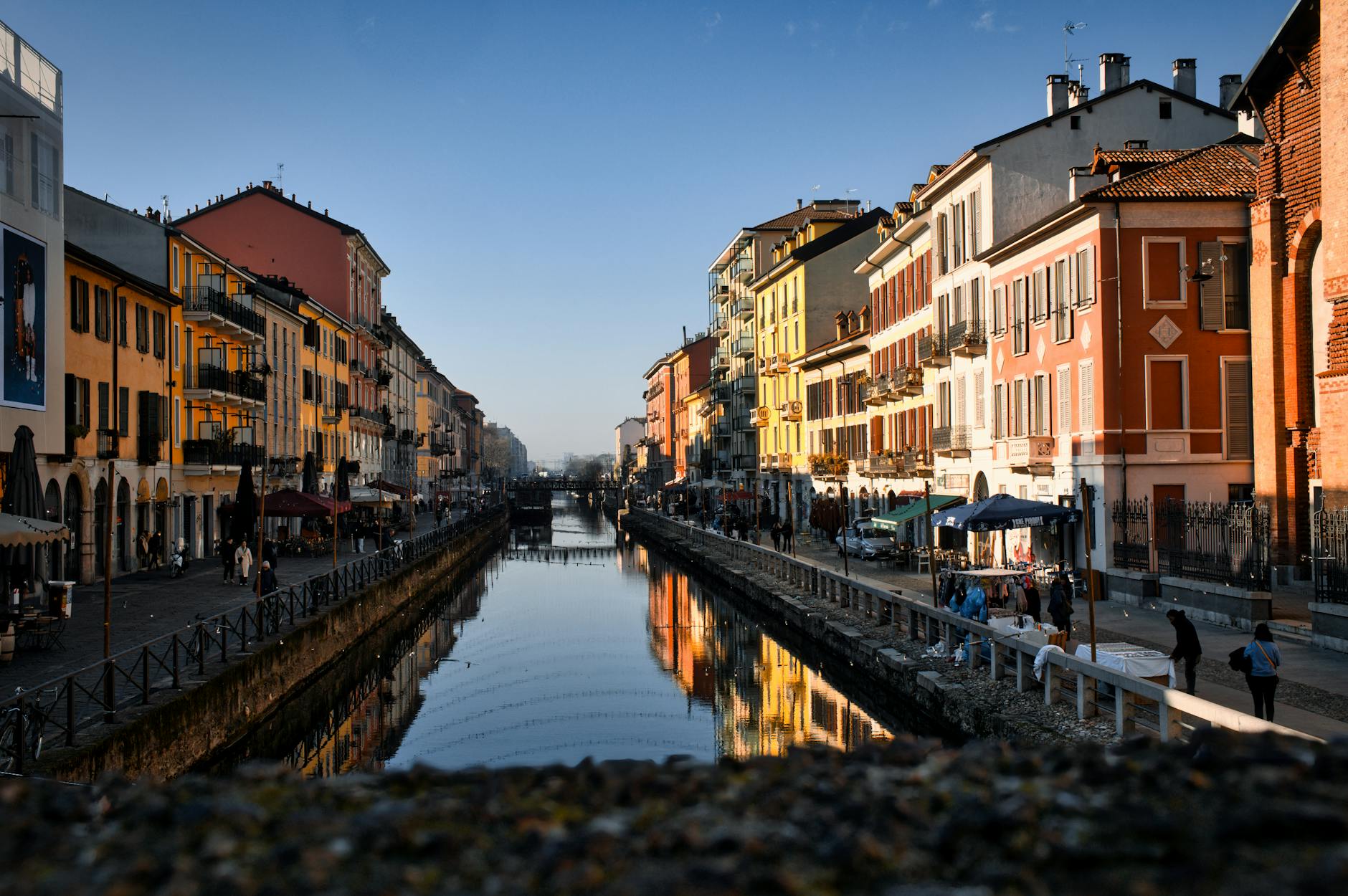
Today the Navigli is Milan’s liveliest area for evening socializing, with canal-side bars, restaurants, and cafés that come alive during the daily aperitivo ritual from 6:00 PM onward. During the day, explore the Vicolo dei Lavandai (Washerwomen’s Alley), a preserved open-air washhouse where Milanese women once did laundry, and browse the artisan workshops, vintage boutiques, and independent galleries that line the waterfront. On the last Sunday of every month (except July), the Navigli Antiques Market transforms the canal banks into one of Italy’s most popular flea markets, attracting over 400 vendors.
Getting there: Metro Line 2 (Green) to Porta Genova. Best time: Late afternoon through evening for the best atmosphere and golden-hour photos. Tip: Take a 55-minute canal boat tour departing from the Darsena basin to see a different perspective of the neighborhood and learn about the canal system’s fascinating engineering history. For more on Milan’s distinct areas, see our Milan Neighborhoods Guide.
8. Basilica di Sant’Ambrogio
The Basilica di Sant’Ambrogio is one of Milan’s oldest and most historically significant churches, founded in 379 AD by the city’s patron saint, Bishop Ambrose. The current Romanesque structure — largely dating to the 11th and 12th centuries — is considered one of the finest examples of Lombard Romanesque architecture and served as the model for countless churches throughout northern Italy.
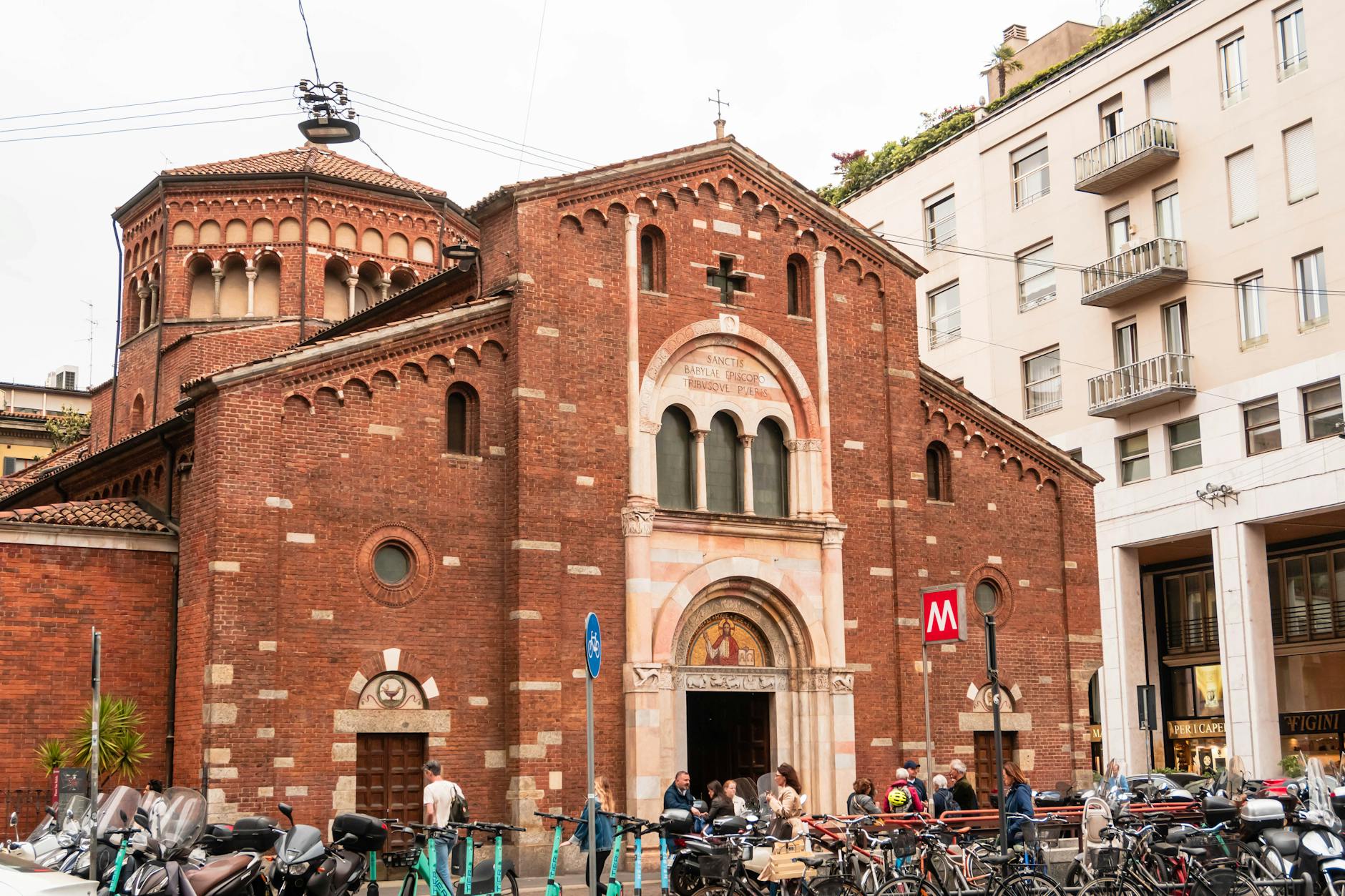
The basilica’s atrium, with its elegant arcaded portico, creates a serene transition from the bustling city outside. Inside, highlights include a stunning 9th-century golden altar (Altare di Sant’Ambrogio) encrusted with precious stones and enamel panels, the 4th-century Chapel of San Vittore in Ciel d’Oro with its gold mosaic ceiling, and the crypt where the remains of Saints Ambrose, Gervasius, and Protasius rest in a silver and crystal reliquary. The basilica’s Bramante-designed Portico della Canonica is a masterpiece of Renaissance harmony.
Admission: Free. Hours: Monday–Saturday, 10:00 AM–12:00 PM and 2:30 PM–6:00 PM; Sunday 3:00 PM–5:00 PM. Tip: Combine your visit with a walk to the nearby Museo della Scienza e della Tecnologia Leonardo da Vinci, Italy’s largest science and technology museum, just a five-minute walk away.
9. Porta Nuova and Bosco Verticale
Milan’s Porta Nuova district represents the city’s stunning transformation into a hub of contemporary architecture and sustainable urban design. This sleek business and residential neighborhood, developed between 2009 and 2015, features some of the most innovative buildings in Europe, anchored by the UniCredit Tower — Italy’s tallest skyscraper at 231 meters — and the curving glass-and-steel towers of the BAM (Biblioteca degli Alberi Milano) cultural complex.
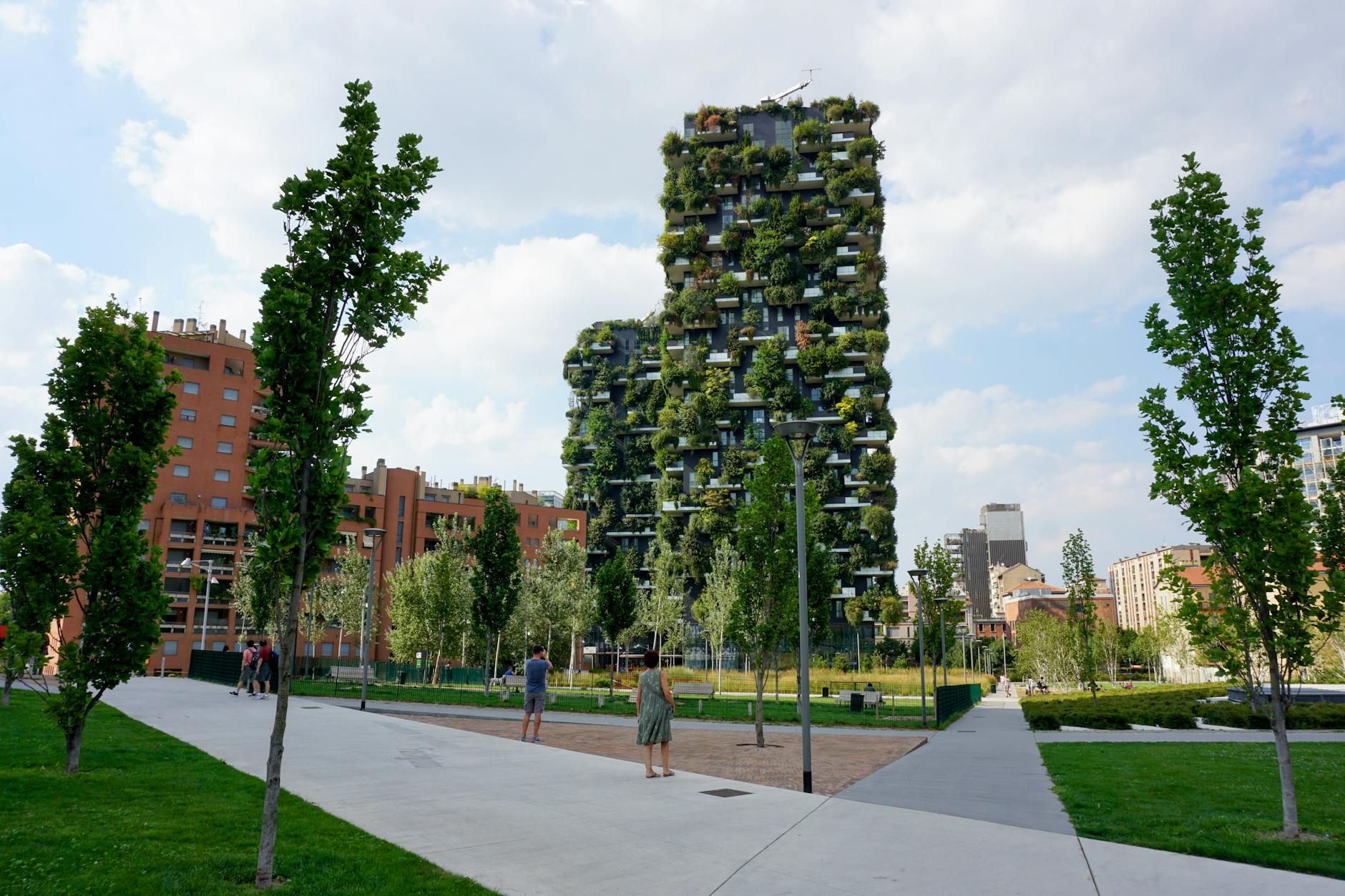
The district’s most celebrated landmark is the Bosco Verticale (Vertical Forest), a pair of residential towers designed by architect Stefano Boeri and completed in 2014. The towers are home to over 900 trees, 5,000 shrubs, and 11,000 perennial plants distributed across their balconies — the equivalent of 30,000 square meters of forest condensed into two buildings. The project won the International Highrise Award in 2014 and has become a global symbol of sustainable architecture. The surrounding BAM park (Biblioteca degli Alberi Milano) is a beautifully landscaped 9-hectare public garden perfect for a stroll, with themed botanical paths and regular outdoor cultural events.
Getting there: Metro Line 2 (Green) or Line 5 (Purple) to Garibaldi FS. Tip: Visit the rooftop terrace of the Fondazione Feltrinelli building nearby for excellent views of the Bosco Verticale and the Milan skyline, or enjoy an aperitivo at one of the many trendy bars in Piazza Gae Aulenti.
10. San Maurizio al Monastero Maggiore
San Maurizio al Monastero Maggiore is often called Milan’s “Sistine Chapel” — and once you step inside, you’ll understand why. Nearly every square centimeter of this 16th-century church is covered with vibrant Renaissance frescoes by Bernardino Luini (a pupil of Leonardo da Vinci) and other Lombard masters, creating one of the most visually overwhelming interiors in all of Italy.
The church is divided into two sections: the public hall and the nuns’ hall, separated by a partition wall. The public hall features scenes from the life of Christ and various saints, while the enclosed nuns’ hall (accessible through the Civic Archaeological Museum) contains even more spectacular frescoes, including Luini’s masterful depictions of the Passion. The church was part of the most important female Benedictine monastery in Milan, and the adjoining Civic Archaeological Museum houses Roman artifacts discovered during excavations of the monastery grounds.
Admission: Free (donations appreciated). Hours: Tuesday–Sunday, 9:30 AM–7:30 PM (closed Mondays). Location: Corso Magenta 15, a short walk from the Last Supper. Tip: This is one of Milan’s best-kept secrets — most visitors walk right past it. Combine it with The Last Supper and the nearby Basilica di Sant’Ambrogio for a powerful half-day cultural itinerary.
11. Pinacoteca Ambrosiana and the Codex Atlanticus
Founded in 1618 by Cardinal Federico Borromeo, the Pinacoteca Ambrosiana is one of Milan’s oldest and most distinguished art galleries. The collection includes works by Botticelli, Caravaggio, Titian, Raphael (his preparatory cartoon for The School of Athens), and a remarkable Portrait of a Musician attributed to Leonardo da Vinci.
The Ambrosiana’s greatest treasure, however, may be the Codex Atlanticus — the largest collection of Leonardo da Vinci’s drawings and writings in the world, comprising 1,119 pages of sketches, scientific diagrams, and notes spanning his entire career. The library also preserves a lock of Lucrezia Borgia’s hair and rare manuscripts dating to the 5th century. Beneath the adjacent Piazza San Sepolcro, don’t miss the recently reopened Cripta di San Sepolcro, an atmospheric 11th-century underground church.
Tickets: €15 for adults. Hours: Tuesday–Sunday, 10:00 AM–6:00 PM (closed Mondays). Tip: The gallery is less crowded than the Brera and offers a more intimate viewing experience — perfect for art lovers who want to take their time with masterpieces without battling crowds.
12. Museo della Scienza e della Tecnologia Leonardo da Vinci
The National Museum of Science and Technology Leonardo da Vinci is the largest science and technology museum in Italy and one of the most important in Europe. Housed in a former 16th-century Olivetan monastery, the museum spans over 50,000 square meters and features interactive exhibitions covering energy, materials, transport, communication, and space exploration.
The museum’s crown jewel is its Leonardo da Vinci Gallery, which displays the world’s largest permanent collection of models built from Leonardo’s drawings and codices — including flying machines, hydraulic systems, military equipment, and architectural designs. Other highlights include a full-size submarine (the Enrico Toti), a fragment of the Moon brought back by the Apollo missions, vintage steam locomotives, and a hands-on physics laboratory. The museum is particularly excellent for families and children, with dedicated interactive areas and workshops.
Tickets: €10 for adults, €7.50 reduced. Submarine visits require a separate booking (additional €10). Hours: Tuesday–Friday, 9:30 AM–5:00 PM; Saturday–Sunday, 9:30 AM–6:30 PM (closed Mondays). Tip: Allow at least 3 hours for a comprehensive visit. The submarine tour sells out quickly — book online in advance. Visit museoscienza.org for current exhibitions and events.
13. Cimitero Monumentale
Milan’s Cimitero Monumentale is far more than a cemetery — it’s an extraordinary open-air museum of sculpture, architecture, and funerary art spanning over 150 years. Opened in 1866 and designed by architect Carlo Maciachini, this vast necropolis covers 250,000 square meters and contains thousands of elaborate tombs, mausoleums, and monuments created by Italy’s most celebrated sculptors and architects.
The cemetery’s entrance is dominated by the Famedio, an imposing neo-medieval hall of fame that houses the tombs of Milan’s most illustrious citizens, including novelist Alessandro Manzoni. As you wander the tree-lined avenues, you’ll encounter Art Nouveau masterpieces, Neoclassical temples, and striking modernist memorials. Notable tombs include those of the Campari family (featuring a replica of Leonardo’s Last Supper in bronze), conductor Arturo Toscanini, and numerous prominent Milanese industrialists and artists.
Admission: Free. Hours: Tuesday–Sunday, 8:00 AM–6:00 PM (closed Mondays). Getting there: Metro Line 5 (Purple) to Monumentale or Tram 2/4/12/14. Tip: Free guided tours are offered on select Sundays — check the cemetery’s website for the schedule. Photography is permitted and highly rewarded here.
14. Hidden Gems and Lesser-Known Attractions
Beyond the headline attractions, Milan harbors a wealth of lesser-known treasures that reveal a more intimate side of the city. These hidden gems are often free to visit and far less crowded, making them perfect for travelers who want to dig deeper.
San Bernardino alle Ossa
This small church near the Duomo contains a chapel whose walls and ceiling are entirely decorated with human bones and skulls, creating a macabre yet fascinating interior. Dating to the 13th century, the ossuary was created to hold bones from the adjacent hospital’s overflowing cemetery. The contrast between the ornate ceiling frescoes and the bone-covered walls is unforgettable. Free admission; open Monday–Friday 8:00 AM–6:00 PM.
Santa Maria presso San Satiro
This unassuming church on Via Torino hides one of architecture’s most brilliant optical illusions. Architect Donato Bramante created a stunning trompe-l’oeil apse that appears to extend several meters deep — but is actually less than a meter deep, designed to overcome the spatial constraint of a road running behind the church. The golden ceiling and intricate decorations make this one of Milan’s most beautiful church interiors. Free admission.
Leonardo’s Vineyard at Casa degli Atellani
Hidden behind the doors of Corso Magenta 65, directly across from The Last Supper, lies the vineyard that Duke Ludovico il Moro gifted to Leonardo da Vinci in 1498 as thanks for painting the masterpiece. The vineyard was rediscovered and replanted using DNA analysis of the original Malvasia grape vines, and the adjacent Casa degli Atellani features beautifully frescoed rooms from the Renaissance era. Tickets: €12; Hours: Daily 9:00 AM–6:00 PM.
Colonne di San Lorenzo
These 16 marble Corinthian columns in front of the Basilica di San Lorenzo are one of Milan’s few surviving Roman monuments, dating to the 2nd–3rd century AD. Originally part of a Roman bathhouse or temple, the columns were relocated here in the 4th century. Today the piazza is a popular evening gathering spot for locals and a great place for people-watching over an aperitivo. Free to visit.
Villa Necchi Campiglio
This beautifully preserved 1930s Art Deco villa in the Quadrilatero del Silenzio (Square of Silence) offers a glimpse into the lavish lifestyle of Milan’s interwar aristocracy. Designed by Piero Portaluppi, the villa was the first private residence in Milan to feature a swimming pool and is now managed by the FAI (Italian National Trust). It was used as a filming location for Luca Guadagnino’s I Am Love. Tickets: €12; Hours: Wednesday–Sunday, 10:00 AM–6:00 PM.
Planning Your Milan Attractions Itinerary
With so many remarkable attractions in Milan, strategic planning ensures you make the most of your time. Here are our recommended approaches based on trip length:
One Day in Milan
Focus on the essential trio: start with The Last Supper (book your early morning slot months in advance), walk to Castello Sforzesco and Parco Sempione, then head to the Duomo and rooftop terraces. End your day strolling through the Galleria Vittorio Emanuele II and enjoy an evening aperitivo in the Navigli district. For a comprehensive plan, check our Things to Do in Milan guide.
Two to Three Days in Milan
Add the Pinacoteca di Brera and a wander through the Brera neighborhood, visit San Maurizio al Monastero Maggiore and the Basilica di Sant’Ambrogio, and explore the modern architecture of Porta Nuova. Dedicate time to the Pinacoteca Ambrosiana or the Science and Technology Museum depending on your interests, and save an evening for a performance or museum visit at La Scala.
Four or More Days
Longer stays allow you to discover hidden gems like Leonardo’s Vineyard, Villa Necchi Campiglio, and San Bernardino alle Ossa. Explore the luxury boutiques of the Quadrilatero d’Oro, spend a morning at the Cimitero Monumentale, and consider a day trip from Milan to Lake Como, Bergamo, or the Cinque Terre. For dining recommendations between attractions, see our Milan Food Guide.
Practical Tips for Visiting Milan’s Attractions
City passes: The Milano Card and Milan Pass offer discounted or free entry to many attractions plus unlimited public transport. Compare options to find the best value for your itinerary. Public transport: Milan’s efficient metro, tram, and bus network connects all major attractions. A single ticket (€2.20) is valid for 90 minutes across all modes. For getting around tips, see our Milan transportation overview.
Best time to visit: Spring (April–June) and autumn (September–October) offer pleasant weather and manageable crowds. Summer can be hot but many Milanese leave the city in August, meaning shorter museum queues. Winter brings Christmas markets and festive atmosphere but shorter daylight hours. For detailed seasonal guidance, see our Where to Stay in Milan guide.
Money-saving tips: Many churches (including San Maurizio, Sant’Ambrogio, and the Duomo interior) are free or inexpensive to enter. Municipal museums offer free entry on the first Sunday of each month. The Cimitero Monumentale is always free. For comprehensive budget strategies, plan your visit around free-entry days and prioritize the attractions that interest you most.
Milan’s attractions span nearly two millennia of history — from Roman columns to vertical forests, from Renaissance frescoes to cutting-edge contemporary architecture. Whether you have one day or one week, this remarkable city offers an unparalleled concentration of art, culture, and beauty that rewards every kind of traveler.
Every Milan attraction, covered in depth
Each of the landmarks above has its own detailed guide with current ticket prices, opening hours and the booking tricks that save you queueing: