Hidden gems in Milan reveal a side of the city that most tourists never see. Beyond the Duomo and the Galleria, Milan hides secret frescoed churches, rainbow-coloured streets, flamingo-filled gardens, and entire neighbourhoods pulsing with street art and multicultural energy. This guide uncovers the best off-the-beaten-path spots, secret courtyards, and local favourites that will make your Milan trip truly unforgettable — whether it’s your first visit or your fifth.
Hidden Gems Milan: Secret Churches and Sacred Spaces
San Maurizio al Monastero Maggiore — Milan’s Sistine Chapel
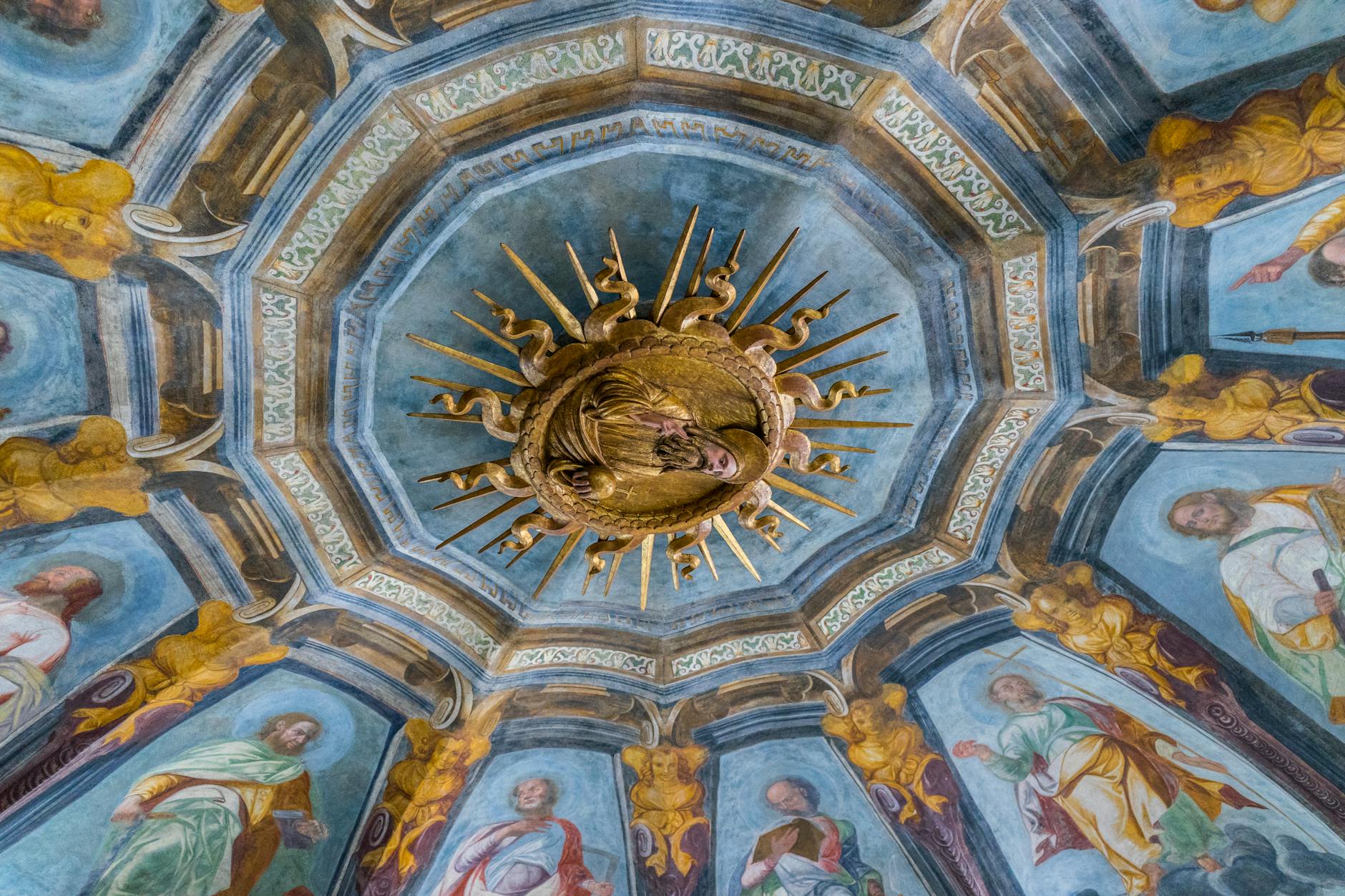
Arguably the greatest of all hidden gems in Milan, this 16th-century church on Corso Magenta is covered floor-to-ceiling in breathtaking Renaissance frescoes by Bernardino Luini, a pupil of Leonardo da Vinci. The church is divided into a public hall and a former nuns’ choir, both lavishly painted with biblical scenes in vivid colour. Entry is free, and on any given day you’ll find more locals than tourists. It’s a staggering artistic experience that rivals any ticketed attraction in the city — and yet remains wonderfully unknown to most visitors.
San Bernardino alle Ossa — The Bone Chapel
Tucked behind Piazza Santo Stefano, a five-minute walk from the Duomo, this small church contains an ossuary chapel whose walls are decorated with thousands of human bones and skulls arranged in haunting patterns. Built in the 13th century when a nearby cemetery overflowed, the ossuary is eerie, beautiful, and completely free to visit. It takes just 15 minutes but leaves a lasting impression — one of the most unusual hidden gems in Milan.
Chiesa di Santa Maria presso San Satiro
This tiny church near Via Torino contains one of the Renaissance’s greatest optical illusions. Architect Donato Bramante — who later designed St. Peter’s Basilica — created a stunning trompe-l’oeil apse that appears to extend deep into the building but is actually only 97 centimetres deep. The flat wall painted with precise perspective geometry fools your eyes completely. It’s free to enter and rarely crowded — a must for anyone who appreciates architectural ingenuity.
Hidden Gems Milan: Secret Streets and Neighbourhoods
Via Lincoln — Milan’s “Little Burano”
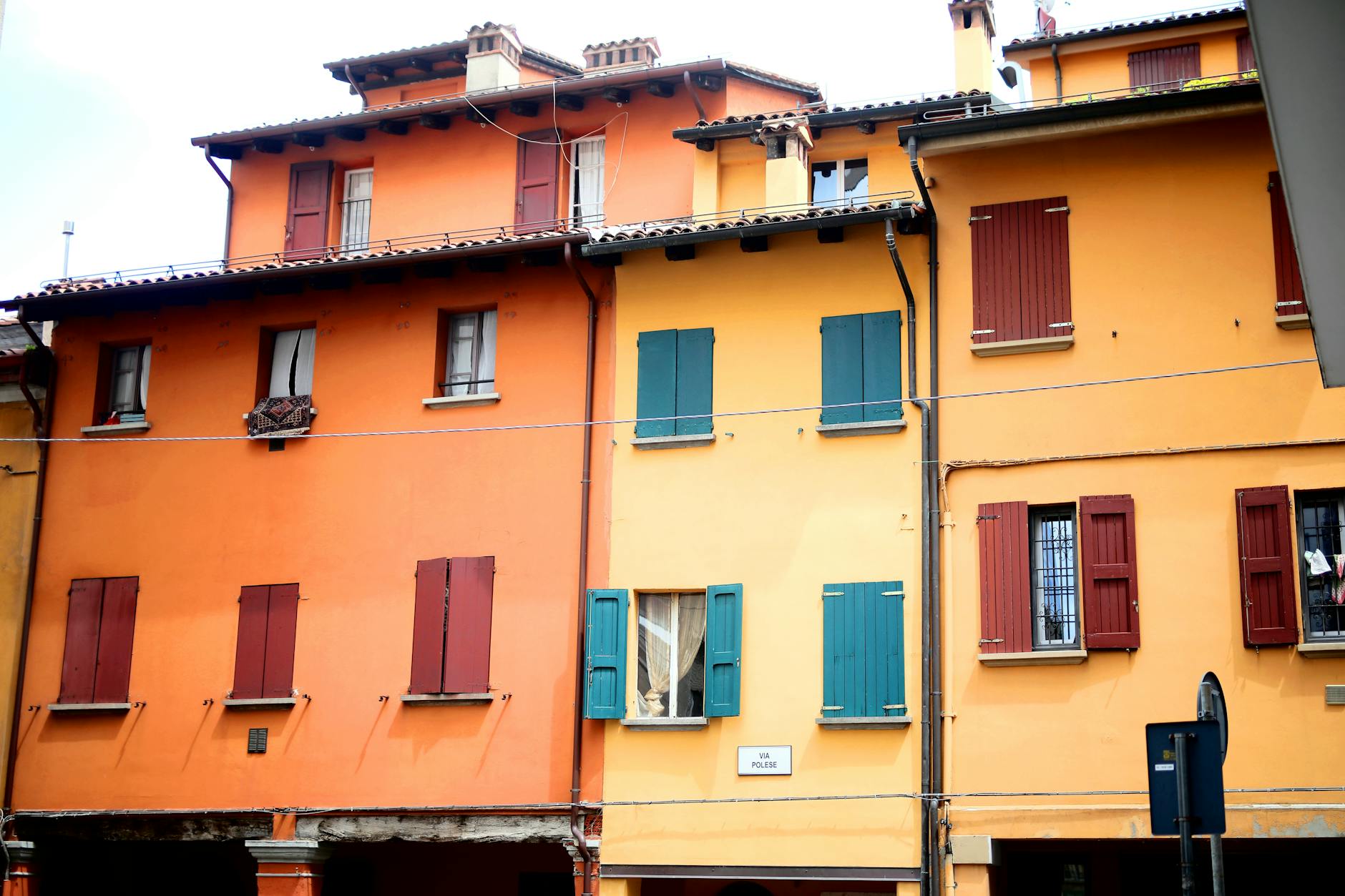
This narrow residential street near Porta Vittoria is one of the most photogenic hidden gems in Milan. The rainbow-coloured workers’ houses, built in the early 1900s as an innovative social housing project, create a scene reminiscent of Venice’s Burano island. Each building is painted a different pastel shade — pink, yellow, mint green, lavender — with wrought-iron balconies overflowing with flowers. It’s a short detour from the centre but feels like stepping into a different world. Reach it via the M4 metro to Dateo.
Chinatown — Via Paolo Sarpi
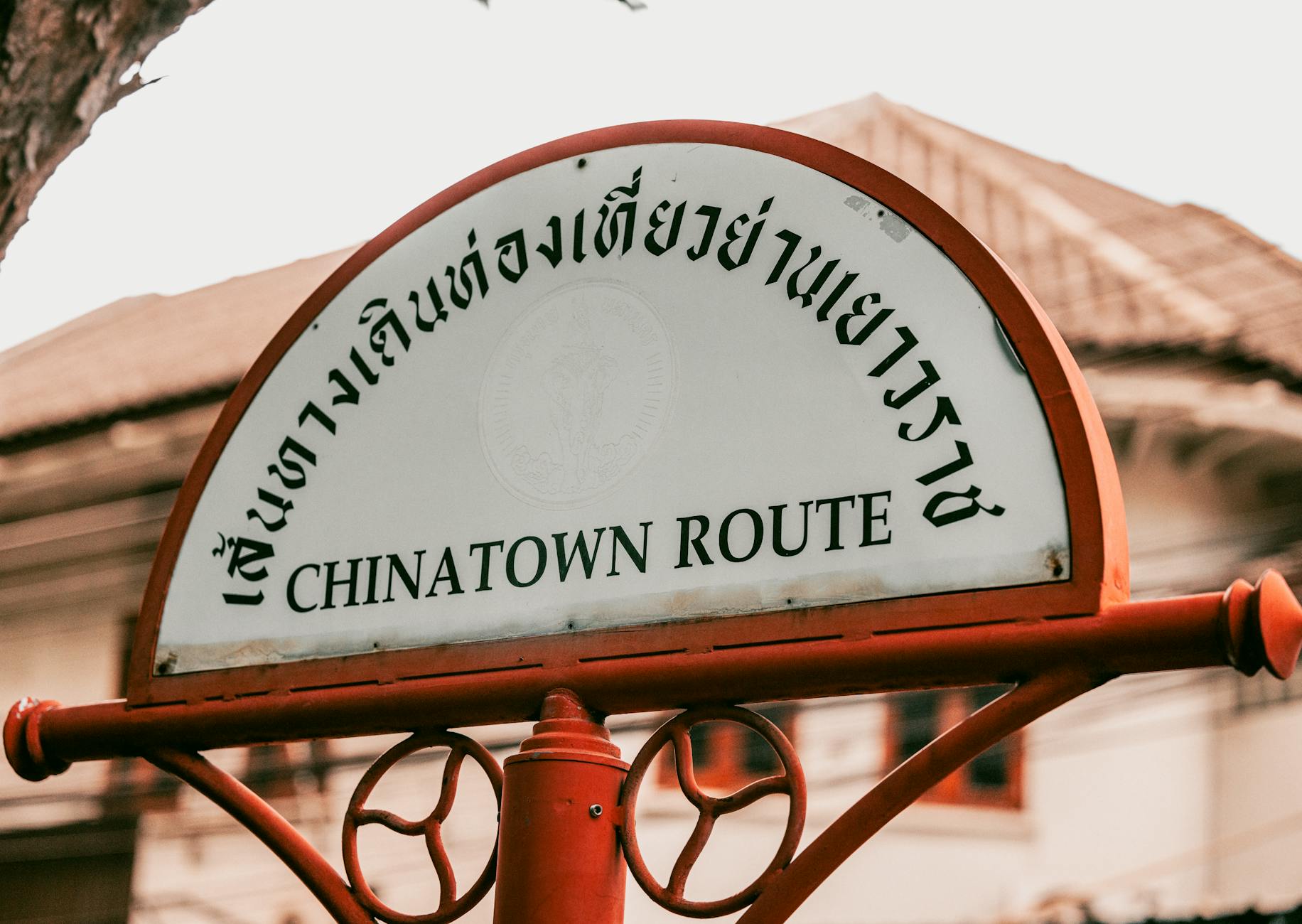
Europe’s oldest Chinatown is one of Milan’s most vibrant and underappreciated neighbourhoods. Centred around the now-pedestrianised Via Paolo Sarpi, this area blends Italian and Chinese cultures seamlessly. You’ll find authentic dim sum restaurants alongside traditional Milanese trattorias, Asian grocery stores next to Italian wine caves, and bubble tea shops beside artisan gelaterias. During Chinese New Year (January/February), the neighbourhood explodes with dragon dances, red lanterns, and firecrackers.
Ortica — The Street Art Neighbourhood
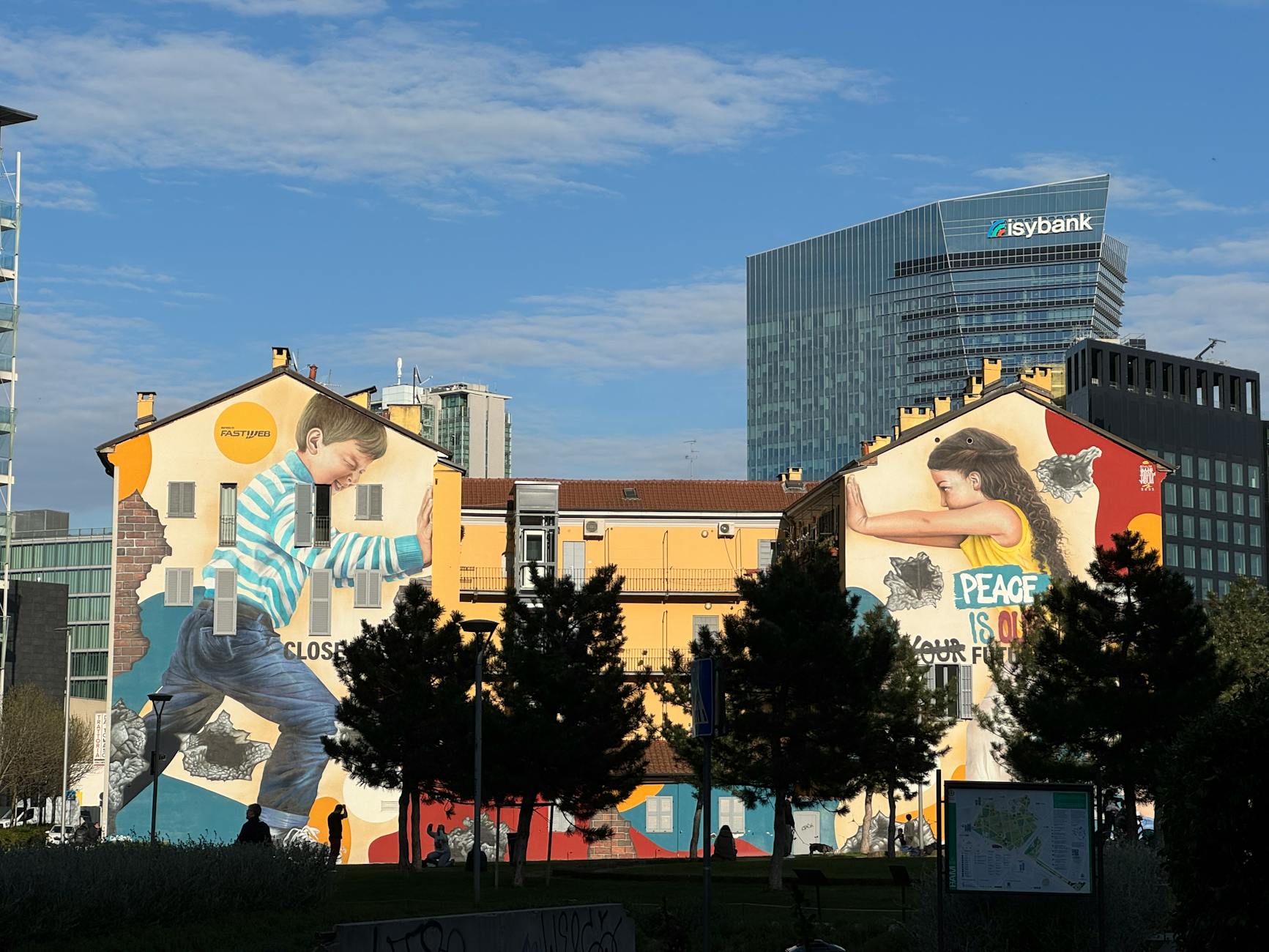
East of the centre, this working-class neighbourhood has been transformed into an extraordinary open-air gallery through the OR.ME (Ortica Memoria) project. Entire building facades are covered in massive murals depicting Milan’s history — from the Resistance movement to industrial heritage and cultural identity. Via Ortica is the main artery, but murals are scattered throughout the surrounding streets. Take the M4 metro to Forlanini and walk 10 minutes. It’s one of the best hidden gems in Milan for street art enthusiasts and photographers.
Isola District — Creative Quarter
Once literally “isolated” by railway tracks, Isola has evolved from a working-class neighbourhood into one of Milan’s most creative and trendy districts. Via Pastrengo is the heart — lined with independent boutiques, concept stores, and colourful street art. The area sits beneath the Bosco Verticale (Vertical Forest) towers and adjacent to the BAM botanical park, creating a fascinating contrast between old Milanese charm and futuristic architecture.
Hidden Gems Milan: Secret Gardens and Green Spaces
Palazzo Invernizzi Flamingos
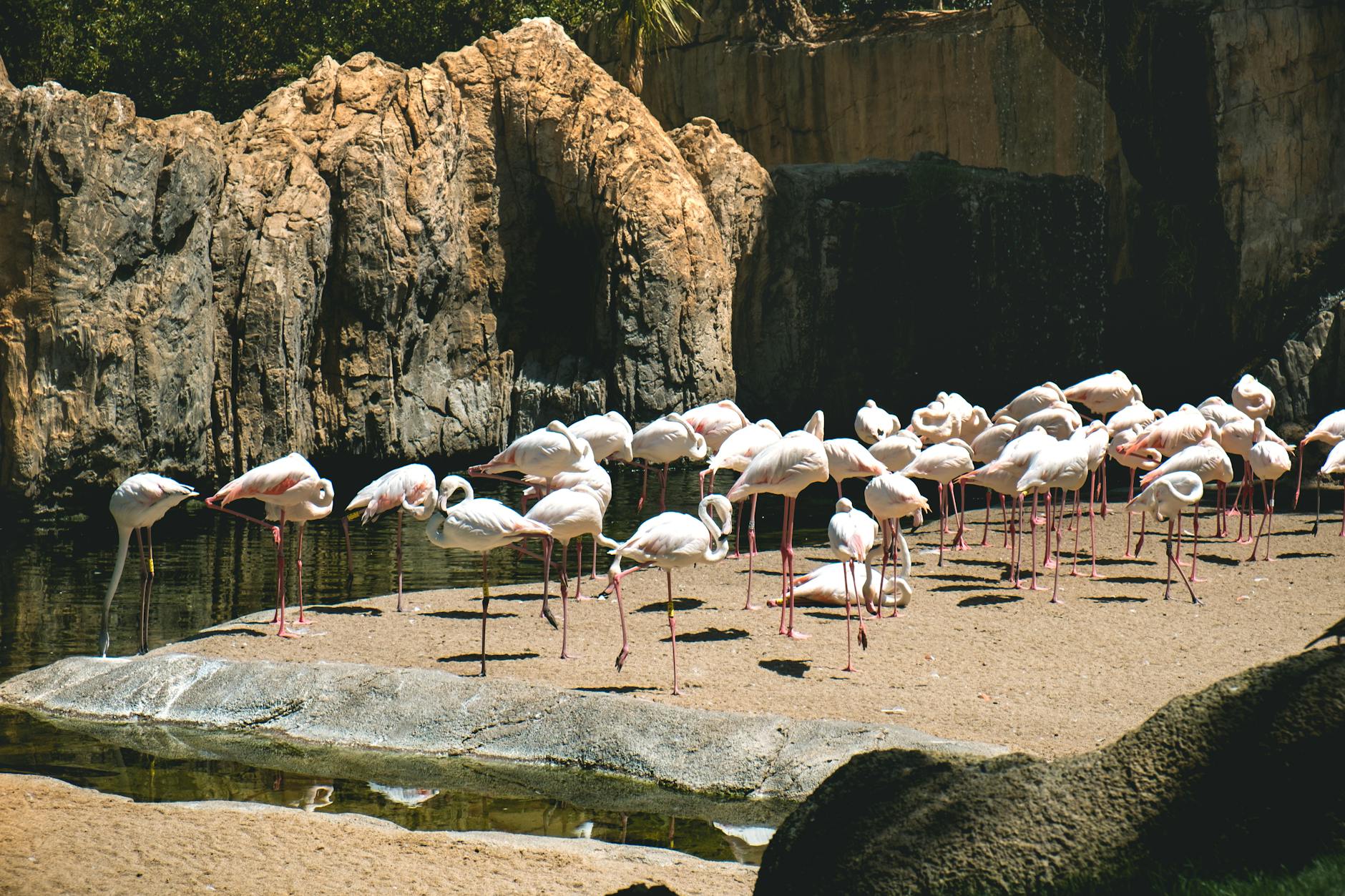
One of Milan’s most delightful surprises: a flock of pink flamingos living in the private garden of Palazzo Invernizzi on Via dei Cappuccini, near Porta Venezia. You can’t enter the grounds, but peering through the iron railings to spot these exotic birds strutting among the manicured gardens — in the middle of one of Europe’s busiest cities — is a surreal and charming experience. They’ve been here since the 1970s, brought by the building’s former owner. It’s free, takes five minutes, and never fails to surprise.
Orto Botanico di Brera
Hidden behind the Pinacoteca di Brera, this 18th-century botanical garden is one of the most peaceful hidden gems in Milan. Originally created by the Jesuits for medicinal plant research, the small garden features two original oval ponds, a greenhouse, and hundreds of plant species. It’s free, barely signposted, and a perfect escape from the busy streets of the Brera district. Open April through October, with limited winter hours.
Giardino della Guastalla
Milan’s oldest garden (dating to 1555) sits near the Università Statale campus and is largely unknown to tourists. This elegant Renaissance garden features a Baroque goldfish pond, classical statues, ancient magnolia trees, and a 17th-century shrine. It’s small but exquisitely maintained — perfect for a quiet lunch break or a few minutes of contemplation away from the city bustle.
Hidden Gems Milan: Secret Courtyards and Architecture
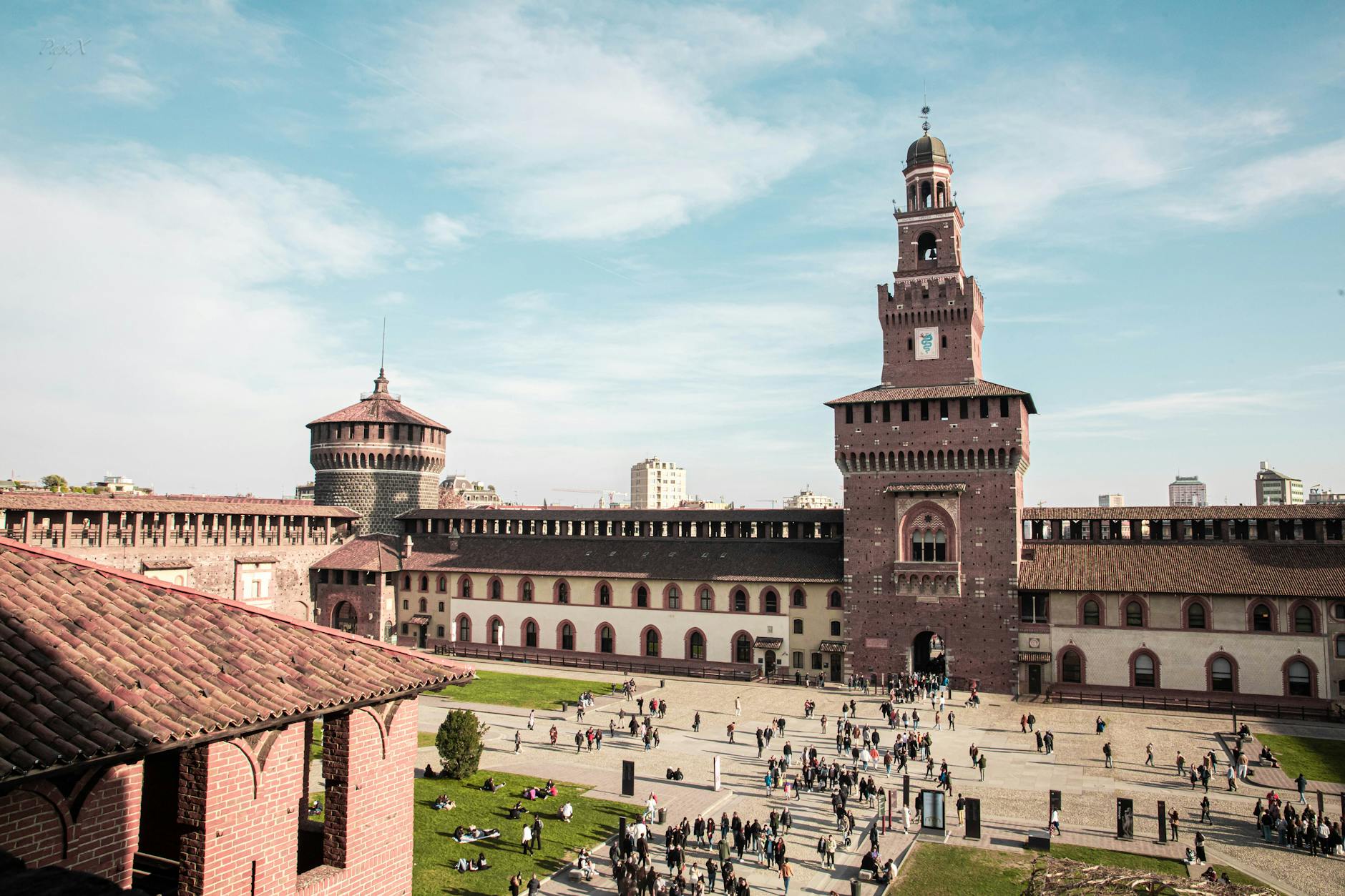
Milan’s Secret Courtyards (Cortili Segreti)
One of the most rewarding hidden gems in Milan requires no map — just a willingness to push open heavy wooden doors. Many of Milan’s grand palazzi hide spectacular courtyards behind unremarkable street facades. Some of the best include: Casa degli Atellani on Corso Magenta (home to Leonardo’s Vineyard), the Palazzo Borromeo courtyard with its 15th-century frescoes, and the beautiful colonnade of Ca’ Granda (now the Università Statale). During Milan Design Week in April, many usually private courtyards open their doors to the public.
Highline Galleria — Rooftop Walkway
While the Galleria Vittorio Emanuele II is hardly a secret, few visitors know you can walk across its rooftop. The Highline Galleria takes you along the external walkways at the top of the building, offering unique perspectives of the glass and iron roof, the Duomo’s spires, and the city skyline. Access requires a modest ticket, but it’s rarely crowded — a completely different experience from the shopping crowds below.
Hidden Gems Milan: Off-the-Radar Museums
Museo Bagatti Valsecchi
This extraordinary house museum in the Quadrilatero della Moda recreates a Renaissance-era noble residence with remarkable authenticity. Brothers Fausto and Giuseppe Bagatti Valsecchi spent decades in the late 1800s furnishing their home with genuine 15th- and 16th-century furniture, armour, tapestries, and artworks. Walking through its rooms feels like stepping back five centuries. It’s small, intimate, and one of the most underrated cultural experiences in Milan.
Villa Necchi Campiglio
This stunning 1930s Art Deco villa on Via Mozart — a FAI (Italian National Trust) property — showcases the elegant lifestyle of Milan’s industrial elite. Designed by architect Piero Portaluppi, the house features a swimming pool (one of the first private pools in Milan), tennis court, and interiors mixing Rationalist architecture with period furnishings. Film fans may recognise it from the movie I Am Love starring Tilda Swinton. The beautiful garden alone is worth the modest entrance fee.
Fondazione Prada
While not exactly unknown, the Fondazione Prada campus in Largo Isarco remains under-visited compared to central museums. This converted gin distillery redesigned by architect Rem Koolhaas features cutting-edge contemporary art exhibitions, the gold-leaf-covered “Haunted House” tower, and Bar Luce — a café designed by film director Wes Anderson with his signature pastel aesthetic. It’s one of the most architecturally exciting hidden gems in Milan.
Hidden Gems Milan: Canals Beyond the Navigli
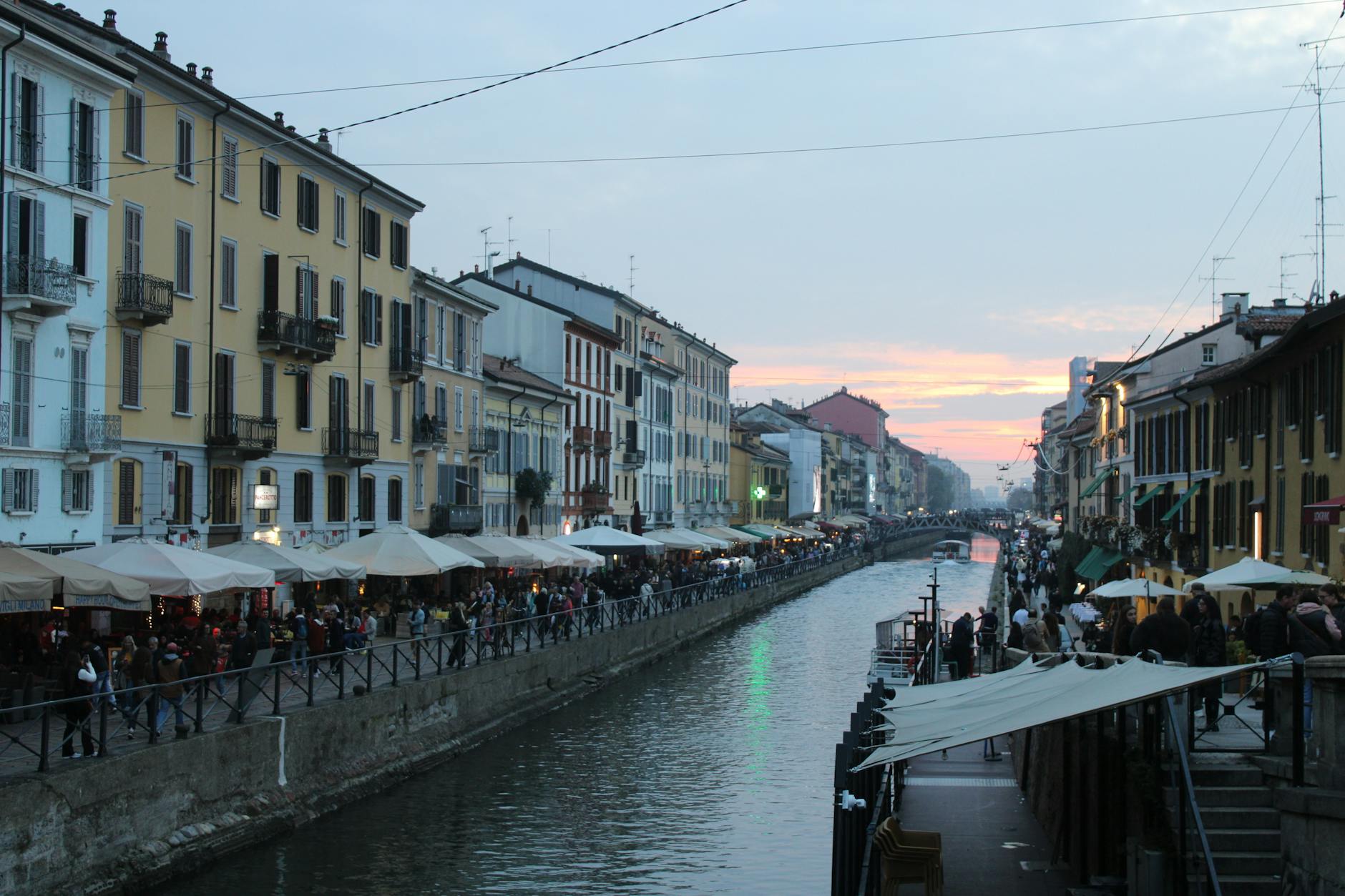
Naviglio Martesana — The “Secret” Canal
While everyone knows the Naviglio Grande and Naviglio Pavese, the Naviglio Martesana on the northeast side of Milan is a genuine hidden gem. This canal has a dedicated cycling and walking path (the Alzaia Naviglio Martesana) that stretches for kilometres through residential neighbourhoods, past community gardens, and alongside old industrial buildings being converted into creative spaces. There are far fewer tourists here — mostly local joggers, cyclists, and families enjoying aperitivo at canal-side bars. It connects to the Cassina de’ Pomm area, a charming cluster of old Milanese houses along the water.
Hidden Gems Milan: Local Food Experiences
Mercato Comunale di Via Fauché
Skip the tourist-oriented food halls and visit this neighbourhood market near Piazza Firenze instead. Local vendors sell fresh produce, regional cheeses, cured meats, and prepared foods at genuine Milanese prices. The surrounding streets also host an excellent Tuesday and Saturday outdoor market. It’s where Milan actually shops — and a wonderful way to experience the city’s everyday food culture.
Pasticceria Marchesi (Original Location)
While the Galleria branch is well-known, the original Marchesi pastry shop on Via Santa Maria alla Porta has been serving Milanese since 1824 and retains its gorgeous antique green-and-gold interior. The panettone (available year-round, not just at Christmas) and the delicate pasticcini (mini pastries) are exceptional. Sit at the marble bar for an espresso and pastry like a true local — an authentic Milanese ritual.
Tips for Finding Hidden Gems in Milan
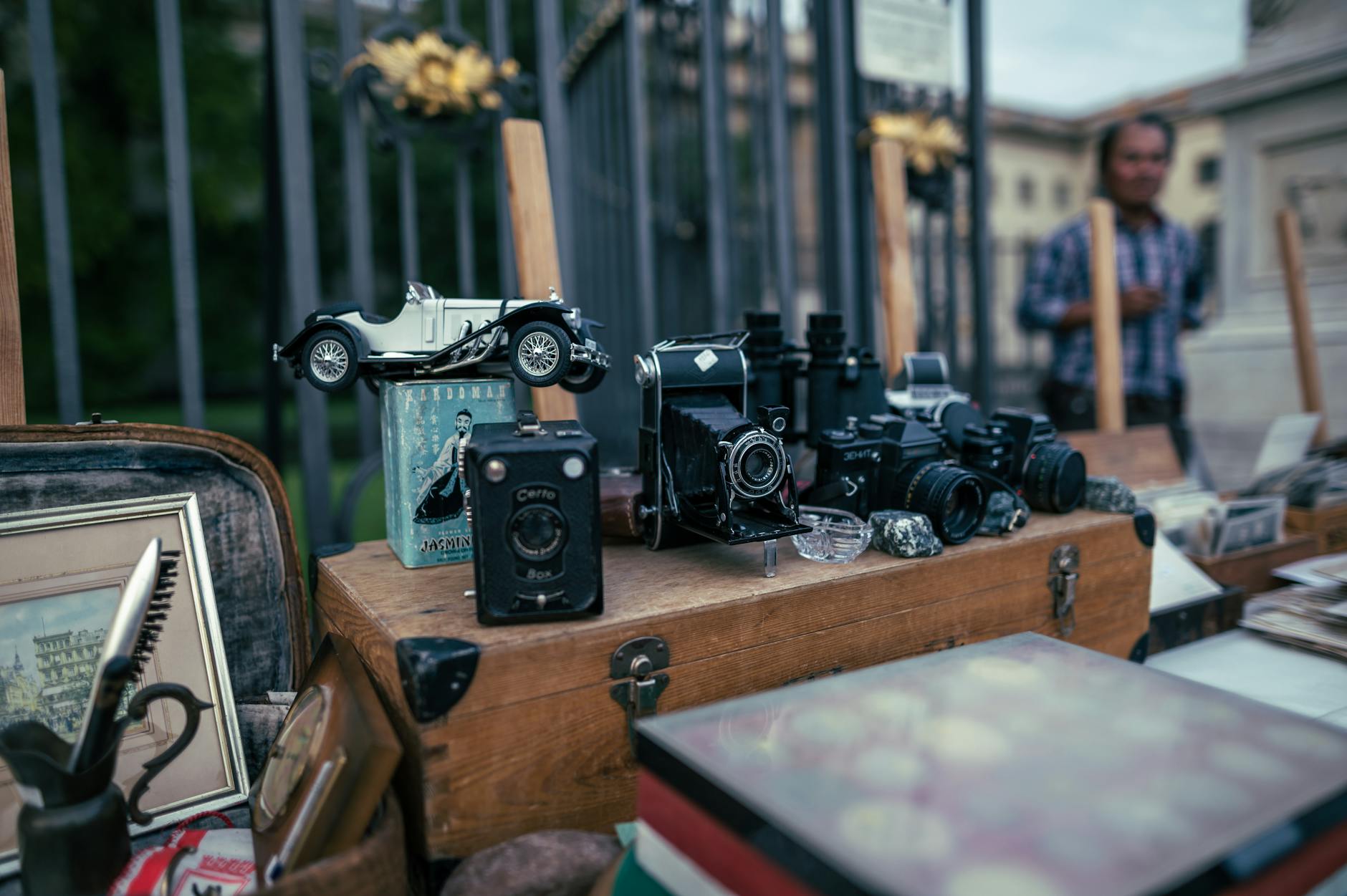
The best hidden gems in Milan often reveal themselves to those willing to explore beyond the obvious. Here are some tips: walk down side streets and peek through open doorways — Milan’s grandest treasures often hide behind plain facades. Visit during shoulder season (March–May, September–October) when these spots are even quieter. Use Milan’s metro to reach outlying neighbourhoods like Ortica and Isola quickly. And ask locals — Milanese are proud of their city’s secrets and usually happy to share them with curious visitors.
For more inspiration, explore our guides to free things to do in Milan, things to do in Milan, and multi-day itineraries that incorporate many of these hidden gems into practical day plans.
Related Milan guides
Keep planning with our other things to do in Milan resources: