Book a flat in the right Milan neighbourhood and you stop feeling like a tourist by day two. You shop at the corner alimentari, make your own morning coffee, and come home each night to a quiet street instead of a hotel corridor. Get it wrong, though, and you can land a noisy walk-up a tram-ride from everything, with a stranger handing you keys on a corner.
For Design Week an apartment usually beats a hotel on price per head — our guide to where to stay during Milan Design Week explains when that flips.
For most visitors, Milan Airbnb apartments make sense from about three nights up, or for families and groups who want space and a kitchen. Expect roughly €90–€180 a night for a central one-bedroom. Base yourself in Navigli, Porta Venezia, Brera or Isola, book a licensed listing with a real address, and you will live like a Milanese for a week.
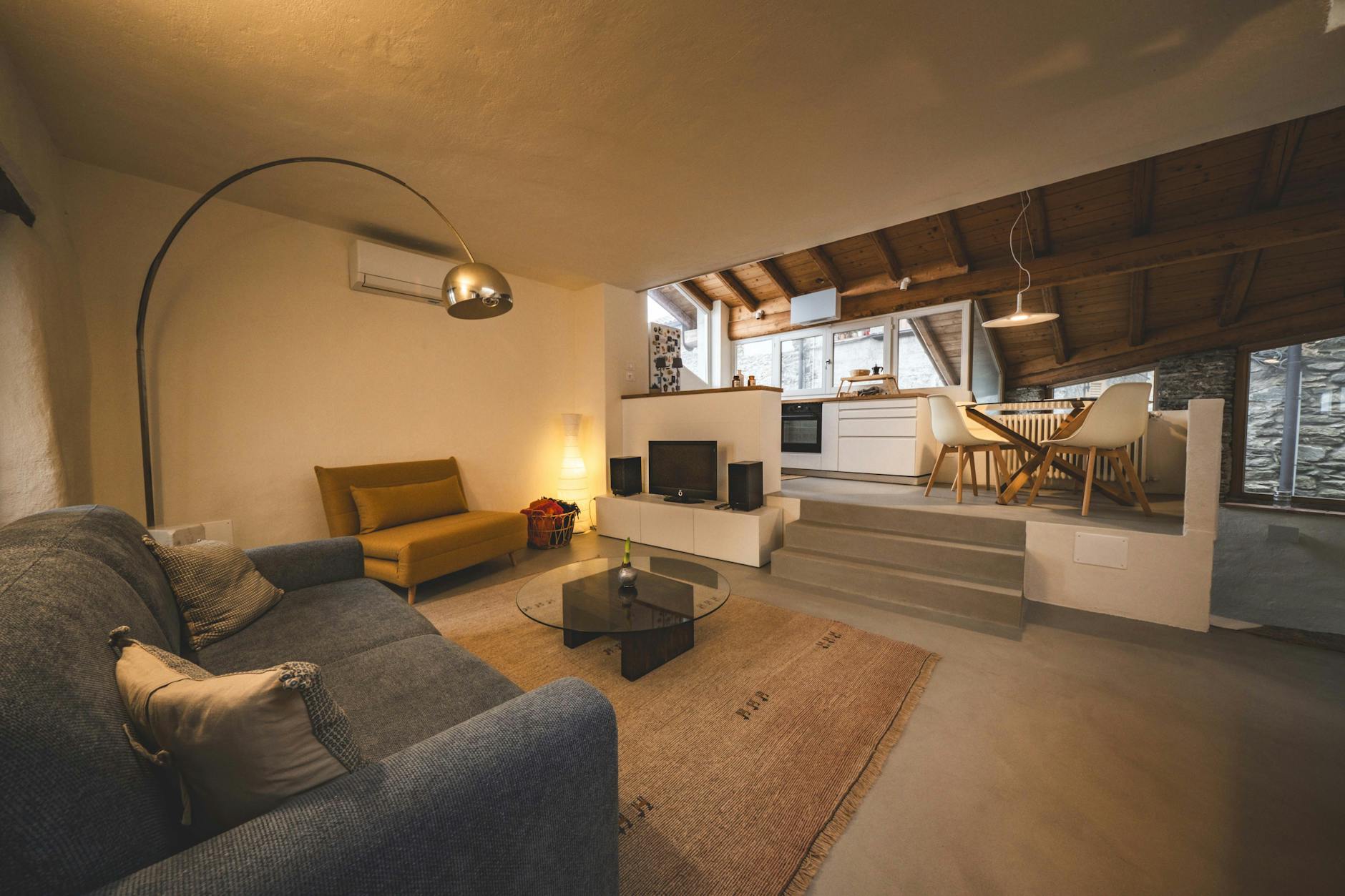
I have rented flats all over this city, from a poky studio above a Navigli bar to a generous family place near the park, and I have learned where the value is and where the traps are hiding. This guide walks through who an apartment actually suits, the neighbourhoods worth your money, what you should pay, and the booking rules that changed recently and now catch people out. For the full picture across hotels too, our main guide to where to stay in Milan sets the scene, and the Milan neighbourhoods guide explains the character of each district.
Milan apartments at a glance
Here is the quick version: match the area to your trip, then worry about the flat itself.
| Area | Best for | The trade-off |
|---|---|---|
| Navigli | Nightlife, aperitivo, a young scene | Loud on weekend nights, further from the Duomo |
| Porta Venezia | Value, leafy streets, a local feel | Residential rather than postcard-pretty |
| Brera & centre | Walking to every big sight | Pricier, fewer true bargains |
| Isola / Porta Nuova | Modern flats, great transport | Sleek but a little corporate |
| Città Studi / east | Long stays, more space per euro | You will rely on the metro and trams |
| Near Centrale | Day-trippers, early trains | The blocks by the station are charmless |
If you remember one rule, make it this: pick a flat within a ten-minute walk of a metro stop. Milan’s centre is compact and the public transport is excellent, so a well-connected flat in a cheaper district beats an isolated one in a smarter postcode. Our Milan transport guide explains the metro, trams and passes in plain English.
Is an apartment the right call for your trip?
An apartment is not automatically the better choice. For a quick one or two-night stop, a hotel usually wins: someone is at the desk when your train is late, breakfast appears without effort, and you are not chasing a host for the door code at 11pm. If that sounds like your trip, our notes on where to stay for the first time and the city’s best luxury hotels will serve you better.
A flat starts to pull ahead at around three nights, and it really shines for families, friends travelling together, and anyone staying a week or more. The maths is simple. A kitchen lets you eat breakfast in and cook the odd dinner, which adds up fast in a city where a sit-down meal rarely comes cheap; if you are counting every euro, pair this with our budget Milan guide. A separate bedroom and a sofa mean a group of four can share one flat for less than two hotel rooms. And a washing machine, which most Milan flats have, is worth more than you would think on a longer trip. Families in particular often find an apartment beats a hotel for space and sanity, though our family hotels guide is worth a look if you would rather have hotel service on tap.
The best neighbourhoods for an apartment
Where you base yourself matters more than the flat’s decor. These are the districts I steer people toward, and why.
Navigli, for the nightlife crowd
The canal district in the south is Milan’s after-dark heart, all waterside bars and crowds spilling onto the towpaths. Renting here means you roll home from dinner and drinks on foot, which is the whole appeal. The flip side is noise: weekend nights run late and loud, so look for a flat on a side street or an internal courtyard rather than directly on the Naviglio Grande. Read our Navigli guide and the Milan aperitivo guide to see if this is your scene, and our roundup of where to stay for nightlife digs deeper into the best streets.
Porta Venezia, for value and a local feel
This is where I most often send friends renting a flat. Just east of the centre, Porta Venezia is handsome, leafy and genuinely lived-in, with excellent metro links, the big public gardens on the doorstep and some of the best Eritrean food in Italy a short walk away. You get more flat for your money than in the centre while staying a short ride from everything. Our Porta Venezia guide has the full rundown.
Brera and the centre, for walking to everything
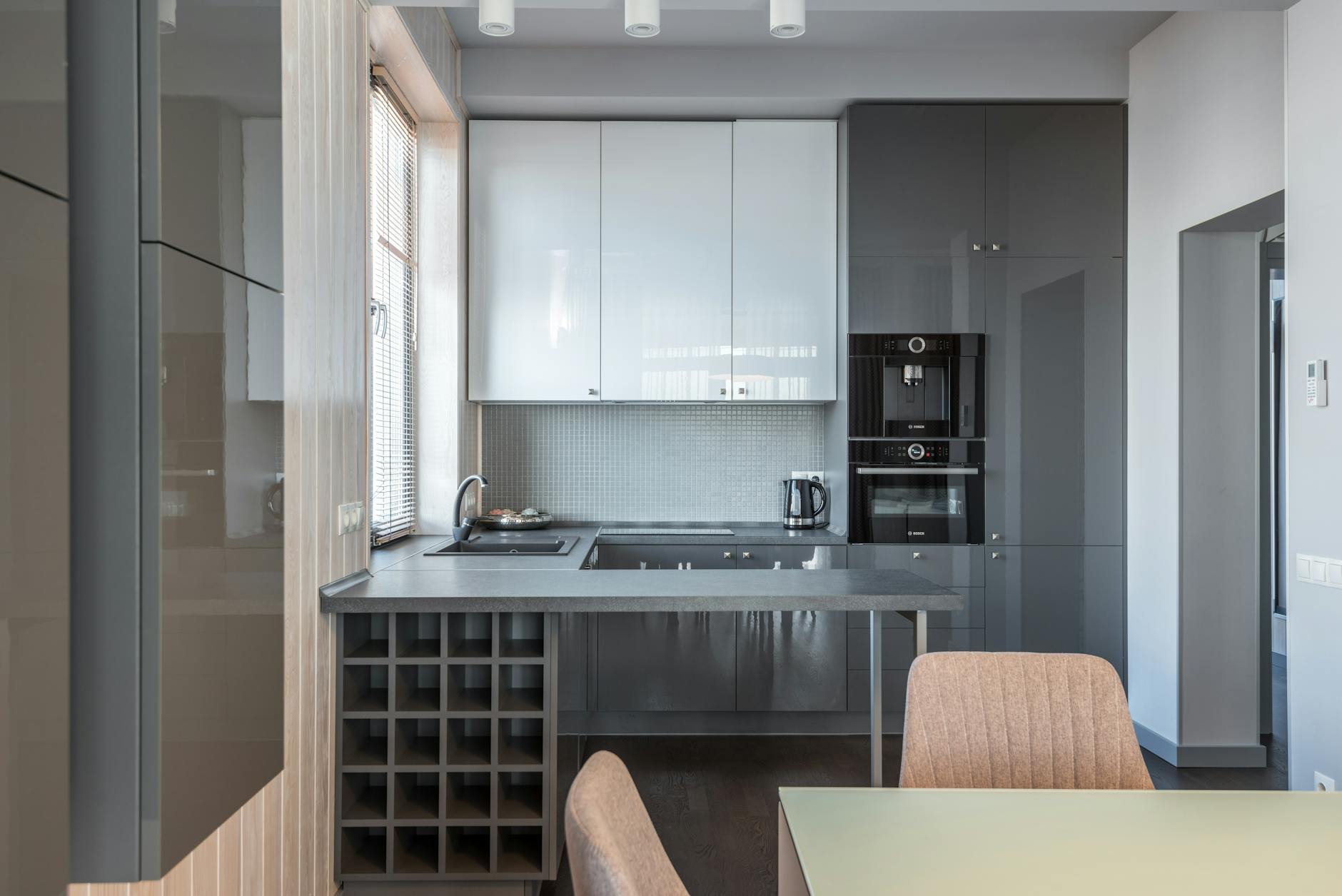
If your priority is stepping out of the door and being among the sights, look at the centre and especially Brera, the artists’ quarter just north of La Scala. Cobbled lanes, galleries and candlelit trattorias give it a village calm the area right by the Duomo lacks. Apartments here cost more and true bargains are scarce, but for a short, sight-packed trip the location earns its keep, putting the whole list of things to do in Milan within a walk.
Isola and Porta Nuova, for modern flats
North of the centre around the skyscrapers, Isola is a former working-class district turned creative and stylish, sitting right beside the gleaming Porta Nuova business quarter. Flats here tend to be newer and better equipped, transport is superb, and the neighbourhood has real personality of its own. It is a smart pick if you like contemporary Milan and want a reliable, well-finished place.
Near Centrale, for day-trippers
If your plan is heavy on out-of-town excursions, a flat near Milano Centrale puts you a few minutes from trains to the lakes, the wine country and the art cities. The immediate streets are not pretty, but the value can be good and the transport unbeatable. Our guide to hotels near Milano Centrale flags the good streets, which apply to flats just as well.
What you will pay
Prices move with the season and the calendar, so treat these as a guide and always check current rates. In normal periods, a small central studio runs roughly €80–€120 a night, a comfortable one-bedroom in a good area around €110–€180, and a two-bedroom that sleeps a family or four friends somewhere from €170–€280. Slightly further out, in districts like Città Studi, you can shave a fair bit off those numbers for the same amount of space.
Two things blow these figures apart. The first is Milan’s events calendar: during Fashion Week and the April design fair, the Salone del Mobile, prices across the entire city roughly double and the best flats vanish months ahead. Check our best time to visit Milan notes before you lock in dates, because shifting your trip by a week can halve your accommodation bill. The second is the extras, which we will get to in a moment, and which can quietly add 20% or more to the headline nightly rate.
Booking smart: the rules, the fees and the scams
Renting a short-term flat in Milan has a few wrinkles worth knowing before you pay.
First, the legitimacy check. Italy now requires short-term rentals to display a national identification code, the CIN, on their listing, and hosts must do an in-person identity check at arrival rather than handing over keys through a remote lockbox alone. In practice this means a properly licensed flat will show a registration code and the host or an agent will meet you. Treat a listing with no code, a host who refuses a video call, or pressure to pay off-platform as a red flag. Always pay and message through the booking site so you keep the protection it offers.
Second, the extras. Most listings add a cleaning fee, sometimes a steep one on shorter stays, plus the city’s tourist tax, which is a few euros per person per night and is often collected in cash on arrival. Read the full price breakdown, not just the nightly headline, and factor those in when you compare a flat against a hotel.
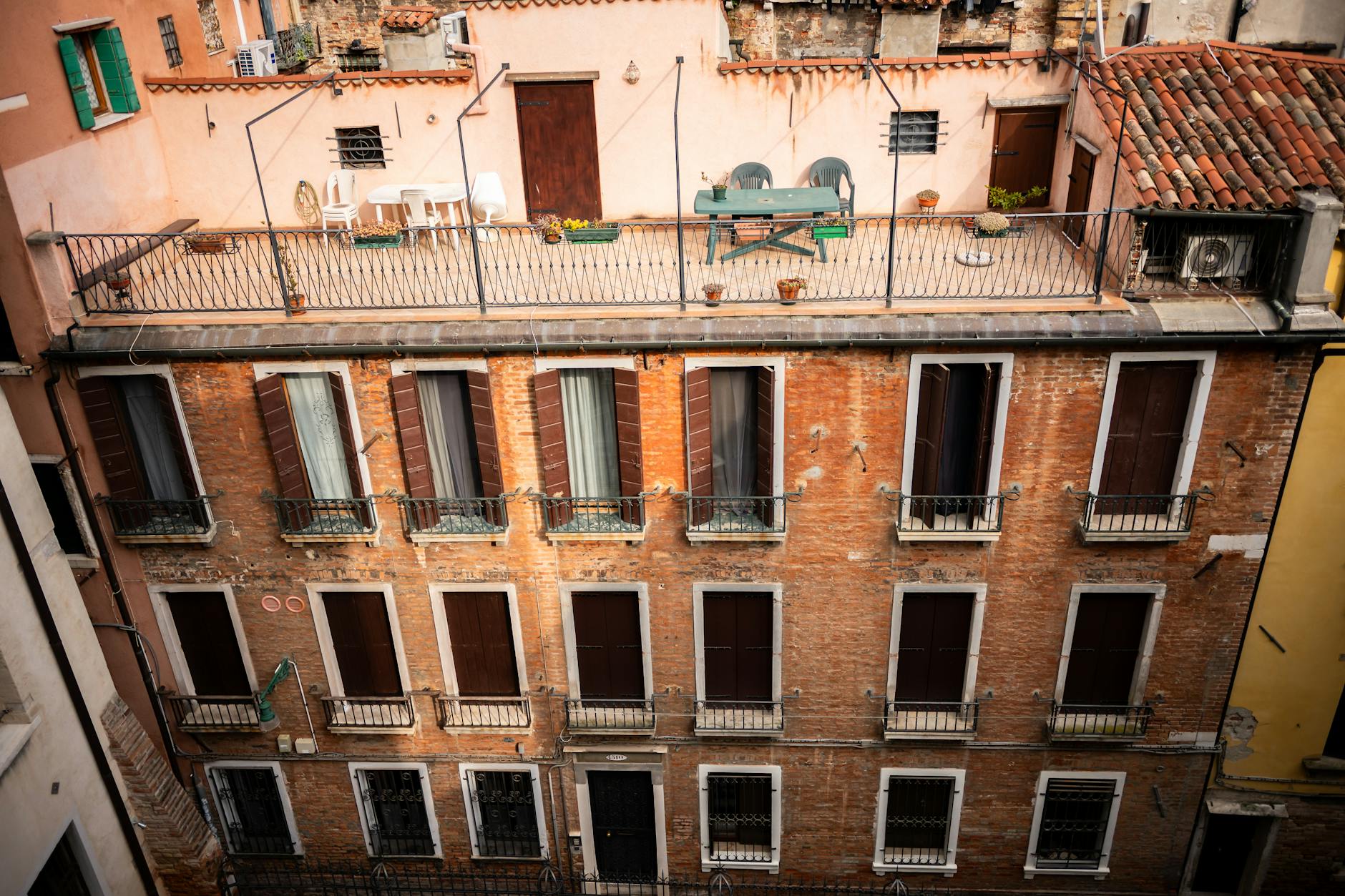
Third, the practical questions to ask before booking: which floor and is there a lift, because plenty of charming Milan buildings are walk-ups; how the check-in works and whether someone will be there if your train is delayed; whether there is air conditioning, which is close to essential in a Milan summer; and exactly how far the nearest metro or tram stop is, measured in minutes rather than a vague “central”. A host who answers these clearly is a host worth booking.
Apartments, aparthotels and the in-between
If you like the idea of a kitchen and space but want the reassurance of a front desk, an aparthotel or a serviced residence splits the difference: you get a small flat with hotel-style check-in, daily security and often cleaning, usually for a bit more than a private rental. Several cluster around Porta Nuova and the business districts. At the other end, a handful of budget hotels and hostels now offer private rooms with kitchen access that can undercut a flat for solo travellers on a short stay. And if your trip is really about the city’s design, food and shopping rather than where you sleep, it is worth skimming our broader Milan shopping guide to plan the days around your base.
Frequently asked questions
Is Airbnb legal in Milan?
Yes. Short-term rentals are legal but regulated. Listings must carry a national identification code (the CIN), and hosts are required to verify guests’ identity in person on arrival. Book only properly registered flats, pay through the platform, and you are on solid ground.
How much does a Milan apartment cost per night?
In normal periods, budget roughly €80–€120 for a central studio, €110–€180 for a good one-bedroom, and €170–€280 for a two-bedroom. Add a cleaning fee and the per-person tourist tax. During Fashion Week and the April design fair, expect those figures to roughly double.
Which area is best for a first apartment stay?
Porta Venezia is my default for value and a local feel with great transport; Navigli suits night owls; Brera and the centre suit short, sight-heavy trips. All sit within a short metro ride of the main attractions, so prioritise being near a stop.
Apartment or hotel: which is cheaper?
For one or two nights, a hotel is usually simpler and often cheaper once cleaning fees are counted. From about three nights, and especially for families or groups who will use the kitchen and a second bedroom, an apartment normally wins on both cost and comfort.
Do I need a car if I rent a flat?
No, and you actively do not want one. Central Milan has restricted-traffic zones, scarce and pricey parking, and superb public transport. Pick a flat near a metro or tram stop and you will reach the whole city, and the train stations for day trips, without ever needing to drive.
Final thoughts
An apartment is how I would do Milan for anything longer than a weekend. The freedom to shop the markets, cook when you feel like it and settle into a real neighbourhood turns a city break into something closer to living here. Choose your district first, insist on a licensed listing with a clear address and an honest fee breakdown, and keep one eye on the events calendar. Do that, and you will get a flat that makes the whole trip feel like yours. When you are ready to fill the days, our guides to things to do in Milan and where to stay across the city will take it from here.