Milan rewards people who pick the right base. Get it right and the whole city opens up on foot and by metro; get it wrong and you will spend your short trip commuting past the things you came to see.
For a first time in Milan, stay in or near the historic centre around the Duomo, or in the elegant Brera district right beside it. Both put the cathedral, the Galleria and the main sights within walking distance and on direct metro lines. Choose Navigli if nightlife matters more than location, and the Centrale station area if you are taking lots of day trips.
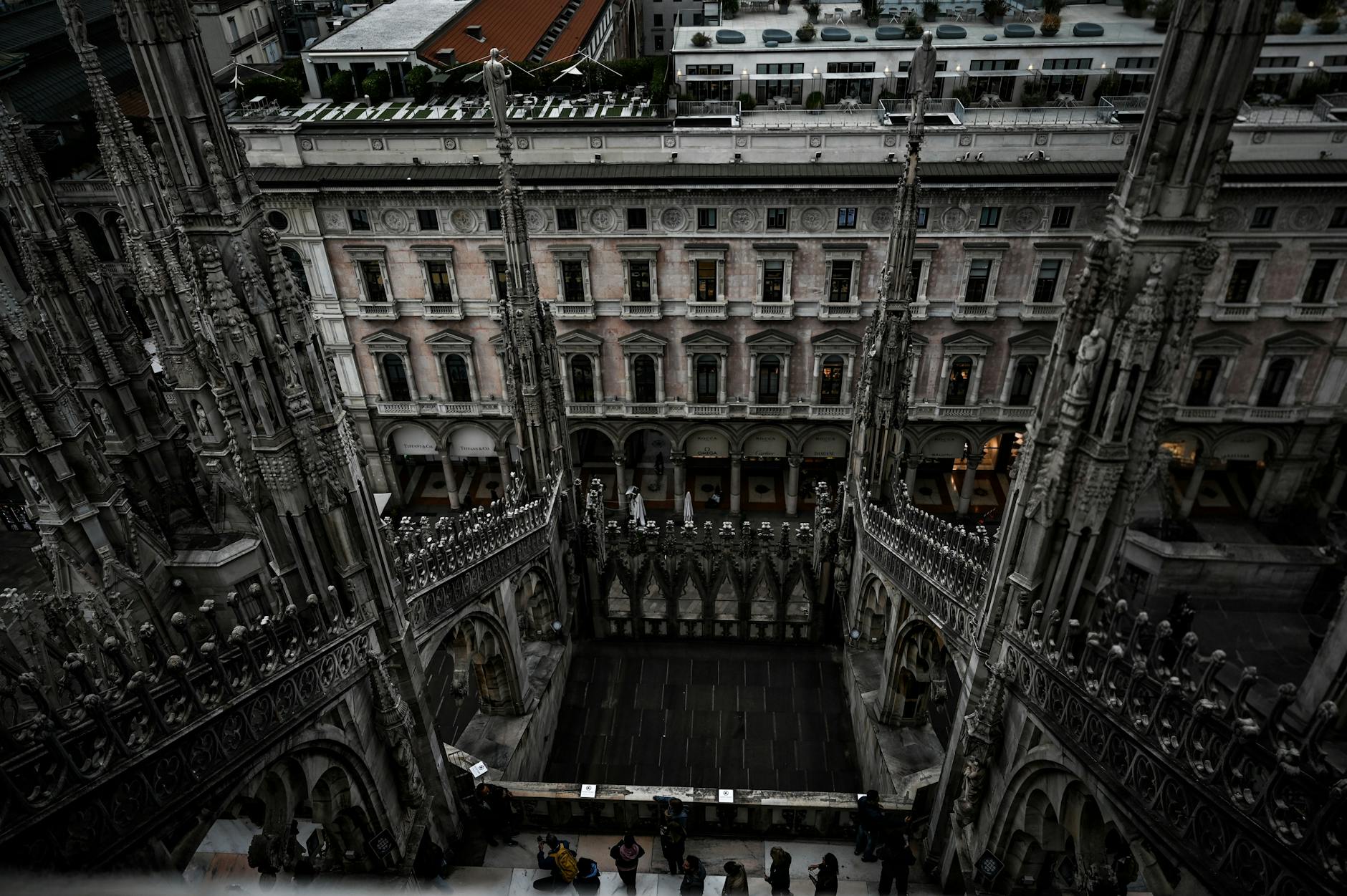
I have stayed all over this city, and my advice for a first visit is simple: prioritise being central and near a metro stop over getting a slightly bigger room further out. Milan’s centre is compact, the public transport is excellent, and the time you save walking back to your hotel for a mid-afternoon breather is worth more than the saving on a cheaper bed in the suburbs. Here is how the main neighbourhoods compare, and who each one suits.
Where to stay in Milan for the first time, at a glance
| Area | Best for | The trade-off |
|---|---|---|
| Duomo / Centro | First-timers who want to walk everywhere | Pricier, busier, more touristy |
| Brera | Romance, charm, central but calmer | Not cheap, limited budget options |
| Navigli | Nightlife, aperitivo, a younger crowd | Further from the main sights, noisier |
| Porta Venezia | Good value near the centre, local feel | Residential rather than postcard-pretty |
| Milano Centrale | Day-trippers and early trains | The immediate station area is charmless |
| Porta Nuova / Garibaldi | Modern Milan, sleek hotels, transport | Corporate feel, fewer old-city looks |
If you only remember one thing from this whole guide to where to stay in Milan for the first time, make it this: book something within a ten-minute walk of a metro station, and the rest will sort itself out. For the full picture across every budget and area, our main where to stay in Milan guide goes deeper, and the Milan neighbourhoods guide explains the character of each district.
The Duomo and historic centre: the safe first-timer choice
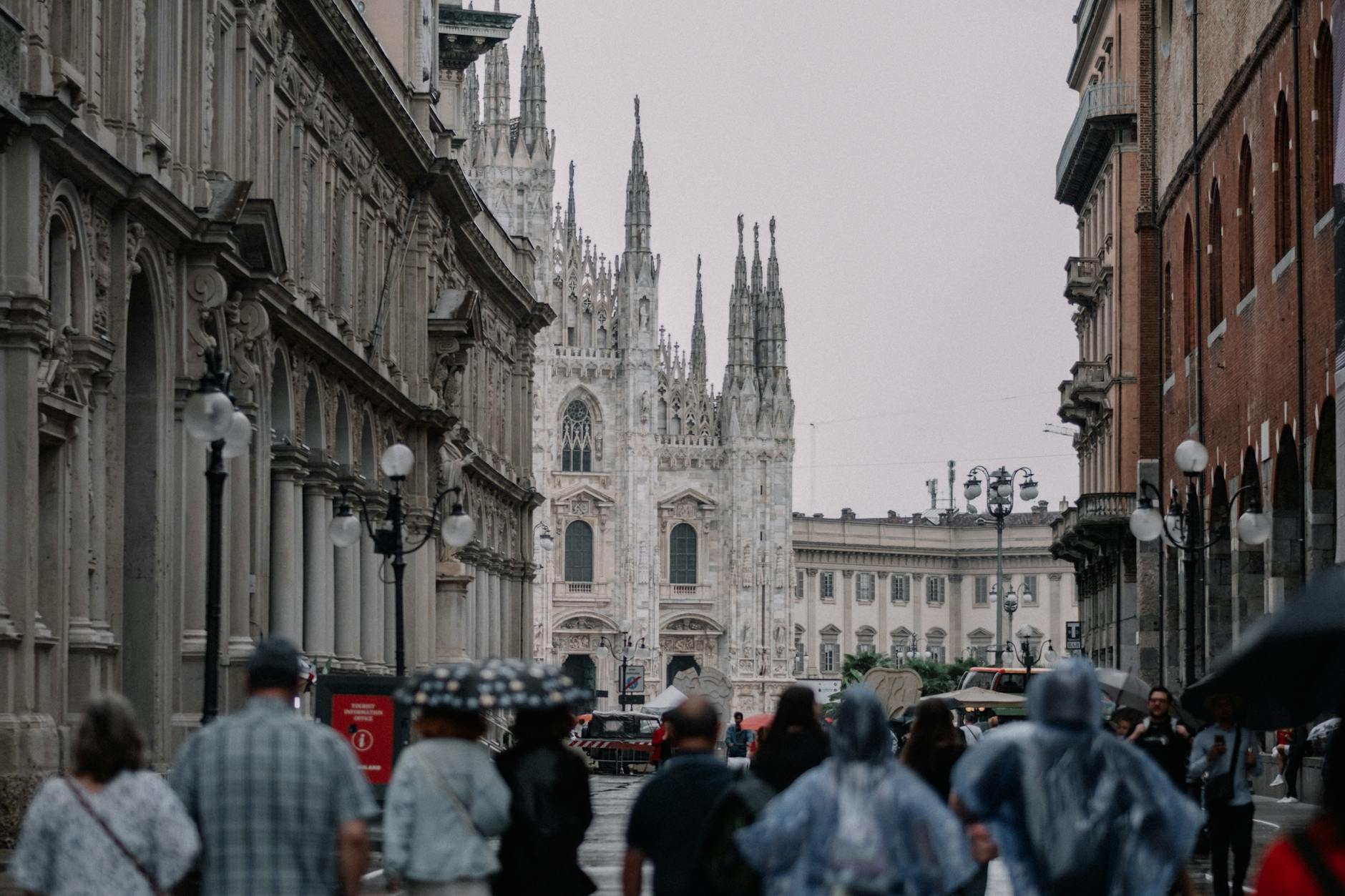
If this is your first trip and you want zero friction, base yourself around the Duomo. You will wake up a few minutes’ walk from the cathedral, the Galleria Vittorio Emanuele II, La Scala and the start of the luxury shopping streets, and you can fold back to your room whenever your feet give out. For a packed-but-doable first day, our Milan in one day itinerary starts right here.
The trade-off is money and crowds. This is the most expensive part of the city to sleep in, and the streets immediately around the cathedral throng with day-trippers. But the convenience is real, especially if your stay is short. Our roundup of hotels near the Duomo covers the range from grand to merely well-placed, and if you are travelling in style the luxury hotels of Milan cluster in and around this district.
Brera: central but with a soul
Brera is where I send friends who want to be central without feeling like they are sleeping in a tourist machine. It sits just north of the Duomo and La Scala — walkable to everything — yet its cobbled lanes, art academy, little galleries and candlelit trattorias give it a village calm the centre lacks. It is romantic, photogenic, and genuinely lovely at night.
Prices here are not low, and true budget rooms are scarce, but for a first trip where atmosphere matters, Brera is hard to beat. The neighbourhood leans toward characterful independent hotels rather than big chains, so it is worth a look through our boutique hotels in Milan picks. Read our full Brera guide to see whether its mood is your kind of thing before you book.
Navigli: stay here if nightlife is the point
The Navigli is the canal district in the south of the city, and after dark it becomes Milan’s aperitivo and nightlife heartland — bars lining the water, crowds spilling onto the towpaths, a buzz that runs late. If your idea of a great trip is long evenings out and you do not mind a metro ride to the cathedral in the morning, base yourself here.
Be honest with yourself about the trade-off, though: it is further from the headline sights, and the liveliness that makes it fun also makes it loud on weekend nights, so ask for a room off the canal. Our dedicated guide to where to stay in Milan for nightlife digs into the best streets, and the Navigli neighbourhood guide and our aperitivo guide will get your evenings started.
Near Milano Centrale: built for day trips
If your plan involves a lot of out-of-town excursions — the lakes, the wine country, the nearby art cities — staying near Milano Centrale station can be the smart, unglamorous choice. You roll out of bed and onto a train, and the area is well connected by metro to the centre in a few minutes. It also tends to offer more rooms for your money than the historic core.
The catch is that the blocks immediately around the station are not Milan’s prettiest, and the very-late-night atmosphere can feel a bit transient. Pick your hotel with care and you will be fine; our guide to hotels near Milano Centrale flags the good streets. If day trips are a big part of your plan, our Milan itineraries guide helps you sequence them.
Quieter, better-value alternatives
A couple of areas split the difference between price and position. Porta Venezia, just east of the centre, is a handsome, leafy, increasingly fashionable district with a real neighbourhood feel and good metro links — a smart pick for a second-timer or anyone who wants to live a little more like a local; see our Porta Venezia guide. To the north, the gleaming Porta Nuova and Garibaldi area offers modern hotels and excellent transport, with the trendy Isola and Porta Nuova districts on the doorstep if contemporary Milan appeals.
How to choose by travel style and budget
Families usually want space and calm over nightlife, so a residential pocket near a metro often beats the centre — our family hotels guide has the details. Travelling cheap? Milan is not a budget city, but it has good hostels and value rooms if you book early and avoid the trade-fair weeks; start with our budget hotels and hostels guide. Staying a week or travelling as a group? A short-term flat can work out better value and give you a kitchen — see apartments in Milan.
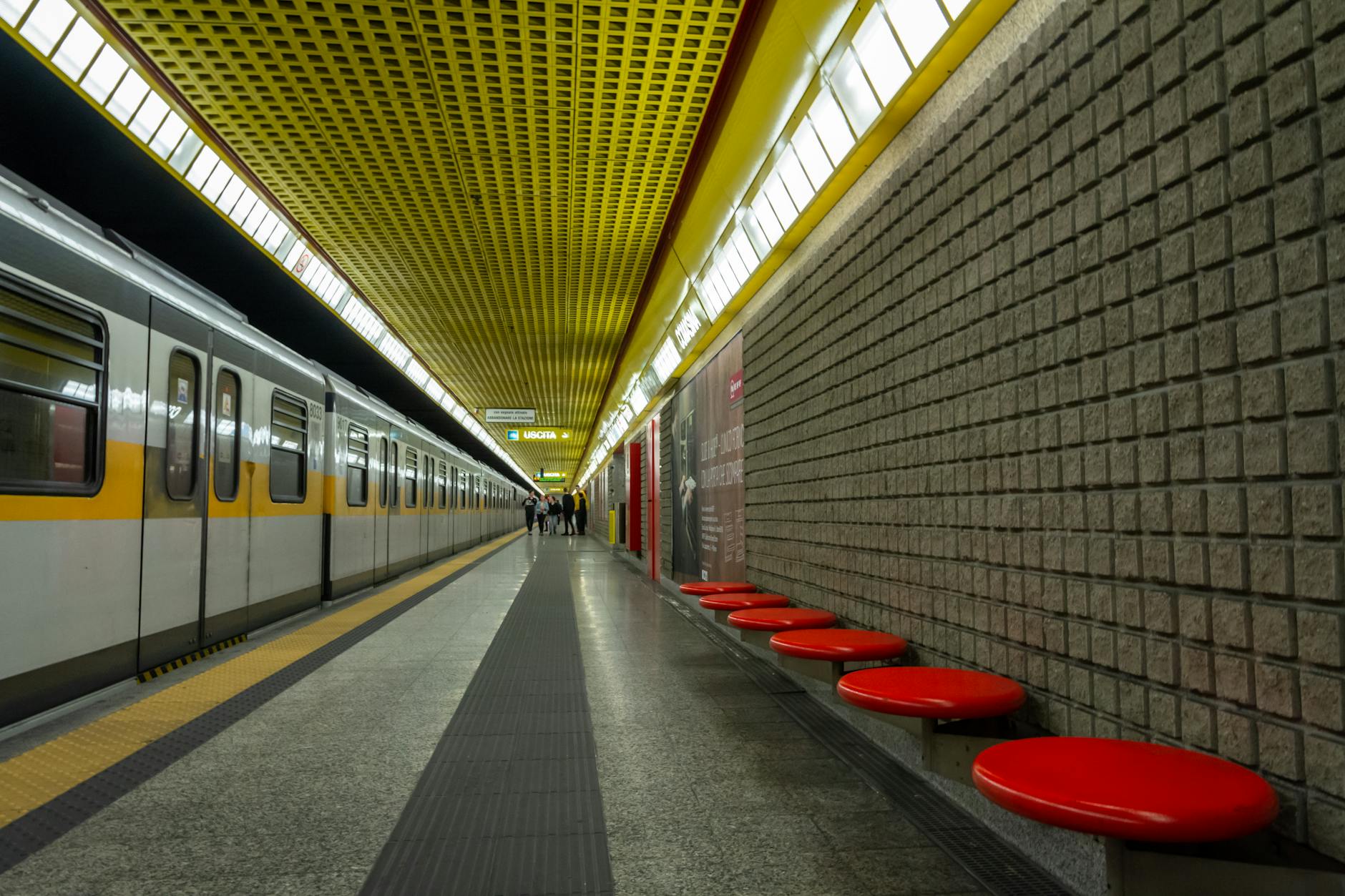
Whatever you pick, two practical habits will save your trip. First, check the calendar: during Fashion Week and the April design fair, prices across the whole city roughly double and rooms vanish, so consult our best time to visit Milan notes before you commit. Second, learn the metro — it is cheap, clean and quick, and our Milan transport guide will have you riding it like a local within an hour. With a central base and a transport pass, the whole list of things to do in Milan is genuinely within reach.
Getting from the airport to your base
One more thing first-timers underestimate: Milan has three airports, and where you land shapes the easy choice of base. Malpensa, the main international hub, connects to the city by the Malpensa Express train, which runs to both Milano Centrale and the Cadorna station near the centre — another quiet point in favour of staying near one of those hubs. Linate, the small city airport, is now on the M4 metro line and just minutes from the centre, while Bergamo’s Orio al Serio, used by low-cost carriers, links in by coach to Centrale.
The practical upshot: if you are arriving with luggage and want the simplest possible first evening, a base near Milano Centrale or on a direct metro line saves you a fiddly transfer at the end of a long travel day. Our Milan transport guide spells out the airport options, ticket prices and journey times so you can plan the door-to-door route before you fly.
Frequently asked questions
What is the best area to stay in Milan for first-time visitors?
For most first-timers, the historic centre around the Duomo or the adjoining Brera district is the best choice. Both are walkable to the cathedral, the Galleria and La Scala, and sit on direct metro lines. The Duomo area is the most convenient if pricey; Brera offers the same central position with more charm and calm. Either way, stay near a metro stop.
Is it better to stay near the Duomo or near Milano Centrale?
Stay near the Duomo if you mainly want to explore Milan itself on foot — it is central, atmospheric and walkable. Choose the Milano Centrale area if you are taking several day trips by train, since you trade charm for fast rail access and often better room rates. Both are well connected by metro, so neither is a wrong answer; it depends on your plans.
Is Milan expensive for accommodation?
Milan is one of Italy’s pricier cities for hotels, and rates swing sharply with the events calendar. Outside the big trade fairs you can find reasonable mid-range rooms and decent hostels, especially if you book ahead and look slightly outside the very centre. During Fashion Week and the April Salone del Mobile, expect prices to roughly double and availability to evaporate.
How many days do I need in Milan?
Two to three days is enough to see the headline sights — the Duomo, the Galleria, the Last Supper, the canals — at a comfortable pace and still fit in some shopping or an aperitivo. Add a day or two if you want to take day trips to the lakes or nearby cities, in which case a base with good train access becomes more useful than a central one.
Final thoughts
For a first visit, do not overthink it: pick the Duomo area for maximum convenience or Brera for maximum charm, book near a metro stop, and check the events calendar before you pay. Milan is small enough at its heart that a good base turns a short trip into an easy one. When you are ready to compare specific hotels by budget and vibe, our complete where to stay in Milan guide takes it from here.