Milan eats well, but the city does not hand its best tables to the casual visitor. The places clustered around the Duomo will feed you an expensive, forgettable plate of pasta; the ones the locals actually love sit on quiet side streets, fill up by nine, and rarely shout for attention. Knowing where to point yourself is the whole game.
The best restaurants in Milan span old-school trattorias serving risotto alla milanese and cotoletta, a deep bench of Michelin-starred dining rooms, and a wave of buzzy modern bistros. For the most reliable meals, head to Brera, Navigli, Porta Romana and Isola rather than the streets right by the Duomo, and always book dinner ahead.
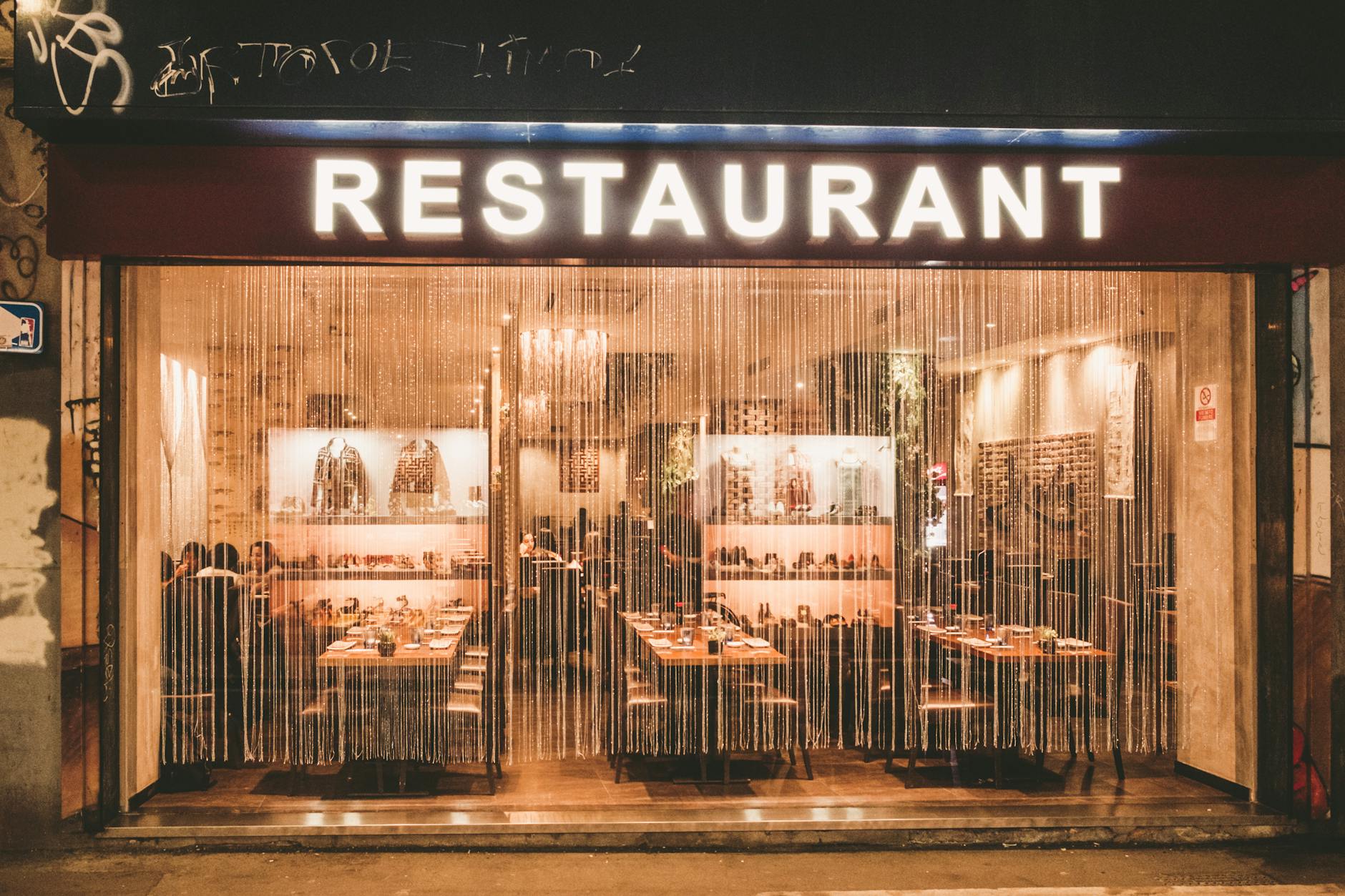
This guide to the best restaurants in Milan is organised the way you actually choose where to eat: by the kind of meal you want and what you are willing to spend, not a flat ranked list. I will point you to the dishes worth ordering, the neighbourhoods that reward a walk, and the booking habits that get you a good table. It sits under our broader Milan food guide, which covers the whole scene, and links out to deeper guides on each type of place.
Best restaurants in Milan at a glance
| If you want… | Look for… | Rough price (dinner, per head) |
|---|---|---|
| Classic Milanese cooking | An old trattoria off the centre | €35–€60 |
| A special-occasion blowout | A Michelin-starred dining room | €120–€350+ |
| Modern, creative plates | A bistro in Isola or Porta Romana | €45–€80 |
| A great cheap meal | Pizza, street food, a market stall | €10–€25 |
| A drink that becomes dinner | A generous aperitivo spread | €10–€18 |
Prices shift, so treat those as a guide and check current menus. One habit applies across all of them: Milanese dinner starts late, around eight thirty or nine, and the good rooms book out, so reserve ahead, especially at weekends and during the fairs.
Classic Milanese trattorias: where to eat the real thing
Start with the local canon, because too many visitors leave Milan having eaten everything except its own food. The city’s signature dishes are rich and golden: risotto alla milanese, stained yellow with saffron and often served alongside ossobuco, the braised veal shank; the cotoletta alla milanese, a bone-in veal cutlet breaded and fried in butter; and in colder months cassoeula, a hearty pork-and-cabbage stew. Our guide to traditional Milanese food explains each one and what to order with it.
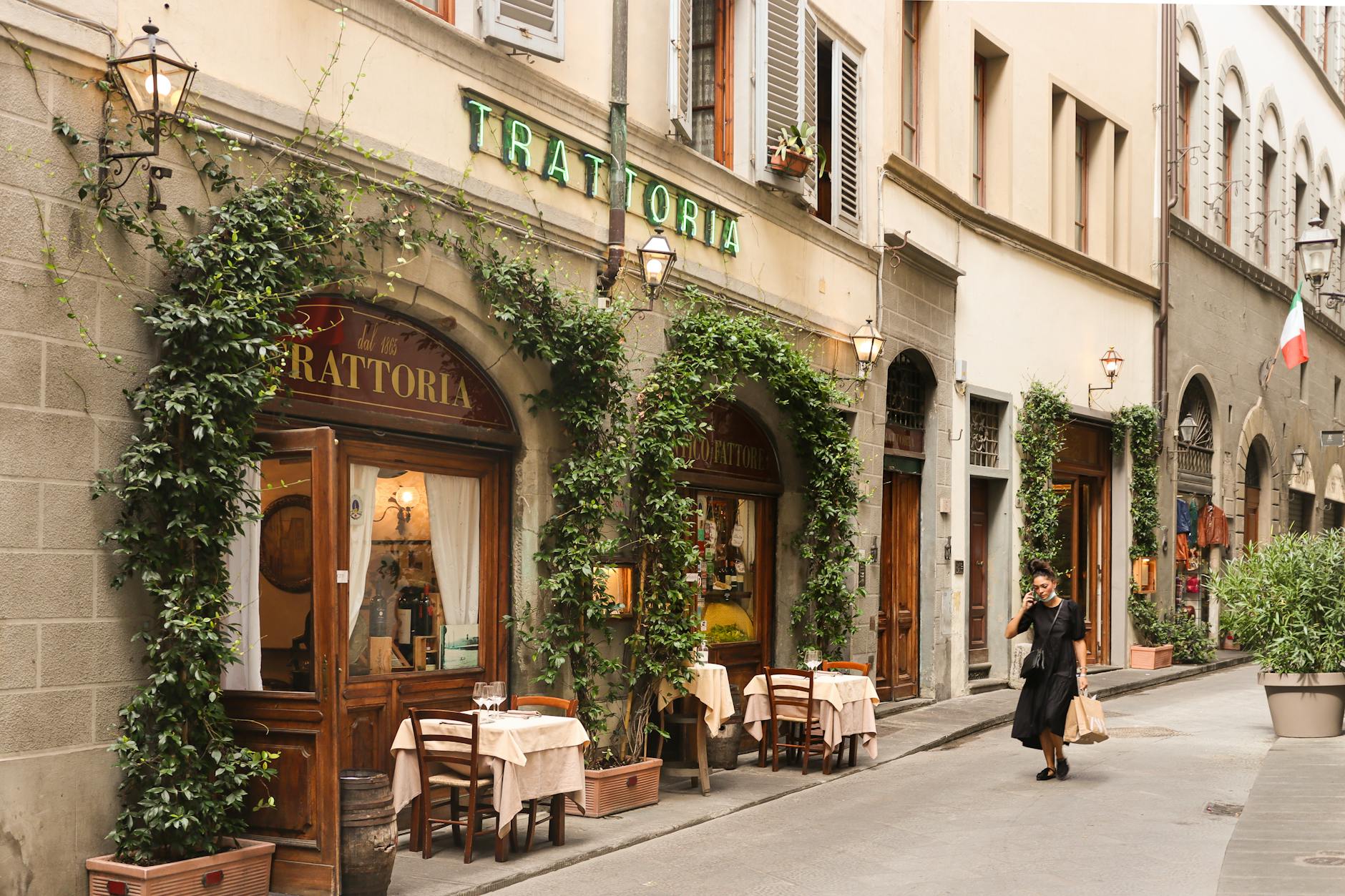
You will eat these best in an old-fashioned trattoria, the kind with paper menus, brisk service and decades of regulars. A handful of institutions have been doing it for generations, like the long-running Trattoria Milanese in the centre, and they remain a safe bet for the classics, though it is always worth checking current hours and booking a table. The pattern to follow is simple: the further you get from the cathedral and into residential streets, the better and fairer the cooking tends to be.
One dish, ranked from a €9 trattoria plate to a Michelin-listed version with marrow and gravy: our guide to risotto alla Milanese works through the price bands.
From a €28 bone-in chop to a 1.8-kilo shared slab: our guide to cotoletta alla Milanese sorts the kitchens that fry to order from the ones holding cutlets under a lamp.
Fine dining and Michelin stars
Milan is one of Italy’s strongest cities for high-end dining, with a clutch of Michelin-starred kitchens ranging from temples of modern Italian cuisine to internationally famous names. Expect to spend anywhere from around €120 to well over €300 a head with wine, and to book weeks ahead for the most sought-after rooms. Lunch tasting menus, where offered, can be a relatively gentler way into a starred kitchen. Our dedicated guide to Milan’s Michelin restaurants covers who holds stars, what they cost, and how far ahead to reserve.
Modern bistros and the contemporary scene
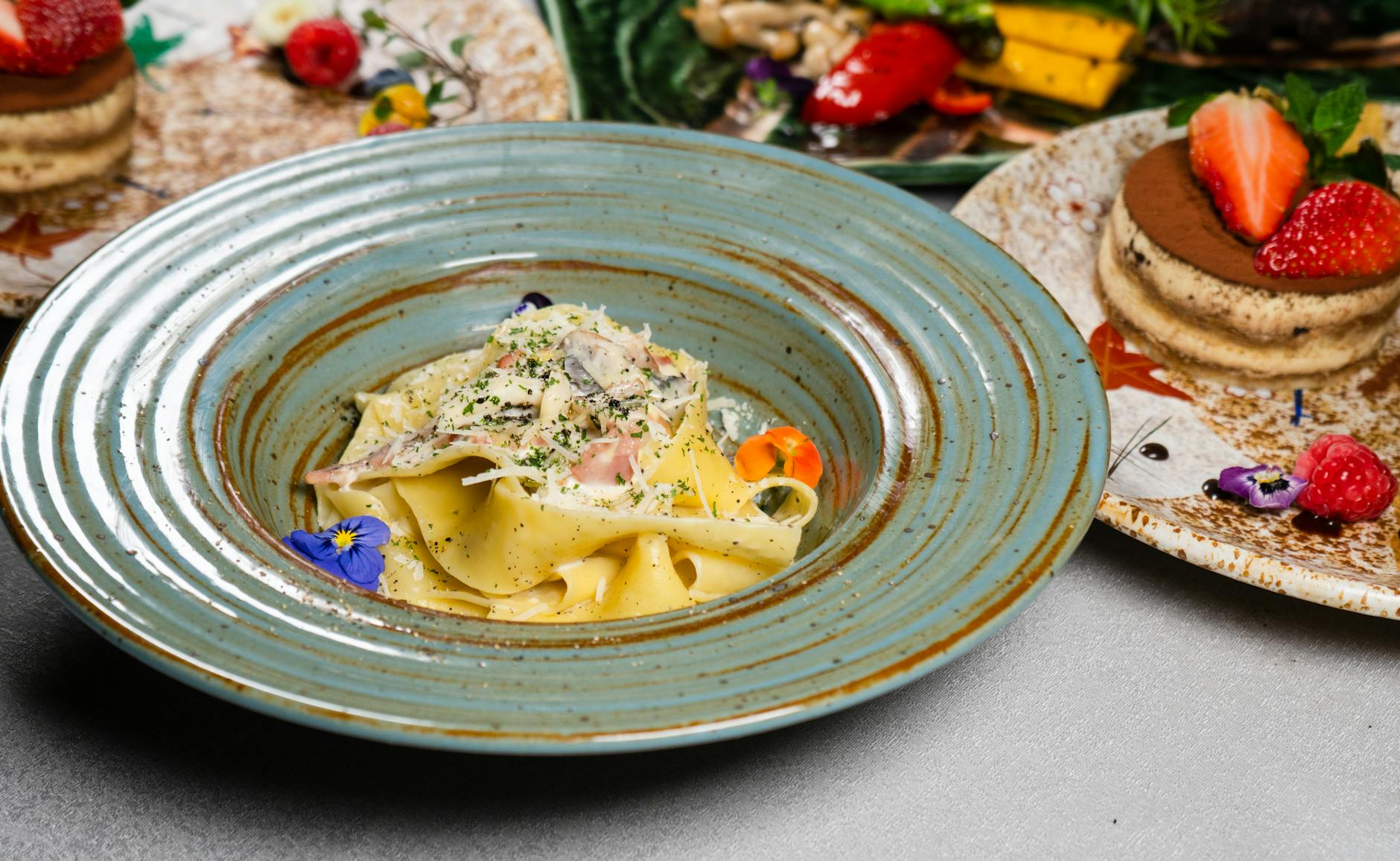
Between the trattorias and the tasting menus sits the most exciting part of eating in Milan right now: a wave of modern bistros and neighbourhood restaurants doing creative, seasonal, often lighter cooking at sane prices. You find them concentrated in Isola, Porta Romana and the streets around the design district, where the crowd is local and stylish and a memorable dinner runs more like €45–€80 a head. These are the places I send food-curious friends who want something current rather than nostalgic.
This scene also takes the rest of the world seriously. Milan has excellent Japanese, a strong Chinese quarter around Via Paolo Sarpi, and some of the best Eritrean and Ethiopian food in Italy near Porta Venezia, a legacy of the city’s diverse population. If you are after plant-based cooking, the city has come a long way; our vegan restaurants guide rounds up the best.
Great cheap eats: pizza, street food and markets
You do not need a big budget to eat brilliantly in Milan. Pizza is everywhere and often superb, from Neapolitan-style sourdough to the local thin-crust; our best pizza in Milan guide has the pick. For eating on the move, the city’s signature street food is the panzerotto, a fried, stuffed half-moon of dough, with the counter at Luini near the Duomo a justly famous, decades-old institution; see our street food guide for more. And for a cheap, atmospheric lunch, the covered and open-air food markets let you assemble a feast of cheese, salumi and fresh bread for a few euros.
Eating by neighbourhood
Where you eat shapes the evening as much as what you order, so it helps to match the district to the mood.
Brera is the romantic choice, all cobbled lanes and candlelit trattorias just north of La Scala; lovely for a special dinner, though you pay for the setting. See our Brera guide. Navigli, the canal district, is the spot for a lively, social meal followed by drinks, with restaurants lining the water; our Navigli guide maps it out. Isola and Porta Romana are where the modern bistro scene lives, full of younger, local energy. And the streets immediately around the Duomo are the ones to be wary of, where high rents and a captive tourist crowd too often mean weak food at strong prices. Our neighbourhoods guide gives the character of each.
Milan’s most-photographed dining district is also its easiest to get wrong — see where to eat in Navigli for the places worth booking and the canal front worth walking past.
Aperitivo, coffee and how dining works here
No guide to eating in Milan is complete without aperitivo, the early-evening ritual where the price of a drink, usually €10 to €18, comes with a spread of snacks generous enough to stand in for dinner. It is the most local, best-value way to start a night, and our aperitivo guide explains the etiquette and the best spots. Bookend your days with the city’s serious coffee culture too; our coffee guide tells you how to order like a Milanese, and for a leisurely weekend morning our brunch guide has the best tables. Finish, always, with a proper gelato.
A few practical habits will improve every meal. Book dinner ahead, particularly at weekends and during Fashion Week and the design fair, when the city fills. Show up at eight thirty or later for dinner like a local. A coperto, a small cover charge per person, is normal and not a scam. Tipping is modest; rounding up or leaving a few euros for good service is plenty. And if you would rather have the choices made for you, a guided food tour is a great way to taste widely on your first day.
How to spot a tourist trap (and avoid one)
Milan has its share of restaurants that survive on first-time visitors who will never return, and they cluster exactly where you would expect: the streets ringing the Duomo and the very top of the main shopping drags. A few tells give them away. Be wary of a host standing outside actively waving you in, of laminated photo menus translated into six languages, and of a menu that tries to do everything, from sushi to schnitzel, rather than a tight list of things the kitchen actually cooks well.
The reverse signals are reassuring: a short, seasonal, mostly Italian menu, often handwritten or changing daily; a dining room full of people speaking Milanese rather than only tourists; and a place that does not open for dinner until eight. Prices posted clearly, a normal coperto, and house wine sold by the quarter or half-litre carafe are all good signs. If in doubt, walk two or three streets off the main tourist axis before you sit down, or book somewhere in advance from our food guide and skip the gamble entirely.
One more piece of value advice: lunch is your friend. Many excellent restaurants, including some ambitious kitchens, offer a fixed-price lunch menu that delivers much of the experience at a fraction of the dinner cost. Pair a good lunch with a generous aperitivo in the evening and you can eat extremely well in Milan without a big nightly restaurant bill, leaving room in the budget for the rest of your trip.
Frequently asked questions
What food is Milan famous for?
Milan’s signature dishes are risotto alla milanese (saffron risotto), cotoletta alla milanese (a breaded, butter-fried veal cutlet), ossobuco (braised veal shank), and the winter stew cassoeula. Panettone, the domed Christmas cake, also originates here. Order these in an old trattoria away from the Duomo for the real thing.
Where do locals actually eat in Milan?
Locals eat in the residential neighbourhoods, not by the cathedral. Isola and Porta Romana for modern bistros, Navigli and Porta Venezia for lively dinners, and old family trattorias scattered across the city for the classics. As a rule, the further from the Duomo you walk, the better and fairer the food.
How much does dinner cost in Milan?
A trattoria dinner runs roughly €35–€60 a head, a modern bistro €45–€80, and pizza or street food €10–€25. Michelin dining starts around €120 and climbs past €300. Aperitivo, at €10–€18 for a drink plus a food spread, is the best value of all.
Do I need to book restaurants in Milan?
For dinner, yes, especially Thursday to Saturday and during Fashion Week and the April design fair, when the city is packed. Popular and Michelin-starred rooms book out weeks ahead. Lunch and casual pizza or street-food spots are usually fine to walk into.
What time do Milanese eat dinner?
Late by some standards. Dinner service gets going around eight, and locals often sit down at eight thirty or nine. Aperitivo fills the gap from roughly seven, so arriving for a drink and snacks first is the natural, very Milanese way to ease into the evening.
Final thoughts
The trick to eating well in Milan is to walk away from the cathedral and toward the neighbourhoods, to order the city’s own golden, buttery classics at least once, and to lean into aperitivo as more than a warm-up. Whether you want a generations-old trattoria, a starred tasting menu or a great €12 pizza, the city delivers, as long as you book ahead and eat on Milan’s schedule. Use our full Milan food guide to go deeper, and our things to do in Milan guide to plan the hours between meals.