Milan does a lot of things with style, and gelato is one of them. The city sits in Lombardy, a region obsessed with dairy, so the cream here tastes like something, and the competition between gelaterie is fierce enough to keep standards high. After years of working through cones across the city, I have strong feelings about where the good stuff is.
The best gelato in Milan comes from artisanal gelaterie like Artico, Gelateria della Musica, and Gelato Giusto, where flavours are made fresh in small batches with natural ingredients. Skip the neon tubs near the Duomo; the cones worth queuing for are spread across Navigli, Brera, and Porta Venezia, and rarely cost more than four euros.
This is part of our wider guide to eating in Milan, and gelato deserves its own chapter. Below I have ranked my favourites by area and by what they do best, with honest notes on price, queues, and which flavours to actually order.
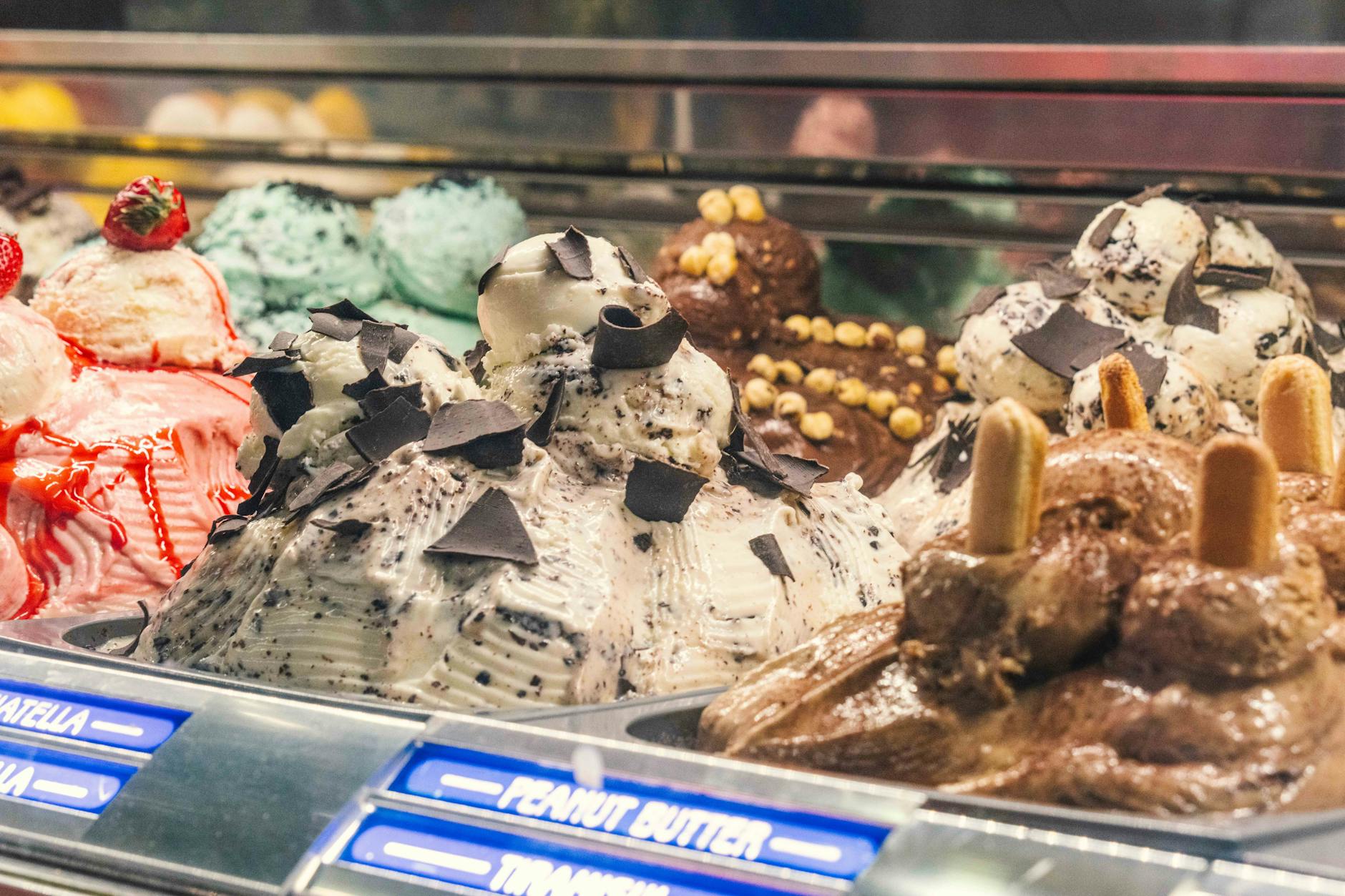
The best gelato in Milan at a glance
If you only have time for a few, here is my shortlist. Prices are rough; a small cup or cone runs around €2.50 to €4 at most of these, and you should always check the board because they creep up.
| Gelateria | Area | Order this | Roughly |
|---|---|---|---|
| Artico Gelateria Tradizionale | Brera / Porta Garibaldi | Salted caramel, pistachio | €3–4.50 |
| Gelateria della Musica | Navigli | Rosemary-honey, dark chocolate | €2.50–4 |
| Gelato Giusto | Porta Venezia | Single-origin chocolate | €3–4.50 |
| Pavé Gelati e Granite | Porta Venezia | Hazelnut, seasonal fruit | €3–4 |
| RivaReno | Several locations | Crema 81, stracciatella | €3–4.50 |
| Gelsomina | Near Centrale | Pistachio, fior di latte | €3–4 |
What makes gelato good (and how to spot the fakes)
Before the where, a quick word on the how. Real gelato and the fluffy tourist version are not the same thing, and once you can tell them apart you will never be fooled near the cathedral again.
The first tell is colour. Pistachio should be a muddy, slightly grey-green, never the bright fluorescent green of a tennis ball; that vivid colour means dye. Banana should look greyish, not sunshine yellow. The second tell is height. If the gelato is piled into glossy mountains that defy gravity, it is pumped full of air and stabilisers to hold that shape. The artisans keep theirs flatter, often tucked into covered metal tubs called pozzetti that protect it from light and air. The third tell is the flavour list: a short, seasonal board is a good sign, while sixty flavours available year-round means industrial paste.
Price tracks quality loosely but not perfectly. You will pay a similar three or four euros at a tourist trap and at a genuinely great gelateria, so you may as well walk the extra five minutes for the good one. The Milanese eat gelato standing up, in the street, often after dinner on a warm evening, so do as they do and treat it as a stroll rather than a sit-down.

Navigli: gelato by the canals
The Navigli district is where I send most people first, partly because the gelato is excellent and partly because eating it beside the water at sunset is one of the simple pleasures of the city.
Gelateria della Musica
Tucked on Via Lodovico il Moro just past the busy stretch of the canal, this is my single favourite gelateria in Milan. The owners take flavour seriously without being precious about it, so alongside a faultless dark chocolate and a deep, nutty hazelnut you will find rotating oddities like rosemary and honey, or a ricotta and fig that tastes like a Lombard dessert in frozen form. Portions are generous, the staff are friendly, and prices are fair. Go early evening before the after-dinner crowd builds.
Gusto 17
A little further along Via Vigevano, Gusto 17 is the spot I rate for fruit sorbets. They are intensely flavoured and properly seasonal, so the strawberry tastes of actual strawberries in June and vanishes by autumn. The creams are good too, but the fruit is the reason to stop. It pairs nicely with an evening of aperitivo along the canals if you want something sweet to finish.
Brera and the centre: elegant scoops
The Brera quarter and the streets around the Duomo are touristy, but a few genuinely good gelaterie hold their own here, so you do not have to settle for the mountains of dyed fluff on the main drag.
Artico Gelateria Tradizionale
Maurizio Poloni’s Artico is a Milan institution and rightly so. The salted caramel is the order everyone talks about, a dense and grown-up version that is sweet without being cloying, but the pistachio and the gianduia are every bit as good. There are a couple of locations, including one handy for Brera and Porta Garibaldi, and the queues move quickly. This is the place I take friends who think they do not like gelato.
Ciacco Gelato Senz’Altro
On Via Spadari, the lovely food street behind the Duomo near the famous Peck deli, Ciacco makes a more cerebral kind of gelato. The name roughly means gelato without anything else added, and the flavours are clean and ingredient-led, with a rotating list that leans into single estates and unusual pairings. It is a good detour if you are already exploring the central sights.
Porta Venezia and the north: where the locals go
East and north of the centre, around Porta Venezia and toward the station, the gelato gets serious and the crowds get more Milanese.
Gelato Giusto
Vincenza Vergani trained as a pastry chef and it shows. Gelato Giusto, near Porta Venezia, is the place for chocolate obsessives: she works with single-origin cacao and the results are layered and almost wine-like, with bitter and fruity notes depending on the bean. There are excellent creams and fruit flavours too, but the chocolate is the headline.
Pavé Gelati e Granite
The Pavé bakery group is one of the best things to happen to Milan breakfasts, and their gelato offshoot lives up to the name. The hazelnut is exceptional, the fruit granitas are perfect in summer, and the whole operation has the same careful, design-conscious feel as their pastries. If you are nearby in the morning, their pastries also make my brunch shortlist.
Gelsomina
Closer to Centrale station, Gelsomina is part bakery, part gelateria, and a brilliant place to know if you have a train to catch and time for a cone. The pistachio and fior di latte are both lovely, and their maritozzo, a cream-filled Roman bun, is worth the detour on its own.

Flavours to order in Milan
Italians order by pairs, usually two flavours even in a small cup, and the combinations are half the fun. A few that I always come back to here in Lombardy:
- Stracciatella — fior di latte cream shot through with shards of dark chocolate. It was born just up the road in Bergamo and remains a regional point of pride.
- Pistacchio di Bronte — made with Sicilian pistachios, savoury and rich; the benchmark by which I judge any gelateria.
- Gianduia — the Piedmontese marriage of chocolate and hazelnut, silky and deeply comforting.
- Crema — a simple egg-custard flavour that exposes whether a maker really knows what they are doing.
- Zabaione — laced with Marsala wine, old-fashioned in the best way.
- Amarena — fior di latte rippled with sour cherries, the classic summer fruit option.
In the warmer months, ask for a granita instead, a coarser water ice that is wonderfully refreshing, or order your gelato in a brioche bun, southern-Italian style, which a few places now do. For more on the city’s wider sweet and savoury scene, our traditional food guide and the food tours roundup are good next stops, and if you would rather drink than scoop, the coffee guide covers the city’s café culture.
When and how much
Gelato season peaks from roughly April to October, and many of the smaller artisan shops keep shorter hours or close entirely for a few weeks in deep winter, so if you are visiting in January it is worth checking ahead. The big seasonal swings are part of why timing your trip matters; our seasonal guide goes into detail. Budget around €2.50 to €4 for a small or medium serving at the places above, a touch more for the fanciest single-origin flavours. Cash and cards are both fine almost everywhere, though a tiny neighbourhood spot may prefer cash for a two-euro cone.
Frequently asked questions
What is the best gelato in Milan?
My top pick is Gelateria della Musica in Navigli for its inventive seasonal flavours and faultless chocolate, closely followed by Artico for its famous salted caramel and Gelato Giusto for single-origin chocolate. All three make everything fresh in small batches, which is the real marker of quality. Tastes differ, so try a couple and decide for yourself.
How much does gelato cost in Milan?
Expect to pay around €2.50 to €4 for a small or medium cup or cone at a good artisan gelateria, and up to €5 or so for the most premium single-origin flavours or larger sizes. Prices near the Duomo can be higher for lower quality, which is one more reason to walk a few minutes to a better shop.
How do I tell real gelato from the fake stuff?
Look at the colour and the height. Natural pistachio is a dull grey-green, not bright green, and banana looks greyish rather than yellow. Gelato piled into tall fluffy mountains is full of air and stabilisers, while the good stuff sits flatter, often in covered metal tubs. A short, seasonal flavour list is another reassuring sign.
What flavour should a first-timer order?
Start with pistachio and stracciatella, two regional classics that quickly reveal whether a gelateria is any good. If you love chocolate, add a dark chocolate or gianduia. Italians usually pick two flavours per serving, so you do not have to choose just one, and the staff are happy to let you point.
Is gelato vegan-friendly in Milan?
Fruit sorbets are almost always dairy-free, and many of the better gelaterie now offer a few plant-based creams made with nut or rice milk; just ask which are vegano. For a fuller rundown of plant-based eating in the city, see our vegan dining guide.
Final thoughts
Gelato in Milan rewards a little walking and a little curiosity. Skip the photogenic mountains near the cathedral, point yourself toward Navigli, Brera, or Porta Venezia, and order two flavours like a local. My desert-island combination is pistachio and dark chocolate from Gelateria della Musica, eaten slowly by the canal as the light goes golden. Whatever you choose, it will almost certainly beat anything you have called gelato back home.