You learn a lot about a city from its markets, and Milan’s are a happy surprise. This is a place better known for fashion than for produce, yet behind the boutiques there is a network of covered halls, street stalls, and gourmet temples where the city actually shops and eats. Whether you want to graze your way through a food hall or stock an apartment fridge, here is where to go.
The best Milan food markets are the covered halls: Mercato Centrale inside Centrale station for ready-to-eat stalls, Mercato Comunale Wagner and the Mercato di Piazza XXIV Maggio for fresh produce and grazing, and Mercato Metropolitano for street food. For self-catering, Esselunga is the supermarket locals swear by. Most markets run mornings to early evening.
This guide is part of our wider Milan food guide, and it covers both the markets worth visiting as an experience and the practical business of buying groceries if you have a kitchen. For non-food markets, antiques and vintage included, see our separate guide to markets across the city.
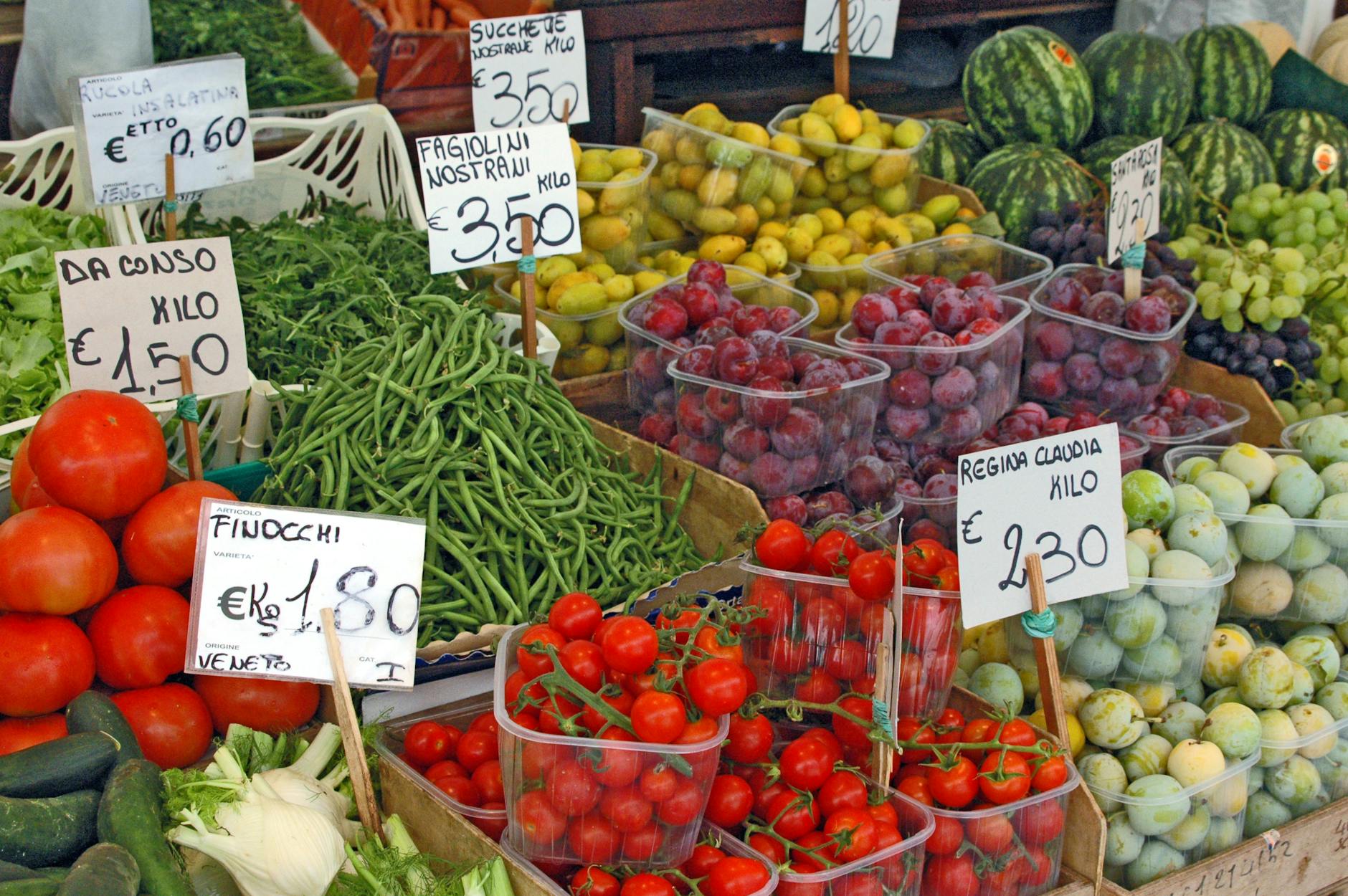
Milan food markets at a glance
A quick orientation before the detail. Hours shift and many markets close Sunday afternoon or Monday morning, so always check the day before you build a plan around one.
| Market | Best for | Area | Typical hours |
|---|---|---|---|
| Mercato Centrale Milano | Ready-to-eat stalls | Centrale station | Daily, ~8am–midnight |
| Mercato Comunale Wagner | Fresh produce, fish, deli | Piazza Wagner | Mon–Sat mornings & afternoons |
| Mercato di Piazza XXIV Maggio | Produce plus food stalls | Darsena / Ticinese | Tue–Sun, closed Sun pm |
| Mercato Metropolitano | Street food, drinks | Porta Genova | Daily, afternoon–late |
| Eataly Smeraldo | Gourmet groceries | Porta Garibaldi | Daily, ~10am–11pm |
| Peck | Luxury deli | Via Spadari, centre | Mon–Sat |
Covered food halls worth a visit
If you have time for one or two, make them these. The covered halls are where Milan’s market culture is most visible, and most of them combine shopping with somewhere to sit and eat on the spot.
Mercato Centrale Milano
The easiest one to fold into a trip, because it sits right inside Milano Centrale on the upper level. This is a modern artisan food hall rather than a traditional produce market, with around two dozen stalls selling pizza, fresh pasta, fried seafood, cured meats, gelato, and craft beer, plus seating to eat it all. It runs from early morning until late at night, every day, which makes it a brilliant fallback when you arrive hungry off a train or want a relaxed meal without booking. Quality is genuinely high for a station; this is no food court.
Mercato Comunale Wagner
For the real thing, head to the Mercato Comunale Wagner west of the centre. This is a proper neighbourhood covered market where the local signore do their daily shop, lined with fishmongers, butchers, fruit and vegetable stalls, cheese counters, and a couple of spots frying up the day’s catch. Several stalls have evolved into little stand-up eateries, so you can pick up an excellent seafood lunch or a plate of pasta among the produce. It feels authentically Milanese in a way the tourist-centre markets do not.
Mercato Comunale di Piazza XXIV Maggio
Down by the Darsena, on the edge of the Navigli, the handsome covered market on Piazza XXIV Maggio reopened after a long restoration and now blends old-school produce vendors with hip food stalls and a buzzy bar scene. It is a great pre-dinner stop, doubly so if you are already planning an evening along the canals. Come in the morning for shopping, late afternoon for the social scene.
Mercato Metropolitano
Near Porta Genova, Mercato Metropolitano is less a market than a sprawling food village built in a former railway depot, with street-food counters, a butcher and bakery, a beer garden, and even a small urban vineyard. It leans heavily toward eating and drinking rather than grocery shopping, and it is a fun, slightly chaotic place to spend a warm evening. Think of it as the street-food cousin to the more traditional halls; our street food guide has more in this vein.
Gourmet food halls and delis
At the luxe end, Milan has two destinations that double as souvenir shops for serious eaters.
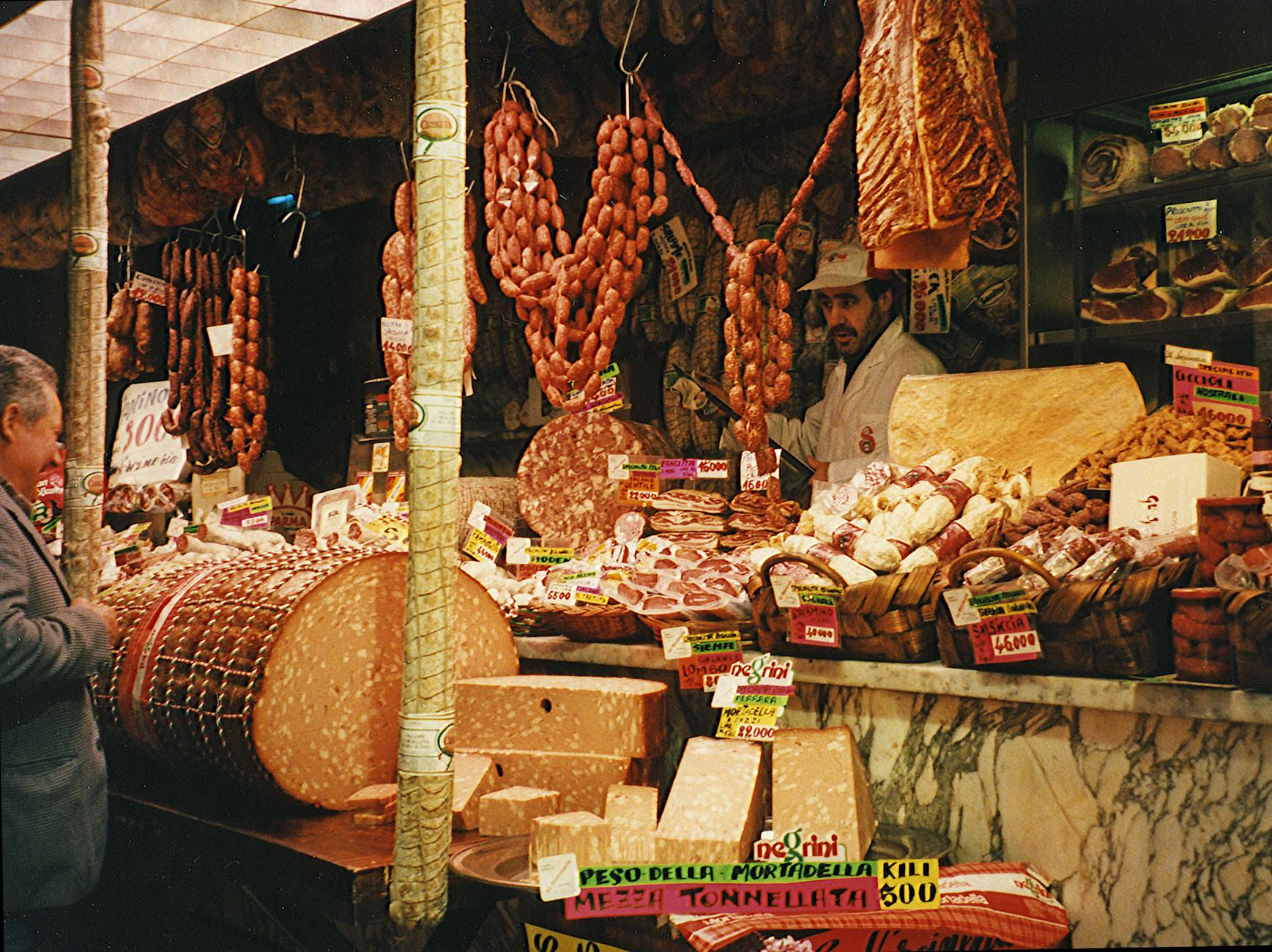
Eataly Milano Smeraldo, in a converted theatre near Porta Garibaldi and the Isola district, is the Milan flagship of the famous Italian food emporium. Three floors mix a supermarket of carefully chosen Italian products with counters and restaurants where you eat what you have just been browsing, from fresh pasta to Piedmontese beef. It is touristy, yes, but the quality is real and it is a fine place to buy edible gifts to take home.
Peck is the old-money option: a historic gastronomy on Via Spadari behind the Duomo that has been feeding well-heeled Milan since the nineteenth century. The ground-floor deli is a cathedral of cheese, truffles, cured meats, prepared dishes, and wine, with prices to match. Even if you only buy a wedge of Gorgonzola and gawp, it belongs on any food lover’s list, and it sits handily among the central sights.
Open-air street markets
Beyond the covered halls, Milan’s neighbourhoods host rotating open-air markets, the mercati rionali, that set up on assigned days and pack down by early afternoon. They are cheap, lively, and the best place to feel the rhythm of local life.
The Mercato di Via Fauché, north-west of the centre, runs a couple of mornings a week and is prized for produce, cheese, and bargain gourmet stalls toward closing time. The huge Mercato di Viale Papiniano, on Tuesday and Saturday mornings, mixes food with clothing and household goods and is a proper bustling bazaar. For something more curated, the Slow Food Mercato della Terra earth market gathers regional small producers on selected Saturdays, ideal for honey, cheese, and seasonal fruit straight from the people who made it. A guided food tour will often weave one of these markets into the route.
Grocery shopping and self-catering
If you have rented an apartment with a kitchen, knowing the supermarkets will save you real money. The local hero is Esselunga, a Lombard chain with a near-religious following for its quality, fresh counters, and own-brand products; if you see one, shop there. Carrefour, Coop, and Pam are the other reliable mid-range chains, while Lidl and Eurospin cover the budget end and NaturaSì handles organic. Self-catering even a couple of breakfasts and a picnic lunch is one of the easiest ways to keep costs down, as our budget guide explains.
A few practical notes. Many smaller shops and market stalls still close for a couple of hours in the early afternoon and on Sunday afternoons, though large supermarkets in the centre increasingly stay open all day and on Sundays. Bring a reusable bag, as plastic ones are charged for, and at produce stalls let the vendor pick and weigh your fruit rather than handling it yourself. Cash is handy for the open-air markets, though cards are widely accepted in the covered halls and supermarkets.
What to buy and take home
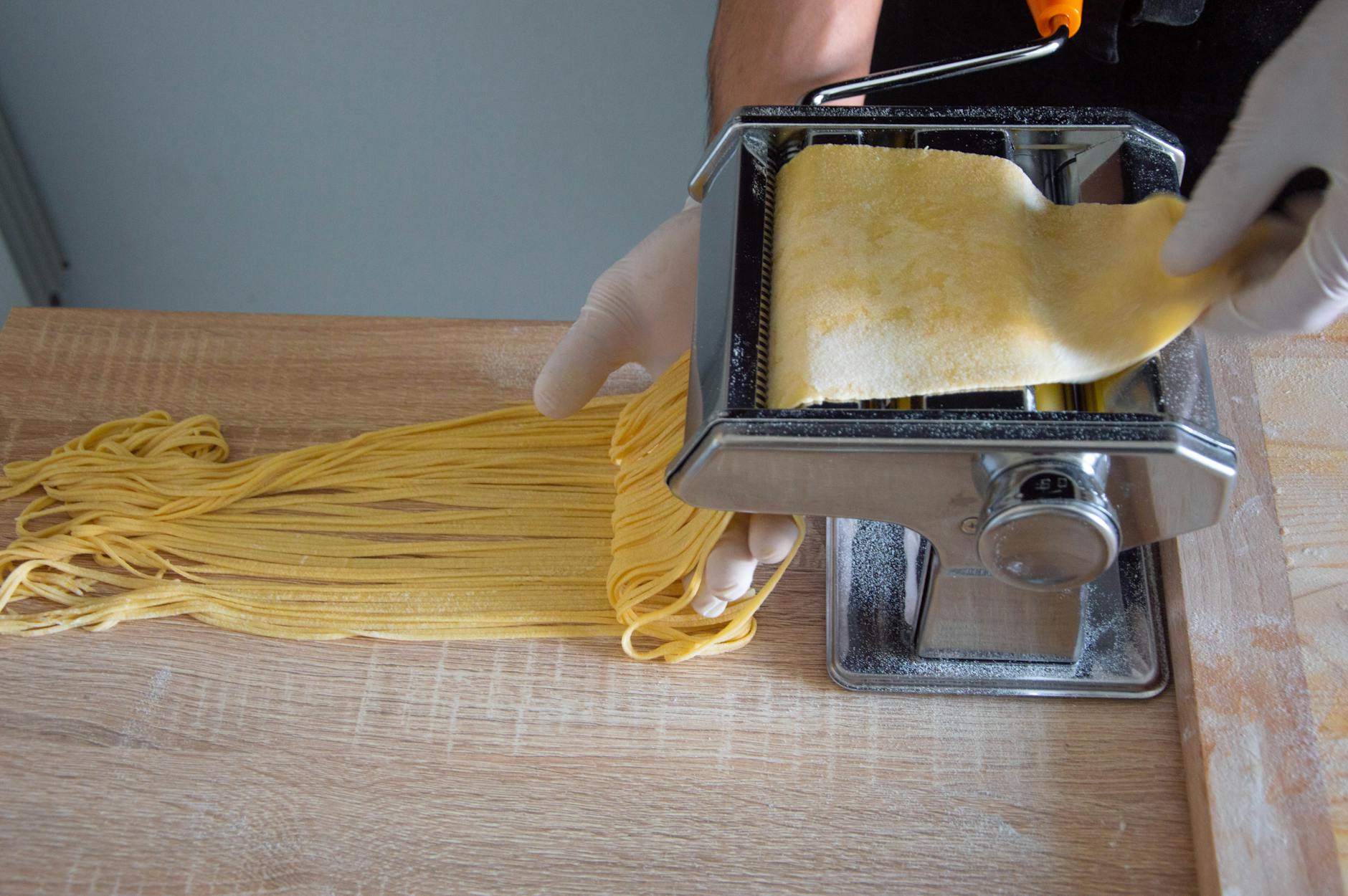
Milan markets are a great place to assemble edible souvenirs that survive the trip home. Look for vacuum-packed Grana Padano or Gorgonzola from the surrounding region, good extra-virgin olive oil, jars of truffle products, panettone if you are visiting near Christmas, since this towering sweet bread is a Milanese invention, and dried pasta or risotto rice such as Carnaroli for the city’s signature risotto alla milanese. Most markets and delis will vacuum-seal cheese and meat for travel if you ask. For more gift ideas, see our shopping guide.
Frequently asked questions
What is the best food market in Milan?
For visitors short on time, Mercato Centrale inside Milano Centrale station is the easiest and most reliable, open daily with dozens of high-quality food stalls. For a more authentic neighbourhood experience, the Mercato Comunale Wagner is my pick, while the covered market on Piazza XXIV Maggio is the most atmospheric, especially in the late afternoon.
When are Milan’s markets open?
Covered halls like Mercato Centrale and Eataly run long daily hours, often from morning until late evening. Traditional neighbourhood markets and open-air street markets are mostly morning-to-early-afternoon affairs and frequently close Sunday afternoons or one weekday. Always check the specific market’s hours the day before, as schedules vary widely.
Where do locals buy groceries in Milan?
Most Milanese shop at supermarkets for the weekly haul and use markets for fresh produce, fish, and cheese. Esselunga is the most loved supermarket chain for quality, with Carrefour, Coop, and Pam as common alternatives and Lidl or Eurospin for budget shopping. Many also pop into the local covered market for the day’s fresh ingredients.
Can I eat at Milan’s food markets?
Yes, and you should. Mercato Centrale, Mercato Metropolitano, and the Piazza XXIV Maggio market all have stalls serving cooked food to eat on the spot, from pasta and pizza to fried seafood and craft beer. Even traditional covered markets like Wagner have counters where you can grab an excellent, inexpensive lunch among the produce.
Are markets a cheap way to eat in Milan?
They can be. Buying produce, bread, cheese, and cured meats at a market for a picnic is far cheaper than a sit-down meal, and the street-food stalls offer good value too. Self-catering from a supermarket like Esselunga is cheaper still. See our budget Milan guide for more ways to eat well without overspending.
Final thoughts
Milan’s markets are where the city drops its polished guard. Spend a morning among the produce stalls at Wagner, grab lunch at a counter inside Mercato Centrale, and pick up a wedge of Gorgonzola and some olive oil to take home, and you will have eaten better, and cheaper, than at most restaurants. Markets are also simply a lovely, low-cost way to spend a few hours, whatever the weather. Just check the opening day first.