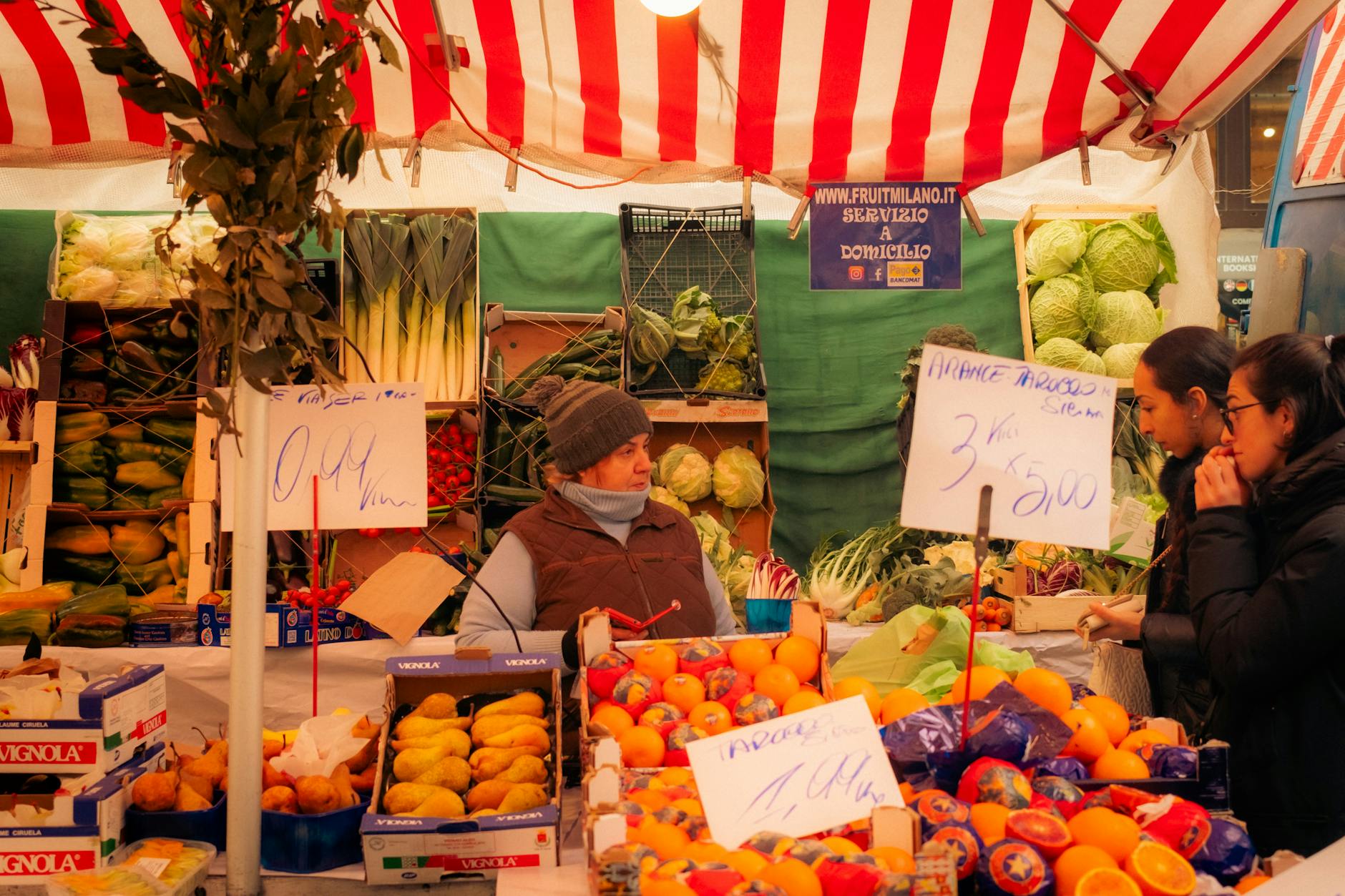
Milan has a reputation as Italy’s most expensive city, the home of fashion houses and private banks, and the price tags in the Quadrilatero d’Oro do nothing to dispel it. But that reputation only tells half the story. Strip away the designer boutiques and the five-star hotels, and underneath sits a real working city where students, office workers and families eat, drink and get around every day without spending a fortune. Learn their habits and Milan becomes surprisingly affordable.
A full day out including a monastery ticket and a proper lunch, for under €50 a head — see the Pavia and Certosa day trip from Milan.
The cheapest way to upgrade a Milan trip is to move it: hotel rates in November sit at the bottom of the year alongside August. See Milan in November for what the discounts look like and which weeks to avoid.
The cheapest month for a hotel room in this city is also the emptiest: Milan in August weighs the saving against what you give up for it.
The cheapest flights into Milan land at Bergamo, and the transfer eats part of the saving — we do the full sum in our Bergamo airport to Milan guide.
Yes, you can visit Milan on a budget. A careful traveller can manage on roughly €60–€80 a day by staying in a hostel or budget hotel, eating aperitivo and street food, walking or using day-pass transport, and timing visits to the many free sights and free museum days. Avoid the fashion weeks and the April design fair, when prices soar, and the city is very doable on modest money.
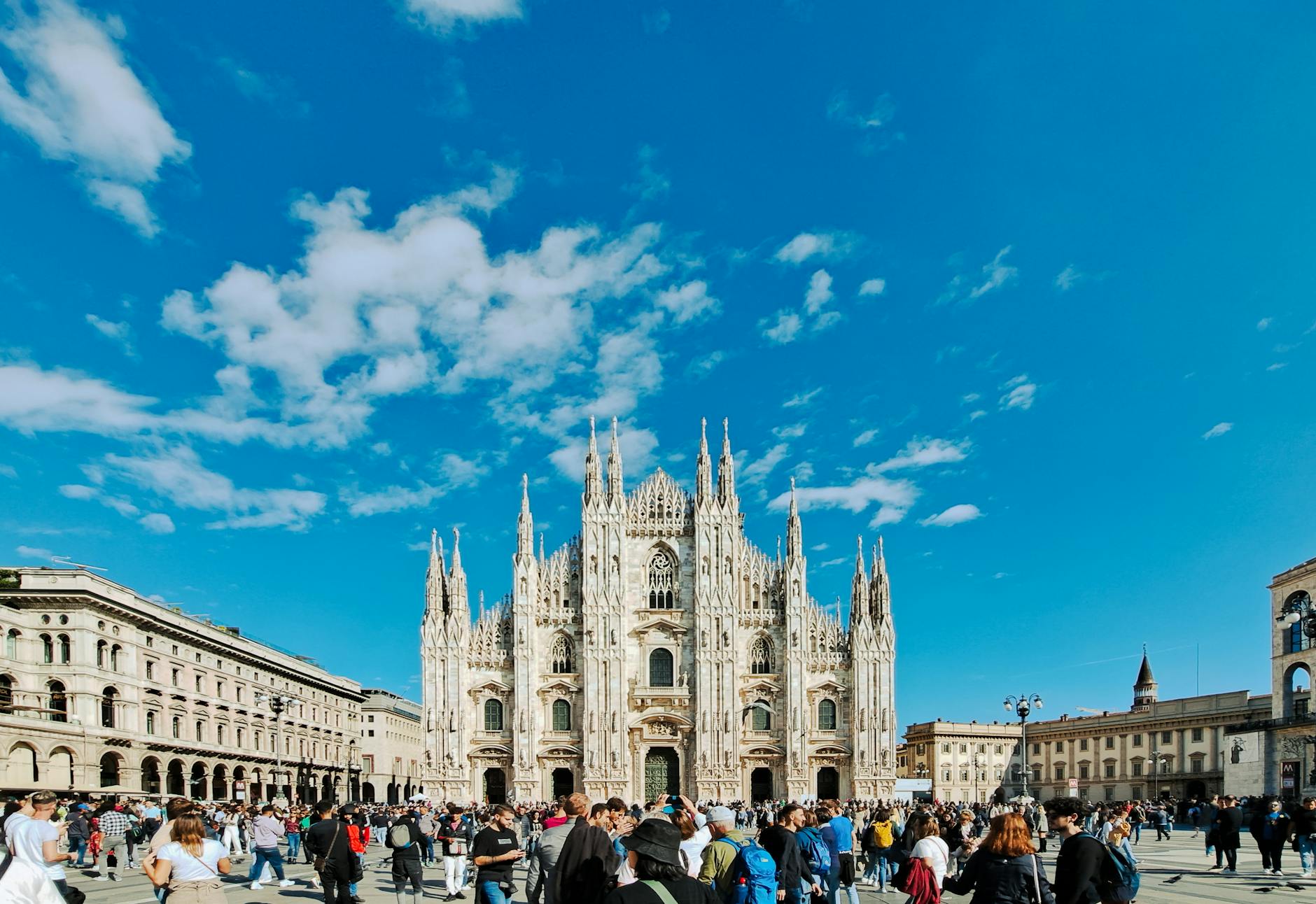
This guide shows you exactly how to keep costs down without missing what makes Milan special, covering cheap places to sleep and eat, the long list of free things to do, money-saving transport and the best time to come for low prices. It is the budget hub of the site and links out to deeper guides on each topic, starting with our overview of things to do in Milan. Spend smartly and you can see the city well for far less than its glossy image suggests.
Is Milan expensive? A realistic daily budget
| Budget level | Daily spend | What it looks like |
|---|---|---|
| Shoestring | €60–€80 | Hostel dorm, aperitivo and street food, free sights, walking |
| Comfortable mid-range | €120–€160 | Budget hotel, casual restaurants, a paid attraction or two |
| Relaxed | €200+ | Three-star hotel, sit-down dinners, museums and a day trip |
Those ranges assume two people sharing where it helps, and they exclude flights and big shopping sprees. The honest truth about Milan is that your two biggest costs are accommodation and restaurant dinners, and both can be cut dramatically with the right choices. Sightseeing, by contrast, is often cheap or free, and transport is genuinely inexpensive. Get the bed and the food right, and the rest of the city is more affordable than you would guess. For the full picture of trip costs across seasons, our best time to visit guide is a useful companion.
Budget accommodation: where to sleep for less
Accommodation is where Milan’s budget is won or lost, so it deserves your attention first. The city has a solid spread of hostels, many of them modern, design-led places with private rooms as well as dorms, often clustered near the central station and the southern districts. A dorm bed can be a fraction of a hotel rate, and the private rooms in better hostels rival a budget hotel for far less. Our budget hotels and hostels guide rounds up the best of both. For the timing behind those rates — which weeks collapse in price and which to avoid outright — see our budget accommodation tips.
Beyond hostels, look at budget and two-star hotels a little out from the centre but near a metro stop, where you trade a few minutes of travel for a much lower rate, and at apartment rentals, which can be excellent value for two or more people sharing, with a kitchen that cuts your food bill too. Wherever you stay, the single biggest saving is timing: avoid the February and September fashion weeks and the April Salone del Mobile, when even budget rooms double or triple in price and availability vanishes. Book a few months ahead for the best rates, stay within a short metro ride of the centre rather than on top of the Duomo, and consult our wider where to stay guide to weigh up the areas. Remember to factor in the modest per-person tourist tax on top of any quoted rate.
Eating well in Milan for less
This is where Milan delights the budget traveller, because the city’s own food culture is full of cheap, delicious options that locals use every day. The crown jewel is aperitivo, the early-evening ritual where the price of a single drink, usually €10 to €15, comes with access to a buffet or a generous plate of snacks substantial enough to stand in for dinner. Time it right and aperitivo is the best-value meal in the city; our aperitivo guide explains the etiquette and the best spots.
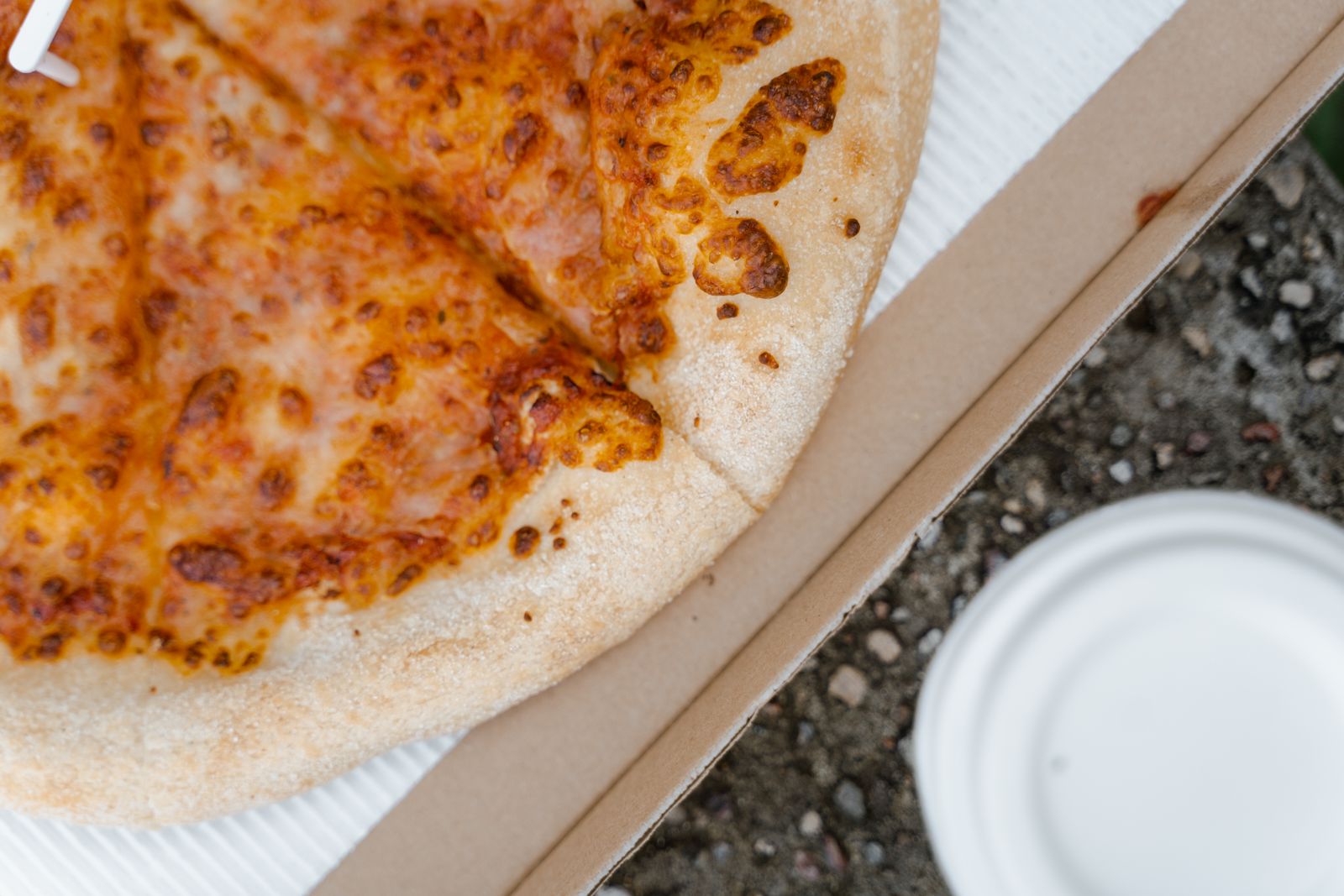
Beyond that, Milan’s street food is cheap and superb. The local signature is the panzerotto, a fried, stuffed pocket of dough, with the decades-old counter at Luini near the Duomo a justly famous example, and you will find pizza by the slice, focaccia and more across the city; our street food guide has the rundown. A whole pizza rarely costs much and fills you up; see our best pizza guide. For self-catering or a picnic, the covered and open-air food markets and the supermarkets let you assemble a feast of bread, cheese and salumi for a few euros each.
Two more habits save real money. First, eat your big meal at lunch, when many restaurants offer a fixed-price pranzo menu that delivers much of the dinner experience at a fraction of the cost. Second, drink your coffee standing at the bar, where an espresso costs around a euro, rather than sitting at a table where prices can be several times higher. Finish, as every Milanese does, with a gelato, one of the city’s great cheap pleasures. For the complete eating landscape, our Milan food guide ties it all together.

Free and nearly-free things to do
Here is the happy secret of Milan: a huge amount of its appeal costs nothing. Standing in Piazza del Duomo before the cathedral’s vast Gothic facade is free, as is stepping inside the soaring Galleria Vittorio Emanuele II to admire the glass dome and spin your heel on the mosaic bull. The courtyards of the Sforza Castle are free to wander, and the adjoining Parco Sempione is a lovely free afternoon. Strolling the Navigli canals, the cobbled lanes of Brera and the modern plazas of Porta Nuova costs nothing but your time.
Milan also has many churches you can enter for free beyond the Duomo itself, some holding remarkable art, and the atmospheric Cimitero Monumentale, an open-air gallery of grand sculpture, is free to visit. Window-shopping the Quadrilatero d’Oro is a spectacle in its own right, and people-watching over a single coffee is the most Milanese pastime of all. Our free things to do guide gathers dozens more, and our hidden gems guide points to the lesser-known corners that cost little or nothing. You could fill two or three days on free sights alone and still feel you had seen the real Milan.
Sightseeing on a budget: free museum days and smart tickets
Even the paid sights have budget routes in. Italy’s state museums offer free entry on the first Sunday of each month, and several of Milan’s civic museums run free or reduced hours at certain times, so checking the calendar before you book can save a sheaf of tickets; our museums guide flags which ones and when. For the Duomo, climbing the stairs to the rooftop costs noticeably less than taking the lift, and the views of the spires and the Alps are identical; our Duomo guide lays out the ticket tiers.
Leonardo’s Last Supper is included free on those first-Sunday openings, though the slots are fiercely contested, so most budget travellers simply book the cheapest standard ticket well ahead. If you plan to pack in several paid attractions, weigh up a city sightseeing pass, which can bundle entries and transport, but do the sums honestly against how much you will actually use it, as it only pays off for busy, attraction-heavy days. For most budget visitors, a mix of free sights, one or two carefully chosen paid highlights and a free-museum Sunday is the sweet spot, and our itineraries guide shows how to sequence them efficiently.
Getting around cheaply
Transport is one of Milan’s genuine bargains. The compact centre means you can walk between most of the headline sights for free, which is also the best way to absorb the city. When you need to cover ground, the metro, trams and buses are inexpensive: a single ticket is around €2.20, and a 24-hour or three-day pass quickly pays for itself if you travel several times a day. You can also tap a contactless card or phone and let the system cap your daily spend automatically. Our transport guide explains every option and fare.
The golden rule for budget travel is to avoid taxis except late at night, since the metro and trams reach virtually everywhere you will want to go for a tiny fraction of the cost. From the airports, the trains and coaches are far cheaper than a cab: the Malpensa Express, the airport buses and, for Linate, the new M4 metro line all beat a taxi on price. Combine plenty of walking with a sensible day pass and your transport costs across a whole trip will barely register.

Cheap day trips from Milan
One of the best budget moves in Milan is to use its superb, cheap regional trains for a day out. A return ticket to many of the region’s highlights costs only a handful of euros each way on the no-frills regional services, no advance booking required. Bergamo, with its gorgeous walled hilltop old town, is a particularly cheap and rewarding trip, reachable in about an hour; our Bergamo guide plans it. The shores of Lake Como are a similar distance and famously beautiful, and even with a modest lunch the day need not cost much.
The trick is to stick to the regional trains rather than the pricier high-speed services for these short hops, pack a picnic from a Milan market or supermarket, and focus on the free pleasures at the other end: walking the lakeshore, exploring the old streets, soaking up the views. Our day trips guide lays out every option, with notes on which are cheapest. A day trip can be the highlight of a budget Milan visit and add almost nothing to your daily spend.
When to visit for the lowest prices
Timing shapes your budget more than almost anything else. The most expensive periods are the fashion weeks in February and September and the Salone del Mobile design fair in mid-April, when the whole city fills with deep-pocketed visitors and hotel prices spike accordingly; avoid these dates unless you are specifically attending. The cheapest times, by contrast, are August, when many locals leave and prices soften (though some restaurants and shops close), and the depths of winter outside the Christmas season, especially January, which also brings the winter sales.
Spring and autumn outside the fair dates offer the best balance of pleasant weather and reasonable prices, while midweek stays generally beat weekends for hotel rates. If your dates are flexible, building the trip around these cheaper windows can save more than all the daily penny-pinching combined. Our best time to visit guide breaks down the trade-offs month by month so you can pick the window that suits both your budget and your weather preferences.
Money-saving habits and insider tips
A handful of small habits add up across a trip. Refill your water bottle at Milan’s public drinking fountains, the cast-iron vedovelle dotted around the city, rather than buying bottled water all day. Understand that a coperto, a small per-person cover charge, is normal at restaurants and not a scam, and that tipping is modest in Italy, so you need not add the large gratuities expected elsewhere. Carry a little cash for markets and small cafés, even though cards are widely accepted.
For shopping, skip the full-price boutiques and head to the outlet malls outside the city, the vintage stores and the street markets for genuine bargains, all covered in our guides to outlet shopping, vintage finds and Milan’s markets; time your visit for the January or July saldi sales for the deepest discounts. Finally, lean on the free walking culture, eat where the locals eat, and treat aperitivo as dinner, and you will find Milan far kinder to your wallet than its reputation. Our broader Milan travel tips round out the practical advice for a smooth, affordable trip.
Budget-friendly areas to base yourself
Where you sleep shapes your spending, and a few Milan districts reliably offer better value than the dead centre. The area around Milano Centrale and the nearby Loreto and Porta Venezia zones has a high concentration of hostels and budget hotels, plus excellent transport links that put the whole city minutes away; the immediate blocks east of the station are a touch scruffy, but you are paying for convenience, not charm. Further out along the metro lines, residential neighbourhoods like those near Lambrate or the southern districts deliver lower rates and a more local feel, with a quick ride into the sights.
The trade-off is simple: the closer you sleep to the Duomo, the more you pay, so the budget sweet spot is a clean, well-reviewed place a few metro stops out rather than in the historic core. Student-heavy areas tend to have cheaper bars and eateries too, compounding the saving. Just check the walking distance to the nearest metro entrance before booking, since “near the metro” can still mean a ten-minute trudge. Our where to stay guide compares every district, and the budget hotels and hostels guide names the best-value specific options across them.
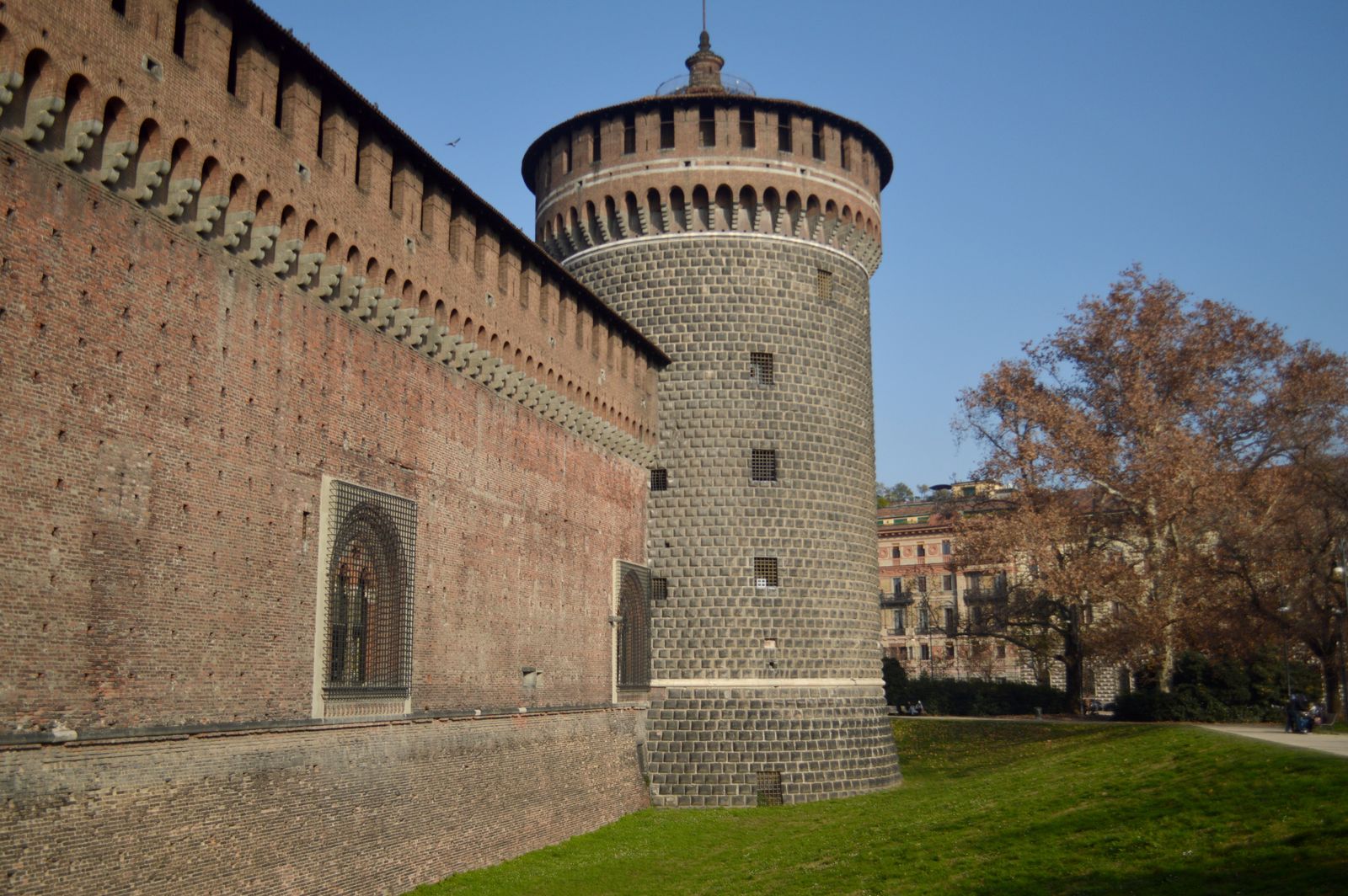 Castello Sforzesco, a highlight of a budget day in Milan” class=”wp-image-1169″ srcset=”https://www.milantourism.org/wp-content/uploads/2026/06/budget-milan-castello-sforzesco-free.jpg 1600w, https://www.milantourism.org/wp-content/uploads/2026/06/budget-milan-castello-sforzesco-free-300×200.jpg 300w, https://www.milantourism.org/wp-content/uploads/2026/06/budget-milan-castello-sforzesco-free-1024×681.jpg 1024w, https://www.milantourism.org/wp-content/uploads/2026/06/budget-milan-castello-sforzesco-free-768×511.jpg 768w, https://www.milantourism.org/wp-content/uploads/2026/06/budget-milan-castello-sforzesco-free-1536×1021.jpg 1536w” sizes=”auto, (max-width: 1600px) 100vw, 1600px” />
A sample day in Milan on a budget
To show how the pieces fit, here is how a frugal but full day might look. Start with an espresso standing at a local bar for around a euro and a pastry for a couple more. Spend the morning on free sights: the Duomo square, the Galleria, the Sforza Castle courtyards and Parco Sempione, all at no cost beyond your energy. Grab a panzerotto or a slice of pizza for lunch, two or three euros, eaten on the move like a local.
In the afternoon, climb the Duomo rooftop by stairs for a modest ticket, or time your visit for a free-museum Sunday, then wander Brera and the Navigli for free. As evening falls, make aperitivo your dinner: one €10–€15 drink buys a buffet generous enough to fill you up. Finish with a gelato for a couple of euros and a stroll along the canals. Add a day-pass for transport and you have seen a great deal of Milan, eaten well and spent well under what a single sit-down restaurant dinner would have cost. Slot this approach into the longer plans in our itineraries guide, and lean on the free things to do guide to fill any gaps.
Budget traps to avoid
Saving money in Milan is as much about dodging the obvious traps as chasing deals. The classic one is the tourist-trap restaurant ringing the Duomo, where high rents and a captive crowd mean weak food at inflated prices; walk a few streets off the main tourist axis before you sit down and you will eat better for less. Be wary, too, of sitting down for coffee or a drink in a prime piazza, where table service can multiply the bill several times over the bar price for the same espresso.
Other easy money to keep in your pocket: skip the airport taxi in favour of the train or coach, refill from public fountains rather than buying bottled water all day, and buy a day or multi-day transport pass instead of a fistful of single tickets if you are making several trips. None of these are huge sums on their own, but together they are the difference between Milan feeling expensive and feeling fair. Our travel tips and food guide flag more of the same so you spend on what counts.
If you want the numbers laid out line by line before you book, our breakdown of how much a trip to Milan costs prices out flights, beds, food and transport for budget, mid-range and comfortable trips.
Frequently asked questions
Is Milan expensive to visit?
Milan can be expensive, but it does not have to be. Designer shopping and luxury hotels push its reputation, yet accommodation, food and transport all have genuinely affordable options. Budget travellers can manage on around €60–€80 a day by using hostels, aperitivo and street food, free sights and cheap public transport. Your biggest controllable costs are where you sleep and where you eat dinner.
How much money do I need per day in Milan?
A shoestring budget of roughly €60–€80 a day covers a hostel bed, aperitivo and street-food meals, free attractions and a transport pass. A comfortable mid-range day runs about €120–€160 with a budget hotel, casual restaurants and a paid sight or two. Add more for sit-down dinners, multiple museums and day trips. Sharing accommodation and eating local stretches the budget furthest.
What free things can you do in Milan?
Plenty. Admiring the Duomo and the Galleria, wandering the Sforza Castle courtyards and Parco Sempione, strolling the Navigli canals and Brera’s lanes, visiting many free churches and the Monumental Cemetery, and window-shopping the fashion district all cost nothing. State museums are also free on the first Sunday of each month. You could fill several days on free sights alone.
How can I eat cheaply in Milan?
Lean on aperitivo, where one €10–€15 drink comes with a buffet that can replace dinner, and on street food like panzerotti and pizza by the slice. Eat your main meal at lunch from a fixed-price menu, drink coffee standing at the bar, and shop the markets and supermarkets for picnics. These local habits cut your food bill dramatically.
When is the cheapest time to visit Milan?
August and the heart of winter outside the Christmas period, especially January, bring the lowest hotel prices, with January also offering the winter sales. Avoid the February and September fashion weeks and the April Salone del Mobile design fair, when prices soar. Spring and autumn outside those fair dates balance good weather with reasonable rates, and midweek beats weekends.
Final thoughts
Milan’s luxury image is real, but it is only one layer of the city, and the budget traveller who looks past it finds a place that is far more welcoming to a modest wallet than expected. Sleep in a hostel or budget hotel a short metro ride out, make aperitivo and street food your meals, fill your days with the long list of free sights, walk everywhere you can, and time the trip away from the fashion and design fairs. Do that and you can experience the real Milan, rooftops, canals, art and all, without the eye-watering bill. Start planning with our things to do guide, find a cheap bed with our budget hotels and hostels guide, and map out free days with our free things to do guide.