Milan is one of the easiest big Italian cities to visit, but it rewards a little local knowledge more than most. This is a working city as much as a tourist one, with its own etiquette around coffee and aperitivo, its own daily rhythm, and a few quirks, like a transport system that recently went cashless and a tourist tax that climbs by the year, that catch first-timers out. Get the basics right and you will move through Milan like you have been before.
Staying for weeks rather than days changes the advice entirely — rent, coworking, SIM contracts and tax residency all start to matter. Our guide to Milan for digital nomads handles the long-stay version.
Travelling on your own changes which of these tips actually matter — our guide to solo travel in Milan covers the safe neighbourhoods, eating alone without dreading it, and how to meet people in a city that is not a backpacker town.
Still shaping the trip? Our guide to how many days you need in Milan sets out what two, three and five days each realistically cover.
First trip to Italy and torn between the two? Our comparison of Milan vs Rome answers it by traveller type rather than by sight count.
If you are still weighing the trip up, our piece on whether Milan is worth visiting sets out who loves this city and who should leave it for another time.
If you are driving here, read our guide to parking in Milan before you arrive — the two-hour maximum stay in the centre catches almost everybody.
If you are arriving by car, our guide to driving in Milan explains the two restricted zones and the fines that follow you home.
Checkout at eleven and a train at eight is a solved problem: our guide to luggage storage in Milan covers where to leave bags and what it costs.
Travelling for work rather than for fun? The etiquette shifts — titles, timings, how lunch is used — and our Milan business travel guide covers the differences that actually matter in a meeting.
If a Milan hotel rate looks inexplicable for an ordinary week, the answer is usually a trade fair — our Fiera Milano Rho guide covers the calendar that drives it.
None of it is complicated. A handful of habits around money, transport, safety and manners will save you time, money and the odd awkward moment, and let you spend your energy on the city itself rather than on figuring out how it works.
The most useful Milan travel tips: tap a contactless card or phone for the metro and trams, as paper tickets were phased out in 2026; watch for pickpockets around the Duomo and on packed transport; dress smart; drink coffee standing at the bar; book the Last Supper well ahead; and budget for the per-night tourist tax on your hotel.
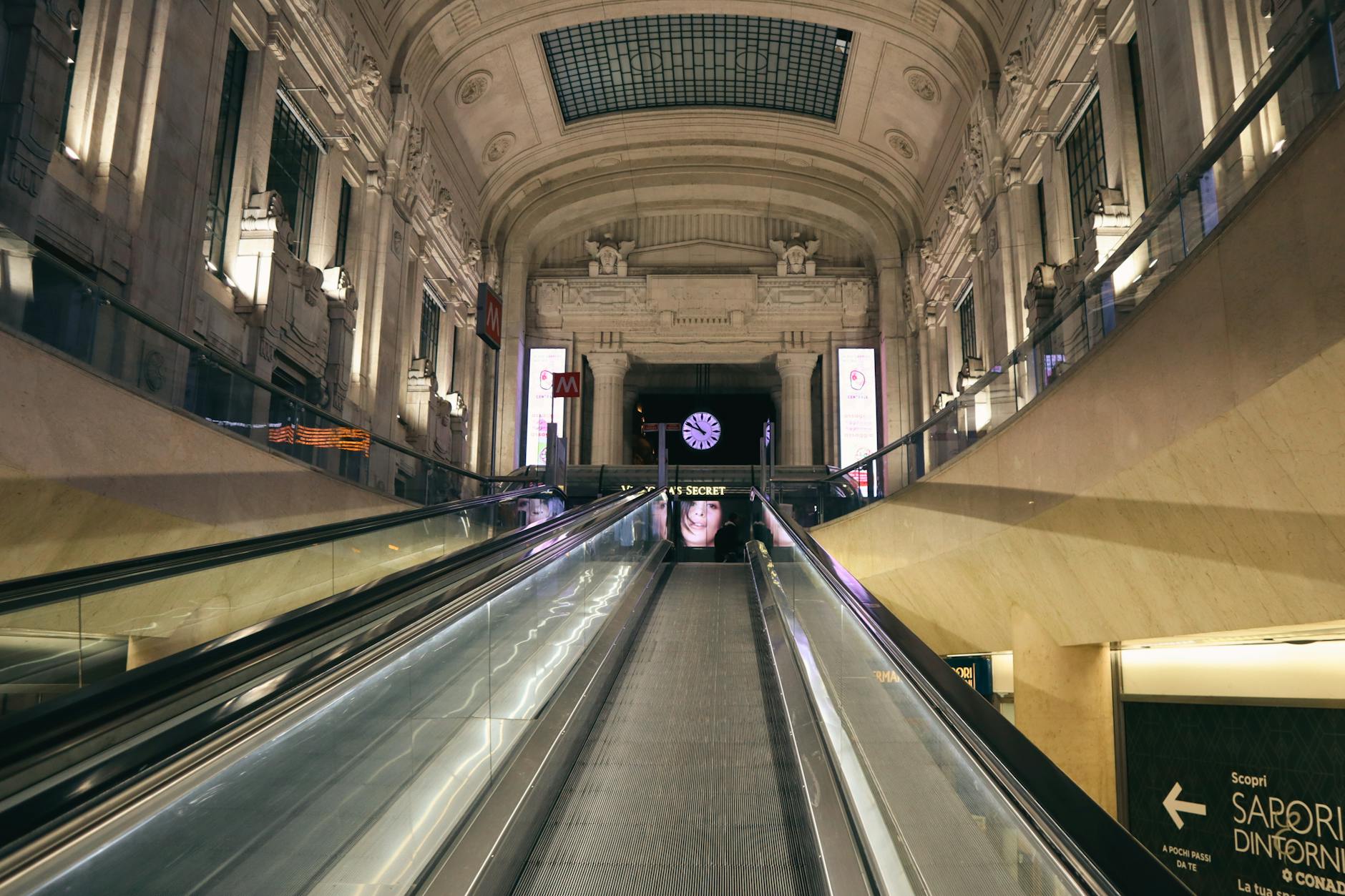
This is the practical hub of the site, the page that pulls together everything you need to know before and during a trip. It links out to deeper guides on transport, money, safety and the rest, and sits alongside our best time to visit guide for timing and our things to do guide for the sightseeing itself. Here are the essentials, organised so you can scan for what you need.
Milan essentials at a glance
Before the detail, here is the quick reference for the things people ask most. Treat the figures as a guide and check current rates close to your trip, as prices and rules do change.
| Essential | What to know |
|---|---|
| Currency | Euro (€); cards accepted almost everywhere, carry a little cash |
| Transport ticket | Tap a contactless card or phone; single ride about €2.20 |
| Tourist tax | Per person per night, scaling by hotel star rating up to €12 |
| Tipping | Not expected; round up or leave a few euros for good service |
| Emergency number | 112 (single European emergency line) |
| Tap water | Safe to drink; refill at public fountains |
| Language | Italian; English widely understood in tourist areas |
Getting from the airports into the city
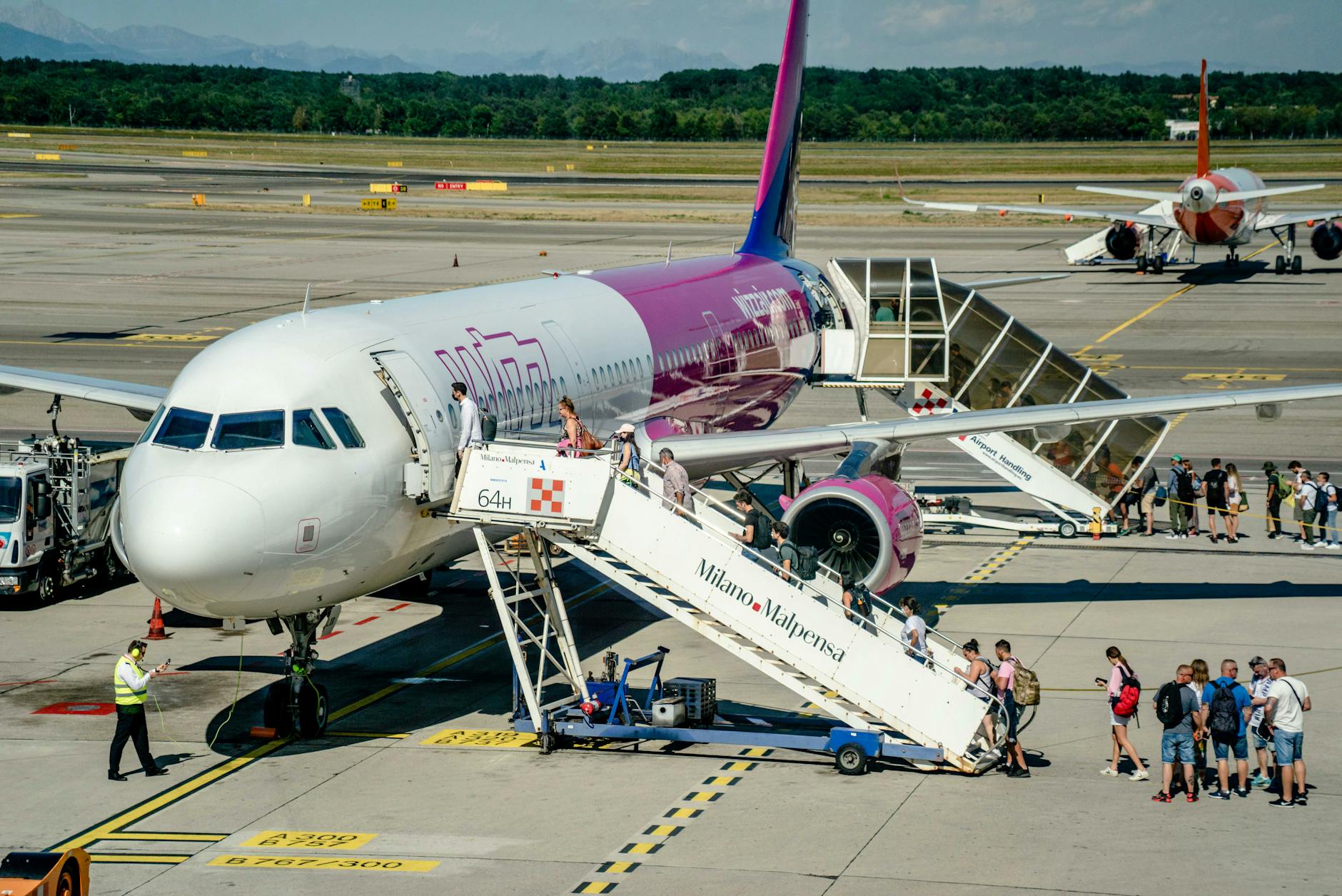
Milan is served by three airports, and knowing which one you are landing at matters, because they are very different distances from the centre. Malpensa is the largest and furthest out; the quickest way in is the Malpensa Express train to Cadorna or Centrale, taking around 50 minutes, with airport coaches a cheaper, slower alternative. Linate is much closer and now connected directly to the centre by the M4 metro line, which is fast and inexpensive. Bergamo (Orio al Serio), used by many budget airlines, is the furthest and reached by frequent coaches in around an hour.
From any of them, the train or coach beats a taxi on price by a wide margin, and from Linate the metro is the obvious choice. Avoid unofficial drivers who approach you in arrivals; stick to the official transport or the licensed white taxi ranks. For fares, routes and the full breakdown of each airport, see our dedicated Milan transport guide.
Getting around Milan
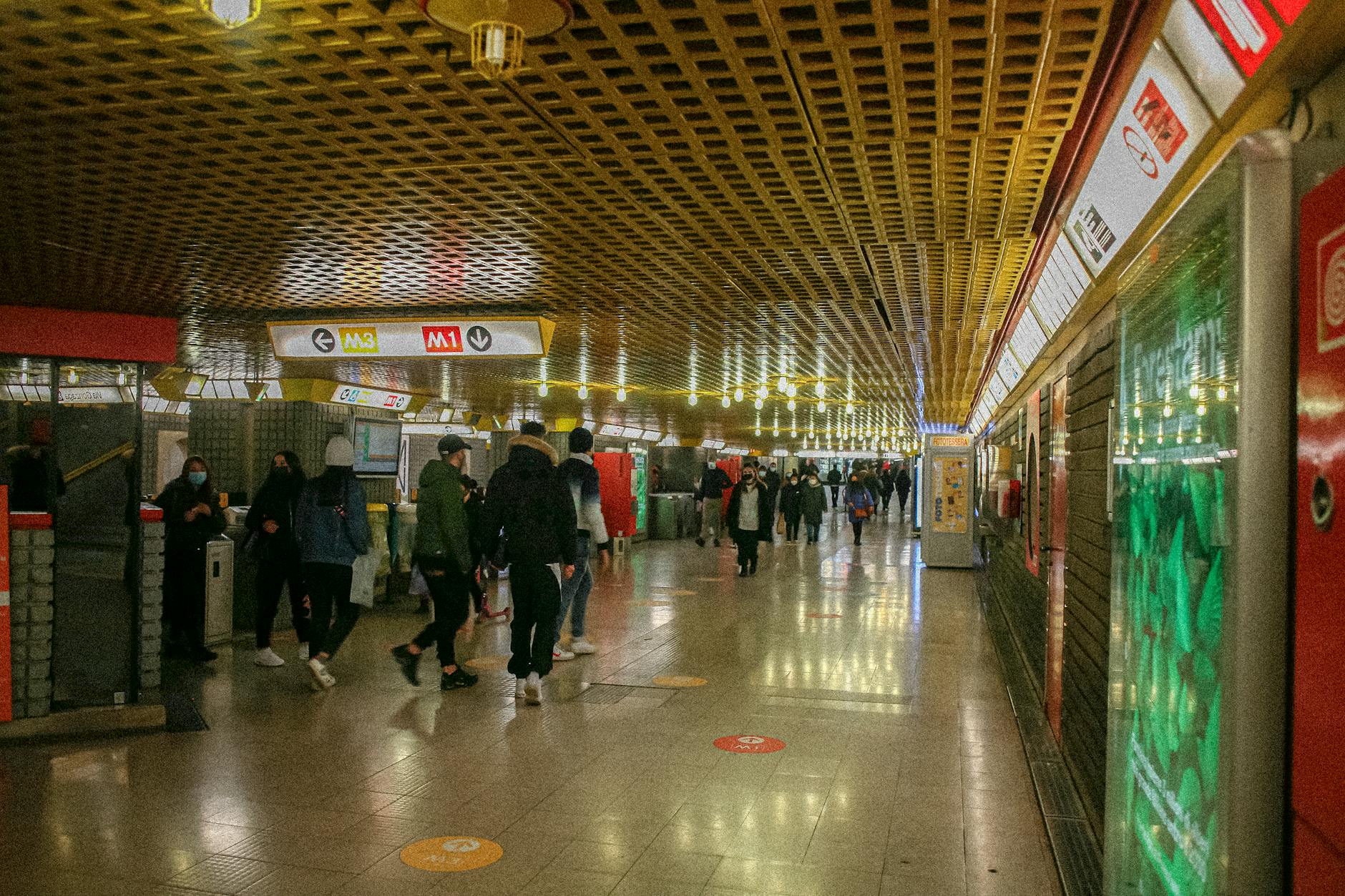
Milan has one of the best public-transport networks in Italy, run by ATM: a clean, efficient metro of several lines, plus an extensive tram and bus system, including charming historic trams. The single most important change to know about is that, as of 2026, the city has gone cashless on transport: you no longer buy paper tickets but simply tap a contactless bank card, phone or smartwatch at the metro gates and on board, and the system charges you the best fare automatically, including capping your spend at the day-pass price if you travel a lot.
A single ride costs around €2.20 and covers 90 minutes of travel; a day’s travel caps at roughly €7.60. The centre is compact and very walkable, so you will often find it quicker to walk between sights than to wait for a train. For longer hops, taxis are reliable but pricey and best booked by app or taken from a rank, while the city’s bike and scooter share schemes suit short journeys. Our transport guide explains every option, and our neighbourhoods guide shows how the districts connect.
Money, costs and the tourist tax
Italy uses the euro, and Milan is thoroughly card-friendly: you can tap to pay almost everywhere, including on transport and in most cafés and shops. Still, it is worth carrying a little cash for small purchases, market stalls and the occasional place with a card minimum. ATMs (bancomat) are plentiful; withdraw from bank machines rather than the standalone currency-exchange kiosks, which offer poor rates.
One cost that surprises visitors is the tourist tax, a per-person, per-night charge added to your accommodation and usually paid at check-out. It scales by category, rising in 2026 to around €3 to €12 a night depending on your hotel’s star rating, with short-term rentals charged a flat nightly rate, and it is capped at 14 nights per stay. It is small but adds up over a longer trip, so factor it in. For keeping overall costs down, our budget Milan guide is full of practical savings, and our where to stay guide helps you find good value.
Tipping etiquette
Tipping in Milan is relaxed and nothing like the American model. Service is not added as a percentage and waiters are paid a proper wage, so a tip is a gesture of appreciation rather than an obligation. In restaurants, many people simply round up the bill or leave a few euros for good service; there is no need to add ten or twenty percent.
Note that many restaurants charge a coperto, a small per-person cover charge of a euro or two that pays for bread and the table setting, which appears on the bill and is not a tip. For a coffee at the bar you might leave a few coins, and for taxis rounding up to the nearest euro is plenty. In short, tip modestly if at all, and never feel pressured to over-tip.
Staying safe and avoiding scams
Milan is a safe city by European standards, and violent crime against tourists is rare. The real risk is pickpocketing, which is common in the predictable hotspots: the crowds in front of the Duomo, packed metro carriages and trams, and the busy stretches of the Navigli at the weekend. Keep your bag zipped and in front of you, your phone secure and your back pocket empty, and you remove most of the danger.
Be aware of a few classic scams around the cathedral, where people may try to press a “free” friendship bracelet or grain for the pigeons into your hand and then demand money, or distract you while an accomplice works. A polite, firm “no” and walking on defuses them. Only use licensed white taxis or booked rides, and agree the meter is running. The single European emergency number is 112. None of this should make you anxious; Milan is welcoming, and a little awareness is all it takes.
Etiquette and local customs
A few customs will help you blend in. Milanese take pride in dressing well, so lean smart rather than scruffy, especially in the evening and in nicer restaurants. Around food and drink, the rituals matter: coffee is usually taken standing at the bar, quickly and cheaply, and a cappuccino is a morning-only drink in local eyes, never after a meal. The early-evening aperitivo is a social institution worth embracing, as our aperitivo guide explains.
Meals run later than in many countries: lunch from around one, dinner rarely before eight. Greet shopkeepers with a buongiorno on entering, and dress modestly for churches, covering shoulders and knees, which matters at the Duomo above all. These are small things, but they smooth your way and are appreciated. Our coffee guide and food guide go deeper on the eating-and-drinking culture.
Language basics
The language is Italian, and while English is widely understood in hotels, major attractions and tourist-facing restaurants, a few words of Italian go a long way and are warmly received. Buongiorno (good morning), buonasera (good evening), per favore (please), grazie (thank you) and scusi (excuse me) will carry you through most everyday exchanges.
Away from the centre, in local trattorias, markets and residential districts like Città Studi, you will meet less English, so a translation app is handy. Italians appreciate the effort of even a clumsy attempt at their language far more than a confident assumption that everyone speaks English. Menus in tourist areas usually have English versions, but learning the names of a few dishes, covered in our traditional Milanese food guide, makes ordering more fun.
Staying connected: SIMs, eSIMs and wifi
Staying online in Milan is easy. If you are visiting from within the EU, your home mobile plan should work at no extra cost under roaming rules. From further afield, the cheapest option is usually a local prepaid SIM from one of the Italian networks, sold at airport and city-centre shops, or an eSIM you can set up before you arrive, which avoids swapping cards entirely.
Free wifi is common in hotels, many cafés and some public spaces, and the city offers free hotspots in places, though coverage varies. For most visitors an eSIM bought before the trip is the simplest route to reliable data for maps and tickets, which matters more now that transport runs on tapping and apps. Download an offline map of the city as a backup.
Opening hours and the rhythm of the day
Milan keeps slightly different hours from northern Europe, and knowing them prevents wasted journeys. Smaller shops may close for a midday break, and many businesses keep reduced hours on Sundays. Crucially, several museums close on Mondays, so check before you plan a gallery day, and the famous Last Supper must be booked well in advance as slots sell out far ahead.
The biggest seasonal quirk is August, when much of the city decamps to the coast and a good number of shops and restaurants shut for two or three weeks, especially around the 15th. If you visit then, expect a quieter, partly closed city. For the full seasonal picture and the events that affect opening times, see our best time to visit guide, and plan your sightseeing order with our itineraries guide.
Health, water and practicalities
Milan is a straightforward city for health and everyday practicalities. The tap water is safe to drink, and you can refill a bottle at the city’s public drinking fountains, a small saving that adds up in summer. Pharmacies (farmacia, marked with a green cross) are widespread, with some open late or around the clock on a rota, and pharmacists can advise on minor ailments.
EU visitors should bring their European Health Insurance Card; everyone else should arrange travel insurance before the trip. The single emergency number across Italy and the EU is 112, which reaches police, ambulance and fire. Standard European two-pin plugs are used, so bring an adapter if you need one. None of this is unusual, but having it sorted lets you relax into the trip.
Common mistakes first-timers make
A few avoidable slips trip up newcomers. The biggest is not booking the Last Supper early, then being disappointed it is sold out; reserve as soon as your dates are fixed. Another is over-tipping out of habit, when rounding up is plenty. Many visitors also underestimate how walkable the centre is and waste money on taxis for journeys quicker on foot.
People also tend to give Milan too little time, treating it as a half-day stopover when two or three days reveal a far richer city, or they visit only the Duomo and miss the neighbourhoods where the real character lives. Finally, dressing too casually can feel out of place in this style-conscious city. Avoid these and you are ahead of most first-timers; our neighbourhoods guide and things to do guide help you see beyond the obvious.
Shopping, sales and tax-free refunds
Milan is a shopping capital, so a few tips pay off here too. The luxury flagships cluster in the Quadrilatero d’Oro, but the city also has mid-range high streets, vintage shops and outlet malls within easy reach. If you want bargains, time your visit to the official sales, which run for several weeks from early January and early July, when even the smart boutiques mark down stock.
Visitors from outside the EU can reclaim the VAT on larger purchases through the tax-free shopping scheme: ask the shop for the paperwork, keep your receipts, and process the refund before you leave the EU. It is worth doing on a significant buy. Our Milan shopping guide covers the districts and what to buy, our tax-free shopping guide walks through the refund process step by step, and our fashion district guide maps the luxury streets.
Day trips and exploring beyond Milan
One of Milan’s great advantages is its position as a transport hub, which makes it a superb base for exploring northern Italy. Fast trains from Centrale reach Turin, Bologna, Verona and even Venice and Florence in well under three hours, while the lakes and smaller towns are an easy excursion. Many visitors build a day or two of trips into a Milan stay.
The most popular escape is to the lakes, with Como the headline draw, but Bergamo’s beautiful old town, the vineyards of Franciacorta and the art cities of the Po Valley all repay a day. If you are coming in summer especially, when the city is hot and quiet, these trips come into their own. Our day trips from Milan guide lays out the options, our Lake Como guide covers the classic, and the transport guide explains the trains.
What to pack for Milan
Pack for the season and for a city that cares about appearances. Comfortable walking shoes are non-negotiable year-round, since you will cover a lot of ground on foot and the cobbles punish flimsy soles. Beyond that, bring light, breathable clothes and sun protection for the humid summer, warm layers and a proper coat for the cold, sometimes foggy winter, and flexible layers plus a compact umbrella for spring and autumn.
Whatever the season, lean a little smarter than you might elsewhere; the Milanese rarely look scruffy, and you will feel more comfortable for matching them. Bring something that covers shoulders and knees for visiting churches, a reusable water bottle for the public fountains, and a plug adapter if you need one. For deciding when to come in the first place, our best time to visit guide runs through the seasons in detail.
Travelling with children or accessibility needs
Milan is a manageable city for families and for travellers with mobility needs, with a few caveats. Most of the metro is step-free at major stations, though some older stops have only stairs, and the historic trams are charming but not always accessible; check routes in advance if that matters. The compact, mostly flat centre is good for strollers and easy walking, and the big parks give children room to run.
Many museums and the Duomo offer reduced or free entry for children and concessions, and lifts serve the cathedral rooftop for those who cannot manage the stairs. Plan around nap times and the midday heat in summer, and book ahead where you can to skip queues. Our things to do with kids guide is full of family-friendly ideas, our family hotels guide helps with where to stay, and the Duomo guide explains the access options at the city’s top sight.
Frequently asked questions
Do I need cash in Milan?
Not much. Milan is very card-friendly and you can tap to pay almost everywhere, including on public transport since the 2026 switch to contactless. It is still worth carrying a little cash for small purchases, market stalls and the occasional place with a card minimum. Withdraw from bank ATMs rather than currency-exchange kiosks for better rates.
How do I pay for the metro in Milan?
Since 2026, you simply tap a contactless bank card, phone or smartwatch at the metro gates and on board trams and buses; paper tickets have been phased out. The system charges the correct fare automatically, around €2.20 for a single ride, and caps your daily spend at the day-pass price. Use the same card for the whole trip to benefit from the capping.
Is Milan safe for tourists?
Yes, Milan is a safe city for visitors, with violent crime against tourists rare. The main risk is pickpocketing in crowded areas like the Duomo, packed metro lines and the weekend Navigli. Keep your belongings secure, be wary of bracelet and distraction scams near the cathedral, and use licensed white taxis at night. The emergency number is 112.
How much is the tourist tax in Milan?
Milan charges a per-person, per-night tourist tax on accommodation, paid at check-out and scaling by category. In 2026 it ranges from around €3 a night for one-star hotels up to about €12 for five-star properties, with short-term rentals charged a flat nightly rate. It is capped at 14 nights per stay, so budget for it across the length of your trip.
Can you drink the tap water in Milan?
Yes, the tap water in Milan is safe and good to drink, and the city has public drinking fountains where you can refill a bottle for free, which is handy in the summer heat. Carrying a reusable bottle saves money and plastic. If you prefer bottled water, it is cheap and sold everywhere, though there is no need to rely on it.
Final thoughts
Milan asks very little of visitors beyond a few good habits: tap to ride, keep an eye on your pockets in the crowds, dress with a bit of care, drink your coffee like a local and give the city more than a passing afternoon. Do that and you will find it one of the smoothest, most rewarding cities in Italy to travel in, sophisticated and unfussy in equal measure. Use the linked guides to go deeper on transport, budget, timing and the rest, and you will arrive already knowing how Milan works.
Go deeper on Milan practicalities
Each topic below has its own full guide, updated for 2026: