Category: Travel Tips

  • Best Time to Visit Milan: Month-by-Month Guide for 2026

    Best Time to Visit Milan: Month-by-Month Guide for 2026

    Best time to visit Milan depends on what you want from your trip — whether that’s warm weather for rooftop aperitivi, world-class fashion events, Christmas markets, or simply fewer crowds and lower prices. Milan’s climate swings from foggy, cold winters to hot, humid summers, with glorious shoulder seasons in between. This comprehensive guide breaks down every month of the year so you can plan the perfect Milan holiday in 2026 and beyond.

    Milan in spring with cherry blossoms blooming in Sempione Park
    Photo credit: Pexels

    Best Time to Visit Milan: Quick Overview

    The best time to visit Milan for most travellers is April to June and September to October. These shoulder seasons deliver comfortable temperatures (15–25 °C), manageable crowds, and the city’s most exciting cultural events — including Salone del Mobile in April and Fashion Week in February and September. Budget travellers will find the lowest hotel rates in January, February, and August, though each comes with trade-offs.

    Spring in Milan (March – May): The Best Time to Visit

    Spring is widely considered the best time to visit Milan for first-timers. The city shakes off winter fog, parks burst into bloom, and outdoor terraces reopen for aperitivo season.

    March signals the start of spring with average highs of 14–15 °C and lows around 5–6 °C. Rain is possible but days grow noticeably longer. Milan Fashion Week Women’s wraps up in early March, making it a great time for fashion enthusiasts. Cherry blossoms appear in Parco Sempione and the Giardini Indro Montanelli toward month’s end.

    April is one of the finest months to visit. Temperatures climb to 17–18 °C with occasional rain showers. The massive Milan Design Week (Salone del Mobile and Fuorisalone) typically falls in mid-April, transforming the entire city into an open-air design exhibition with hundreds of installations, showrooms, and parties across every neighbourhood. Hotel prices spike during Design Week, so book well in advance.

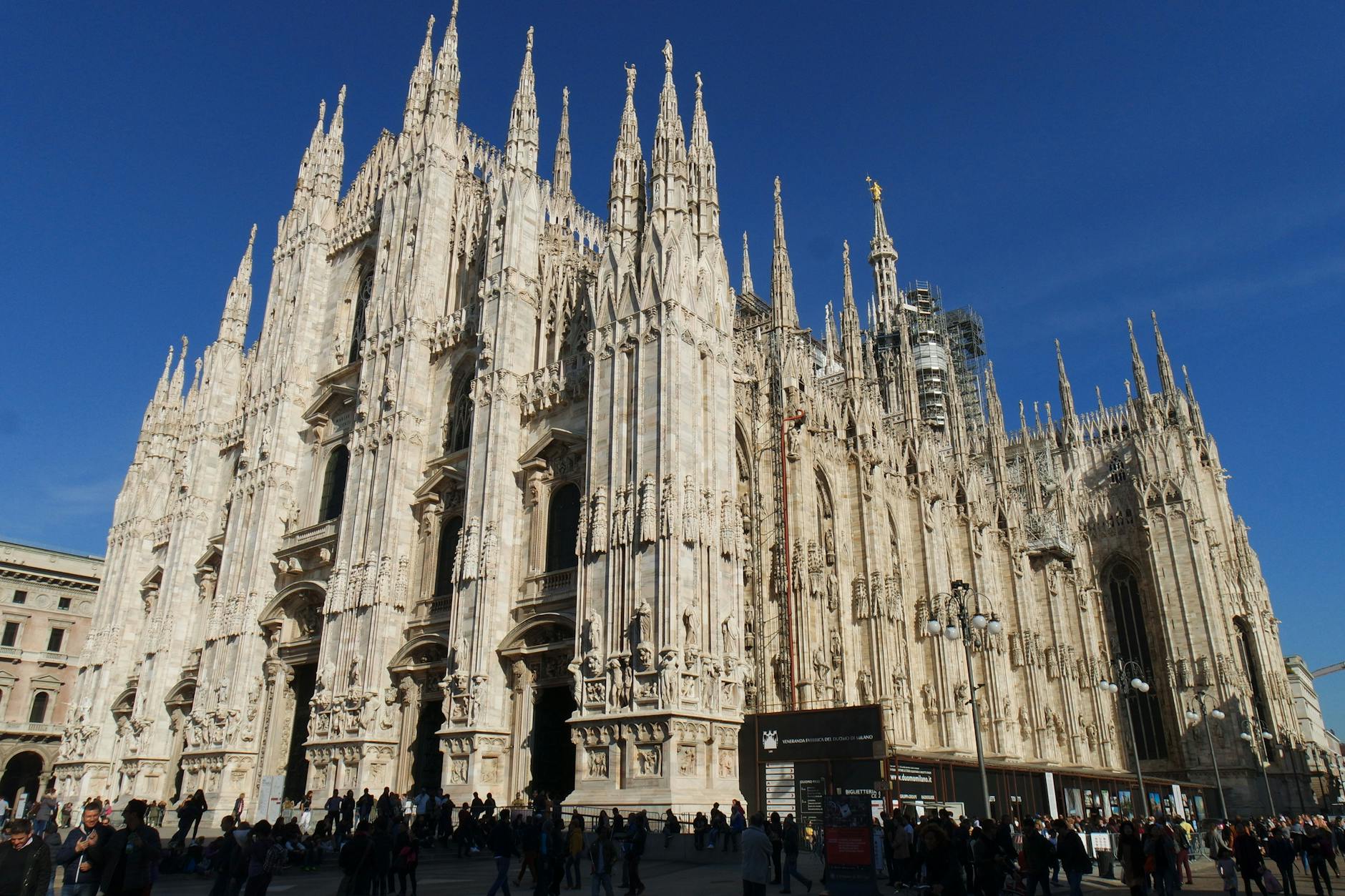
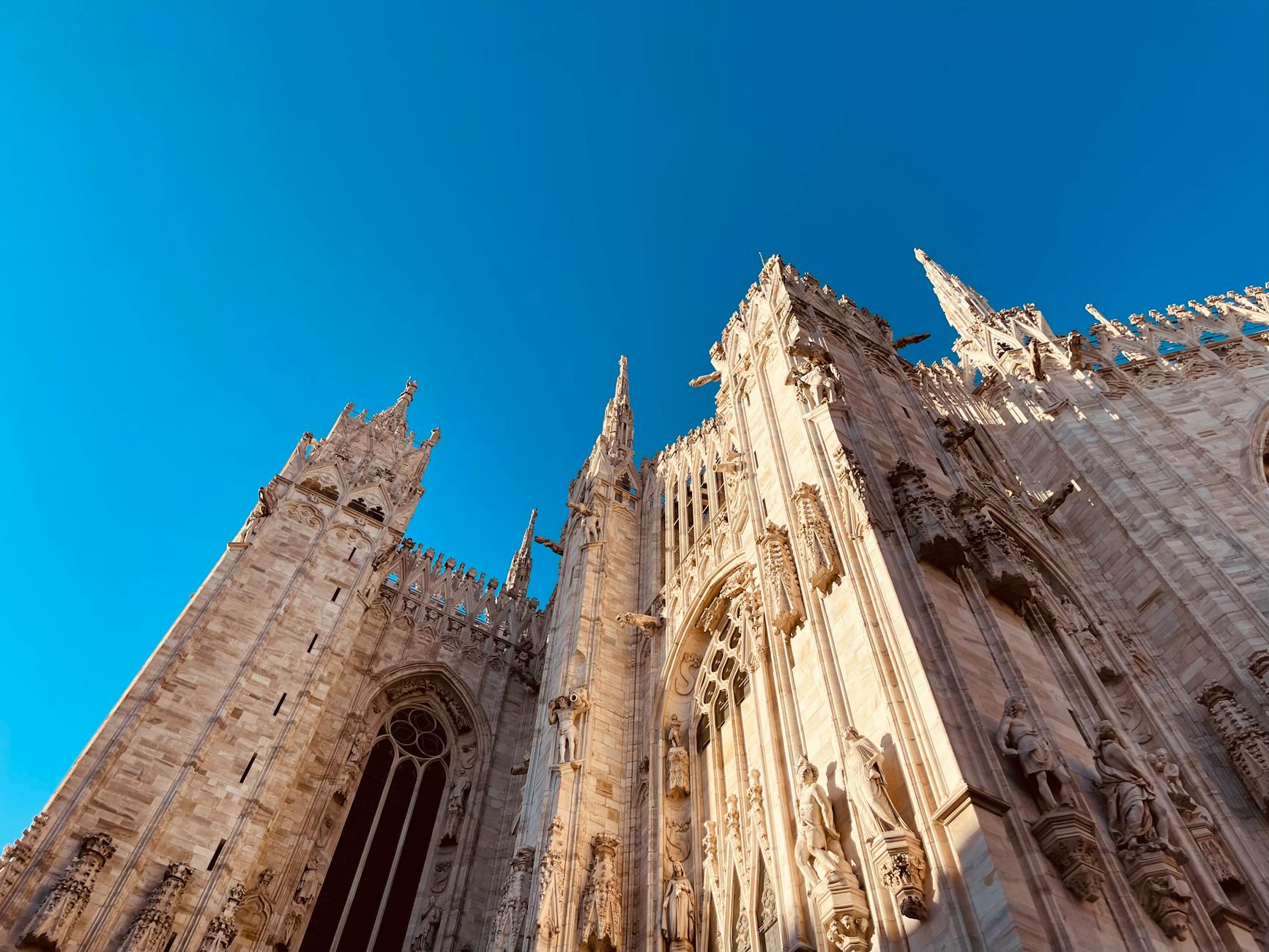
    Best time to visit Milan Duomo cathedral on a sunny summer day
    Photo credit: Pexels

    May is arguably the single best month to visit Milan. Temperatures reach a comfortable 21–23 °C, skies are often clear, and the city buzzes with energy before the summer heat sets in. Outdoor dining is at its best, queues at the Duomo and The Last Supper are shorter than peak summer, and hotel rates remain 25–40 % below July levels.

    Summer in Milan (June – August)

    Summer brings the longest days, warmest weather, and — in August — an almost eerily quiet city as locals flee for the coast.

    June is still an excellent time to visit, with average highs of 27–28 °C and long, sunny evenings perfect for strolling the Navigli canals. The city hosts Milano Photo Week and various outdoor concerts and cinema events. It’s warm but not yet oppressive, and restaurants remain fully operational.

    Sunset along Milan Navigli canal district in summer
    Photo credit: Pexels

    July is the hottest month, with temperatures frequently exceeding 33 °C and high humidity. Air-conditioned museums like the Pinacoteca di Brera become essential retreats. Summer sales (saldi estivi) begin in early July, making it a good time for bargain shopping. Evenings cool slightly and rooftop bars are in full swing.

    August divides opinion. The Ferragosto holiday (around August 15) sees many Milanese leave the city entirely. Restaurants, independent shops, and even some cultural venues close for two to three weeks. Hotel rates drop 30–45 %, making it attractive for budget travellers willing to tolerate the heat and limited dining options. Major attractions like the Duomo and The Last Supper remain open.

    Autumn in Milan (September – October): Best Time to Visit for Culture

    Autumn foliage along the Navigli canals in Milan
    Photo credit: Pexels

    Autumn rivals spring as the best time to visit Milan for culture lovers. The city returns to full speed after the August break, temperatures cool to pleasant levels, and the cultural calendar hits its peak.

    September is superb. Highs of 24–26 °C, golden light, and the return of Milan Fashion Week Women’s Spring/Summer make it one of the most vibrant months. Business travel peaks, so hotel prices rise, but the energy is unmistakable. The MITO SettembreMusica festival fills churches and concert halls with classical performances.

    October brings beautiful autumn foliage to parks and the Navigli canal banks. Temperatures range from 12–20 °C — ideal for walking. The Bookcity Milano literary festival and various food events like Golosaria offer authentic cultural experiences. Queues shorten at major attractions, and hotel rates begin to soften.

    November marks the transition to winter with temperatures dropping to 7–12 °C and increased fog. The famous Milanese nebbia (fog) lends the city a moody atmosphere. Crowds thin considerably, making it a good time for museum-heavy itineraries. The Oh Bej! Oh Bej! Christmas market opens around December 7 (the feast of Sant’Ambrogio), sometimes starting in late November.

    Winter in Milan (December – February)

    Milan in winter with atmospheric fog near the Duomo
    Photo credit: Pexels

    Winter in Milan is cold, foggy, and distinctly atmospheric — a far cry from the sunny Mediterranean image many visitors expect. But it offers unique experiences, lower prices, and a chance to see the city as locals live it.

    December is magical despite the cold (2–8 °C). The Duomo Christmas tree, the Oh Bej! Oh Bej! market near Castello Sforzesco, and festive lights along Via Monte Napoleone create a fairy-tale atmosphere. La Scala‘s opera season opens on December 7 with the most coveted performance of the year. Hotels are busy for the Christmas period but offer deals in early December.

    Milan Christmas markets and festive lights in December
    Photo credit: Pexels

    January is the coldest month (0–7 °C) but rewards budget travellers with the lowest hotel rates of the year and the start of winter sales (saldi invernali) — typically from the first weekend in January until mid-February. Designer goods at Milan’s luxury outlets and boutiques see discounts of 30–70 %. Milan Fashion Week Men’s falls in mid-January, bringing industry buzz.

    February remains cold (1–9 °C) but days start lengthening. The colourful Carnevale Ambrosiano — Milan’s unique carnival, held a week later than the rest of Italy — fills the streets with parades and costumed celebrations. Milan Fashion Week Women’s arrives in late February, making it a prime time for fashion lovers despite the weather.

    Milan Carnival celebration and parade in February
    Photo credit: Pexels

    Milan Weather Month by Month

    Understanding Milan’s weather patterns is essential for choosing the best time to visit Milan. Here’s a month-by-month temperature and rainfall summary:

    MonthAvg High (°C)Avg Low (°C)Rain DaysCrowd Level
    January606Low
    February915Low–Medium
    March1457Medium
    April1898High (Design Week)
    May23139Medium–High
    June27177High
    July30205High
    August30197Low (Ferragosto)
    September25165High (Fashion Week)
    October18118Medium
    November1157Low
    December716Medium (Christmas)

    Best Time to Visit Milan for Major Events

    Milan Fashion Week runway show during the best time to visit Milan for fashion
    Photo credit: Pexels

    Milan’s event calendar is one of Europe’s richest. Timing your visit to coincide with a major event can transform your trip — but also means higher prices and busier streets. Here are the highlights:

    Milan Fashion Week (January, February, June, September): Four annual fashion weeks draw the global industry to Milan. The Women’s Ready-to-Wear shows in February/March and September are the most high-profile, with celebrity sightings around the Quadrilatero della Moda. Even if you don’t have runway tickets, the street style and pop-up events are electric.

    Milan Design Week Salone del Mobile furniture fair
    Photo credit: Pexels

    Salone del Mobile / Milan Design Week (April): The world’s largest furniture and design fair brings over 300,000 visitors and transforms Milan into a global design capital. The official Salone del Mobile takes place at the Rho Fiera fairground, while the citywide Fuorisalone features installations in the Brera, Tortona, Isola, and Lambrate districts.

    Carnevale Ambrosiano (February/March): Milan celebrates carnival a week after the rest of Italy, following the Ambrosian Rite. Parades, costumes, and street food fill Piazza Duomo and surrounding streets.

    Festa di Sant’Ambrogio & Oh Bej! Oh Bej! (December 7): Milan’s patron saint’s day launches the Christmas season with the traditional Oh Bej! Oh Bej! market near Castello Sforzesco and the opening of La Scala’s opera season.

    F1 Italian Grand Prix (September): The historic Autodromo di Monza, just 20 minutes from central Milan, hosts one of Formula 1’s most iconic races. The city buzzes with motorsport fans and special events.

    Best Time to Visit Milan on a Budget

    For budget travellers, the cheapest periods are January–February (excluding Fashion Week dates) and August. Hotel rates in these months can be 30–50 % lower than peak seasons. January also offers winter sales with deep discounts on fashion. August trades lower prices for heat, humidity, and limited dining options during Ferragosto.

    The best value overall comes in early March, late May, and late October/early November — periods with pleasant weather, full restaurant operations, and hotel rates 20–35 % below peak.

    What to Pack for Milan by Season

    Outdoor aperitivo terrace in Milan during the best time to visit
    Photo credit: Pexels

    Milan is one of Europe’s most fashion-conscious cities, so dressing well matters — especially for restaurants and cultural venues. Here’s what to pack by season:

    Spring/Autumn: Layers are essential. Bring a light jacket, comfortable walking shoes, an umbrella, and smart-casual evening wear. A scarf works for cool mornings and doubles as a style accessory.

    Summer: Light, breathable fabrics, sunglasses, sunscreen, and a hat. Pack a light cardigan for aggressively air-conditioned museums and churches (which may require covered shoulders). A water bottle is essential in July heat.

    Winter: A warm coat, scarf, gloves, and waterproof shoes are non-negotiable. Milan’s fog and damp cold feel colder than the thermometer suggests. Dress in layers for heated interiors versus chilly streets.

    Planning Your Milan Trip

    No matter when you choose to visit, Milan rewards curious travellers with world-class art, extraordinary food, and an energy unlike any other Italian city. For help planning your days, see our Milan itineraries guide for 1- to 7-day plans. Check our travel tips for practical advice on getting around, and explore our guides to things to do, where to eat, and where to stay to complete your planning.

  • Milan Travel Tips: Essential Guide for First-Time Visitors (2026)

    Milan Travel Tips: Essential Guide for First-Time Visitors (2026)

    Milan travel tips are essential reading before you set foot in Italy’s fashion and business capital. Milan is a city that rewards preparation — from booking Last Supper tickets months in advance to understanding the unwritten rules of aperitivo culture. Whether you’re a first-time visitor or returning for a deeper experience, this comprehensive guide covers everything you need to know about getting around, staying safe, saving money, and making the most of your time in Milan.

    Milan Centrale train station grand architecture
    Milan Centrale train station grand architecture — Photo by Bruna Santos / Pexels

    Getting to Milan: Airports and Arrival

    Milan is served by three airports, each offering different advantages. Malpensa Airport (MXP) is the main international hub, located about 50 km northwest of the city centre. The Malpensa Express train runs every 30 minutes to Milano Centrale and Cadorna stations, taking about 50 minutes and costing around €13. Alternatively, shuttle buses from Terravision and Autostradale run to Centrale station for €8-10.

    Linate Airport (LIN) handles mostly European and domestic flights and sits just 7 km from the city centre. The Linate Express shuttle bus reaches Centrale station in about 25 minutes, and city bus 73 connects directly to Piazza San Babila in the centre. Bergamo Orio al Serio (BGY) serves many budget airlines like Ryanair. Despite being about 50 km east of Milan, shuttle buses connect to Centrale station in approximately one hour for around €6-7.

    Arrivals area at Milan Malpensa international airport
    Arrivals area at Milan Malpensa international airport — Photo by Atlantic Ambience / Pexels

    For taxis, the official fixed-rate fare from Malpensa to central Milan is €105 (set by the municipality). Always confirm this rate before departing and ensure you use only licensed white taxis from the official taxi stand — never accept offers from drivers soliciting inside the terminal.

    Getting Around Milan: Transport Guide

    Milan has one of Italy’s best public transport networks, operated by ATM Milano. The system includes four metro lines, over 80 bus routes, 17 tram lines, and a suburban rail network. A standard single-ride ticket costs €2.20 and is valid for 90 minutes across all modes of transport (metro, bus, and tram). You can buy tickets at metro stations, newsagents (tabacchi), or through the ATM Milano app.

    Milan metro underground public transport system
    Milan metro underground public transport system — Photo by Luca Sammarco / Pexels

    For visitors staying several days, the 24-hour (€7.60), 48-hour (€13.80), or 3-day (€16.80) travel passes offer unlimited rides and are the best value if you plan to use public transport frequently. The metro runs from approximately 5:40 AM to 12:30 AM (until 1:30 AM on weekends). Night buses (marked with “N”) cover key routes after metro closing time.

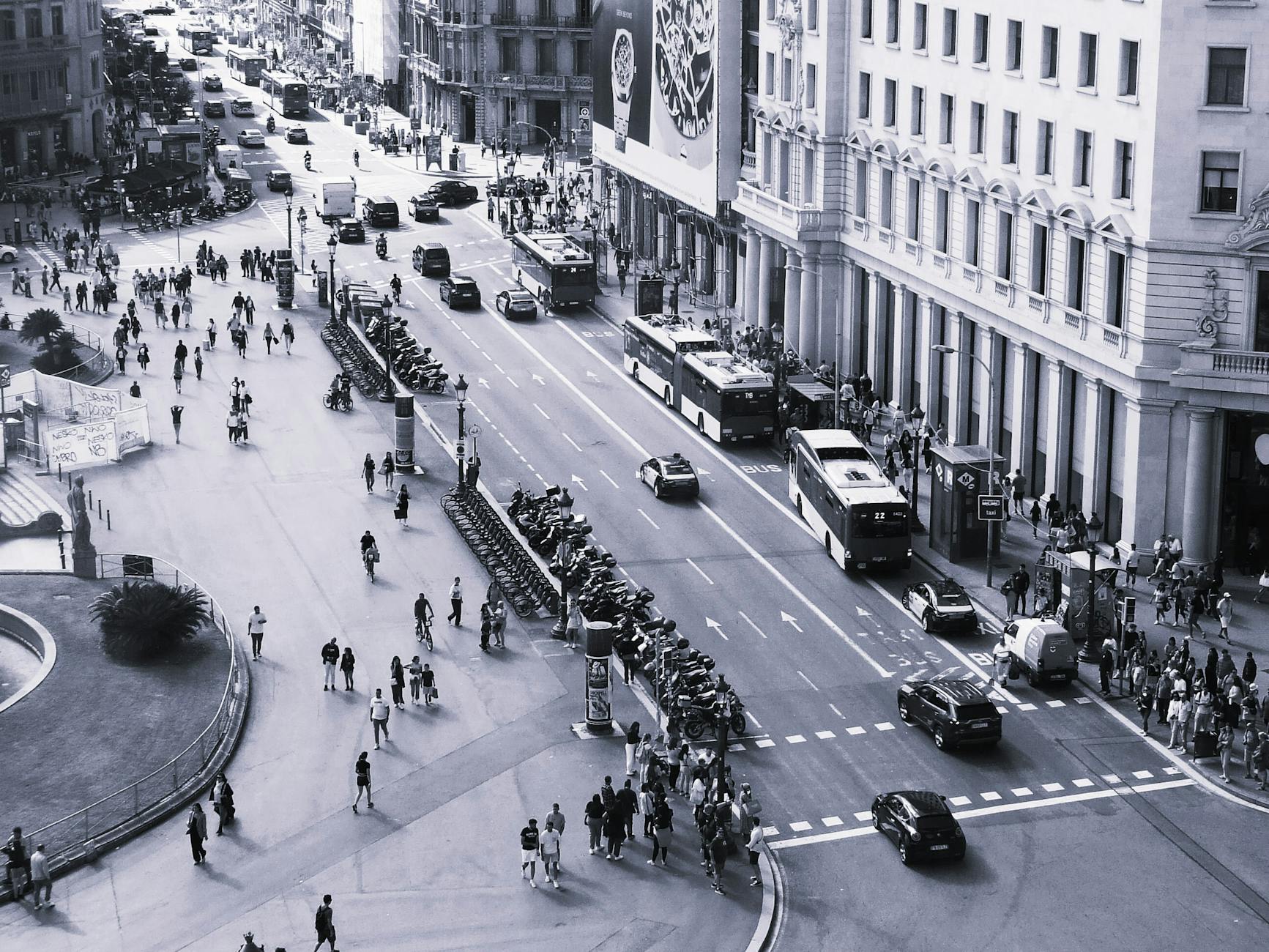
    Milan is remarkably walkable for a major city. The historic centre — from the Duomo to Brera, Quadrilatero della Moda, and Castello Sforzesco — is easily covered on foot within 20-30 minutes. For longer distances, BikeMi (Milan’s bike-sharing service) has stations throughout the city, and e-scooter services like Lime and Voi operate widely. Trams are a charming and practical way to get around, and the historic orange trams from the 1920s are a Milan icon in themselves.

    For getting around efficiently, check out our Milan neighborhoods guide to understand the city’s layout and plan your routes.

    Best Time to Visit Milan

    The ideal months to visit Milan are April to June and September to October. During these periods, temperatures hover between 18-28°C (65-82°F), the skies are generally clear, and the tourist crowds are manageable. Spring brings Milan to life with outdoor café culture, open-air markets, and blooming parks.

    Tourists sightseeing at Milan Duomo cathedral square
    Tourists sightseeing at Milan Duomo cathedral square — Photo by Lukas Lussi / Pexels

    July and August are hot (often above 35°C/95°F), humid, and coincide with the Italian holiday exodus — many local restaurants, shops, and businesses close for part of August as Milanese head to the coast or lakes. While you’ll find fewer crowds, the reduced atmosphere and extreme heat can make summer less enjoyable. Winter (December-February) is cold and foggy but has its appeal: Christmas markets, lower hotel prices, and the opening of La Scala’s opera season on December 7th.

    Be aware of Milan’s major events when planning: Fashion Week (February and September) and Salone del Mobile (April) send hotel prices soaring and make reservations much harder to come by. For a detailed seasonal breakdown, see our guide on the best time to visit Milan.

    Money, Currency, and Tipping

    Italy uses the Euro (€). Credit and debit cards (Visa, Mastercard) are widely accepted in Milan — Italian law technically requires all businesses to accept card payments, and this is mostly observed in practice. However, it’s wise to carry some cash for small purchases like espresso at a bar (€1-1.50 standing, €3-5 seated), market stalls, and smaller shops. ATMs (called “bancomat” in Italy) are abundant; use those attached to banks for better exchange rates and lower fees, and always choose to be charged in euros rather than your home currency to avoid dynamic currency conversion markups.

    Tipping in Milan is not expected or required. Most restaurants include a coperto (cover charge of €1.50-3 per person) that covers bread, table settings, and service. This is standard and legal — it must be listed on the menu. Beyond the coperto, leaving small change or rounding up the bill is appreciated at sit-down restaurants but never mandatory. For exceptional service at upscale establishments, 5-10% is generous. Bartenders, taxi drivers, and hotel staff do not expect tips, though rounding up a taxi fare or leaving €1-2 for hotel housekeeping is a kind gesture.

    Safety Tips and Common Scams

    Milan is one of Italy’s safest major cities, and violent crime against tourists is extremely rare. However, petty theft — particularly pickpocketing — is a real concern in crowded tourist areas. The highest-risk zones include Milano Centrale train station, the area around the Duomo and Galleria Vittorio Emanuele II, and crowded metro carriages, especially on Lines 1 (Red) and 3 (Yellow).

    Staying aware of pickpockets in crowded tourist areas
    Staying aware of pickpockets in crowded tourist areas — Photo by Emre Koşak / Pexels

    To protect yourself: carry your wallet in a front pocket or use a cross-body bag worn in front, avoid displaying expensive jewellery or electronics, and be especially vigilant on public transport during rush hour. Leave your passport in the hotel safe and carry a photocopy instead.

    Common Scams to Watch For

    Friendship Bracelet Scam: Around Piazza del Duomo, street vendors will try to tie a colourful bracelet to your wrist while engaging you in conversation. Once it’s on, they demand payment. Simply keep your hands in your pockets and firmly say “No grazie” while walking away.

    Petition Scam: Groups (often near the Galleria) approach tourists with clipboards asking for signatures for fake charities. While you’re distracted signing, accomplices may pick your pockets — or the petition itself leads to a demand for a “donation.”

    Taxi Overcharging: Always use official white taxis from designated taxi stands or book through apps like it Taxi or Free Now. Official taxis have meters — ensure it’s running. Fixed-rate fares exist between the airports and city centre (displayed in the taxi). Never accept rides from unlicensed drivers approaching you at airports or train stations.

    “Helpful” Ticket Machine Strangers: At Centrale station, people may offer to help you buy tickets from machines, then aggressively demand a tip. Politely decline — the machines have English options and are straightforward to use.

    Language and Essential Italian Phrases

    While English is spoken at major hotels, restaurants, and tourist attractions in Milan, making an effort in Italian is always appreciated and can open doors. Milan is cosmopolitan, but venturing beyond the tourist core, basic Italian becomes more important.

    Essential phrases to know: Buongiorno (good morning/day), Buonasera (good evening), Grazie (thank you), Per favore (please), Scusi (excuse me), Quanto costa? (how much does it cost?), Il conto, per favore (the bill, please), Dov’è…? (where is…?), and Parla inglese? (do you speak English?). Using even these basics will earn you warmer interactions with locals.

    SIM Cards, WiFi, and Staying Connected

    Using a smartphone for connectivity while traveling Italy
    Using a smartphone for connectivity while traveling Italy — Photo by Silvie Lindemann / Pexels

    Staying connected in Milan is easy. If you’re travelling from outside the EU/EEA, the most convenient options are purchasing a local SIM card or activating an eSIM before departure. Major Italian carriers include TIM, Vodafone, Wind Tre, and the budget-friendly Iliad. Tourist SIM packages typically offer 50-100 GB of data, calls, and texts for €10-20/month. You can buy SIMs at airport shops, carrier stores in the city, or tabacchi shops (bring your passport for registration).

    For a hassle-free option, eSIMs (from providers like Airalo, Holafly, or Ubigi) let you activate a data plan before you even board your flight — no physical card swapping required. EU travellers benefit from EU roaming regulations, meaning your home plan works across Italy at no extra charge.

    Free WiFi is available at Milan’s airports, in most hotels, and in many cafés and restaurants (ordering something first is expected). The city also offers limited free municipal WiFi in some public spaces, though it’s not reliable enough to depend on.

    Milan Dining Etiquette and Food Culture

    Traditional Italian restaurant dining experience
    Traditional Italian restaurant dining experience — Photo by ClickerHappy / Pexels

    Understanding Milan’s dining culture will dramatically improve your experience. Italian meals follow a traditional structure: antipasto (starter), primo (pasta or risotto), secondo (meat or fish), contorno (side dish), and dolce (dessert). You’re not expected to order every course — locals often choose a primo and secondo, or just a primo with a contorno.

    Aperitivo is a sacred Milanese tradition. From roughly 6-9 PM, bars across the city offer drinks (Aperol Spritz, Negroni, or prosecco) accompanied by generous buffets of snacks, antipasti, and sometimes full meal options — all included in the price of your drink (typically €8-15). The Navigli district and Brera are the most popular aperitivo neighbourhoods. For more on Milan’s food scene, see our comprehensive food guide.

    Key dining customs to remember: coffee ordering — cappuccino is strictly a morning drink (before 11 AM); ordering one after lunch will mark you as a tourist. After meals, Italians drink caffè (espresso). Standing at the bar for coffee is significantly cheaper than sitting at a table. Dinner timing — restaurants in Milan typically open for dinner at 7:30-8 PM; arriving at 6 PM will find most kitchens closed. The coperto (cover charge) is always added to your bill and is not a tip.

    Dress Code and Cultural Etiquette

    Stylish shopping street in Milan fashion district
    Stylish shopping street in Milan fashion district — Photo by Mihaela Claudia Puscas / Pexels

    Milan is the fashion capital of the world, and while nobody expects tourists to look runway-ready, dressing neatly shows respect and helps you blend in. Milanese style leans toward smart casual: clean lines, neutral colours, quality over quantity. You won’t see many locals in athletic wear, flip-flops, or cargo shorts outside of a gym or beach. For evenings out — especially at restaurants, bars, or cultural venues — step it up a notch with a nice pair of shoes and a well-fitted outfit.

    For churches and religious sites (including the Duomo and Santa Maria delle Grazie for The Last Supper), strict dress codes apply: cover your shoulders and knees. Carry a light scarf or shawl for quick cover-ups. Photography rules vary by church — always check before snapping. Keep your voice low inside churches, even those doubling as tourist attractions. For more on what to see, explore our attractions guide and museums guide.

    Greeting customs are warm: a handshake for introductions, and cheek kisses (starting left) among acquaintances. Let locals initiate physical greetings. Always greet shopkeepers with “Buongiorno” when entering and “Arrivederci” when leaving — this small courtesy is expected and noticed.

    Booking The Last Supper and Other Must-Reserve Attractions

    Leonardo da Vinci’s The Last Supper (Il Cenacolo) at Santa Maria delle Grazie is Milan’s most sought-after attraction, and tickets sell out 3-4 months in advance. Only 30 people are admitted every 15 minutes, making this possibly the hardest museum ticket to get in all of Italy. Book directly through the official site at cenacolovinciano.org as soon as tickets are released — they cost approximately €15 including the mandatory booking fee.

    If official tickets are sold out, you have a few options: call the booking hotline (some tickets are held for phone reservations), book a guided tour through licensed operators (pricier at €40-70 but usually available), or try the website first thing in the morning for cancellations. Avoid unofficial “skip the line” offers from street touts.

    Other attractions worth pre-booking include Duomo rooftop terraces, La Scala opera performances, and Pinacoteca di Brera during peak season. For a full rundown of things to do in Milan, see our complete guide.

    Visa, ETIAS, and Entry Requirements

    Italy is part of the Schengen Area, so entry requirements depend on your nationality. Citizens of the EU, EEA, and Switzerland can enter freely with a valid ID card or passport. Citizens of the US, UK, Canada, Australia, and many other countries can visit visa-free for up to 90 days within any 180-day period, provided their passport is valid for at least six months beyond the planned departure date.

    Starting in late 2026, travellers from visa-exempt countries will need to obtain ETIAS (European Travel Information and Authorisation System) pre-authorisation before arriving. The process is completed online, costs approximately €7, and is valid for three years. Check the latest requirements at the official ETIAS portal before your trip.

    Travel insurance is not legally required but strongly recommended. Italy has excellent healthcare, and EU citizens can use the EHIC/GHIC card for reduced-cost treatment. Non-EU visitors should carry comprehensive travel insurance covering medical expenses — a hospital visit without insurance can be very costly.

    Packing Essentials for Milan

    Milan’s weather can be unpredictable, so layering is key. Spring and autumn: light layers, a waterproof jacket (rain is common), comfortable walking shoes, and a scarf for church visits. Summer: light, breathable fabrics, sunscreen, sunglasses, a hat, and a refillable water bottle (Milan has excellent public drinking fountains called “vedovelle” throughout the city). Winter: a warm coat, sweaters, waterproof boots, and an umbrella — Milan’s fog and rain can be persistent from November to February.

    Navigli canal district on a sunny day in Milan
    Navigli canal district on a sunny day in Milan — Photo by Travel with Lenses / Pexels

    Other essentials: a universal power adapter (Italy uses Type L and Type C plugs — a standard European adapter works for Type C), a portable phone charger, and a small day bag that’s secure against pickpockets. If you plan to visit churches, keep a light cardigan or shawl accessible. Comfortable walking shoes are non-negotiable — Milan’s centre is best explored on foot, and cobblestone streets are unforgiving on flimsy footwear.

    Milan on a Budget: Money-Saving Tips

    Milan has a reputation as an expensive city, but smart travellers can enjoy it without breaking the bank. Take advantage of aperitivo — for the price of a single drink (€8-15), you get access to generous food buffets that can easily replace dinner. Stand at the bar for your morning caffè instead of sitting down — you’ll pay €1-1.50 instead of €3-5. Visit free attractions: the Duomo exterior and square, Galleria Vittorio Emanuele II, Parco Sempione, Navigli canals, and many churches are completely free.

    Many museums offer free entry on the first Sunday of each month or the first Tuesday. The Milan Pass and CityPass offer bundled discounts on transport and attractions. For shopping deals, visit during the saldi (sales) periods: January-February and July-August. Markets like Mercato Metropolitano and the Fiera di Sinigaglia (last Sunday of each month along the Navigli) offer great finds at fair prices. For a complete budget breakdown, see our budget Milan guide.

    Day Trips from Milan

    Milan’s central location in northern Italy makes it an ideal base for day trips. Lake Como is just one hour by train (Varenna or Bellagio are stunning), Lake Garda and Lake Maggiore are similarly accessible, and cities like Bergamo (50 minutes), Turin (1 hour by high-speed train), and Verona (1.5 hours) are all easily reached. The Trenitalia and Italo high-speed train networks make these trips comfortable and affordable, especially if you book in advance. For our full recommendations, see our day trips from Milan guide.

    Traditional Italian aperitivo drinks and snacks at a bar
    Traditional Italian aperitivo drinks and snacks at a bar — Photo by Mihaela Claudia Puscas / Pexels

    How Long to Spend in Milan

    For a first visit focused on the major highlights — the Duomo, The Last Supper, Castello Sforzesco, Navigli, and some shopping — 2-3 full days is sufficient. If you want to explore museums in depth, experience the nightlife, and venture into lesser-known neighbourhoods like Isola and Porta Romana, plan for 4-5 days. If you’re using Milan as a base for day trips to the lakes and surrounding cities, a week gives you the flexibility to explore at a relaxed pace. For detailed planning, check our Milan itineraries guide.

    Essential Milan Travel Tips: Quick Reference

    Water: Milan’s tap water is excellent and safe to drink. The city’s iconic green cast-iron drinking fountains (“vedovelle” or “draghi verdi”) dispense free, clean water — bring a refillable bottle. Electricity: Italy uses 230V with Type L (three-pin in a line) and Type C (two-pin) sockets. Emergency number: Dial 112 for all emergencies in Italy. Pharmacy: Look for the green cross sign — pharmacies (farmacie) are well-stocked and pharmacists can recommend over-the-counter remedies. Sunday and night-duty pharmacies operate on a rotation system posted on each pharmacy’s door. Public restrooms: These are rare; use café or restaurant facilities (ordering a coffee first is good form). Department stores and major museums have public restrooms.

    For more destination guides, explore our comprehensive resources on where to stay, shopping, and nightlife in Milan.