You don’t legally need Milan travel insurance unless you’re applying for a Schengen tourist visa — then it’s required, €30,000 minimum medical, repatriation included, valid across all 29 Schengen countries. If you’re American, Canadian, British, Australian, or from any other visa-exempt country, nobody at Malpensa border control will ask for a policy number. But Italy’s public hospitals bill non-EU patients out-of-network, and a single appendicitis at Ospedale Niguarda runs €8,000–€15,000 before you factor in the medical repatriation flight home, which on its own can hit $50,000–$100,000. A 7-day policy with $100,000 in medical costs around $35–$60. The math is not subtle.
I’ve lived in and around Milan long enough to have made one ER visit (food poisoning, three hours, €212 out of pocket, fully reimbursed) and watched two friends deal with much worse — a broken wrist on Via Dante cobblestones, and a pickpocket sweep of a wallet plus camera at the Duomo metro entrance. Both had insurance. Both got paid. The friend with the wrist would have been out about €4,200 without it. This is the article I wish someone had written for them before they flew.
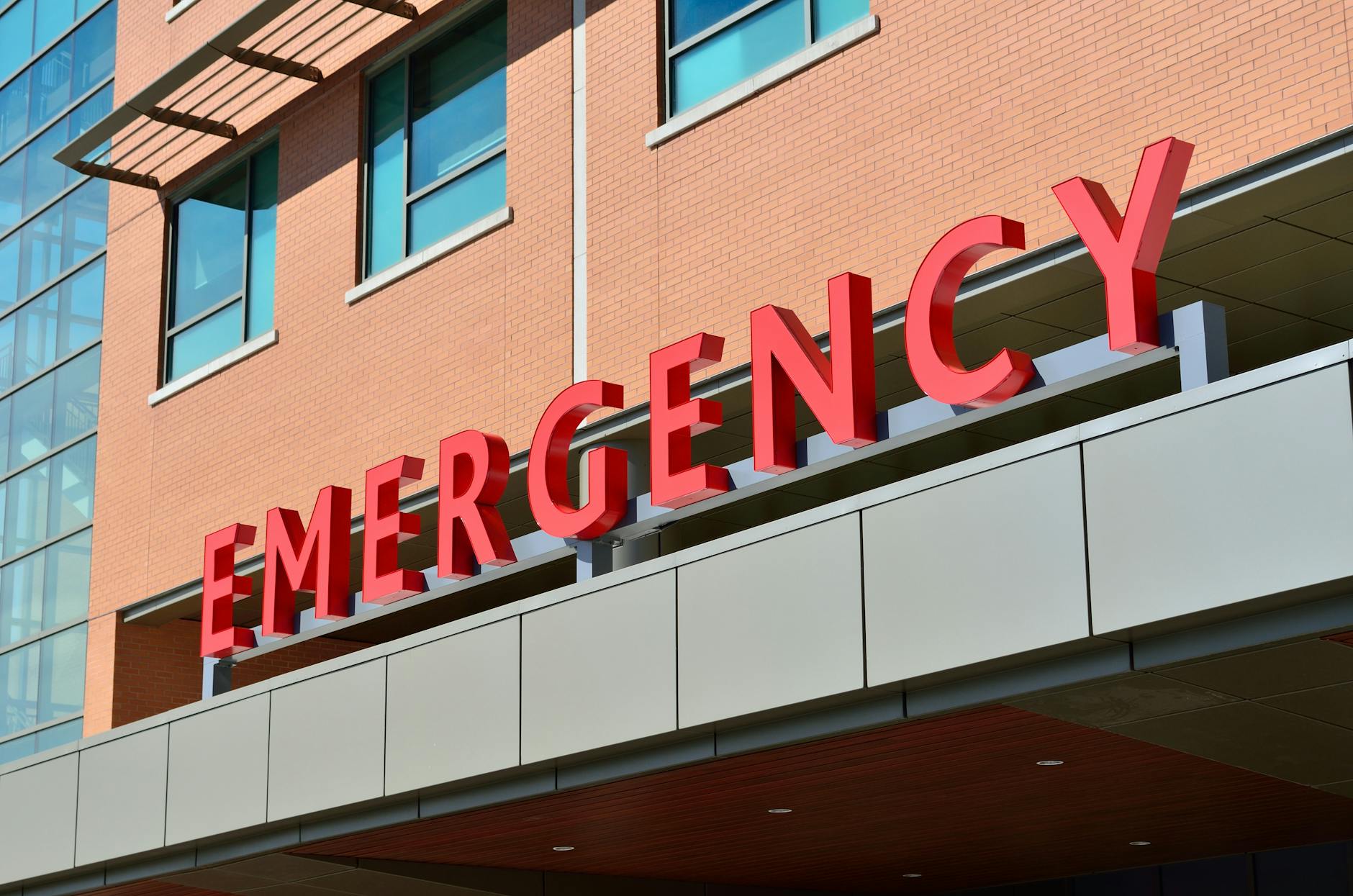
Do you legally need travel insurance for Milan?
The honest answer depends on your passport, not your itinerary.
Schengen visa applicants — citizens of India, China, the Philippines, Nigeria, South Africa, Russia, and roughly 100 other countries — must show proof of a travel medical policy with at least €30,000 of coverage, valid across the entire Schengen Area, with explicit repatriation of remains included. The policy has to be in English or Italian, issued by a provider recognized by EU consulates. No policy, no visa. This is not negotiable and consulates routinely reject applications with policies that miss any of these four requirements.
UK travelers still get partial coverage through the GHIC (the post-Brexit replacement for EHIC). It gets you state-provided medically necessary care at the same cost an Italian resident would pay — usually a small ticket sanitario of €25–€50 for an ER visit. What GHIC does not cover: medical repatriation, private hospital care, lost baggage, trip cancellation, or any non-medical claim. It’s a useful supplement, not a substitute for travel insurance.
EU citizens use the EHIC and have it easier — same state-rate access as Italians. But again, no repatriation, no trip cancellation, no baggage. If your Iberia flight is delayed 14 hours and you miss a connection from Linate, EHIC doesn’t help.
US, Canadian, Australian, New Zealand, Japanese, and Singaporean travelers have no legal requirement. You’ll cross border control with a passport and a smile. But your domestic health insurance — including Medicare, which does not cover you abroad at all — won’t pay an Italian hospital. Out-of-pocket means out-of-pocket. From 2026, you’ll also need an ETIAS waiver (€7, valid 3 years) to enter the Schengen zone, but that’s an authorization, not insurance.
So: legally optional for most readers, financially reckless to skip. For a fuller picture of pre-trip logistics, see our Milan travel tips piece.
What Italian healthcare actually costs foreigners
Italy’s Servizio Sanitario Nazionale is one of the best public health systems in Europe and consistently ranks in the WHO top ten. For residents it’s nearly free. For uninsured non-EU tourists, it’s priced like any other private medical service — and Milan, being the wealthiest city in Italy, sits at the higher end of the scale.
Approximate 2026 out-of-pocket prices for non-EU patients without insurance:
- Pronto Soccorso (ER) walk-in, non-critical: €100–€300 for the visit itself, plus €50–€200 per diagnostic test (X-ray, blood work, CT scan). Total bills of €500–€1,200 for a “nothing serious” visit are routine.
- ER visit, admitted overnight: €1,500–€4,000 depending on tests and ward.
- Appendectomy with 2-night stay: €8,000–€15,000 at a public hospital like Niguarda. Closer to €18,000–€25,000 at a top private clinic like Humanitas or San Raffaele.
- Cardiac event with ICU: €2,000–€3,500 per day in ICU, plus surgery. Stents and bypass bills routinely top €40,000.
- Ambulance (118 emergency): €350–€800 for a city transport, more if it’s from outside the comune.
- Medical repatriation by air ambulance to North America: $50,000–$150,000. To Australia, $200,000+.
- Private GP visit: €80–€150.
- Specialist consult: €120–€250.
- Prescription antibiotic course: €15–€40 (this is the cheap part).
The repatriation number is what scares insurance brokers the most. Italian hospitals are excellent, but if you have a serious chronic condition or surgical complication, getting flown home in a stretcher-equipped Learjet with a medical crew is what blows the budget — and it’s exactly what no domestic US health plan or credit card covers in full.
The actual risks in Milan, ranked by claim frequency
I’ve asked two insurance adjusters at North American firms what they actually pay out on for Milan trips. The answer surprised me a little. It’s not the dramatic stuff.
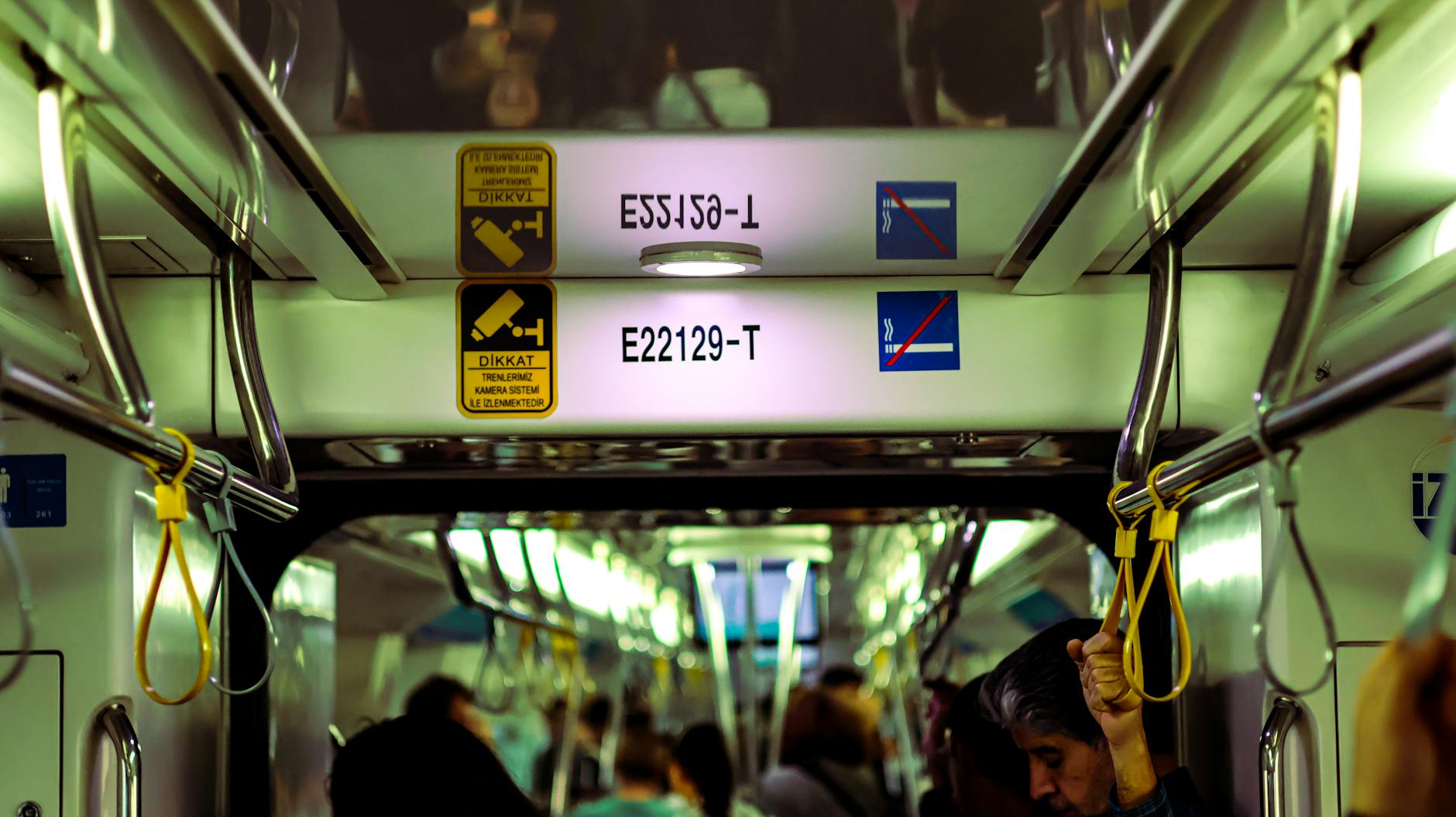
- Pickpocketing and theft. Milan ranks among Europe’s top five cities for pickpocket reports, concentrated on the M1 and M3 metro lines, at the Duomo, Castello Sforzesco, and Stazione Centrale. Phones, wallets, and small camera bags top the loss list. Claims average $400–$1,500. Read our Milan tourist scams guide for the specific moves to watch for.
- Trip delay and cancellation. Malpensa is fog-prone November–February. Italian rail strikes (sciopero) hit roughly monthly and can strand Frecciarossa passengers between cities. Hotel and re-booking claims average $500–$2,000.
- Lost or delayed baggage at Malpensa. The airport is fine, but it’s a transfer hub, and bags going onto regional flights occasionally vanish for 24–72 hours. Claims average $200–$600 for emergency essentials.
- Food poisoning. Less common in Milan than in tourist-heavy southern destinations, but it happens. Usually a one-day ER visit, €200–€500.
- Falls and fractures on cobblestones. The historic streets in Brera, the Navigli, and around the Duomo are uneven. Twisted ankles and wrist fractures from tripping are surprisingly common. Surgery and a cast pushes the claim to $4,000–$10,000.
- Scooter and bike accidents. Rented e-scooters in Milan are involved in hundreds of ER visits annually. Insurance often excludes these — read the fine print.
What almost nobody claims for: violent crime. Milan is statistically safe — see our is Milan safe deep-dive. The actual risk profile is petty theft and small accidents, not assault.
What coverage you actually need for Milan
Forget the marketing pages. Here is the minimum-viable coverage stack I’d buy for any Milan trip:
- Emergency medical: $100,000 minimum. $250,000 if you’re over 60 or have a pre-existing condition. The €30,000 Schengen minimum is a floor for visa approval, not real-world adequacy.
- Medical evacuation and repatriation: $300,000 minimum. $500,000–$1,000,000 if you’re traveling to the US, Australia, or East Asia.
- Trip cancellation: 100% of prepaid non-refundable costs. CFAR (Cancel For Any Reason) is a $50–$100 add-on that reimburses 50–75% if you bail for non-covered reasons. Worth it for trips over $3,000.
- Trip interruption: 100–150% of trip cost. Pays for re-booking if you have to fly home mid-trip.
- Baggage loss and delay: $1,500 per person minimum. Higher if you’re hauling camera or laptop gear.
- Travel delay: $500–$1,000, kicks in after 6–12 hours.
- Rental car CDW: Only if you’re renting. Italy charges astronomical excess fees — €1,500–€3,000 — and credit card primary coverage is the cleanest way to avoid the desk upsell.
- COVID and infectious disease: Still relevant in 2026. Make sure your policy covers diagnosis and quarantine costs, not just hospitalization.
Skip the “adventure sports” rider unless you’re actually doing them. A day at the Duomo doesn’t count.
Best Milan travel insurance providers in 2026
Sample prices below are for a healthy 35-year-old US traveler on a 7-day Milan trip with $3,000 in prepaid costs. Your numbers will shift with age, trip value, and home state.
1. World Nomads — $58–$85
Still the default for traveler-focused coverage. Their Standard plan covers $100,000 medical, $300,000 evacuation, and includes a long list of activities (cycling, ski lessons, hiking) that other insurers either exclude or upcharge. The downside: trip cancellation limits are modest unless you upgrade to Explorer ($90–$130 for the same trip). Best for active travelers who’ll also visit the Alps or do day trips.
2. SafetyWing Nomad Insurance — $56 per 4 weeks (Essential)
The subscription model wins if you’re staying more than 2 weeks or rolling onto a longer European trip. Essential gives $250,000 medical, basic evacuation, and minimal trip protection. The Complete plan ($175ish per 4 weeks) raises medical to $1.5M and adds proper trip cancellation. Built for digital nomads, weak on baggage and trip delay. Not the best fit for a 5-day vacation, excellent if you’re working remotely from Milan for a month.
3. Allianz OneTrip Prime — $42–$65
The default airline-recommended option. Cheap, solid trip cancellation, but medical caps at $50,000–$75,000 depending on plan, which I consider too low for Italy. Their OneTrip Premier ($75–$110) raises medical to $100,000 and adds a CFAR-like benefit. Good for cautious travelers who care more about trip cost protection than medical, less good as a true medical safety net.
4. IMG iTravelInsured / Patriot Platinum — $65–$95
IMG’s iTravelInsured Choice is the workhorse: $100,000 primary medical, $500,000 evacuation, full trip cancellation. Patriot Platinum is the long-trip travel-medical variant — better for expats or anyone over 70. Underrated and consistently competitively priced for what you get.
5. Travelex Travel Select — $55–$80
Strongest for families — kids under 17 are covered free on a parent’s policy. Medical is $50,000 (extendable to $100,000), evacuation $500,000, trip cancellation up to $50,000. The free-kids feature alone makes it the cheapest real option for a family of four.
6. Faye — $65–$90
The newcomer. App-first claims, fast payouts (some claims paid within hours rather than weeks), $250,000 medical, $500,000 evacuation. Coverage is solid, but they’re newer so reviews are thinner than the incumbents. Worth a look if you’ve been burned by slow claims processing.
For a Milan-specific 7-day trip, my pick most weeks is IMG iTravelInsured Choice or Faye. Both give you real medical limits without the World Nomads price premium. Compare quotes on Squaremouth or InsureMyTrip — they aggregate 20+ providers in one search.
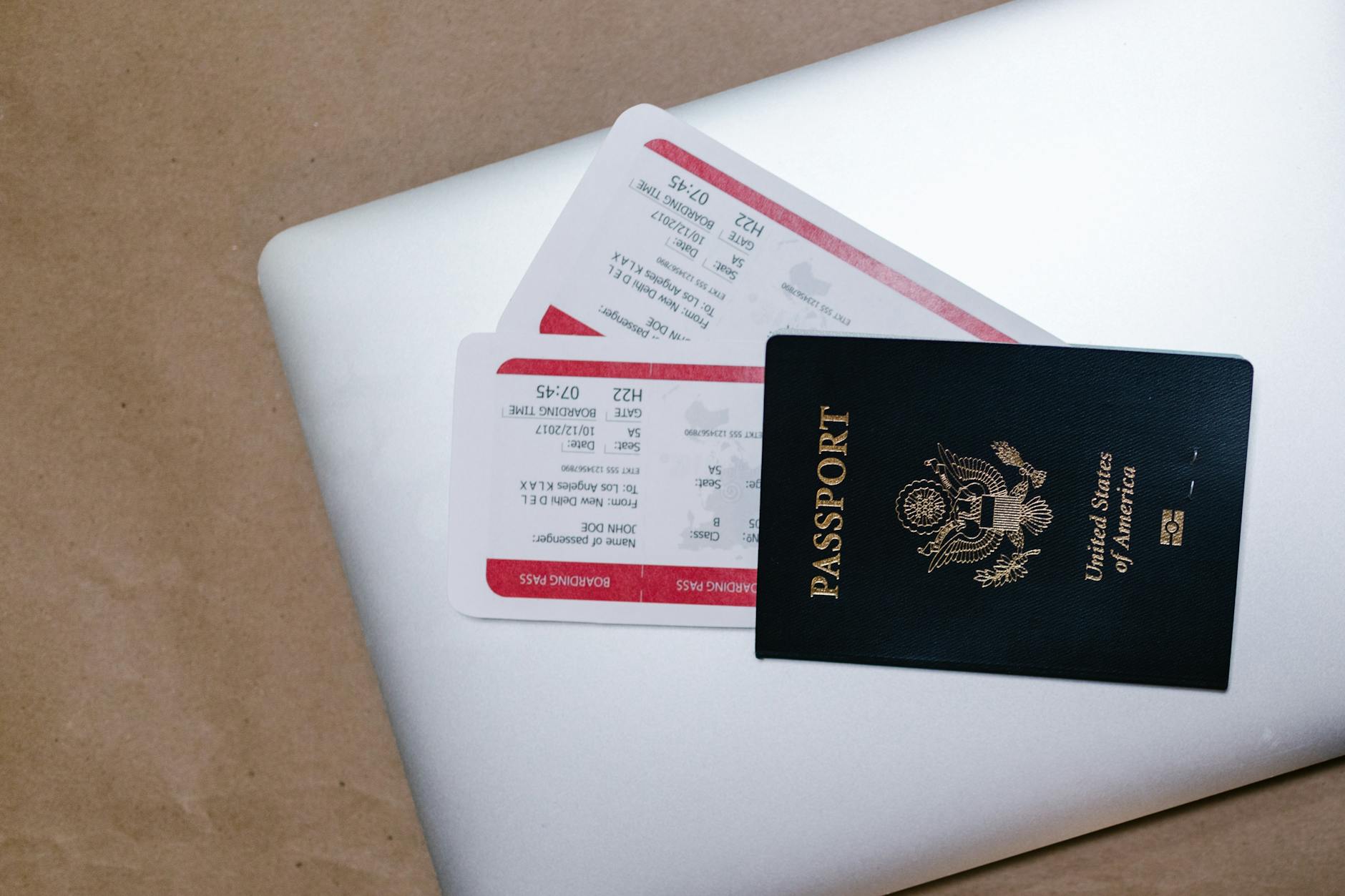
Credit card travel insurance: what’s actually included
If you have a premium card, you may already have meaningful coverage — but rarely enough.
Chase Sapphire Reserve ($550 annual fee): Up to $100,000 emergency medical and evacuation, trip cancellation up to $10,000 per person, trip delay $500 per person after 6 hours, primary rental car CDW worldwide (including Italy — most cards exclude it), lost baggage $3,000 per passenger. To trigger coverage, you must charge the trip to the card. This is the strongest credit card travel insurance on the US market and for many Milan trips it’s enough on its own. Couple it with a $25 medical-only top-up and you’re solid.
Amex Platinum ($695 annual fee): Trip cancellation up to $10,000 per trip, trip delay $500 after 6 hours, baggage $2,000 per passenger, and — the headline feature — uncapped emergency evacuation through the Premium Global Assist program. No emergency medical limit on the card itself, though. You still need a separate medical policy. Rental CDW is secondary and excludes Italy, which is a real gap.
Capital One Venture X ($395 annual fee): Trip cancellation up to $2,000 per person, trip delay $500 after 6 hours, primary rental CDW, lost baggage $3,000. No emergency medical coverage at all. You will need a separate policy for any medical exposure.
The reasonable approach: lean on Chase Sapphire Reserve or Amex Platinum for trip cancellation and rental coverage, then buy a medical-only travel policy (IMG Patriot or GeoBlue, $20–$35 for a week) to cover the hospital risk. Total spend often beats a comprehensive policy by $30+.
Schengen visa insurance specifics
If you’re applying for an Italy Schengen visa, your policy must meet four explicit consular requirements:
- €30,000 minimum in medical expenses, including hospitalization, emergency treatment, and repatriation of remains.
- Valid in all 29 Schengen countries, not just Italy. A policy that names only Italy will be rejected.
- Covers the entire duration of stay from entry to exit date.
- Issued by an insurer recognized by EU consulates and provided in English or Italian.
Providers consistently accepted by Italian consulates worldwide: AXA Schengen, Europ Assistance, Mondial (Allianz), Insubuy, EuropAssistance, and SafetyWing’s Schengen-specific add-on. A 30-day Schengen visa policy runs $30–$55, a 90-day policy $80–$140. Print the certificate (consulates do not accept screen-only). Bring two copies to the appointment.
Note that consulates sometimes ask why a policy was bought from a non-EU insurer. If you’re applying from the US, AXA Schengen and Europ Assistance get rubber-stamped most reliably.
Annual vs single-trip policies — when each wins
If Milan is your only international trip this year, buy a single-trip policy. They’re cheap, the coverage limits are usually higher per dollar, and you don’t pay for months when you’re at home.
If you’ll take 2 or more international trips a year — even short weekends to Lisbon or London — an annual multi-trip policy almost always wins. Pricing for 2026:
- Allianz AllTrips Premier: $275–$425, $100,000 medical per trip, no per-trip duration cap up to 45 days each.
- IMG iTravelInsured Lite Annual: $250–$350, $50,000 medical, slimmer trip cancellation.
- GeoBlue Trekker: $180–$300 (medical-only), $250,000 per trip, unlimited trips.
The math tips toward annual at around the third trip. Add credit card trip cancellation on top and you’re well covered for most of the calendar year.
What’s typically NOT covered
Read the policy exclusions before you buy. The recurring ones:
- Extreme sports without a rider. Skiing off-piste, BASE jumping, paragliding, motorcycle rentals over 250cc. World Nomads is the most generous; most others charge extra or exclude entirely.
- Pre-existing conditions unless you bought a policy with a pre-existing condition waiver. Most waivers require purchase within 14–21 days of your initial trip deposit. Miss that window and your asthma flare-up gets denied.
- Alcohol-related injuries. Trip on cobblestones sober: covered. Trip on the same cobblestones after four Aperol Spritz: contested or denied. Insurers can request blood alcohol tests from the hospital.
- War, civil unrest, government travel warnings. Italy is safe, so this rarely applies, but worth noting if you’re combining with a trip to Israel or Ukraine.
- Pandemic-related government restrictions. Post-COVID, most policies cover individual illness but not “country reinstated entry rules.” Read the COVID page on every quote.
- Lost cash. Stolen wallet contents up to a limit (usually $200–$500), but unsupported cash above that is gone.
- High-value items without a schedule. Your $2,500 camera lens needs to be itemized at purchase or you’ll get the generic per-item baggage cap, often $300–$500.
- Rental scooters and Vespas. Almost universally excluded. If you must rent one, buy the rental company’s coverage.
How to file a claim from Milan
If something goes wrong, the steps are boring and identical across providers:
- Call the insurer’s 24/7 assistance line first. It’s printed on your policy. Most insurers want to pre-authorize hospital visits or arrange direct billing. Calling first turns reimbursement claims into direct-pay claims, which is much smoother.
- For theft: file a denuncia immediately. Go to any Carabinieri or Polizia di Stato station. The closest tourist-friendly stations to the Duomo are the Polizia at Via Fatebenefratelli and the Carabinieri at Piazza Sant’Ambrogio. Bring your passport. Ask for an English-speaking officer (most central stations have one). You’ll get a stamped report — no denuncia, no claim.
- For medical: keep every single receipt and discharge summary. Italian hospitals will print a cartella clinica (medical file) on request. Ask for it before you leave. Pay with the same credit card you used for the trip to create a paper trail.
- Photograph everything. The damaged luggage, the empty pocket where the wallet was, the boarding pass for the delayed flight, the hotel re-booking confirmation.
- Submit within the policy deadline. Usually 60–90 days from incident. Faye and SafetyWing pay within a week. World Nomads and Allianz can take 4–8 weeks. IMG sits in between.
One small thing that catches people: Italian receipts often say scontrino (informal) versus ricevuta fiscale (tax receipt). For insurance claims, you want the ricevuta fiscale. Ask specifically.
Pre-trip document checklist
Print, screenshot, and email yourself the following before you leave home:
- Policy certificate (PDF and printed)
- 24/7 emergency assistance phone number (save in your phone with a recognizable name)
- Policy number and claim filing instructions
- Passport photo page
- ETIAS authorization (from 2026 onward for visa-exempt travelers)
- Schengen visa, if applicable
- List of prescription medications with generic names
- Emergency contacts at home
- Credit card travel benefits guide (download from your bank’s portal)
- Hotel booking confirmations
- Italian emergency numbers: 112 (general emergency), 118 (medical), 113 (police)
If you also want a broader prep list for the whole trip — clothing, adapters, the rest — see our Milan packing list.
Hospitals and pharmacies in Milan
Ospedale Niguarda (Piazza dell’Ospedale Maggiore 3) — the largest public hospital in Milan, full trauma center, English spoken in the ER. M5 metro to Ca’ Granda then a short walk. This is where ambulances take serious cases by default.
Policlinico di Milano (Via Francesco Sforza 35) — historic public teaching hospital, central location near Duomo, strong reputation. M3 to Crocetta.
Humanitas Research Hospital, Rozzano (Via Manzoni 56, Rozzano) — top private hospital in the metro area, internationally rated, direct billing arrangements with most major travel insurers. About 25 minutes from central Milan by taxi.
IRCCS Ospedale San Raffaele (Via Olgettina 60) — private, excellent for cardiology and specialist care, in the eastern suburbs. M2 to Cascina Gobba.
24-hour pharmacies (farmacie):
- Farmacia Stazione Centrale — inside Milano Centrale station, open 24 hours, English-speaking pharmacists. The default after-hours stop.
- Farmacia Carlo Erba (Piazza del Duomo) — central, extended hours.
- Farmacia Bracco (Via Boccaccio 26) — near Cadorna, 24-hour rotation.
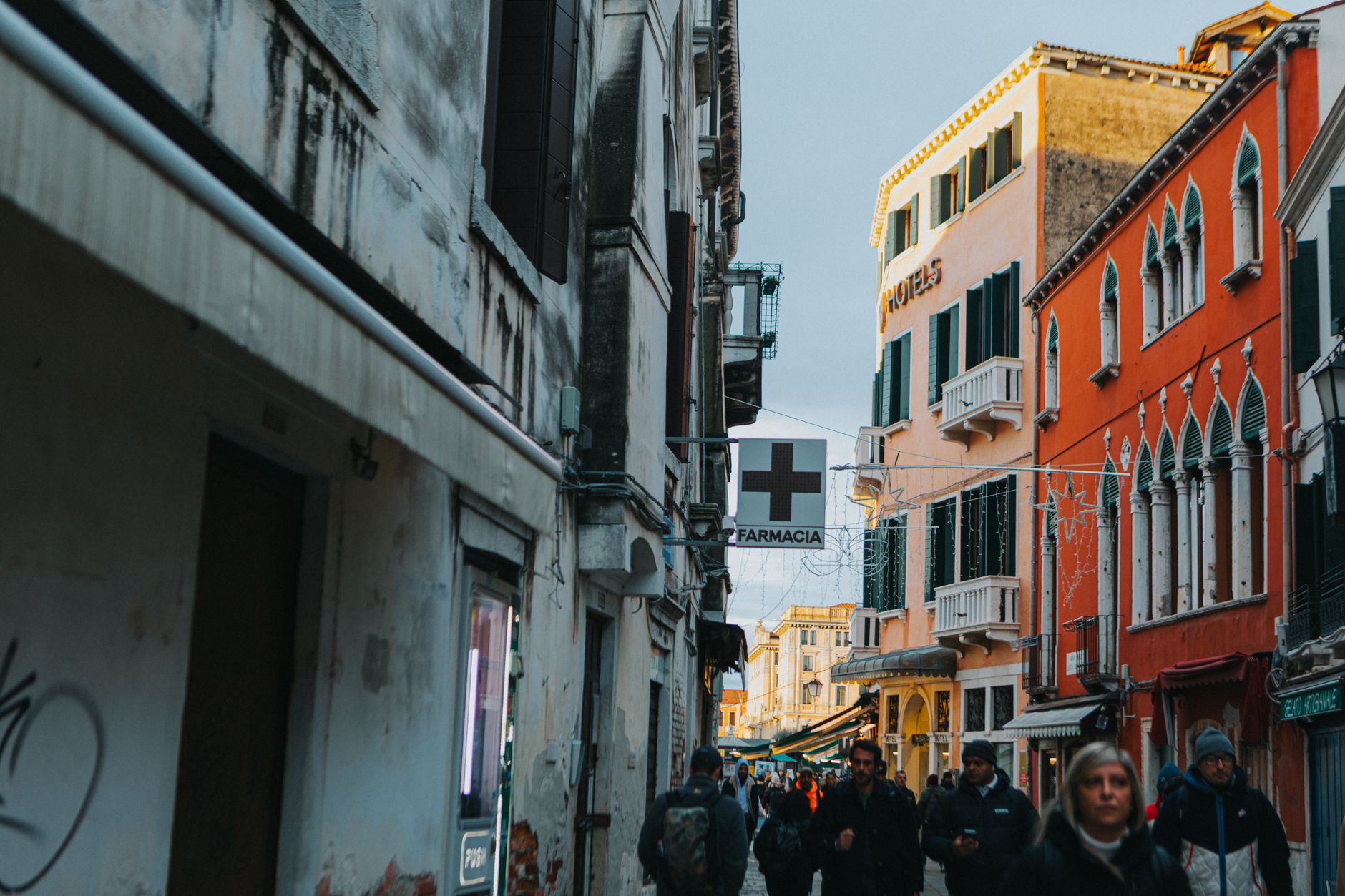
Pharmacies operate on a 24-hour rotating duty system called farmacie di turno. Look for the green cross sign — if it’s lit, they’re open. Any pharmacy window posts the nearest open farmacia di turno for that night.
For getting between any of these and your hotel, our Milan transport guide covers metro, tram, and taxi options. If you need to communicate basic symptoms in Italian, our Italian phrases guide includes a medical section.
FAQ
Is travel insurance mandatory for Milan?
Only if you need a Schengen visa to enter. Visa-exempt travelers (US, UK, Canada, Australia, EU, and 60+ other countries) face no legal requirement, but uninsured medical bills can run into five figures, so insurance is heavily recommended.
How much does Milan travel insurance cost for a week?
For a healthy 35-year-old on a $3,000 trip: $35–$95 for comprehensive coverage, $20–$35 for medical-only. Older travelers pay 2–4x more.
Does my US health insurance cover me in Milan?
Almost never in full. Medicare doesn’t cover overseas care at all. Most private US plans either don’t cover international care or only cover at out-of-network rates, which means you pay upfront and pursue partial reimbursement later. A dedicated travel medical policy is much cleaner.
What’s the cheapest Schengen visa insurance for Italy?
AXA Schengen’s Low Cost plan starts around $25 for a 1-week trip and meets the €30,000 minimum. For longer stays, SafetyWing’s Schengen plan is competitive at $40–$80 per month.
Can I buy travel insurance after I arrive in Milan?
Yes for some providers (SafetyWing, Genki, some Allianz products) and no for most US-issued comprehensive policies — they require purchase before departure to cover trip cancellation. Coverage almost always has a 24–72 hour waiting period before kicking in.
Does travel insurance cover lost luggage at Malpensa?
Yes — most comprehensive policies cover both lost luggage (permanent loss after 21 days) at $1,500–$3,000 per person and luggage delay (essential items after 12–24 hours) at $200–$500. Always file the airline’s PIR (Property Irregularity Report) first; insurers require it.
Final thoughts
I’m in the camp that thinks travel insurance is the cheapest peace-of-mind purchase a traveler can make. For roughly the price of one nice dinner at a Brera trattoria, you offload the financial cliff-edge of any serious medical event during your Milan trip. The actual chance of needing it is low. The cost of needing it without it is catastrophic. That asymmetry is the whole pitch.
Practically: if you have Chase Sapphire Reserve and you’re under 50, the card plus a $25 medical top-up is enough for a one-week Milan trip. If you don’t have that card, buy IMG iTravelInsured Choice or Faye and move on. If you’re applying for a Schengen visa, AXA Schengen meets the consulate requirement for under $40 and you can upgrade later. If you travel more than twice a year, get an annual policy and stop thinking about it.
The articles that tell you “the best travel insurance for Italy is X” while linking out to one affiliate are usually wrong. The real answer is: match the policy to the trip. A 4-day Milan-only weekend needs different protection than a 6-week European loop with stops in the Dolomites. Run a quick quote on Squaremouth or InsureMyTrip with your actual dates and trip cost, compare three providers, and read the medical and evacuation limits. That’s the entire process.
Once you have the insurance handled, the rest of trip planning is easier. Where to stay, how to budget, what to actually do — we cover all of it in our where to stay in Milan and budget Milan guides. And if you want to know whether to tip the ER nurse who hands you discharge papers, the short answer is no, but our tipping etiquette piece covers the rest. One more practical note — get a local SIM or eSIM before you need to call an insurer’s 24/7 line from outside your hotel; our SIM and wi-fi guide has the current best options.
Buy the policy. Save the PDF. Then forget about it and enjoy the city.