Ask ten Milanese when you should visit their city and most will give you the same answer: come in spring or early autumn, when the weather is kind and the city is busy with its own life rather than with tourists. But that is only the headline. Milan is a year-round city, and the right month depends entirely on what you want from the trip, whether that is mild sightseeing weather, the lowest prices, the buzz of the fashion shows or the magic of the Christmas lights.
Timing is half the verdict: our piece on whether Milan is worth visiting explains why mid-August visitors so often come away disappointed.
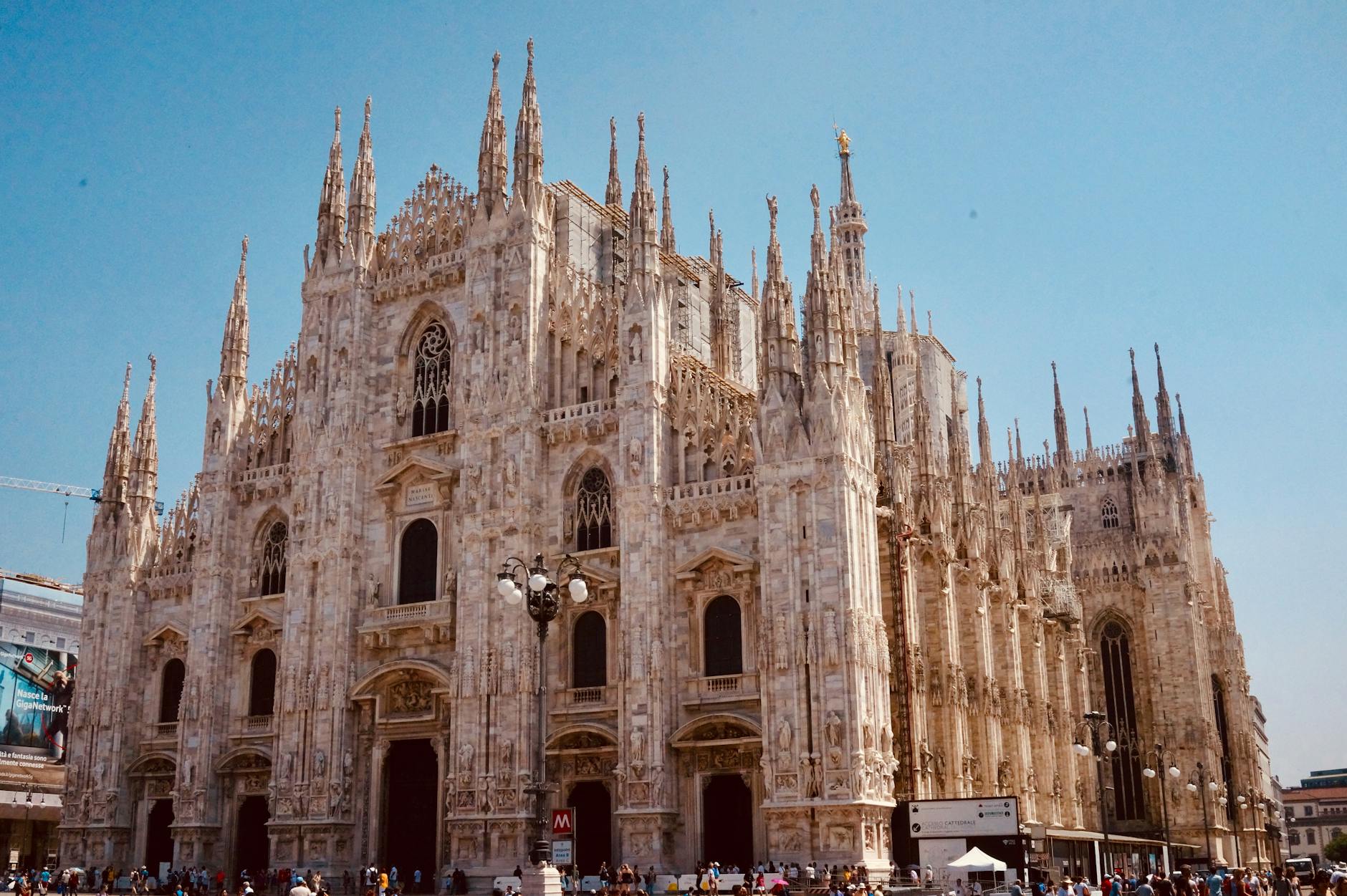
For a first visit built around galleries, food and architecture rather than lake swimming, October is arguably the best month of the year — the full case is in our guide to Milan in October.
If you had one week in Milan and no constraints, the second week of September would be it — the argument is made in full in Milan in September.
Locked into the school holidays? Milan in August is an honest account of the weakest month in the calendar and how to get the most out of it anyway.
If you want the single best combination of weather, daylight and open attractions and do not mind paying for it, the case is set out in Milan in May.
The last week of April is arguably the best week in the Milanese year, and we make the case in full in Milan in April.
If value matters most, the case for Milan in March is strong: April weather at February prices, with the caveat that the month is thoroughly unreliable.
If cheap and quiet matters more to you than sunshine, read our month-by-month verdict on Milan in January — the coldest month is also the one where the Last Supper stops being impossible to book.
If you are timing a trip around design rather than weather, the fair at Rho sets the dates — our Salone del Mobile guide explains which days you can actually get in.
Mid-April is the most interesting week of the Milanese year and the most expensive — our Milan Design Week guide explains what happens and whether it is worth the surcharge.
This is a city that empties in August and fills for its trade fairs, that can be foggy and cold in January and humid and hot in July, and that throws some of the most glamorous events in Europe. Knowing the rhythm of its calendar is the difference between a smooth trip and an expensive, crowded one.
The best time to visit Milan is spring (April to May) and early autumn (September to October), when temperatures are mild, the city is lively and the parks and canals look their best. Summer is hot and quiet, as locals leave in August; winter is cold but festive and cheaper. Avoid the fashion weeks and the April design fair, when hotel prices soar.
This guide is the seasonal hub of the site. It runs through Milan’s weather month by month, the major events that will make or break your dates, and the trade-offs between crowds, prices and atmosphere across the year. Pair it with our Milan travel tips guide for the practical side of planning, and our things to do in Milan guide for ideas once you have picked your dates.
The short answer: best times by season
If you simply want the sweet spot, the table below sums it up. The shoulder seasons win on balance, but every season has its case, and the worst times are less about weather than about the events that send prices through the roof.
| Season | Weather | Verdict |
|---|---|---|
| Spring (Apr–May) | Mild, blossom, some rain | Best overall, but book around the April design fair |
| Summer (Jun–Aug) | Hot, humid, quiet in Aug | Good for day trips to the lakes; city is sleepy in August |
| Autumn (Sep–Oct) | Mild, crisp, lively | Excellent, though September fashion week spikes prices |
| Winter (Nov–Feb) | Cold, foggy, festive | Cheapest and most atmospheric; great for culture and shopping |
For most visitors, late April after the design fair, all of May, and the second half of September into October are the safest bets for good weather, manageable crowds and fair prices. If budget matters most, the dead of winter outside the festive weeks is when Milan is at its cheapest, as our budget Milan guide explains in detail.
Milan’s weather through the year
Milan sits in the Po Valley, which gives it a continental climate: hot, humid summers and cold, often foggy winters, with the mildest, most pleasant conditions in spring and autumn. It is not a coastal city, so it lacks the sea breeze that tempers somewhere like the Riviera, and that valley setting traps humidity in summer and fog in winter. Rain is spread across the year but peaks in spring and autumn, so a compact umbrella is wise outside high summer.
| Month | Average high | Feel |
|---|---|---|
| January | ~6°C / 43°F | Cold, grey, sometimes foggy |
| April | ~18°C / 64°F | Mild and fresh, occasional showers |
| July | ~30°C / 86°F | Hot and humid |
| October | ~17°C / 63°F | Crisp and pleasant |
Treat these as averages and always check the forecast close to your trip, as heatwaves and cold snaps do happen. The takeaway is simple: spring and autumn are comfortable for walking the city all day, summer asks you to slow down and seek shade, and winter calls for a proper coat.
Spring in Milan (April to May)
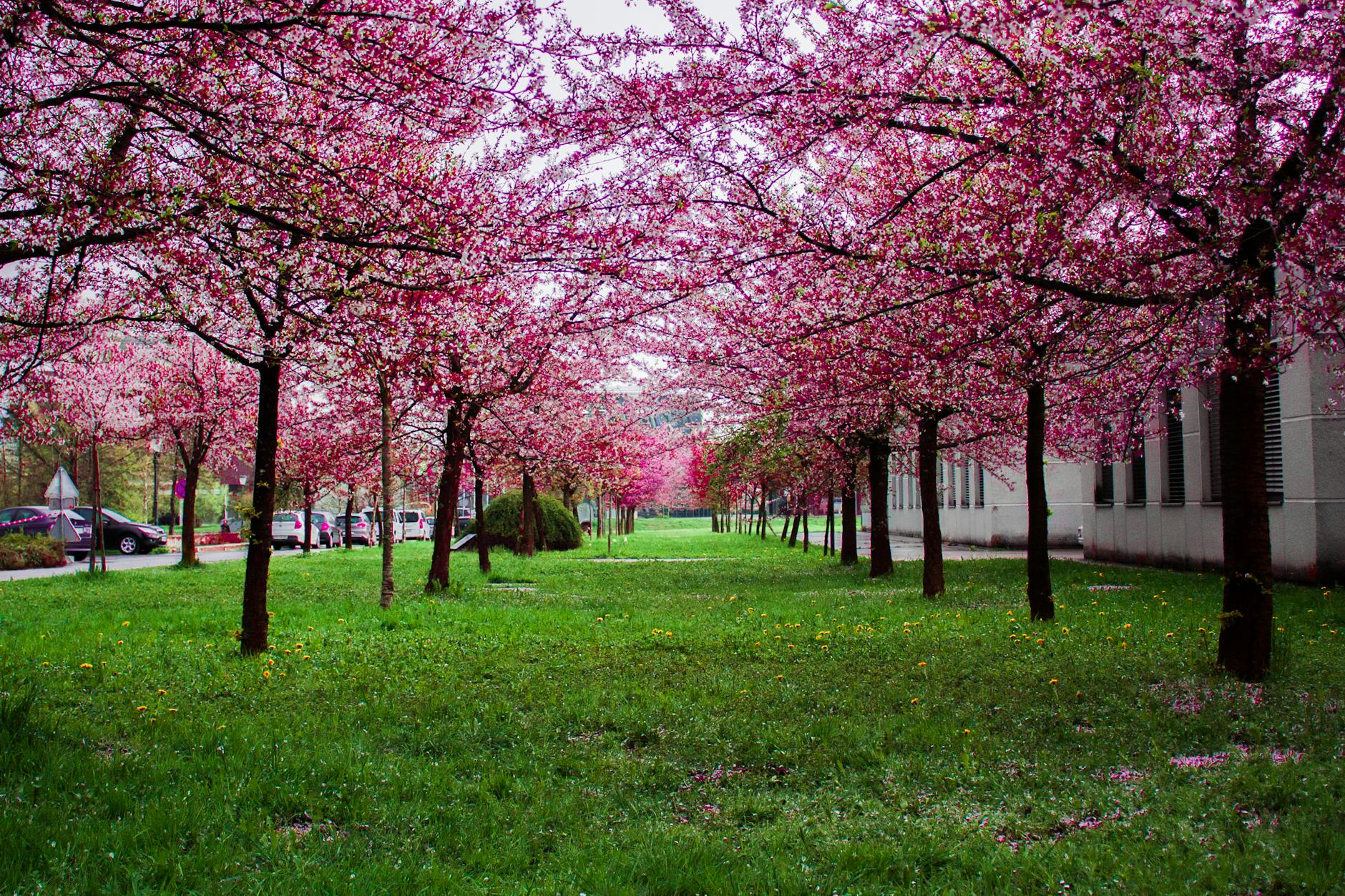
Spring is Milan at its most appealing. The plane trees leaf out, the parks fill, the canal-side bars put their tables back outside, and the temperatures sit in the comfortable high teens and low twenties, perfect for long days on foot. It is the season when the city feels most alive without yet being uncomfortably hot.
The one big caveat is the Salone del Mobile, the international furniture and design fair that takes over the city for a week in mid-to-late April (21 to 26 April in 2026). During Design Week the whole city becomes an exhibition and the energy is extraordinary, but hotels sell out months ahead and prices double or triple, so either come for it deliberately or book your spring trip around it. Outside that week, spring is the ideal time to wander the neighbourhoods and tick off the major attractions.
Summer in Milan (June to August)
Summer splits in two. June and early July are warm, long-evening months when the aperitivo scene is in full flow and the city still hums, even if the midday heat and humidity can be heavy. Then comes August, when Milan does something many visitors find surprising: it largely closes. Locals decamp to the coast and the mountains, and a good number of shops, restaurants and bars shut for two or three weeks, especially around Ferragosto in the middle of the month.
That makes August a strange time to come for city life, though it has a quiet, almost empty charm and lower hotel rates. The smarter summer move is to use Milan as a base for cooler escapes: this is the prime season for the Lake Como and the other day trips from Milan, when the lakes and mountains are at their glorious best. Whatever you do, pack for heat and plan indoor, air-conditioned stops for the hottest hours; our guide to indoor things to do doubles nicely as a heat-escape list.
Autumn in Milan (September to October)
Autumn rivals spring as the best time to be here. September brings back the energy after the August lull, the weather is warm but no longer oppressive, and by October the light turns golden and crisp, ideal for photography and unhurried walking. The cultural season restarts, the restaurants are fully open again, and the mood is busy in the best way.
The event to watch is Milan Fashion Week, the women’s shows running in late September (16 to 22 September in 2026), which fills the better hotels and lifts prices, though the city buzzes with a glamour you can enjoy from the pavement even without an invitation. If you can dodge that week, the back half of September and all of October are close to perfect, and a fine time to fold in a wine-country trip to Franciacorta as the harvest comes in.
Winter in Milan (November to February)
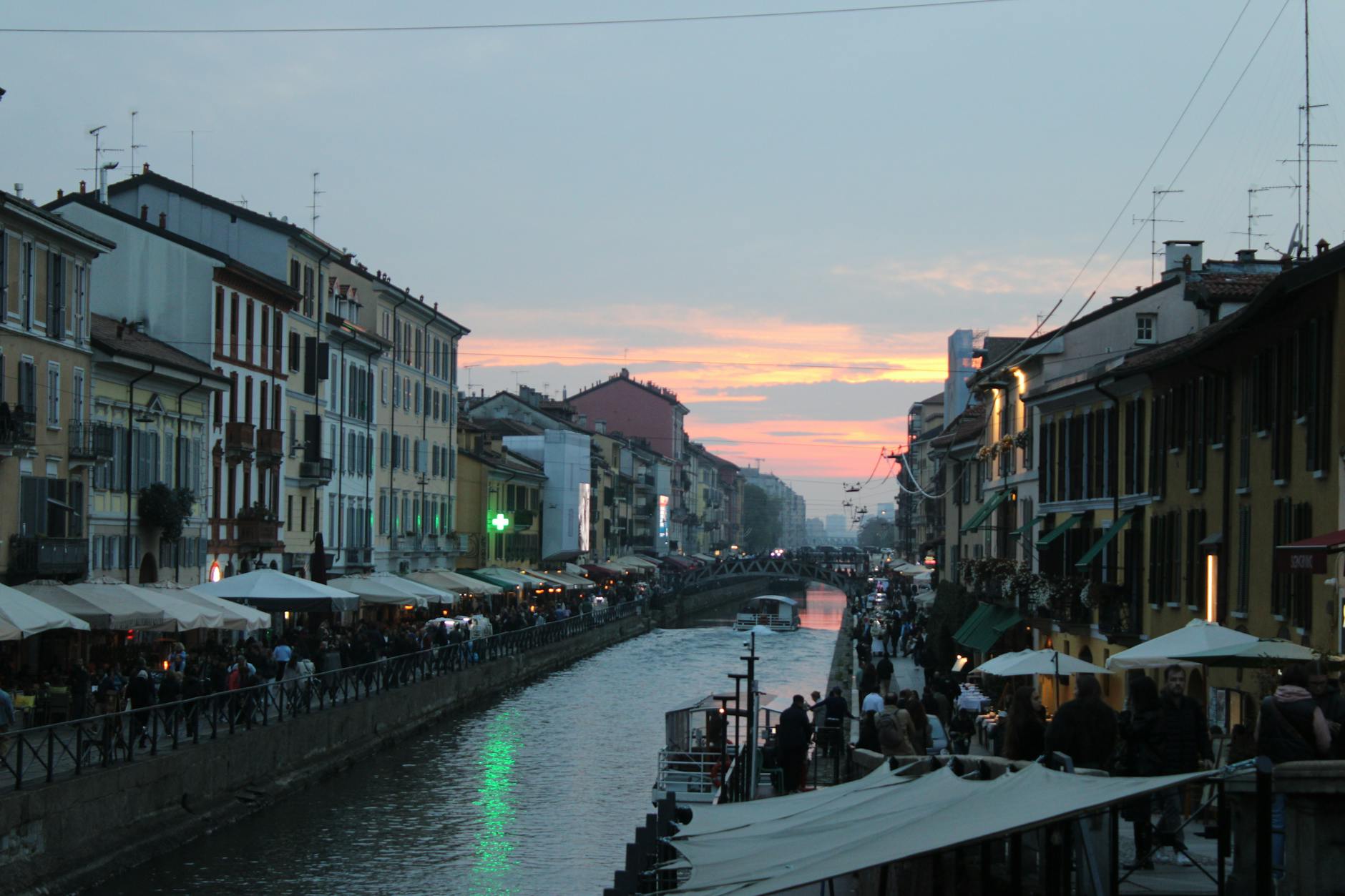
Winter is cold, sometimes foggy and occasionally snowy, but it is also the cheapest season and, around the holidays, the most magical. From late November the city dresses up in lights, the shop windows of the Quadrilatero d’Oro become a spectacle in themselves, and the festive markets appear. The opera season at La Scala opens on 7 December, the feast of the city’s patron Sant’Ambrogio, which is the grandest night in the Milanese calendar.
That same date brings the Oh Bej! Oh Bej! street market around the Sforza Castle, a centuries-old tradition of stalls and street food. January and February, once the holidays pass, are the quietest and most affordable weeks of the year, broken only by the women’s fashion week in late February. It is cold-weather sightseeing, so dress warmly, but the museums, churches, cafés and shops make Milan a rewarding winter city, and the winter sales are a serious draw for shoppers.
Month-by-month quick guide
Here is the year at a glance, weighing weather against crowds and price so you can match your dates to your priorities.
| Month | What to expect |
|---|---|
| January | Cold, quiet, cheap; winter sales begin |
| February | Cold; women’s fashion week lifts prices late in the month |
| March | Cool and improving; good value before the spring rush |
| April | Mild and lovely, but the design fair packs the city late in the month |
| May | Arguably the best month: warm, green, lively |
| June | Warm and long-evening; men’s fashion week mid-month |
| July | Hot and humid; head for the lakes |
| August | Quiet and partly closed; cheap rooms, sleepy city |
| September | Excellent, though women’s fashion week spikes late-month prices |
| October | Crisp, golden and pleasant; a top choice |
| November | Cool, damp, quiet; prices drop |
| December | Festive and magical around the holidays; La Scala opens on the 7th |
Milan’s big events and when they happen
More than the weather, it is the events calendar that decides whether a given week is a bargain or a scrum. These are the dates that move prices and fill hotels, so plan around them deliberately. Many tie directly into the city’s culture; our shopping guide and fashion week guide go deeper on the style side.
| Event | When | Effect |
|---|---|---|
| Women’s Fashion Week (A/W) | Late February | Hotels busy, prices up |
| Salone del Mobile / Design Week | Mid–late April | City packed, prices peak |
| Men’s Fashion Week | Mid June | Moderate price bump |
| Women’s Fashion Week (S/S) | Late September | Hotels busy, prices up |
| Sant’Ambrogio & Oh Bej! Oh Bej! | 7 December | Festive, lively, La Scala opens |
| Christmas & New Year | Late December | Magical, busier, higher rates |
Exact dates shift each year, so confirm them before booking. The fashion weeks and the April design fair are wonderful if you want that scene, but brutal on the wallet if you do not, since rooms can vanish and rates can more than double across the city.
When Milan is most expensive (and most crowded)
The expensive weeks are predictable: the two main fashion weeks in February and September, and above all the Salone del Mobile in April, which is the single busiest and priciest stretch of the Milan year. During these the whole hotel market tightens, not just the venues near the events, and even modest rooms command premium rates.
It is also worth knowing that Milan’s per-night tourist tax rose in 2026, scaling by hotel category up to €12 a night for five-star properties, so factor that into any stay. Outside the big trade fairs, Milan rarely feels overwhelmed by tourism the way Venice or Florence can, which is part of its appeal. For keeping costs down whenever you come, our where to stay guide and budget guide are the places to start.
Best time for specific trips
Your ideal month also depends on what kind of trip you have in mind. If the lakes and mountains are the draw, come from late spring to early autumn, when day trips from Milan are at their best and the boat services on Como and the other lakes run full schedules. For serious shopping, time your visit to the sales, which run for several weeks from early January and early July, with the outlet malls worth a trip year-round.
Culture lovers should look to the cooler months, when the opera and concert season is in full swing and the museums are uncrowded; our museums guide has the highlights. Couples often find spring and the festive season the most romantic, as our romantic things to do guide sets out, while anyone short on time can make any season work with the help of our itineraries guide.
What to pack by season
Milan is a fashion capital, so locals dress with care whatever the month, and you will feel more comfortable leaning smart rather than scruffy. Beyond style, pack for the season: light, breathable clothes and sun protection for the humid summer; warm layers, a proper coat, scarf and waterproof shoes for the cold, sometimes foggy winter; and flexible layers plus a compact umbrella for the changeable spring and autumn.
Comfortable walking shoes matter year-round, since the historic centre is best explored on foot and the cobbles are unforgiving on flimsy soles. If you plan to visit churches, including the Duomo, bring something that covers your shoulders and knees, as dress codes are enforced; our Duomo guide and travel tips guide spell out the etiquette and the rest of the practical detail.
Italian public holidays and seasonal closures
Italy’s public holidays can quietly reshape a trip, because many shops, offices and some attractions close or run reduced hours on them. The ones most likely to affect you are New Year’s Day, Epiphany on 6 January, Easter Monday, Liberation Day on 25 April, Labour Day on 1 May, Republic Day on 2 June, Ferragosto on 15 August, All Saints on 1 November, the Immaculate Conception on 8 December, and Christmas and Boxing Day. Milan also marks its patron saint, Sant’Ambrogio, on 7 December as a local holiday.
Around these dates, and especially the mid-August Ferragosto period, expect more closures and a quieter city, while transport often runs to a reduced holiday timetable. None of this need spoil a visit, but it pays to check opening hours before you set out and to book restaurants ahead on holiday weekends. Our Milan travel tips guide covers opening hours and the afternoon lull in more detail, and the transport guide explains how services change on holidays.
Festivals and highlights beyond the headline events
Beyond the fashion and design weeks, Milan’s calendar is full of smaller pleasures worth timing a trip around. The Ambrosian Carnival is a local quirk: thanks to the city’s own liturgical rite, Milan celebrates Carnival a few days later than the rest of Italy, ending on the Saturday after Ash Wednesday with costumes and confetti around the Duomo. Spring brings garden and design events across the city, and warm-weather months add open-air cinema, canal-side festivals and outdoor concerts.
Football fans should note the Serie A season runs from August to May, so a match at the San Siro is a winter-into-spring fixture rather than a summer one. And from late November the Christmas lights, the festive markets and the dressed windows turn the centre into a free spectacle in its own right, one of the best entries on our free things to do guide. Whenever you come, there is usually something on; our things to do guide and outdoor activities guide help you find it.
How many days do you need in Milan?
Milan rewards a focused visit more than a long, slow one. Two full days are enough to see the headline sights, eat well and soak up a couple of neighbourhoods, which is why the city works so well as a long weekend or a stop on a wider Italian trip. A third day lets you add a museum, more shopping or a slower pace, and a fourth opens up a day trip to the lakes or a nearby art city.
The season affects this a little: in the heat of summer you may want to build in more indoor breaks and a lake escape, while crisp spring and autumn days let you walk for longer. If you are tight on time, our one day in Milan guide shows how to make a single day count, and our itineraries guide lays out ready-made plans for one, two and three days and beyond.
Spring or autumn: which shoulder season wins?
Since spring and autumn are the two best windows, it is worth knowing how they differ. Spring gives you blossom, leafing parks and a city waking up after winter, with the trade-off of more frequent showers and the April design fair to plan around. Autumn offers warmer water at the lakes early on, golden light, the harvest in the surrounding wine country and a city back to full life after August, with the September fashion week as its one busy spike.
If you want the freshest, greenest version of the city and do not mind an umbrella, choose May. If you prefer settled warmth, fewer showers and the chance to fold in a wine trip, choose late September or October. Either way you avoid the worst of the heat and the cold, and you see Milan close to its best. Our neighbourhoods guide is the perfect companion for the long, comfortable walking days both seasons allow.
Frequently asked questions
What is the best month to visit Milan?
May and late September into October are the standout months. They offer mild, comfortable weather, a lively city and manageable crowds, without the price spikes of the April design fair or the fashion weeks. Late April after the Salone del Mobile is also excellent. These shoulder periods give you the best balance of weather, atmosphere and value.
What is the cheapest time to visit Milan?
January and February, once the Christmas and New Year period ends, are the cheapest weeks, along with November and quiet stretches of summer like August. Avoid the fashion weeks and the April Salone del Mobile, when hotel prices can more than double. Winter outside the festive season is when you will find the best room rates.
Is August a good time to visit Milan?
August is a mixed bag. The weather is hot and humid, and many shops, restaurants and bars close for two or three weeks as locals leave the city, especially around Ferragosto on the 15th. Rooms are cheaper and the streets are quiet, but city life is muted. It is a better month for using Milan as a base for the lakes.
When is Milan most crowded and expensive?
The Salone del Mobile design fair in mid-to-late April is the busiest and most expensive week of the year, followed by the women’s fashion weeks in late February and late September. During these events hotels across the city fill up and prices soar. If you are not coming for the events themselves, it is well worth avoiding these dates.
What is the weather like in Milan in winter?
Milan winters are cold, often grey and sometimes foggy, with daytime highs around 6°C and occasional snow. It is proper coat-and-scarf weather. The upside is a festive, atmospheric city around the holidays, low prices in January and February, and excellent indoor culture, shopping and dining to fill the shorter days.
Final thoughts
There is no single best time to visit Milan, only the best time for the trip you want. For the easiest all-round experience, aim for May or late September into October and book around the fashion weeks and the design fair. For the lowest prices, come in the depths of winter; for the lakes, come in summer; for festive magic, come in December. Whatever you choose, line your dates up against the events calendar first, and the rest of the planning falls into place.