Forget the cliché that Milan is “all fashion, no food.” The city sits at the centre of one of Italy’s most distinctive regional cuisines — a hearty, butter-rich, slow-cooked Lombard tradition built on rice, saffron, veal, and dairy from the Po Valley. The best traditional Milanese food is older, richer, and more meat-forward than the tomato-and-pasta cuisine most visitors expect from Italy. Knowing what to order is the difference between a memorable trip and a series of forgettable plates.
This guide walks through the 14 most iconic Milanese dishes — what they are, where they came from, what to look for in a properly made version, and the trattorias and historic kitchens that still cook them best. For broader context, see our pillar Milan food guide.
Why Traditional Milanese Food Is Different
Milanese cuisine evolved under three influences: Spanish rule (which left a lasting mark on stews and meat preparations), Habsburg Austrian rule (from 1706 to 1859, with a break under Napoleon from 1796 to 1815, which is why Vienna’s Wiener Schnitzel and Milan’s cotoletta look like cousins), and the agricultural wealth of Lombardy (rice from the Po Valley, butter and cheese from Alpine pastures, beef and veal from the lowlands). The result is one of Italy’s most butter-heavy, golden-coloured, rib-sticking regional cuisines.
Traditional Milanese food grows out of Lombardy’s farmland. Saffron arrived via medieval Spain. Carnaroli and Vialone Nano rice grow in the rice paddies of nearby Vercelli and Pavia. Gorgonzola comes from the eponymous town east of the city. The classic dishes below are the hits — but the ingredient story is what makes them memorable.
The 14 Most Iconic Traditional Milanese Foods
1. Risotto alla Milanese
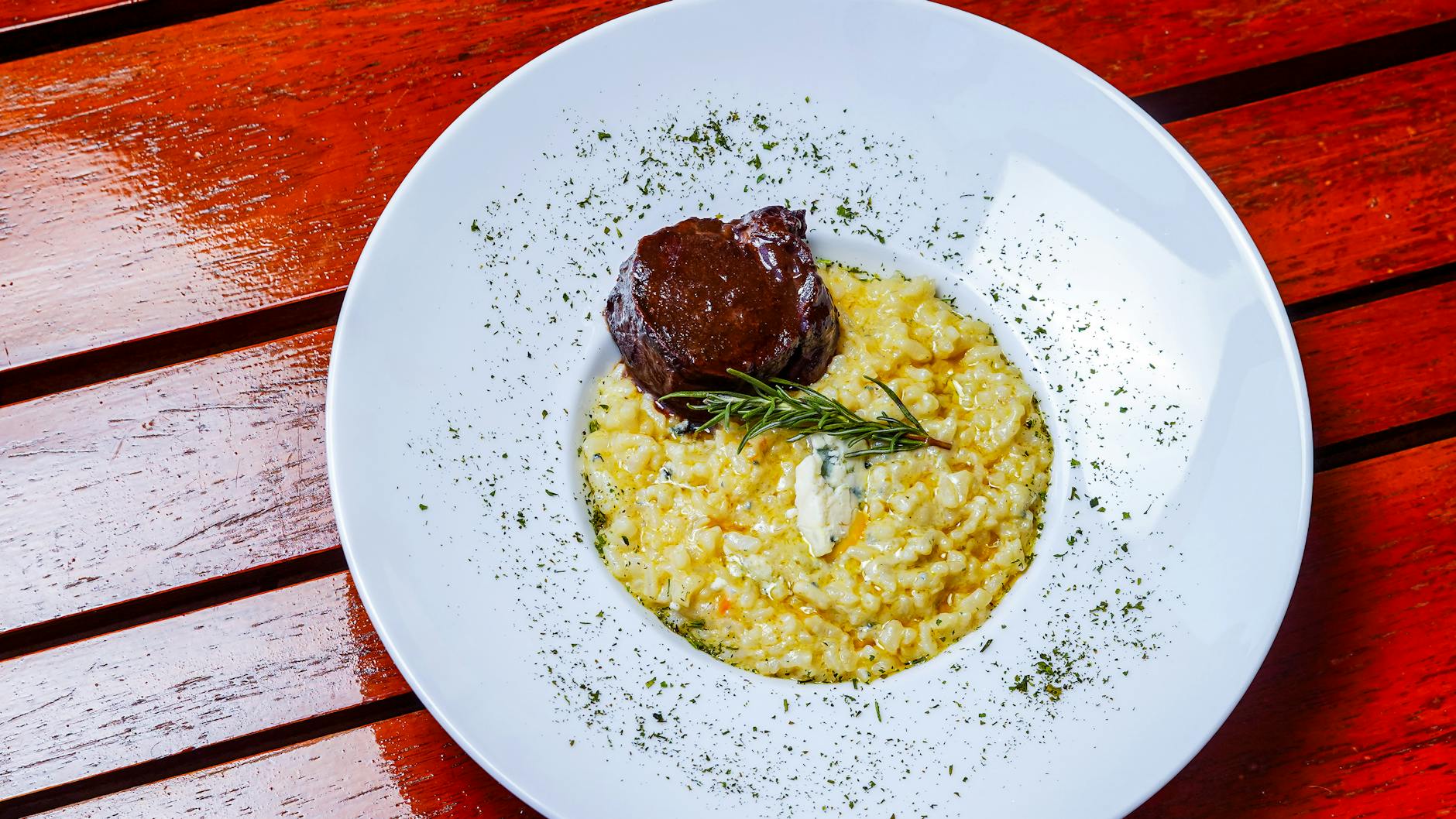
Milan’s signature dish: a creamy, golden saffron risotto made with Carnaroli rice, beef or veal stock, butter, bone marrow (in the most traditional version), Parmigiano-Reggiano, and a generous pinch of saffron. The colour ranges from canary yellow to deep amber. Order it on its own as a primo, or as the bed for ossobuco — a classic Milanese pairing called risotto allo zafferano con ossobuco.
Where to try it: Trattoria Masuelli San Marco (since 1921), Trattoria Milanese (since 1933), Ratanà (modern version), Antica Trattoria della Pesa.
For the saffron, the bone marrow and the argument about Grana versus Parmigiano, see where to eat risotto alla Milanese properly — and where emphatically not to.
2. Cotoletta alla Milanese
The famous breaded veal cutlet, fried in butter and traditionally served bone-in. The “elephant ear” thin version is a more modern restaurant style; the original is thick, with the bone in. Order with a wedge of lemon and never with anything else on the plate — adding a tomato salad means you’d be eating “cotoletta alla bolognese”, which is Bolognese, not Milanese.
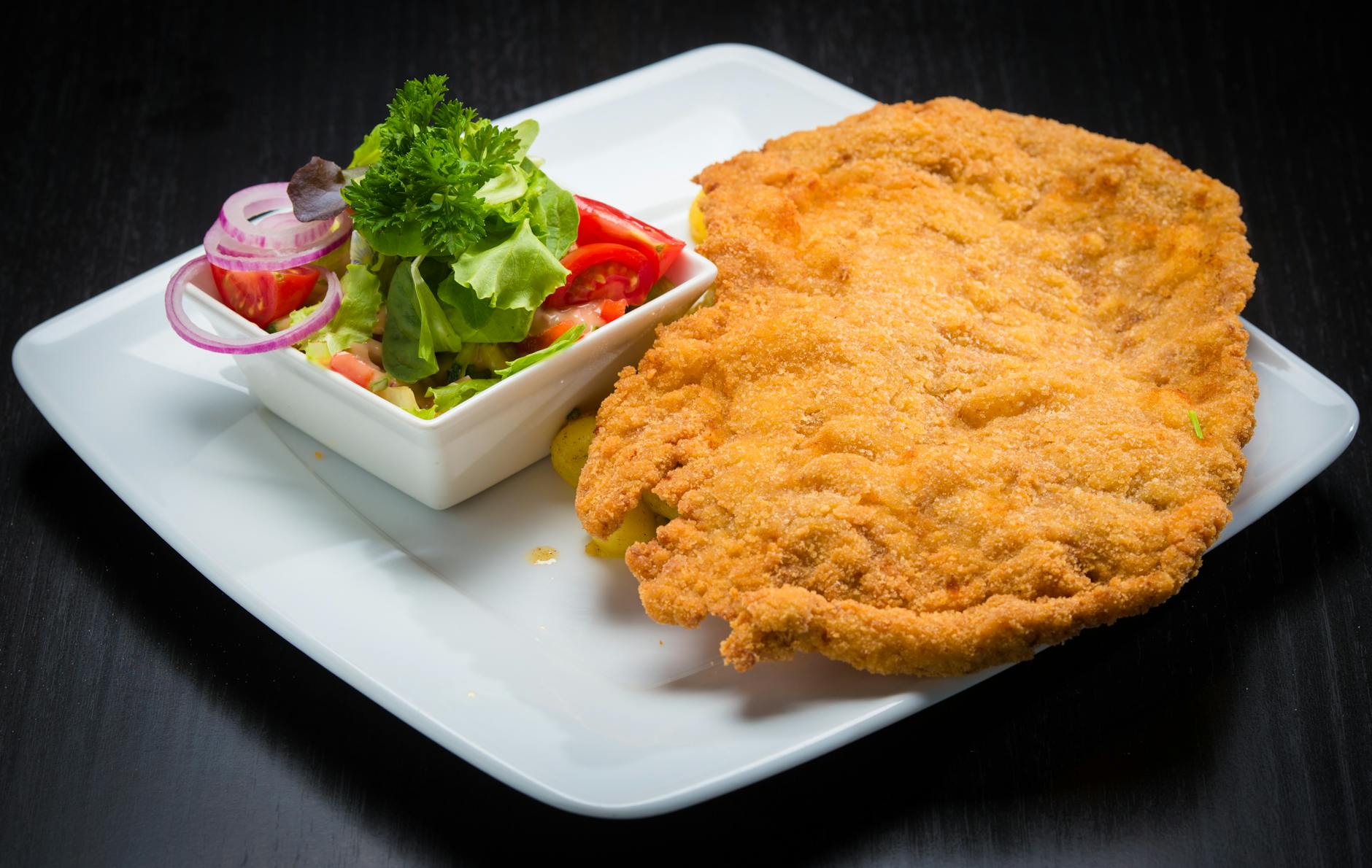
Where to try it: Trattoria del Nuovo Macello, Al Garghet, Antica Trattoria della Pesa, Trattoria Milanese.
The city’s other signature plate gets its own page: our guide to cotoletta alla Milanese explains why the bone matters, why it has to be butter, and where the elephant’s ear came from.
3. Ossobuco alla Milanese
Slow-braised veal shank with the marrow bone in the middle. The dish is braised slowly in onions, white wine, vegetable stock, and herbs. The classic finishing touch is gremolata — finely chopped parsley, garlic, and lemon zest sprinkled on top. The marrow inside the bone is the prize; ask for a small spoon to scoop it out.
Where to try it: Trattoria Masuelli San Marco, El Brellin, Trippa Milano, Trattoria Madonnina.
4. Cassoeula
The ultimate Milanese winter comfort food: pork (ribs, sausage, rind, sometimes feet) slow-cooked with Savoy cabbage, carrots, celery, and white wine until the cabbage is meltingly soft. Served with a mound of polenta to soak up the juices. Hearty and rib-sticking — strictly a winter dish from October to March.
Where to try it: Trattoria Madonnina, Antica Trattoria della Pesa, Trattoria Masuelli San Marco.
5. Mondeghili
Milan’s traditional meatballs, dating to the era of Spanish rule (the name derives from the Arabic-origin Spanish “albóndiga”). Made from leftover meat, breadcrumbs, parsley, and sometimes a touch of mortadella, then fried in butter. Crispy outside, soft inside, never sauced — this is finger food, ideally with an aperitivo.
Where to try them: Trippa Milano, Latteria San Marco, Bar Brera bicchierino.
6. Polenta
Lombardy is one of Italy’s polenta heartlands. The Milanese version is creamy and yellow, served as a side to braised meats (cassoeula, ossobuco, brasato). At the country tables of the Lombard countryside, polenta is also fried, baked with cheese, or served set into slices.
7. Minestrone alla Milanese
Milan’s vegetable soup is heartier than its Tuscan cousins, with rice (instead of pasta), pancetta, and Savoy cabbage. Served warm or at room temperature in summer, and reheated for days afterward (it’s better on day two and three).
8. Risotto al Salto
Yesterday’s leftover saffron risotto pressed into a hot, buttered pan and pan-fried until crisp on both sides — the result is a golden risotto pancake. A Milanese delicacy now rare in restaurants; the best place to try it is at the trattorias that have done it for generations.
Where to try it: Trattoria Masuelli San Marco, Ratanà, Aimo e Nadia.
9. Trippa alla Milanese (Busecca)
Slow-cooked tripe in tomato, butter, beans, and Parmigiano. Once a poor-person’s staple, now a refined trattoria classic. The dialect name “busecca” is heard everywhere in old-school spots.
Where to try it: Trippa Milano (the namesake), Trattoria Masuelli, Latteria San Marco.
10. Panettone
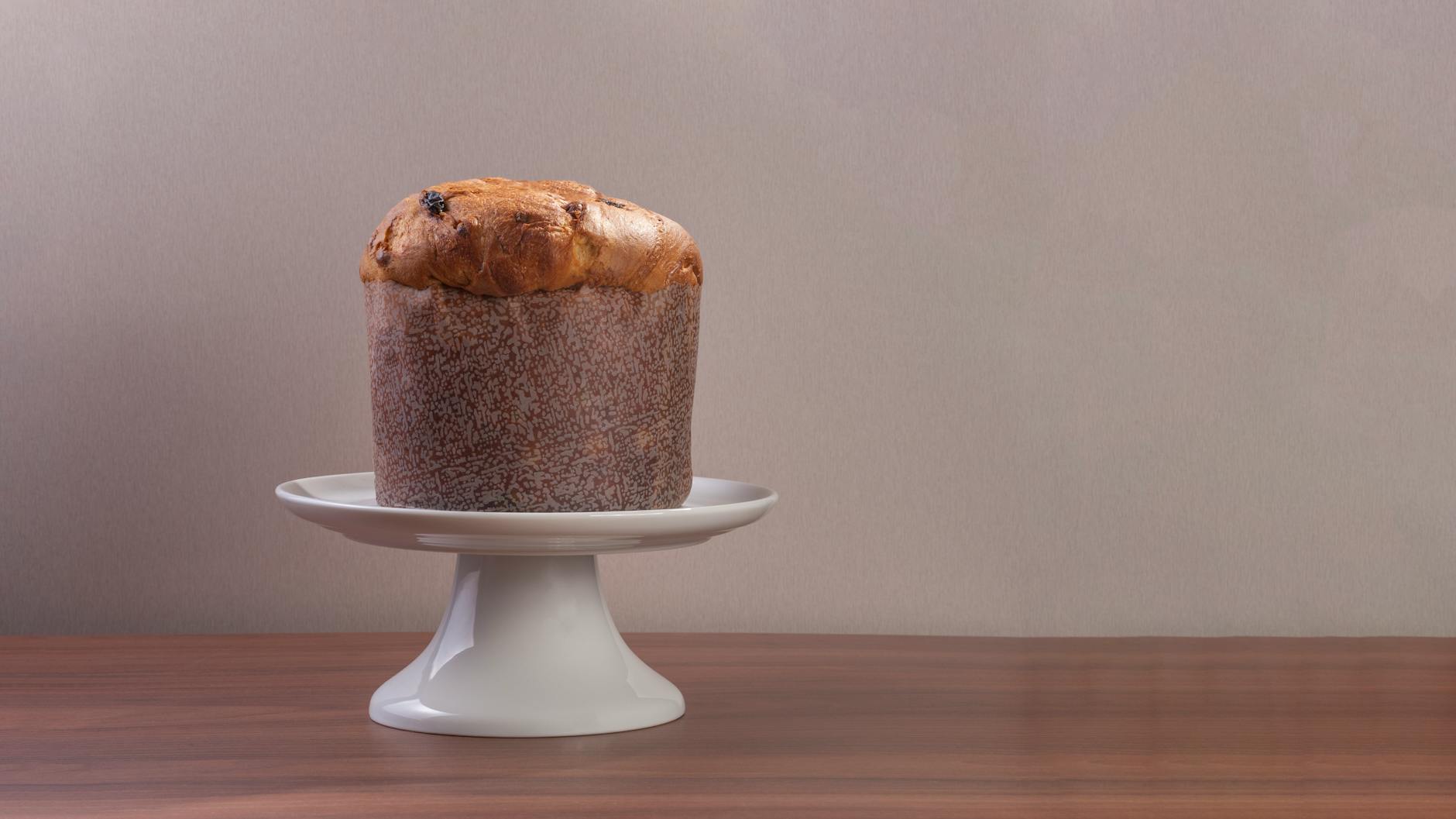
Milan’s most famous export. The tall, dome-topped sweet bread is made over 30+ hours of natural fermentation with butter, eggs, candied citrus peel, and raisins. Christmas season (October–January) sees every pastry shop in the city carrying its own version. Outside Christmas, look for “panettone tutto l’anno” at high-end pasticcerie.
Where to try it: Pasticceria Marchesi 1824, Cova, Pasticceria Cucchi, Sant Ambroeus, Princi (modern interpretations).
The one Milanese dish the rest of the world actually buys: see the best panettone in Milan for how it is made, what the price bands mean and why you keep a slice back until 3 February.
11. Gorgonzola
Milan’s regional blue cheese, originally from the eponymous town east of the city. Two main styles: dolce (sweet, creamy) and piccante (sharp, aged). Eat it on its own with a glass of Barolo, melted into risotto, or in a polenta-topped baked dish.
12. Vitello Tonnato
Although technically a Piedmontese dish, vitello tonnato is widely served as a Milanese antipasto: thin slices of cold poached veal under a creamy tuna-and-caper sauce. Refreshing in summer.
13. Risotto al Persico
A regional rice dish from Lombardy’s lake country (Como, Garda, Iseo): risotto cooked with butter and white wine, then crowned with breaded fillets of persico (perch). Simple and showstopping.
14. Aperitivo
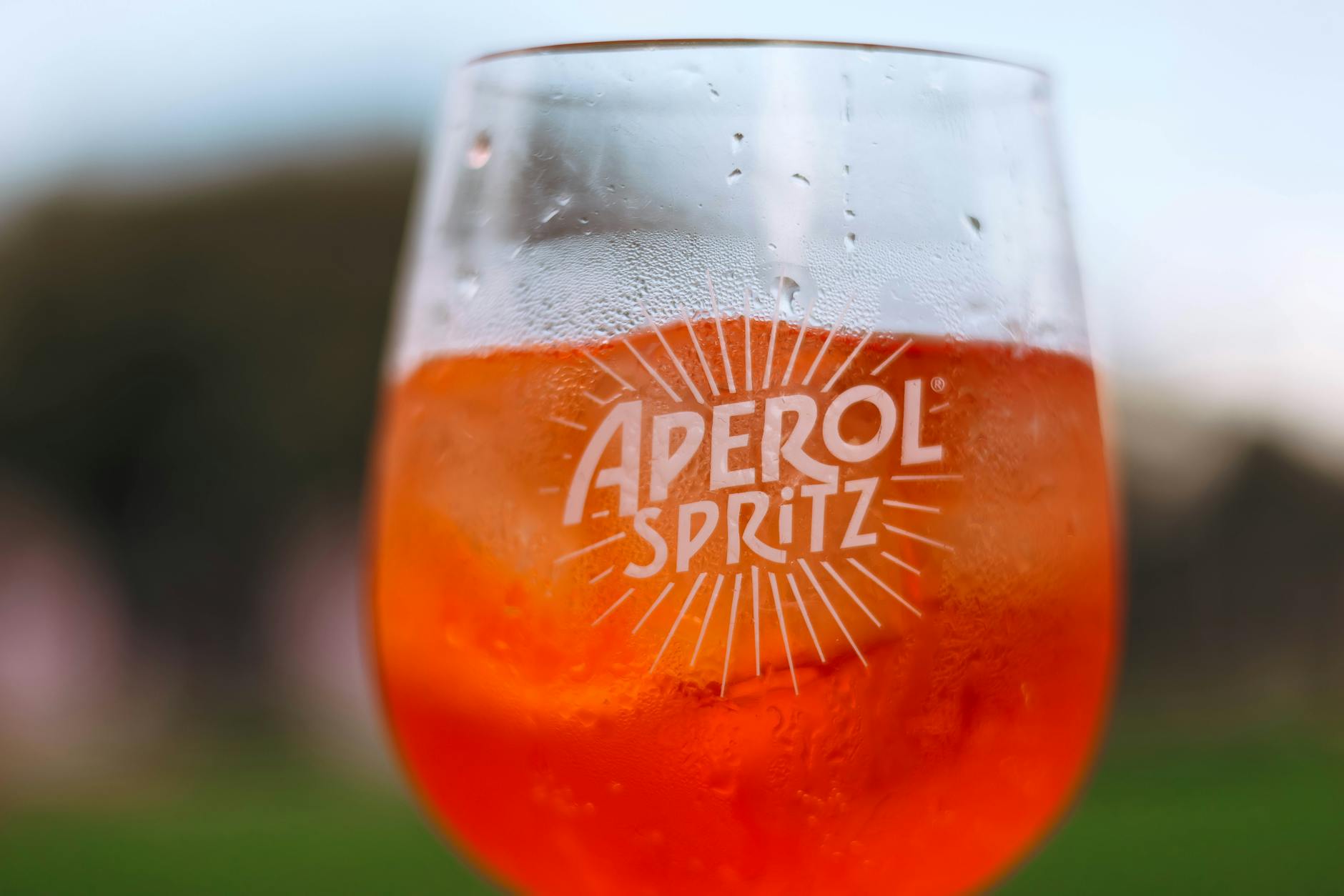
Not a single dish but a meal-replacing ritual that defines Milan’s evenings. In the early evening, a single drink (€10–14) gets you access to a buffet of small plates: bruschetta, focaccia, salami, olives, mini-pasta dishes. One Milanese cocktail, the Negroni Sbagliato (Campari + sweet vermouth + sparkling wine), was created at Bar Basso. For a deep dive, see our Milan nightlife guide.
Where to Eat the Best Traditional Milanese Food
The trattorias below are the most reliable places to taste authentic traditional Milanese food. Most have been running for decades. Reserve ahead, especially Friday and Saturday nights.
Trattoria Masuelli San Marco — Family-run since 1921. Famous for risotto alla Milanese and ossobuco. Reservations essential.
Trattoria Milanese — Open since 1933 at Via Santa Marta 11. The cotoletta is legendary.
Antica Trattoria della Pesa — On the canal at the Porta Garibaldi side. Excellent ossobuco, cassoeula, and a deep wine list.
Trippa Milano — A modernist take on Milanese classics, with offal at the centre. Difficult to book but worth the effort.
Trattoria del Nuovo Macello — Family-run for over 60 years. The cotoletta is the city benchmark.
Latteria San Marco — A tiny seven-table neighbourhood favourite in Brera. No reservations; arrive early.
Ratanà — Chef Cesare Battisti’s modernised Milanese kitchen. One Michelin Bib Gourmand.
Aimo e Nadia (Il Luogo di) — One Michelin star, refined Milanese-Tuscan.
Al Garghet — Country-house feel in the southern suburbs, classic Milanese with a fireplace dining room.
El Brellin — On the Naviglio Grande. Touristy but reliably good for ossobuco and risotto.
Where to Buy Ingredients to Take Home
For travellers who want to bring traditional Milanese food back with them: Peck on Via Spadari is the city’s most famous gourmet emporium, with vacuum-packed gorgonzola, panettone, and Carnaroli rice that travels well. Eataly Milano Smeraldo stocks every regional staple. Mercato Centrale Milano inside Centrale has takeaway options for the train ride home. La Boutique del Saffron at Mantova Saffron stocks the genuine Lombard saffron used in proper risotto alla Milanese.
Cooking Classes and Food Tours for Traditional Milanese Food
To go deeper, several operators run hands-on cooking classes focused on traditional Milanese food. Eataly Milano runs daily classes covering risotto alla Milanese and tiramisù. Mama Cooks offers private classes in a Brera kitchen. Cesarine matches travellers with home cooks across Milan for in-home meals and lessons. Food tours of the Navigli, Quadrilatero, or Brera typically include 5–7 stops over 3 hours, run by guides like Walks of Italy and Eating Europe.
Practical Tips for Eating Traditional Milanese Food
A few practical notes that save first-timers headaches:
Lunch and dinner are separate services, and many kitchens close in between, so check the trattoria’s hours. “Coperto” (a service charge of €2–4 per person) is added automatically. Tipping is not expected on top. Wine is mostly Italian-only in trattorias; ask for a regional Lombardy red (Sforzato, Valtellina) to pair with traditional Milanese food. Reservations matter at the famous trattorias, especially weekends. Many trattorias close on Sundays and Mondays; check before showing up.
For more, see our Milan travel tips guide.
The Final Word on Traditional Milanese Food
If you only have a weekend in Milan, eat: a saffron risotto for one meal, a cotoletta or ossobuco for another, a panini at lunch, a panettone for breakfast, and an aperitivo every evening. With those five plates you’ll have tasted the heart of traditional Milanese food — a regional Italian cuisine richer, more buttery, and more distinctive than the tomato-and-pasta clichés that dominate the country’s culinary reputation abroad.
For complete food planning, browse our pillar Milan food guide and our things to do in Milan roundup.
Related Milan guides
Keep planning with our other Milan food guide resources: