Milan is a fashion capital, so visitors assume shopping here means boutiques and boutique prices. The locals know better. The real fun — and the real bargains — happen at the markets: a canal lined with antiques one Sunday a month, warehouses full of vintage Levi’s, neighbourhood food stalls where the nonnas do their weekly shop. Markets are where Milan stops posing and starts haggling.
The best markets in Milan are the monthly Mercatone dell’Antiquariato antiques fair along the Naviglio Grande, the Saturday Fiera di Sinigaglia flea market, East Market for vintage fashion, and lively street markets like Viale Papiniano. Most run on fixed days, deal largely in cash, and reward early arrivals.
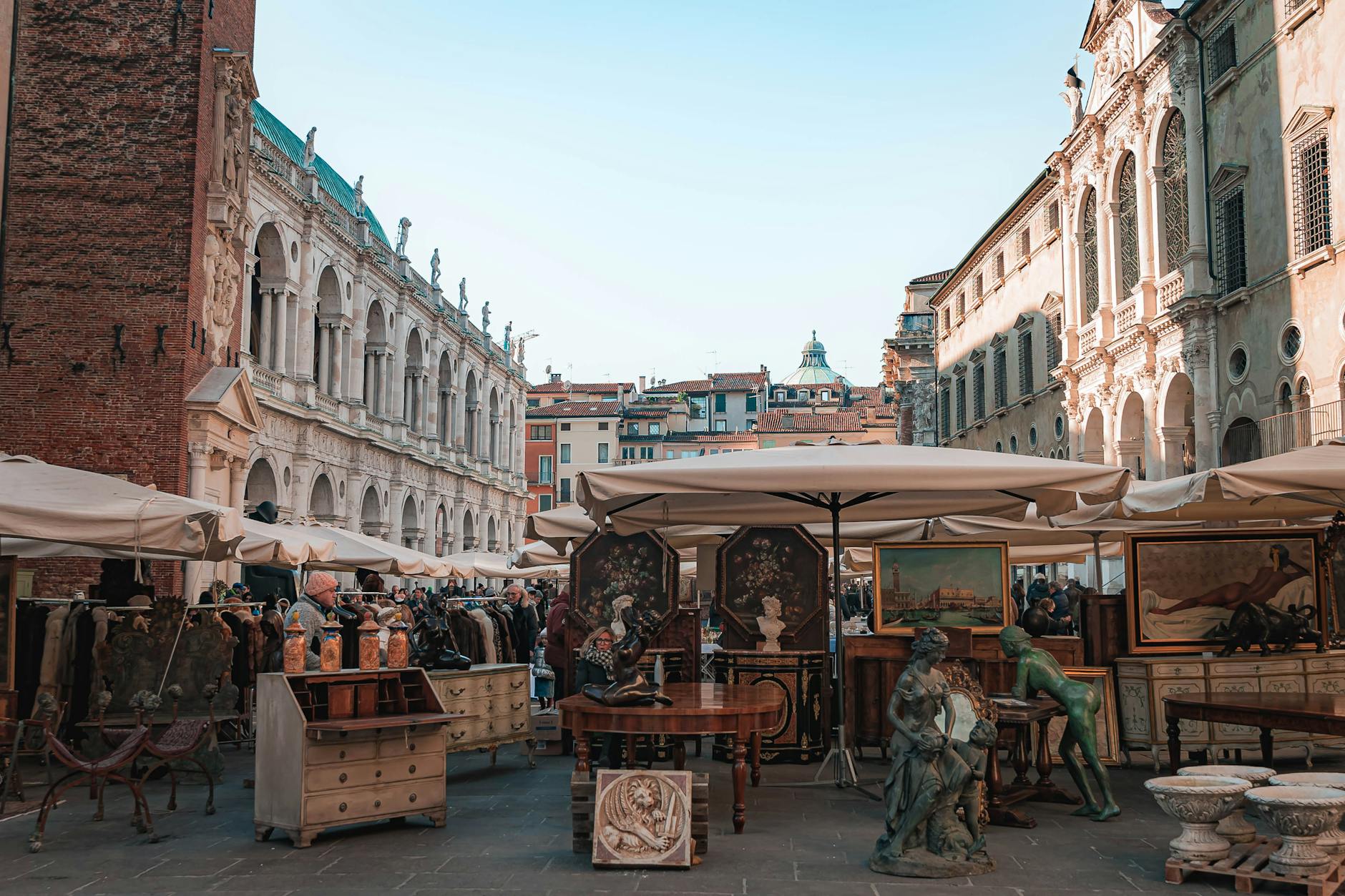
I’ve spent a lot of weekends rummaging through these, and below I’ve sorted them by what you’re after — antiques, vintage clothes, food, or just a wander. For the wider retail picture, our Milan shopping guide covers boutiques, outlets and the fashion district too.
Milan’s markets at a glance
| Market | What for | When | Where |
|---|---|---|---|
| Mercatone dell’Antiquariato | Antiques, vintage | Last Sun of month | Naviglio Grande |
| Fiera di Sinigaglia | Flea market, bric-a-brac | Saturdays | Darsena / Navigli |
| East Market | Vintage fashion, design | Selected Sundays | Via Mecenate (east) |
| Viale Papiniano | Clothes, food, bargains | Tue & Sat | Porta Genova |
| Mercato Comunale | Food, produce | Most days | Various (e.g. Wagner) |
| Fiori & flower markets | Plants, flowers | Seasonal / weekly | Various |
Antiques and flea markets
If you only catch one market in Milan, make it the Mercatone dell’Antiquariato. On the last Sunday of every month, the Naviglio Grande canal turns into a two-kilometre run of stalls selling everything from chandeliers and old maps to costume jewellery and battered leather suitcases. It’s a genuine treasure hunt, and the canal setting makes it a lovely morning even if you buy nothing. Get there early — the good pieces and the parking both go fast. Pair it with our Navigli district guide to make a day of it.
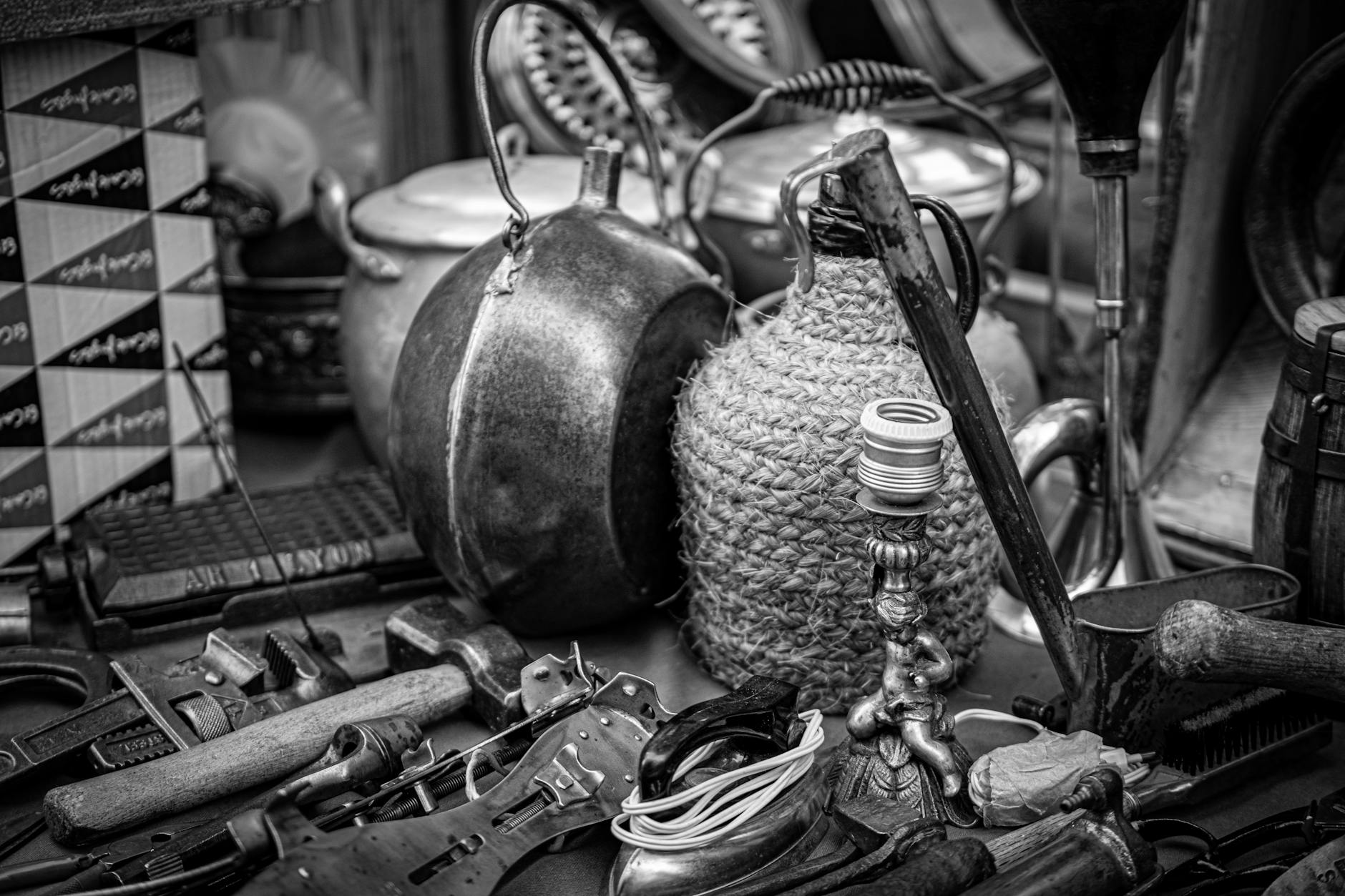
For a weekly fix, the Fiera di Sinigaglia near the Darsena runs every Saturday — scrappier and more bric-a-brac than the antiques fair, with vinyl, vintage denim, military surplus and the odd genuine find buried in the chaos. It’s been going for centuries and feels like it. Both markets are a brilliant, cheap way to spend a weekend morning, and they slot neatly into our list of free things to do in Milan since browsing costs nothing.
Vintage and second-hand fashion markets
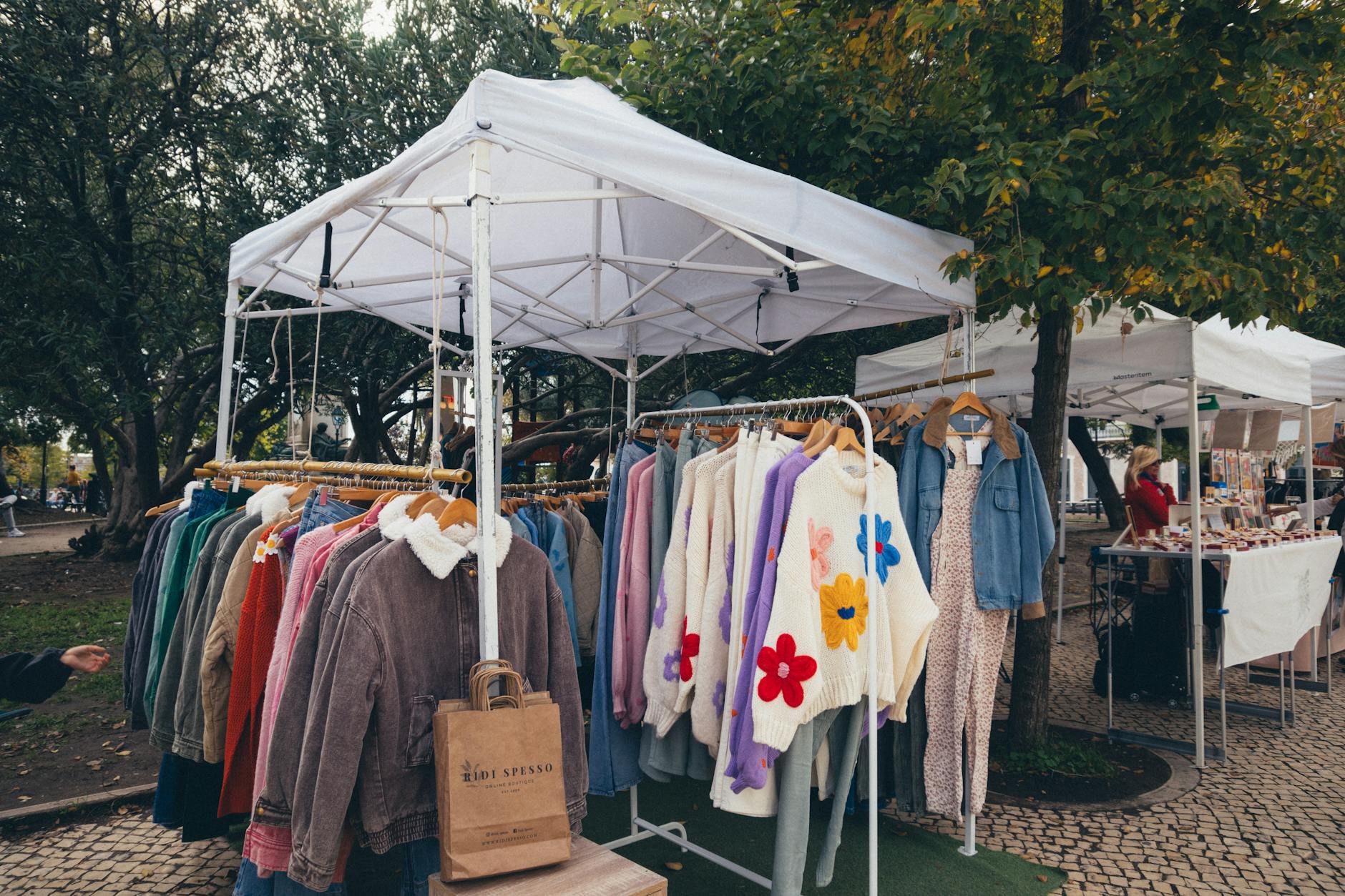
This is a fashion city, so the vintage scene is genuinely strong. East Market is the big name — a warehouse event on Via Mecenate, held on selected Sundays, packed with vendors selling vintage clothing, records, furniture and street food. It draws a young, design-literate crowd and has a small entry fee, but the quality of stock is a cut above the average flea market.
Beyond the dedicated markets, Milan’s permanent vintage shops are worth a crawl in their own right — our vintage shopping in Milan guide maps the best ones, many clustered in the Isola and Ticinese districts. Between the markets and the shops, this is the place to find a 1970s designer piece for a fraction of new-season prices. If you want to know which Italian labels and goods are actually worth buying, our what to buy in Milan guide is a good companion.
Food and farmers’ markets
Markets in Milan aren’t only about antiques and clothes — the food markets are where you taste the city. The covered Mercati Comunali (community markets, like the one at Wagner) sell produce, cheese, fish and salumi most days, and several now house excellent casual eateries. There are weekly farmers’ markets too, plus the rapidly gentrifying Mercato Centrale at Centrale station for a quick, high-quality bite.
Because food deserves its own deep dive, I’ve kept this short — our Milan food markets guide covers them in detail, and the broader Milan food guide explains the local specialities you’ll spot on the stalls. If a stallholder offers you a taste of Gorgonzola or bresaola, say yes; it’s half the fun and points you to the traditional Milanese dishes worth seeking out.
Neighbourhood street markets
Every Milanese district has its own rotating street market (mercato rionale), and these are where you’ll rub shoulders with actual locals rather than tourists. The biggest and best-known is on Viale Papiniano near Porta Genova, running Tuesday and Saturday mornings: clothes, shoes, fabric, fruit and veg, all at proper bargain prices, with designer overstock if you dig. Others worth catching include the markets around Porta Romana and the Fauché market up near the Sempione area.
The trick with these is timing — go in the morning when stalls are full, and bring cash. They’re not polished, but they’re the real Milan, and they make a refreshing contrast to the gloss of the fashion district and the Galleria Vittorio Emanuele II.
Flower, plant and seasonal markets
Milan loves a flower market. The most famous is the Fiori e Sapori sui Navigli and various weekend flower fairs that pop up along the canals and in Brera in spring, while the Christmas markets (Oh Bej! Oh Bej! around Sant’Ambrogio in early December) bring sweets, crafts and decorations. Seasonal markets like these are some of the prettiest times to visit Brera — our Brera neighbourhood guide has the details. These pop-ups change yearly, so check current dates before you plan around one.
Tips for shopping Milan’s markets
A few hard-won pointers. Bring cash — many stalls don’t take cards, and an ATM run mid-market is a hassle. Arrive early for the best stock at antiques and vintage markets, or late for the best discounts as vendors pack up. Gentle haggling is accepted at flea and antiques stalls (less so for food); be polite, and don’t lowball. Keep an eye on your bag in the crowds, as you would at any busy market. And check the day before you go — markets move for public holidays and bad weather, and the monthly antiques fairs only happen once a month.
Markets fold beautifully into a wider day out. A Sunday antiques browse plus a canal lunch, or a Saturday flea-market-then-aperitivo, are some of my favourite things to do in Milan. And if you stumble into a quiet corner you love, add it to our running list of Milan’s hidden gems. For bigger-ticket fashion savings, the outlet malls near Milan and tax-free shopping guides take over where the markets leave off.
A market-lover’s weekend in Milan
If you want to build a trip around the markets, the weekend is your window — and with a little planning you can string several together. Here’s roughly how I’d play it.
Saturday morning starts at the Fiera di Sinigaglia near the Darsena: coffee first, then an hour digging through vinyl, denim and bric-a-brac. From there it’s a short walk to the Viale Papiniano street market for fruit, cheese and the city’s best clothes bargains. Break for lunch at one of the canalside spots, then spend the afternoon browsing the permanent vintage shops in Ticinese before an aperitivo as the light drops.
Sunday depends on the date. If it’s the last Sunday of the month, the whole day belongs to the Mercatone dell’Antiquariato along the Naviglio Grande — go early, walk the full two kilometres, and stop for a long lunch by the water. On other Sundays, check whether East Market is running out east, or fall back on a leisurely brunch and a wander through Brera’s weekend craft and flower stalls.
Either way, you’ll have shopped like a local, spent very little to get in, and seen corners of the city most visitors miss. It’s one of the most rewarding ways to spend a weekend here, and it pairs naturally with the canal-district highlights in our Navigli guide and the broader Milan shopping guide. Wear comfortable shoes — you’ll cover serious ground — and keep your afternoon loose, because the best market finds always take longer than you plan.
Frequently asked questions
What is the most famous market in Milan?
The Mercatone dell’Antiquariato — the antiques and vintage fair held on the last Sunday of each month along the Naviglio Grande canal. With around 380 stalls stretching for two kilometres, it’s the city’s signature market and a wonderful morning out, whether you’re hunting for a specific piece or just browsing by the water.
What days are markets open in Milan?
It varies by market. Neighbourhood street markets like Viale Papiniano run on fixed weekdays (often Tuesday and Saturday mornings). The Fiera di Sinigaglia flea market is Saturdays, the big antiques fair is the last Sunday of the month, and East Market falls on selected Sundays. Always check the specific market’s current schedule before going.
Can you haggle at markets in Milan?
Yes, at antiques, flea and vintage stalls, gentle bargaining is part of the culture — ask politely for a better price, especially when buying more than one item or paying cash. Don’t haggle at food markets, where prices are fixed. Keep it friendly and reasonable; aggressive lowballing tends to backfire with Italian vendors.
Are Milan markets cash only?
Many stalls, particularly at flea and street markets, take cash only, so bring euros in small notes. Larger organised events like East Market increasingly accept cards, and food markets in permanent buildings usually do too. To be safe, carry enough cash for the day — there’s nothing worse than spotting a bargain with no way to pay for it.
Which Milan market is best for vintage clothes?
East Market on Via Mecenate is the standout for vintage fashion, with carefully curated stock and a design-savvy crowd. For permanent shops rather than a market, head to the Ticinese and Isola districts. The Fiera di Sinigaglia and Viale Papiniano also turn up vintage denim and bargains if you’re willing to dig through the racks.
Final thoughts
Milan’s markets are the antidote to its polished reputation — cheaper, friendlier and far more fun than the boutiques. Catch the antiques fair if your dates line up, bring cash and an empty bag, and don’t be afraid to rummage. Some of my favourite things I’ve brought home from this city came off a folding table by the canal, not out of a shop window.
