Category: Milan Neighborhoods

  • Milan Neighborhoods: A Local Guide to the City’s Best Districts

    Milan Neighborhoods: A Local Guide to the City’s Best Districts

    Understanding Milan neighborhoods is the key to unlocking the city’s true character. Far beyond the Duomo’s famous spires, Milan is a mosaic of distinct districts, each with its own personality, history, and hidden treasures. From the bohemian canals of Navigli to the futuristic towers of Porta Nuova, from ancient artistic quarters to cutting-edge design districts, exploring Milan neighborhoods reveals a city that constantly reinvents itself while honoring its rich past. This comprehensive guide to Milan neighborhoods will help you discover the perfect areas to explore, eat, shop, and experience la dolce vita like a local.

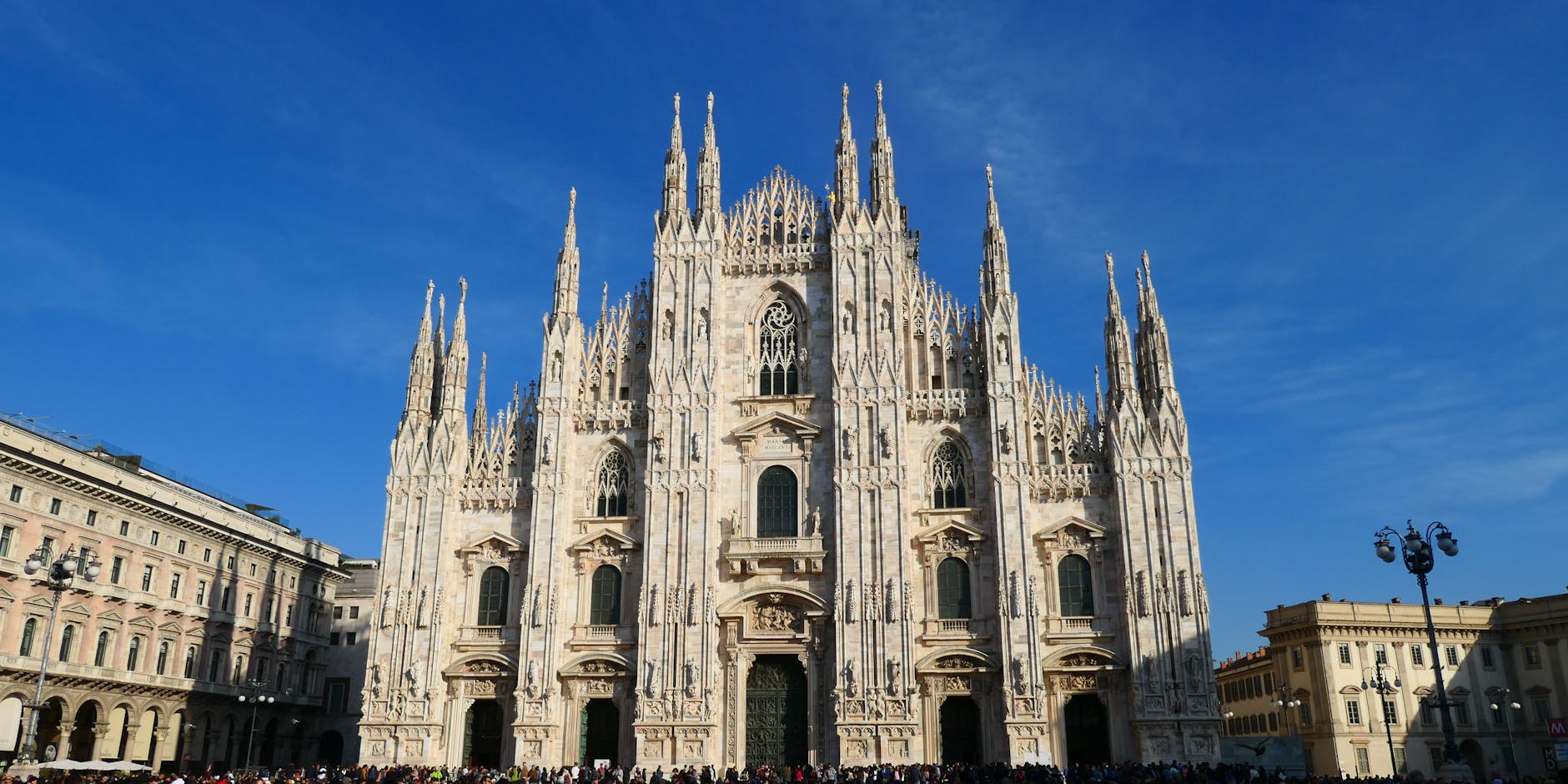
    Milan neighborhoods guide - the iconic Duomo at the heart of Centro Storico
    The Duomo anchors Centro Storico, the historic heart of Milan neighborhoods

    Centro Storico – The Historic Heart of Milan

    Centro Storico is where every visit to Milan begins and where centuries of history converge around the magnificent Duomo di Milano. This central district encompasses the city’s most iconic landmarks within a remarkably walkable area. The Gothic cathedral, Italy’s largest church, took nearly six centuries to complete and rewards visitors with breathtaking rooftop terraces offering panoramic views. Steps away, the Galleria Vittorio Emanuele II serves as Milan’s elegant living room — a 19th-century glass-vaulted arcade housing luxury boutiques and historic cafés. La Scala opera house, one of the world’s most prestigious theaters, adds cultural prestige to this extraordinary neighborhood. For first-time visitors exploring Milan neighborhoods, Centro Storico provides the essential introduction to the city’s grandeur.

    Best for: First-time visitors, history lovers, architecture enthusiasts
    Getting there: Metro M1/M3 Duomo station (the central hub of Milan’s metro network)
    Don’t miss: Climbing the Duomo terraces at sunset, spinning on the Galleria’s mosaic bull for luck, catching an opera at La Scala

    Milan neighborhoods Brera district cobblestone streets and galleries
    Brera’s cobblestone streets are lined with galleries, boutiques, and charming cafés

    Brera – Milan’s Artistic Soul

    Brera is widely regarded as the most charming of all Milan neighborhoods, a place where art, culture, and refined bohemian living intertwine on atmospheric cobblestone streets. The Pinacoteca di Brera, housed in a stunning 17th-century palazzo, holds one of Italy’s finest collections of Renaissance masterpieces, including works by Raphael, Caravaggio, and Mantegna. Beyond the gallery, Brera’s narrow lanes are filled with independent art galleries, antique shops, design boutiques, and intimate trattorias where you can linger over handmade pasta. The Orto Botanico di Brera, a hidden botanical garden within the Brera Academy complex, offers a tranquil escape. Every evening, Brera transforms into one of Milan’s most atmospheric dining destinations, with candlelit restaurants spilling onto the streets.

    Best for: Art lovers, romantics, boutique shopping enthusiasts
    Getting there: Metro M2 Lanza or M3 Montenapoleone, then a short walk
    Don’t miss: The Pinacoteca’s Mantegna “Dead Christ,” aperitivo at a sidewalk café on Via Fiori Chiari, browsing the vintage bookshops

    If you’re deciding where to stay in Milan, Brera makes an excellent base for visitors who want to be close to the center while enjoying a more intimate, artistic atmosphere than the bustling Duomo area.

    Navigli canal district - one of Milan neighborhoods best known for nightlife
    The Navigli canals come alive with aperitivo bars and restaurants every evening

    Navigli – The Canal District

    Navigli is one of the most beloved Milan neighborhoods, a vibrant canal district that pulses with creative energy and social life. The two remaining canals — Naviglio Grande and Naviglio Pavese — were part of a network designed partly by Leonardo da Vinci and once served as trade arteries carrying Candoglia marble to build the Duomo. Today, the canal banks are lined with rusty-hued buildings, vine-covered courtyards, and an unbroken string of aperitivo bars, restaurants, and jazz clubs. On the last Sunday of each month, the Naviglio Grande hosts one of Italy’s best antique markets, with over 400 stalls stretching for two kilometers. Among Milan neighborhoods, Navigli offers the most relaxed and social atmosphere — the place where well-dressed Milanese shed their formality over spritzes at sunset.

    Best for: Nightlife lovers, foodies, creative souls, vintage shoppers
    Getting there: Metro M2 Porta Genova
    Don’t miss: Aperitivo along Naviglio Grande at golden hour, the monthly antique market, Basilica di San Lorenzo and its ancient Roman columns

    Navigli is also one of the best areas for discovering authentic Milanese cuisine. Check our Milan food guide for restaurant recommendations in this neighborhood.

    Porta Nuova modern architecture in Milan neighborhoods
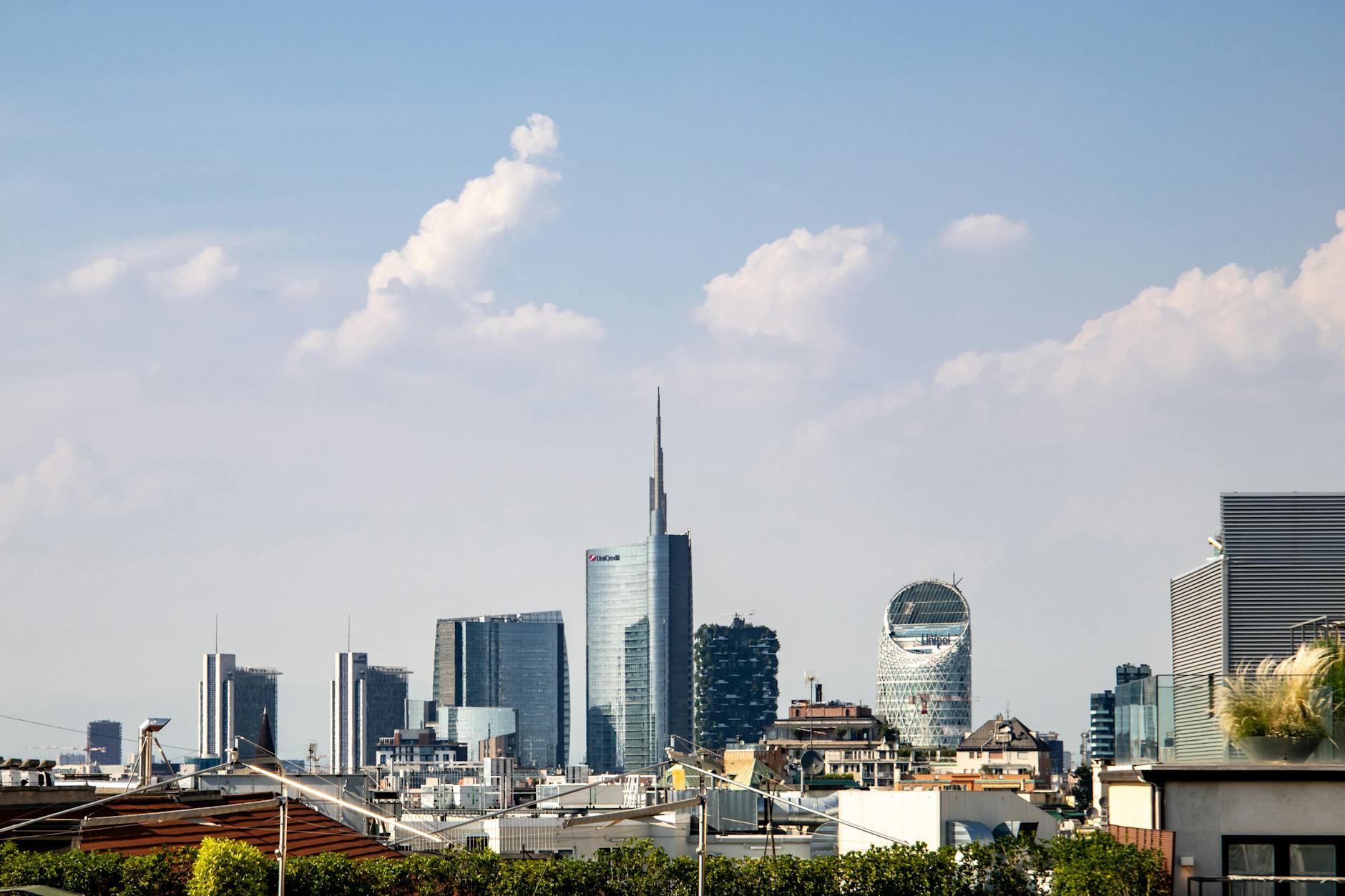
    Bosco Verticale and modern towers define Porta Nuova’s futuristic skyline

    Porta Nuova – Milan’s Modern Skyline

    Porta Nuova represents the bold, forward-looking side of Milan neighborhoods. This district underwent a dramatic transformation for the 2015 World Expo, emerging as one of Europe’s most impressive modern urban developments. The skyline is dominated by Stefano Boeri’s Bosco Verticale (Vertical Forest) — two residential towers covered in over 20,000 plants that have become a global symbol of sustainable architecture. César Pelli’s UniCredit Tower soars 231 meters as Italy’s tallest building, anchoring the sleek Piazza Gae Aulenti, which has become Milan’s new gathering place. The district seamlessly blends contemporary architecture with green spaces, upscale dining, and designer shopping, making it one of the most photogenic Milan neighborhoods for architecture enthusiasts.

    Best for: Architecture lovers, photographers, modern design enthusiasts
    Getting there: Metro M2/M5 Garibaldi FS or M5 Isola
    Don’t miss: Sunset photos of Bosco Verticale, drinks at a rooftop bar overlooking Piazza Gae Aulenti, the Biblioteca degli Alberi park

    Isola neighborhood Milan street art and creative scene
    Isola’s streets are adorned with colorful murals and independent boutiques

    Isola – The Trendy Island

    Isola, meaning “island,” earned its name from being physically cut off from the rest of Milan by railway tracks — a separation that preserved its distinct village character even as it evolved into one of the trendiest Milan neighborhoods. Once a tough working-class area, Isola began its transformation in the early 2000s when rising rents in Brera and Navigli drove artists and creatives northward. Today, its streets buzz with independent boutiques, concept stores, craft cocktail bars, and some of the city’s best street art. The Blue Note jazz club brings world-class musicians to intimate evening performances, while the daily Isola market maintains the neighborhood’s community spirit. Of all Milan neighborhoods, Isola best captures the city’s ability to reinvent itself while keeping its soul intact.

    Best for: Hipsters, jazz lovers, street art enthusiasts, independent shoppers
    Getting there: Metro M5 Isola
    Don’t miss: Jazz at Blue Note Milano, street art along Via Carmagnola, craft cocktails at one of the neighborhood’s speakeasy-style bars

    Liberty architecture in Porta Venezia Milan neighborhoods
    Liberty-style Art Nouveau architecture lines the streets of Porta Venezia

    Porta Venezia – Art Nouveau Elegance & Diversity

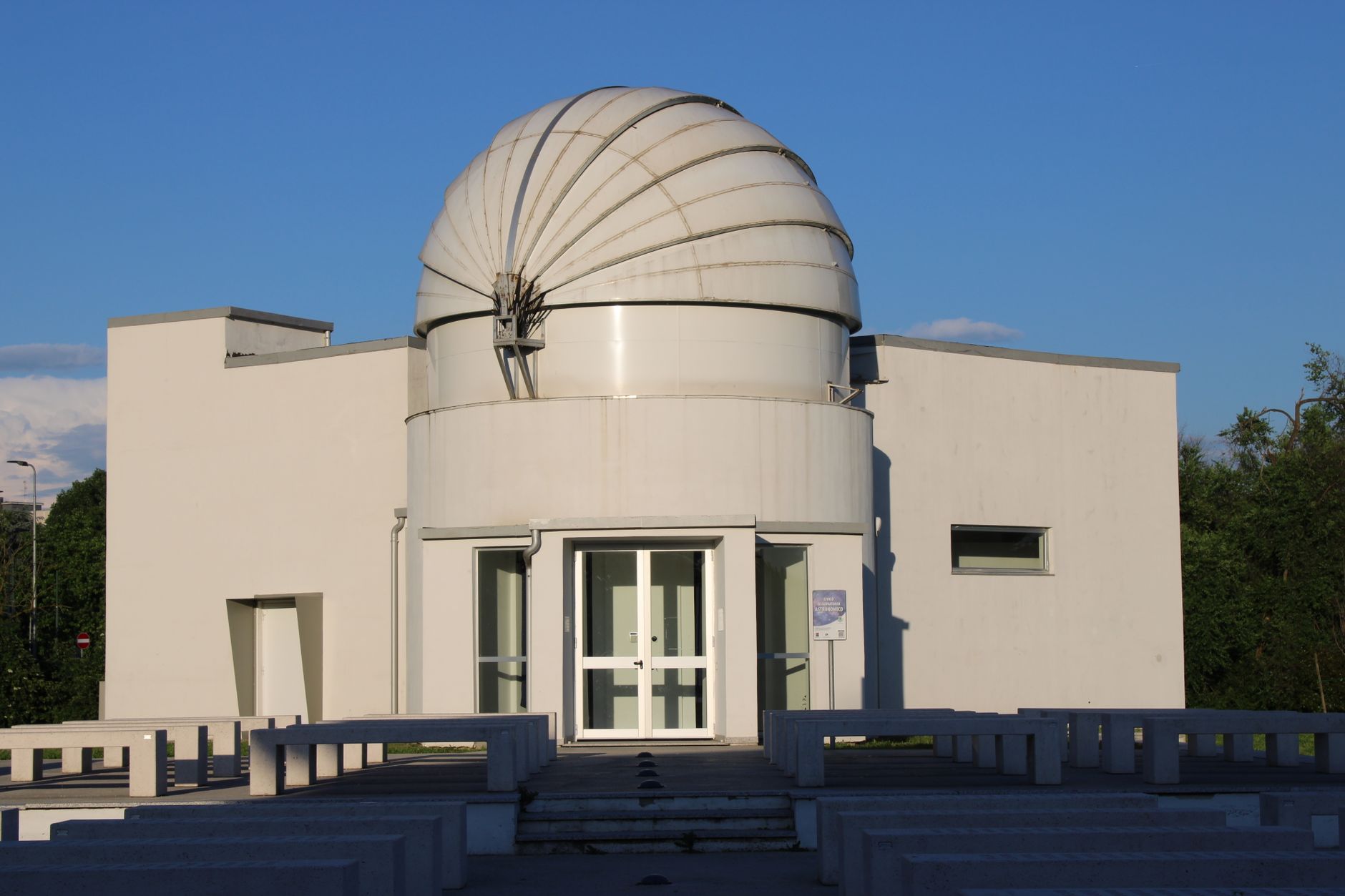
    Porta Venezia stands out among Milan neighborhoods for its stunning Liberty-style (Art Nouveau) architecture and its role as the city’s most inclusive, cosmopolitan district. Streets like Via Malpighi and Via Cappuccini showcase ornate façades with floral details and wrought-iron balconies from the early 20th century. The neighborhood is home to the Natural History Museum, one of Italy’s largest, and the Planetario Ulrico Hoepli for stargazing sessions. Villa Necchi Campiglio, a 1930s Rationalist masterpiece open to visitors, offers a glimpse into Milan’s aristocratic past. Porta Venezia also pulses with one of the most diverse dining scenes of any Milan neighborhoods, with Ethiopian, Eritrean, and Middle Eastern restaurants alongside traditional Italian trattorias. The adjacent Corso Buenos Aires, with over 350 shops, is one of Europe’s longest shopping streets.

    Best for: Architecture buffs, foodies seeking diversity, LGBTQ+ travelers, shoppers
    Getting there: Metro M1 Porta Venezia
    Don’t miss: A Negroni Sbagliato at Bar Basso (where it was invented), Liberty architecture walking tour, Ethiopian dinner on Via Panfilo Castaldi

    For more about Milan’s incredible shopping in Milan, including Corso Buenos Aires and other top streets, explore our dedicated guide.

    Porta Romana authentic residential Milan neighborhood
    Tree-lined streets and local trattorias define the authentic Porta Romana neighborhood

    Porta Romana – Authentic Local Living

    Porta Romana offers a refreshing contrast to the more tourist-heavy Milan neighborhoods, providing an authentic glimpse into everyday Milanese life. This residential district near the Spanish walls combines a family-friendly atmosphere with a thriving food scene that draws locals from across the city. The Fondazione Prada, designed by architect Rem Koolhaas, is the neighborhood’s cultural anchor — a sprawling contemporary art complex with a gilded tower, permanent installations, and a Wes Anderson-designed café called Bar Luce. The streets around Porta Romana are filled with affordable wine bars, neighborhood bakeries, and family-run restaurants where you can eat exceptional food without the tourist markup. Among Milan neighborhoods, this is where you feel most like a temporary Milanese resident.

    Best for: Travelers seeking authenticity, contemporary art lovers, budget foodies
    Getting there: Metro M3 Porta Romana
    Don’t miss: Fondazione Prada (especially Bar Luce), aperitivo along Viale Bligny, browsing the local food shops on Via Muratori

    Milan Chinatown Via Paolo Sarpi neighborhood dining
    Via Paolo Sarpi in Milan’s Chinatown is packed with authentic Asian dining

    Chinatown (Via Paolo Sarpi) – A Century of Asian Culture

    Milan’s Chinatown, centered on the pedestrianized Via Paolo Sarpi, is one of the oldest and most established in Europe, with roots stretching back nearly a century. While many Milan neighborhoods have transformed rapidly, Chinatown has evolved organically, creating a fascinating blend of Chinese, Italian, and broader Asian cultures. The area buzzes with authentic dim sum restaurants, bubble tea shops, Asian supermarkets selling exotic ingredients, and traditional bakeries producing both Chinese buns and Italian cornetti. La Fabbrica del Vapore, a former tram factory converted into a cutting-edge cultural center, hosts exhibitions, performances, and creative workshops. The neighborhood is also becoming increasingly popular for its affordable dining options and genuine multicultural character that you won’t find in most European Chinatowns.

    Best for: Foodies, budget travelers, cultural explorers
    Getting there: Metro M5 Monumentale or M2 Moscova, then walk
    Don’t miss: Dim sum along Via Paolo Sarpi, La Fabbrica del Vapore exhibitions, handmade noodle shops

    Zona Tortona design district Milan neighborhoods
    Zona Tortona’s industrial spaces host Milan’s famous design events

    Zona Tortona – The Design District

    Zona Tortona is where Milan’s reputation as a global design capital comes to life. This former industrial area behind Porta Genova station has been transformed into one of the most creative Milan neighborhoods, with converted warehouses housing fashion showrooms, design studios, photography galleries, and the Armani/Silos museum — Giorgio Armani’s personal exhibition space chronicling four decades of fashion innovation. The neighborhood reaches its peak during Milan Design Week each April, when the Fuorisalone transforms every courtyard, factory space, and gallery into an immersive design installation that attracts creatives from around the world. Even outside Design Week, Zona Tortona maintains its creative edge with concept stores, artisan workshops, and a growing food scene that reflects the neighborhood’s innovative spirit.

    Best for: Design enthusiasts, fashionistas, creatives, photography lovers
    Getting there: Metro M2 Porta Genova
    Don’t miss: Armani/Silos museum, Fuorisalone during Design Week (April), exploring the converted warehouse galleries

    Zona Tortona is one of many reasons Milan is packed with incredible things to do in Milan beyond the typical tourist attractions.

    CityLife district park and contemporary Milan neighborhoods
    CityLife’s contemporary towers and urban park represent Milan’s newest neighborhood

    CityLife – Milan’s Newest District

    CityLife represents the cutting edge of Milan neighborhoods, a bold urban redevelopment project built on the former Milan Trade Fair grounds. Three signature towers designed by world-renowned architects — Zaha Hadid’s twisted Generali Tower, Daniel Libeskind’s curved Allianz Tower, and Arata Isozaki’s straight Il Dritto — create a dramatic skyline visible from across the city. At their base, the CityLife Shopping District is Italy’s largest urban shopping mall, while the surrounding CityLife Park provides green space for joggers, families, and picnickers. This is one of the newest Milan neighborhoods, still evolving and attracting residents and visitors drawn to its contemporary vision of urban living.

    Best for: Architecture enthusiasts, shoppers, families, modern design lovers
    Getting there: Metro M5 Tre Torri
    Don’t miss: The Three Towers photo opportunity, CityLife Shopping District, a jog or walk through CityLife Park

    Porta Ticinese – Ancient Gates & Alternative Culture

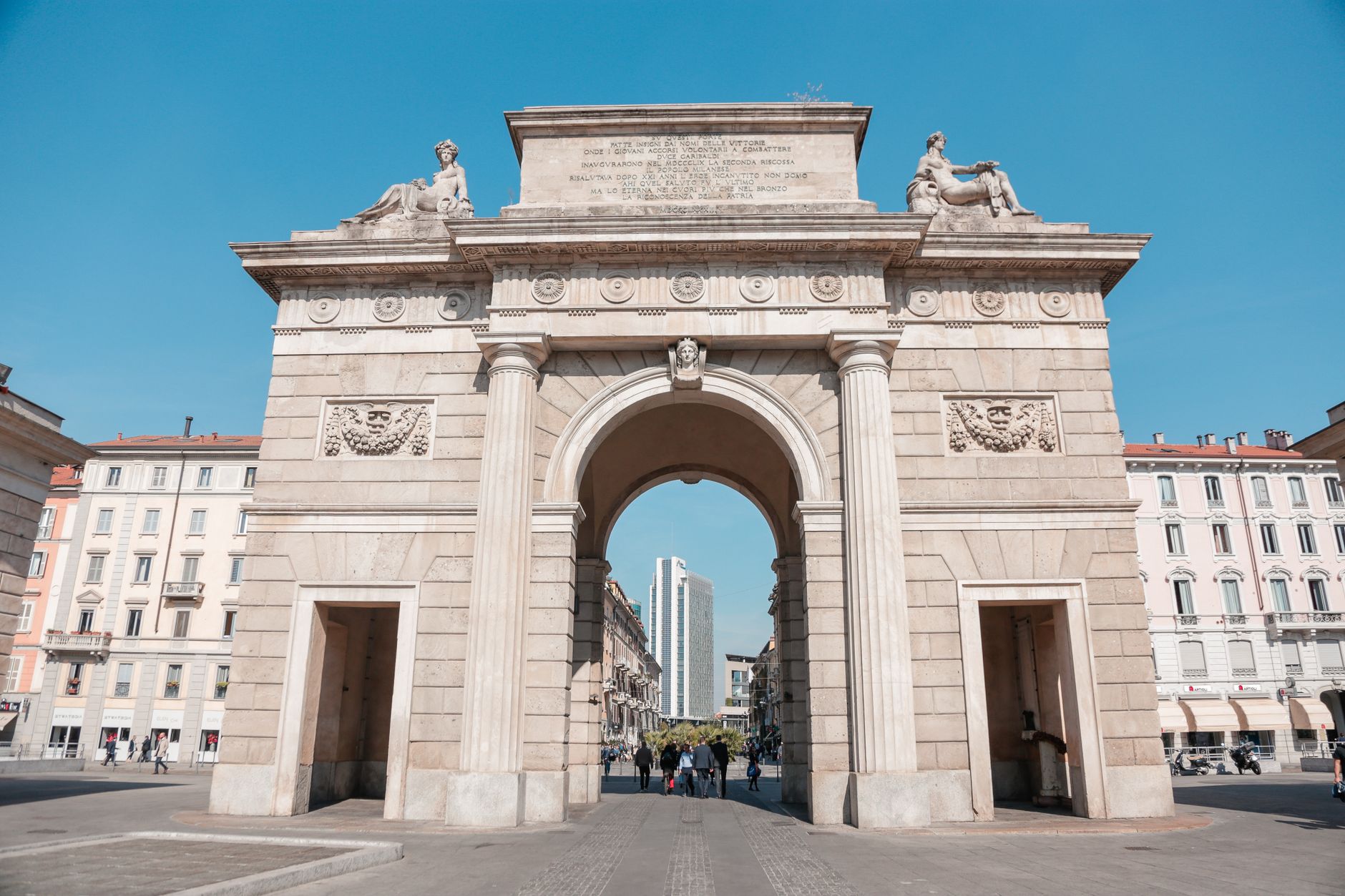
    Porta Ticinese bridges the gap between the historic center and the Navigli canals, creating one of the most eclectic Milan neighborhoods. The area takes its name from the medieval gate that still stands as a reminder of the city’s fortified past. The Colonne di San Lorenzo — 16 ancient Roman columns dating to the 2nd century — form one of Milan’s most atmospheric gathering spots, especially at aperitivo hour when locals perch on the steps with drinks from nearby bars. The adjacent Basilica di San Lorenzo is one of Milan’s oldest churches. By day, vintage clothing shops, independent record stores, and tattoo parlors line Corso di Porta Ticinese. As evening falls, the area transforms into a lively pre-going-out scene before the crowds migrate south to Navigli.

    Best for: Young travelers, vintage shoppers, nightlife seekers, history buffs
    Getting there: Tram 3 along Corso di Porta Ticinese or Metro M2 Sant’Ambrogio
    Don’t miss: Sunset drinks at the Colonne di San Lorenzo, vintage shopping along Corso di Porta Ticinese, live music venues

    Città Studi – The University Quarter

    Città Studi rounds out our tour of Milan neighborhoods with a district that most tourists never discover — and that’s precisely its appeal. Home to the prestigious Politecnico di Milano and branches of the University of Milan, this academic neighborhood buzzes with student energy. The streets around Piazza Leonardo da Vinci are packed with affordable trattorias, cozy study cafés, aperitivo bars, and sports facilities. While Città Studi lacks the landmark attractions of central Milan neighborhoods, it offers something equally valuable: an authentic slice of everyday Milanese life at prices that won’t empty your wallet. For travelers who have already explored the tourist highlights and want to experience the real Milan, an afternoon wandering Città Studi’s tree-lined streets is time well spent.

    Best for: Budget travelers, long-stay visitors, those seeking authentic local life
    Getting there: Metro M2 Piola
    Don’t miss: Affordable student-friendly restaurants, Piazza Leonardo da Vinci atmosphere, local aperitivo spots

    How to Explore Milan Neighborhoods

    Milan’s ATM public transport network makes navigating between Milan neighborhoods remarkably easy. The five metro lines (M1-M5) connect most major districts, while the historic tram network — some cars dating to the 1920s — offers a scenic way to travel between neighborhoods. A single €2.20 ticket gives you 90 minutes of unlimited transfers across metro, trams, and buses. For a full day of neighborhood hopping, the €7.60 day pass is excellent value. Many Milan neighborhoods are also very walkable, and the city’s expanding bike-share program (BikeMi) provides another great option for covering ground between adjacent districts.

    The best strategy for exploring Milan neighborhoods is to pair adjacent districts into half-day itineraries: combine Brera with Centro Storico in the morning, then explore Porta Nuova and Isola in the afternoon. Or start with Porta Ticinese’s Roman columns and work your way south through Navigli for an evening of canal-side aperitivo. For detailed itinerary suggestions, explore our guide to day trips from Milan or check our comprehensive list of things to do in Milan. Each of Milan neighborhoods rewards exploration, and the city’s compact size means you’re never more than a short metro ride from your next discovery.