Milan in autumn is the city’s most underrated stretch — the months when the math finally tilts in the traveler’s favor. From mid-September through the end of October, the heat retreats, the Milanese return from their August exile in Puglia and the lakes, the design crowd files back in, and a single chaotic week of Fashion Week (late September) gives way to four straight weeks of dry, golden, 11-20°C walking weather. White truffle season opens. Polenta becomes appropriate again. Hotel rates drop. If I had to recommend a single window to a friend with no other constraint, it would be the first three weeks of October.
Autumn’s last month is the one that divides people. Milan in November covers the fog, the 112 mm of rain and the hotel prices that make it worth putting up with both.
If you have already settled on a month, the detail lives one level down: Milan in October covers the FAI open weekend, Milano Wine Week and the exact point in the month when the weather turns.
For the month rather than the season, Milan in September covers the Grand Prix, fashion week and the ten-day window between them when the city is at its best.
This is a long guide because autumn is a long, layered season here — early September still feels like summer’s tail, late October starts to smell like winter, and the middle is something else entirely. Below is what to expect, what to pack, what to eat, what to skip, and where to go on day trips. For a broader seasonal comparison, see our best time to visit Milan overview.

Why autumn might be the best time to visit Milan
I’ll lay out the case bluntly. Summer in Milan is hot, humid, and half-empty — many of the best restaurants close for two to three weeks in August (see our Milan in summer guide for the survival version). Winter is grey, often foggy, and the famous nebbia can swallow the Duomo’s spires for days; see Milan in winter for that picture. Spring is beautiful but unstable — March can still be cold, May can already be sticky.
Autumn in Milan, by contrast, behaves. The September equinox brings the city back to working order. Schools restart on the second week of September. The design and fashion industries — which are an enormous share of why Milan exists as a tourist destination at all — return from holidays. Restaurants reopen with new fall menus. Museums put on their year-defining exhibitions. The Sforza Castle gardens turn yellow in a way that photographs better than spring’s flat green. And outside of Fashion Week itself (one week), tourist density is genuinely low.
The clincher is the food. Milanese cuisine — the real, dense, butter-and-marrow Milanese cuisine — is a cold-weather cuisine. Risotto alla milanese, ossobuco, cassoeula, cotoletta, busecca — these dishes were designed to be eaten when the air outside is sharp. In July they’re a chore. In October they make sense. Add white truffles from Alba (just over the Piedmont border) starting in early October and you have, for roughly six weeks, the best eating window of the Italian year.
Milan autumn weather: what to actually expect
The arc is steep but predictable. Here’s the month-by-month, drawn from climate averages and the last several seasons I’ve spent here:
- Early September (1-15): 16-26°C, dry, often hot midday. Feels like late summer. Mosquitoes still around in the parks. Light cotton holds up fine.
- Late September (16-30): 14-23°C, cooler mornings, evenings start needing a layer. The first proper autumn light arrives around the 20th — lower sun, longer shadows, that specific gold the Po Valley does well.
- Early October (1-15): 11-20°C, dry-leaning, often the most pleasant two weeks of the entire year. Sunset around 18:45 at the start of the month, dropping to 18:15 by mid-month.
- Late October (16-31): 9-17°C, the rain risk climbs. Daylight saving ends on the last Sunday — sunset suddenly snaps back to 17:00 on the Monday after. This is the psychological end of autumn.
- November: 5-12°C, the wettest month statistically, fog season begins, mornings can be 90% humidity. Technically still autumn but functionally winter.
For the full year, see our Milan weather by month breakdown. The headline: October is the dry-and-mild sweet spot, September the warm-but-busy one, and November you can largely skip unless you’re here for a specific reason.
September in Milan: Fashion Week, the rientro, and the vendemmia
September is the busiest, most expensive, and most energetic of the autumn months. Three things are happening simultaneously, and which one dominates depends on the week.
The rientro (first two weeks)
Italians call the post-August return il rientro — literally “the re-entry.” Shops that closed for ferragosto reopen. Restaurants you couldn’t reach in August take reservations again. The Milanese themselves, tan and slightly annoyed, fill the aperitivo bars from the 7th onward. Tourist density is moderate. Weather is summer-warm. This is, frankly, a great two weeks to visit if you want the city functioning at full capacity but without Fashion Week prices.
Milan Fashion Week (late September)
Milan Fashion Week Spring/Summer runs roughly September 22-29 — the exact dates shift year to year but always cover the last full working week of the month. About 55 physical shows happen in seven days. Quadrilatero d’Oro (the fashion district around Via Montenapoleone) becomes effectively impassable. Hotel rates in the Brera-Quadrilatero-Duomo zone double or triple. Restaurants near Palazzo Reale require reservations weeks out.
If you are not in the industry, my honest advice is: avoid this specific week or come deliberately for the energy. There is no in-between. The fringe events — installations, pop-ups, parties spilling onto Via Tortona — are genuinely fun if you treat it as a festival. But trying to do normal tourism (Duomo, Last Supper, museums) during these seven days is more friction than it’s worth. We have a dedicated Milan during Fashion Week guide for both sides of that choice.
The vendemmia (all month)
The grape harvest — la vendemmia — happens across Lombardy and Piedmont through September and into early October. For visitors this matters because the wine regions an hour from Milan (Franciacorta especially) hold harvest events, open-cellar weekends, and tasting menus that rotate weekly. More on day trips below, but if you’re here in mid-September, block out a Saturday for Franciacorta.
October in Milan: the quiet, golden peak
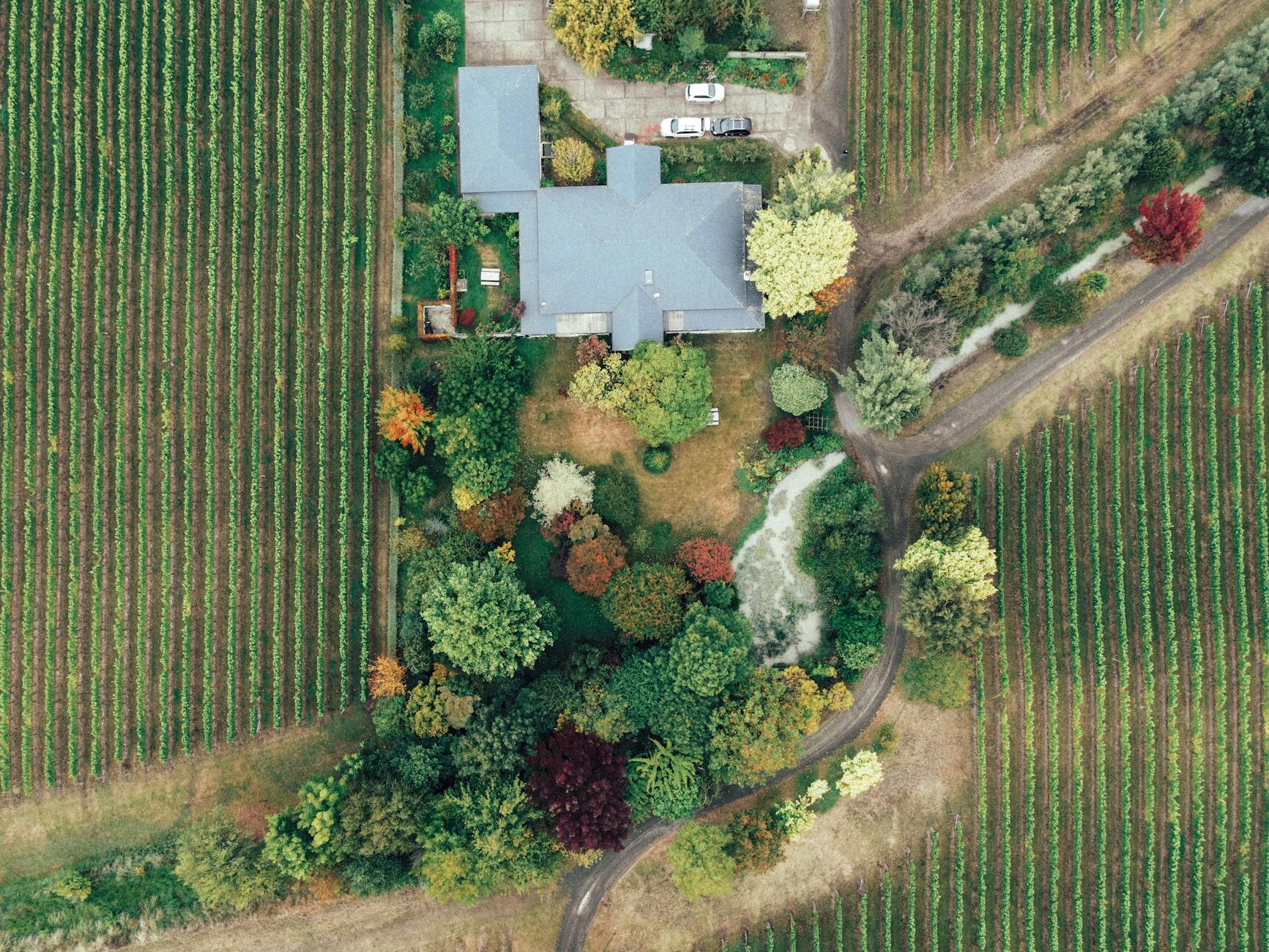
October is when Milan’s tourism math gets quiet. Fashion Week has cleared out, the August evacuees have come back to their kitchens, and the city sits at 11-20°C with the kind of clear, dry air the rest of the year forgets. White truffle season opens. Polenta becomes appropriate again. Restaurants do their best menus, museums are uncrowded, and hotels are €70-100 cheaper per night than they will be in March or June. If I had to pick a single month to recommend to someone with no constraint, it would be October.
The specifics:
- Tourist density: Low. The Last Supper still requires booking weeks ahead (it always does — that’s a capacity issue, not a season issue), but Duomo lines that take 90 minutes in June take 20 minutes in October.
- Hotel pricing: Mid-range four-star hotels in Brera that run €280-340 a night during Fashion Week drop to €180-220 in mid-October. Cheaper still in the second half if you avoid the Salone-adjacent weekends.
- Sunset: 18:45 on October 1, 17:00 on October 27 (after DST ends). Plan rooftop drinks for the first three weeks.
- Rain: It does happen — October averages around 100mm spread over 8-9 days — but it tends to come in defined fronts rather than the slow drizzle of November. Check the forecast Tuesday morning for your weekend and plan around it.
The single best thing about October is walking. Milan is not, contrary to its reputation, a hard city to walk — the center is dense and flat. In October, with the chestnut trees on the Bastioni turning rust and the air dry enough not to wilt you, the navigli-to-Brera walk (about an hour) becomes the best way to spend an afternoon.
What to wear and pack for Milan in autumn
Milanese dress sharply and dark in autumn — black, charcoal, navy, oxblood, camel. You won’t see neon. You won’t see flip-flops. Even in tourist-heavy zones, dressing slightly more formal than you would at home will help you blend in and, more practically, get better restaurant service.
Here’s what actually works for the temperature swing:
- Early September: Same as summer plus one light layer. Linen shirts, light trousers, a thin merino cardigan for evenings. Sneakers fine. One pair of nicer shoes for dinner.
- Late September: Add a trench coat or unstructured blazer. Long pants over shorts. Closed shoes start to make sense.
- October: The transition layers month. A medium-weight jacket (wool blazer, trench, light puffer for the second half), a scarf you can pull off at noon, leather shoes or clean sneakers, jeans or wool trousers. Pack one sweater.
- November: Real winter coat, waterproof shoes, umbrella, gloves on cold mornings.
Two specific items: a compact umbrella (the long ones don’t fit in cafe umbrella stands and you’ll forget it somewhere) and actually comfortable walking shoes that don’t look athletic. Milan is a walking city for tourists — you’ll do 15,000-20,000 steps a day across cobblestones. Pure running shoes mark you as a tourist immediately; loafers wreck your feet by day three. Find something in between.
Top autumn activities in Milan
The cool air opens up a different itinerary than summer does. Specific recommendations, in rough order of how much I’d push them on a first-time visitor:
- Climb the Duomo roof. In July this is a sweat-test. In October it’s perfect — the sun is low enough to actually photograph the spires, the city stretches out clear, and on a north-wind day you can see the Alps. Go in the late afternoon, ideally 90 minutes before sunset.
- Walk the Bastioni di Porta Venezia. The old city walls have been converted into a long park-corridor that connects the public gardens to Porta Nuova. The chestnuts and plane trees turn properly here. Bring a coffee.
- Cimitero Monumentale. Milan’s monumental cemetery is one of the city’s strangest, best museums — sculptures from a century of Italian funerary art, mostly outdoors. Best visited on a cool, clear morning when it’s nearly empty.
- Pinacoteca di Brera. Milan’s main art museum is climate-controlled and crowd-light in autumn. The Raphael Marriage of the Virgin, the Mantegna Lamentation, the Caravaggio Supper at Emmaus — all in one building.
- Hangar Bicocca. Pirelli’s contemporary art space in a converted industrial hangar. Always worth checking what’s on. Fall exhibitions tend to be the year’s largest.
- An aperitivo at golden hour in Brera. The light on Via Madonnina between 17:30 and 18:30 in early October is something the city does only for these four weeks.
Best autumn day trips from Milan
Autumn is the strongest day-trip season Milan has. The lakes are still warm, the wine regions are at harvest, and Piedmont’s truffle hunts open in early October. Three I’d push hardest:
Franciacorta (September vendemmia, October cellars)
Italy’s best sparkling-wine region is 50 minutes east of Milan by train (to Brescia, then a local connection or a pre-arranged driver). In September you can join harvest experiences at many of the smaller producers; in October the cellars are quieter and tastings more relaxed. Bring an empty bag for bottles. Our full Franciacorta from Milan guide has the operator and producer details.
Lake Como (October especially)
Como in July is a parking lot. Como in mid-October is the lake the postcards promise: clear light, the larch trees on the upper slopes turning yellow, ferries running but uncrowded, the villas at Bellagio and Varenna open with discounted entry. The water is still warm enough to swim into the first week of October if you’re brave. Trains from Milano Centrale to Varenna-Esino take an hour.
Piedmont and the Alba truffle fair (October-November)
The Fiera Internazionale del Tartufo Bianco d’Alba runs weekends from early October through early December — the white truffle fair in Alba, in the Langhe hills. Two hours from Milan by train via Asti, or three hours door-to-door with a driver including Barolo-area tastings on the way. This is the single most food-pilgrimage-worthy day trip out of Milan in the entire year.
Honorable mentions
- Bergamo Alta — the upper city, walled, medieval, 50 minutes by train. Best on a clear October day.
- Pavia — the Certosa monastery and a quiet historic center, 32 minutes from Milano Centrale. Truffle restaurants here are excellent and a fraction of Milan prices.
- Mantua — Renaissance gem, 2 hours by train. Lake-fog atmosphere in November is uniquely beautiful if you’re here late.
Where to eat in Milan in autumn: the season of truffle, mushroom, polenta, persimmons
This is the section I most want to write and most want you to read. Milanese food makes sense in autumn the way Sicilian food makes sense in July. Lean into it.
What’s on menus from late September onward:
- Tartufo bianco — white truffle from Alba, shaved tableside, on tajarin pasta or fried egg or risotto. Expensive (€8-15 per gram of truffle, typically 5-10g per dish). Worth every euro at least once.
- Porcini — the king mushroom, grilled, in tagliatelle, in risotto. Mid-September through early November is the prime window.
- Castagne — chestnuts roasted on street braziers from late October. The smell is half of autumn in Milan.
- Cachi — persimmons. Italian markets explode with them in October. Eat one when it’s so ripe it’s almost liquid.
- Zucca — pumpkin. Mantovana ravioli with pumpkin filling are a Lombard staple this time of year.
- Polenta — finally appropriate again. Often served with braised meats or mushrooms. Cassoeula (the pork-and-cabbage stew) arrives on menus around mid-October.
- Vendemmia tardiva wines and the new vintage Franciacorta releases.
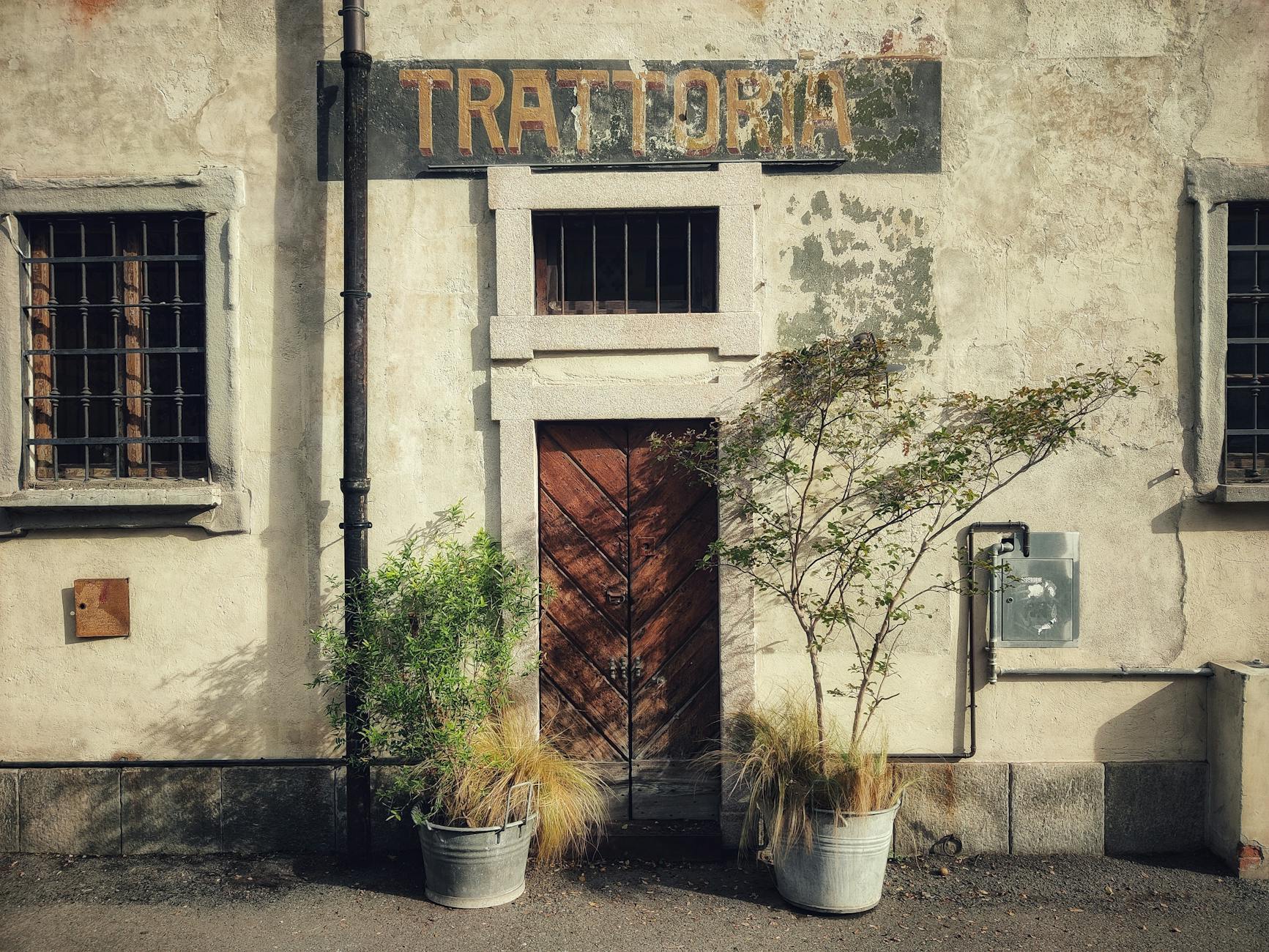
For specific restaurants — by neighborhood, by price level, with autumn-specific picks — see our broader Milan food guide. A few quick autumn-only recommendations: any of the traditional trattorie in the Navigli or Brera that announce a “menu autunnale,” any restaurant explicitly listing tartufo bianco d’Alba as a daily special, and the historic panettonerie which start producing the first artisanal panettoni from late October for the Christmas season — buying one early, before they’re picked over, is worth doing.
Autumn events: MITO, Triennale, Fashion Week, Wine Week
Milan stacks its event calendar heavily into September and October. The major ones:
- MITO SettembreMusica (early to mid September) — three weeks of classical music concerts across Milan and Turin. Many free or low-cost. Programs lean serious but accessible.
- Milan Fashion Week SS (late September) — covered above.
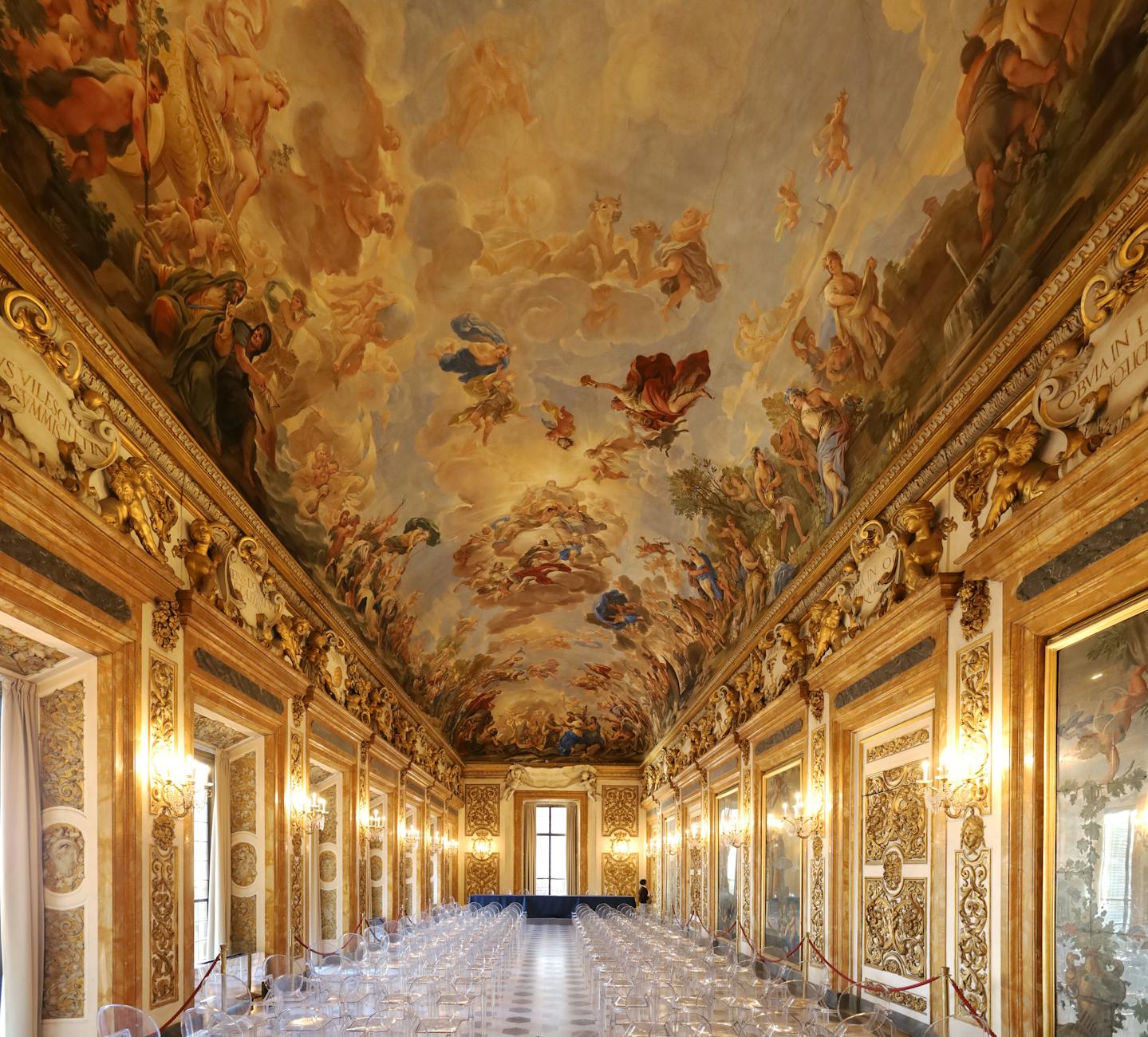
- FAI Giornate d’Autunno (mid October) — the Italian National Trust opens normally-closed palazzi, churches, gardens, and private collections for two weekends. Genuinely one of the most rewarding things to plan a trip around. Tickets are cheap.
- Milano Wine Week (early to mid October) — tastings, masterclasses, restaurant tie-ins across the city. Programming overlaps usefully with FAI weekends.
- Triennale fall exhibitions — the Triennale di Milano (the design museum) launches its main fall shows in late September. Always worth a half-day.
- BookCity Milano (mid November) — Milan’s main literary festival. If you read Italian or like to attend events in translation, it’s the best four days of the cultural year.
For dates and the full year, see our Milan events and festivals calendar.
Practical tips for autumn travel in Milan
The smaller stuff that’s easy to miss:
- Avoid Fashion Week unless you want it. The last week of September is a hotel-rate spike that ripples for two days on either side. If your travel dates are flexible by even three days, shift earlier into September or wait until the first week of October.
- Plan around daylight saving. Italy switches off DST on the last Sunday of October. The Monday after, sunset is suddenly at 17:00. Front-load your sightseeing in the morning that week.
- Book the Last Supper now. Tickets for Leonardo’s Cenacolo Vinciano go live three months ahead and sell out fast. Autumn is not less competitive on this — it’s the same booking pressure year-round.
- Layer for the metro. The ATM metro runs warm. You’ll spend half your day stripping off and putting back on the scarf. A small bag for the layer matters more than you’d think.
- Bring a reusable umbrella. The €8 ones from street vendors break in the first gust. October has real rain.
- Pollen is gone, smog isn’t. Po Valley smog builds up in still autumn weather. If you have lung sensitivity, check the air quality index — Milan has bad days in October and November when there’s no wind.
- Restaurants book up earlier than tourists expect. The Milanese eat out a lot in autumn. Friday and Saturday dinners at any noteworthy place need 7-10 days notice.
- The big museums close on different days. Pinacoteca di Brera is closed Mondays; the Cenacolo is closed Mondays; the Museo del Novecento is closed Tuesdays. Build your week with these in mind.
- Tip culture is light. Round up or leave a few euros on a nice meal. Service is included by law. Don’t tip 20%.
FAQ: Milan in autumn
Is Milan worth visiting in autumn?
Yes, more than in summer. October specifically is the city’s best month for a first-time visitor — mild weather, low crowds, full restaurant operation, peak truffle and mushroom season, and hotel prices 20-30% below spring peak.
What’s the weather like in Milan in September and October?
September runs 14-26°C across the month (warmer at the start, cooler at the end), with low rainfall. October runs 9-20°C with moderate rainfall — historically the wettest month of autumn but generally in defined fronts rather than constant drizzle. November is colder and substantially wetter.
When is Milan Fashion Week in autumn?
The Spring/Summer women’s shows run the last full working week of September — typically September 22-29 depending on the year. Hotel prices double, the fashion district is closed off, and dining near the center becomes difficult. If you’re not in the industry, plan around it.
Is October a good month to visit Lake Como from Milan?
Excellent. Mid-October specifically — crowds have cleared, ferries still run on the high-season schedule until October 25 or so, villa gardens are open at reduced prices, and the foliage on the upper slopes is at peak. The lake itself is too cold to swim by then, but everything else is at its best.
What should I pack for Milan in October?
Transition-layer clothing: a wool blazer or trench coat, two sweaters, long trousers, comfortable closed shoes (not running shoes), a compact umbrella, a scarf. Skip shorts. The Milanese dress dark and well — you’ll feel out of place in beachwear.
Is truffle season worth planning a Milan trip around?
Yes, if you’re a serious food traveler. White truffle from Alba is on Milan menus from early October through early December. A day trip to the Alba truffle fair from mid-October on combines well with Barolo wine tastings and is, for many visitors, the single best day they spend in Italy.
Final thoughts
Most people pick Milan dates based on what’s convenient — flight prices, work calendars, school holidays. If you can pick freely, pick October. It’s the month the city is most itself: working, eating, dressing well, lit by low sun and not yet swallowed by fog. The trade-off — shorter days, occasional rain, the need for a real coat — is genuinely small.
If your dates are fixed and they fall in September: skip the last week (Fashion Week) unless you’re going for it. If they fall in November: build your itinerary around museums and meals rather than walking and squares. And if you have any flexibility at all, aim for the first two weeks of October. That’s the answer.
For more on how autumn compares to other seasons, jump to our best time to visit Milan overview or the season-specific summer and winter guides. For day-by-day weather expectations, the month-by-month breakdown goes deeper than this guide does.