If you want a working Milan events calendar 2026 — one that tells you which weeks the city quintuples hotel prices, which Wednesday in May the vintage cars roar past your hotel, and why a Saturday in late February still counts as Carnival here — this is the guide I wish I’d had the first ten times I planned a trip. Milan runs on a calendar most travelers don’t see until they’re checking out of a hotel that suddenly costs 580 EUR a night. The two genuine global events are Salone del Mobile in mid-April (the design fair plus the Fuorisalone — roughly 1,500 venues opening studios for one week) and Milan Fashion Week (twice a year for women’s ready-to-wear, twice for men’s). During those weeks the city is full, restaurants need bookings made a month out, and the design crowd takes over Brera. Then there’s the local layer — Sant’Ambrogio on December 7, the Carnevale Ambrosiano that runs a week later than the rest of Italy, the Mille Miglia that thunders through town on a Wednesday in June. Most travel guides bury these. They shouldn’t.
This is the month-by-month version: what’s on, what to book early for, what to avoid, and what’s recurring. I’ve lived through every one of these months in Milan and I’ll tell you which are quiet and which will eat your budget alive. Dates for 2026 are confirmed; 2027 dates I’ve estimated from the recurring pattern and the official festival cycles where 2027 hasn’t been announced yet.
Why event timing matters in Milan
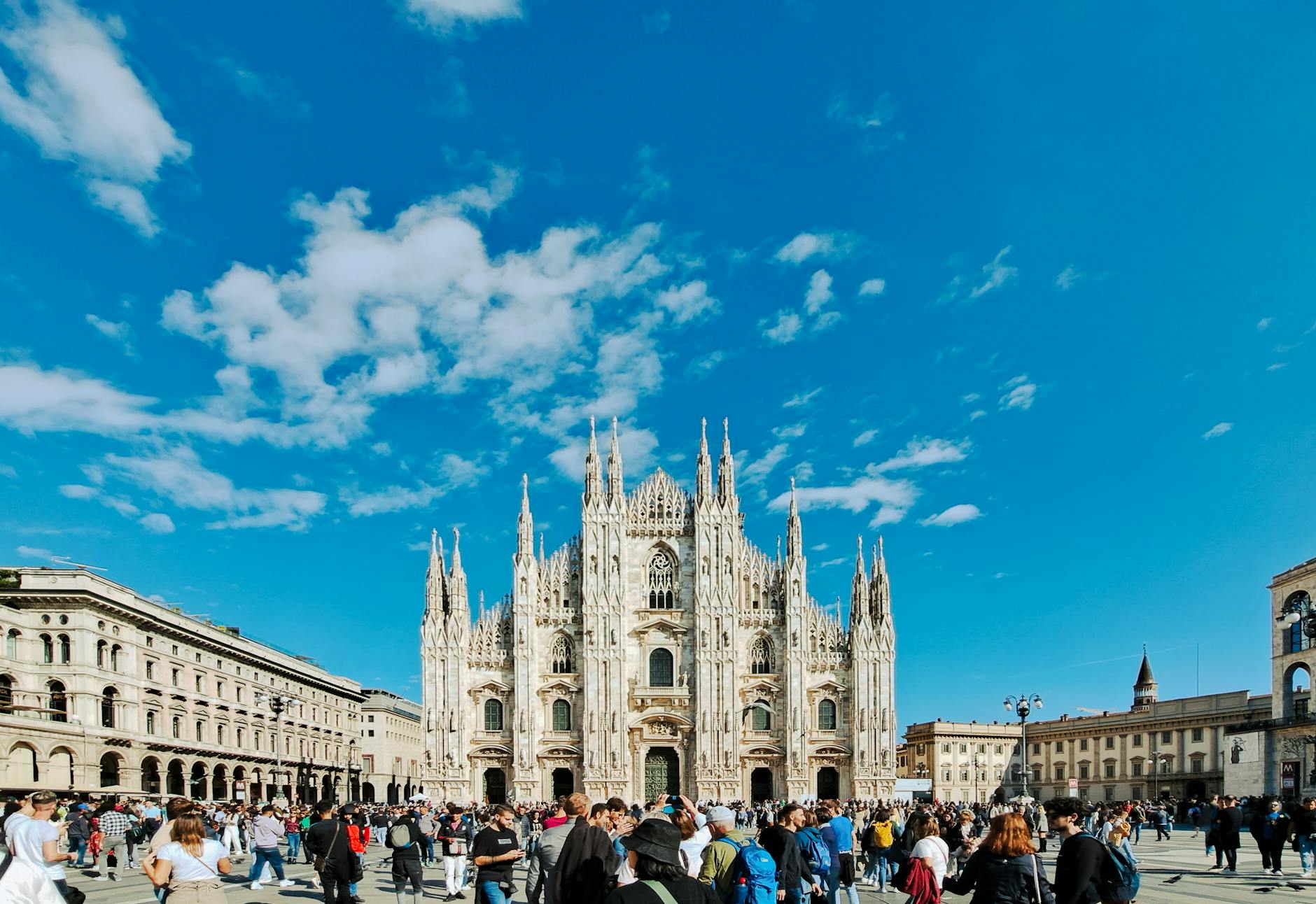
Milan isn’t Rome or Florence. The tourist-volume curve here is driven less by season and more by the trade-fair calendar — and three or four weeks a year, the city operates at a different price tier entirely. During Salone del Mobile (April 21-26 in 2026) and the women’s September fashion shows (September 22-28, 2026), a three-star hotel that lists at 140 EUR a night runs 380-500 EUR. Four-stars routinely break 700 EUR. Airbnb listings near Brera and Tortona vanish four months out. Restaurants in the design districts won’t seat walk-ins — and many won’t take a reservation under two people, or under two weeks’ notice.
The flip side: in August, much of the city closes, hotel prices fall, and you can wander Brera at 11pm with empty streets. Mid-November and mid-January are also genuine bargains. If you’re booking flexible dates, the calendar is the single biggest lever on what your trip costs and how it feels. See my best time to visit Milan guide for the seasonal logic — this article is the event-by-event version of the same question.
Transit-wise, the only events that meaningfully disrupt metro and bus service are the Milan Marathon (one Sunday morning in April), the Mille Miglia passage (one evening in June), and a handful of Saint’s Day processions. Football matches at San Siro snarl Lotto and the M5 line for two hours either side. Otherwise the city absorbs events well — the chaos is in the hotel pricing, not the streets.
The biggest events to know about
If you only remember five things, remember these.
- Salone del Mobile + Fuorisalone (April 21-26, 2026) — the global design fair. The trade fair runs at Fiera Milano Rho; the Fuorisalone is the unofficial citywide festival of studio openings, installations, and parties. This is the most expensive, most crowded, most exhilarating week of the year. Book hotels six months out, restaurants two months out.
- Milan Fashion Week — four times a year. In 2026: Men’s FW January 16-20, Women’s FW February 24-March 2, Men’s SS June 19-23, Women’s SS September 22-28. The September women’s edition is the loudest. See my Milan Fashion Week guide for which streets close and where the parties leak into.
- La Scala opening night — December 7. The Prima della Scala is the social event of the Italian year, paired with Sant’Ambrogio (Milan’s patron saint). The 2026 opener is Verdi’s Otello. Tickets for the premiere are essentially impossible — but normal performances all season are bookable. See my La Scala guide.
- Sant’Ambrogio + Oh Bej! Oh Bej! (December 7-10, 2026) — patron saint’s day, public holiday in Milan, and the start of the Christmas market season. The Oh Bej! Oh Bej! market at Castello Sforzesco is the oldest and best one in town.
- Capodanno (New Year’s Eve) — Piazza del Duomo hosts a free concert and countdown. Cold, crowded, brilliant if you dress for it. Full breakdown in my Christmas and New Year guide.
Now the month-by-month.
January — saldi, Men’s Fashion Week, Epiphany
January is a strange month here. The first week is quiet — Capodanno hangovers, then Epiphany on January 6 (a national holiday, almost everything closed). Then on Saturday January 3, the saldi invernali — Italy’s official winter sales — begin and run for 60 days. This is the only time of year you can buy serious Italian fashion at 30-50% off, and Milan’s the best city in Italy to do it. The first weekend is chaos; come Tuesday or Wednesday of week two if you actually want to shop.
Then comes Men’s Fashion Week (January 16-20, 2026). It’s smaller and weirder than the women’s editions — fewer celebrities, more buyers, the streets around Via Tortona and Via Savona heaving with showrooms. Hotels spike but not as badly as June or September.
Weather is cold (3-8°C), often foggy. The Christmas tree comes down from Piazza del Duomo around January 7. La Scala continues its season — most weeknights have performances, and tickets in the loggia loggione for 15-20 EUR are achievable if you book a month out. See Milan in winter.
February — Carnevale Ambrosiano, Milano Music Week
The Italian Carnival peaks on Shrove Tuesday — except in Milan, where the Carnevale Ambrosiano follows the Ambrosian rite and ends on the Saturday after. In 2026, while the rest of Italy went quiet on Ash Wednesday February 18, Milan kept going until Sabato Grasso on February 21. The peak is the Saturday parade through the city center — kids in costume, confetti by the kilo, fritters called chiacchiere sold from every pasticceria. It’s local, family, charming. Not a tourist event, but worth catching if you’re in town.
Then Women’s Fashion Week (February 24 – March 2, 2026) for the Fall/Winter collections. This is the second-biggest of Milan’s four fashion weeks. Brera and the design district are taken over; restaurants near Via Manzoni get impossible. My Milan during Fashion Week guide explains exactly which streets to avoid and which neighborhoods stay normal.
Milano Music Week typically runs in late November in Milan now (it moved from February some years back), so don’t expect a music festival this month. February’s strength is operatic — La Scala is in full season — and culinary, since most restaurants have full availability and winter menus are at their peak.
Milan’s carnival ends four days after everyone else’s, for reasons dating to the fourth century — the full explanation is in Milan in February.
March — MICAM, MIPEL, BookCity tail
March in Milan is trade-show season for the fashion industry’s accessories tier. MICAM (footwear) and MIPEL (leather goods) bring 30,000-40,000 buyers to the Fiera, but unlike Salone, they don’t take over the city center — most attendees stay near Rho and disappear by night. You’ll notice slightly higher hotel prices but no real disruption.
Easter sometimes falls in late March. In 2026, Easter Sunday is April 5 — so March is clean. The weather turns: by mid-month, 14-18°C afternoons, light coats. The first aperitivo tables come back out on Naviglio Grande. Public parks fill on weekends. This is one of the best value months to visit. See Milan in spring for the full spring framing.
Recurring monthly events worth catching in March: the Mercatone dell’Antiquariato on Naviglio Grande on the last Sunday (March 29, 2026) — 380+ antique dealers along 2 km of canal, runs from sunrise to dusk.
April — Salone del Mobile + Fuorisalone, the biggest week of the year
The April calendar is dominated by one week and one weekend. Salone del Mobile + Milan Design Week / Fuorisalone runs April 21-26, 2026. The numbers: 1,900+ exhibitors at the Fiera, 169,000 m² of stands, 300,000+ visitors. The Fuorisalone — the unofficial sister festival spread across the city — adds another 1,500 venues, mostly concentrated in five districts: Brera Design District, Tortona, 5Vie, Isola, and Porta Venezia. Studios open to the public. Brands take over courtyards. The entire design profession is in town.
If you’re a designer, architect, or just design-curious, this is the single best week to be in Milan all year. If you’re none of those things and just want to see the Duomo, this is the week to avoid. Hotels are at peak — 250-700 EUR a night for 3-stars, 800-1,500 EUR for 4-stars near Brera. Restaurants are booked out. The city pulses but it doesn’t sleep.
Earlier in the month: Milano Marathon, Sunday April 12, 2026. Start at Corso Sempione 8:15am, finish at Piazza del Duomo. Course closures affect the M1 line briefly and several central streets till 2pm. 15,000 runners, 70% from abroad. Easter Monday (April 6, 2026) is a public holiday — museums open with longer queues, restaurants packed for pasquetta lunches.
April 25 is Liberation Day — public holiday, banks closed, but most museums and restaurants open. It also falls inside Salone in 2026, which amplifies the chaos.
April belongs to design: for six days the whole city becomes an exhibition. Our Milan Design Week guide covers the Salone, the free Fuorisalone and how to plan around both.
The furniture fair at Rho anchors the whole of Design Week in April — our Salone del Mobile guide has the dates, the public days and the ticketing.
May — Pianocity, the design afterglow, museums
May is recovery month — Milan exhales after Salone. The weather is at its kindest (16-23°C, long evenings, occasional dramatic thunderstorms). Hotel prices reset to mid-range.
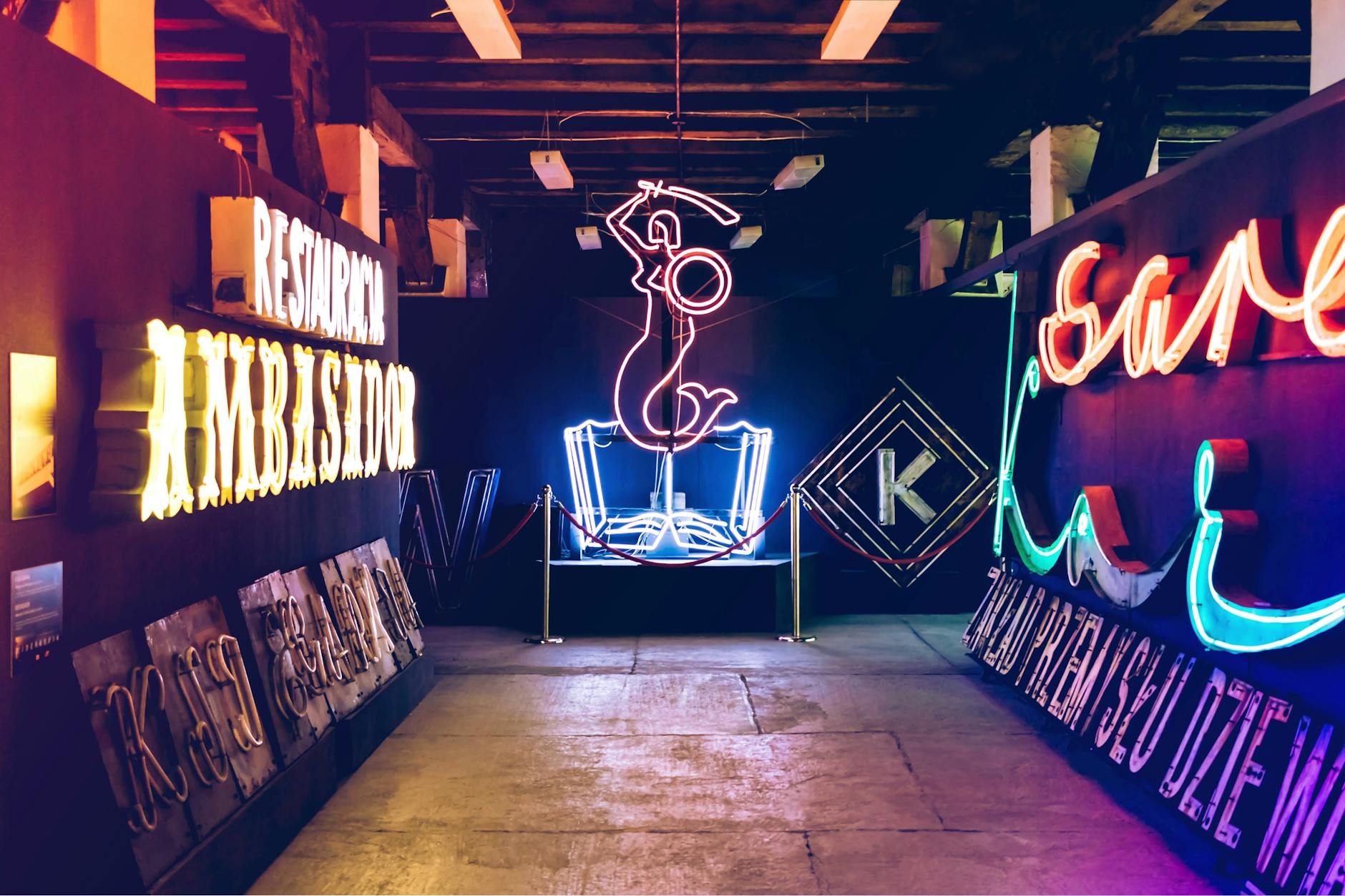
The headline event: Piano City Milano, May 15-17, 2026. Over 250 piano concerts in 140 venues across the city — courtyards, churches, parks, private apartments. Almost all free, no reservation needed for most. The festival’s heart is the GAM (Galleria d’Arte Moderna) gardens with non-stop music for three days. If you’re in Milan that weekend, drift between concerts. It’s one of the loveliest things this city does.
Note: Mille Miglia, which used to fall in May, has moved to June (June 9-13, 2026) — see next section.
Other May events: Orticola garden fair at Giardini Indro Montanelli (usually second weekend of May), the Mercatone on Naviglio Grande’s last Sunday (May 31, 2026), and the start of outdoor aperitivo season in earnest. Football season ends late May — Serie A’s final matchday is typically the third or fourth Sunday. See Milan in spring.
June — Mille Miglia, summer kicks off, Naviglio nights
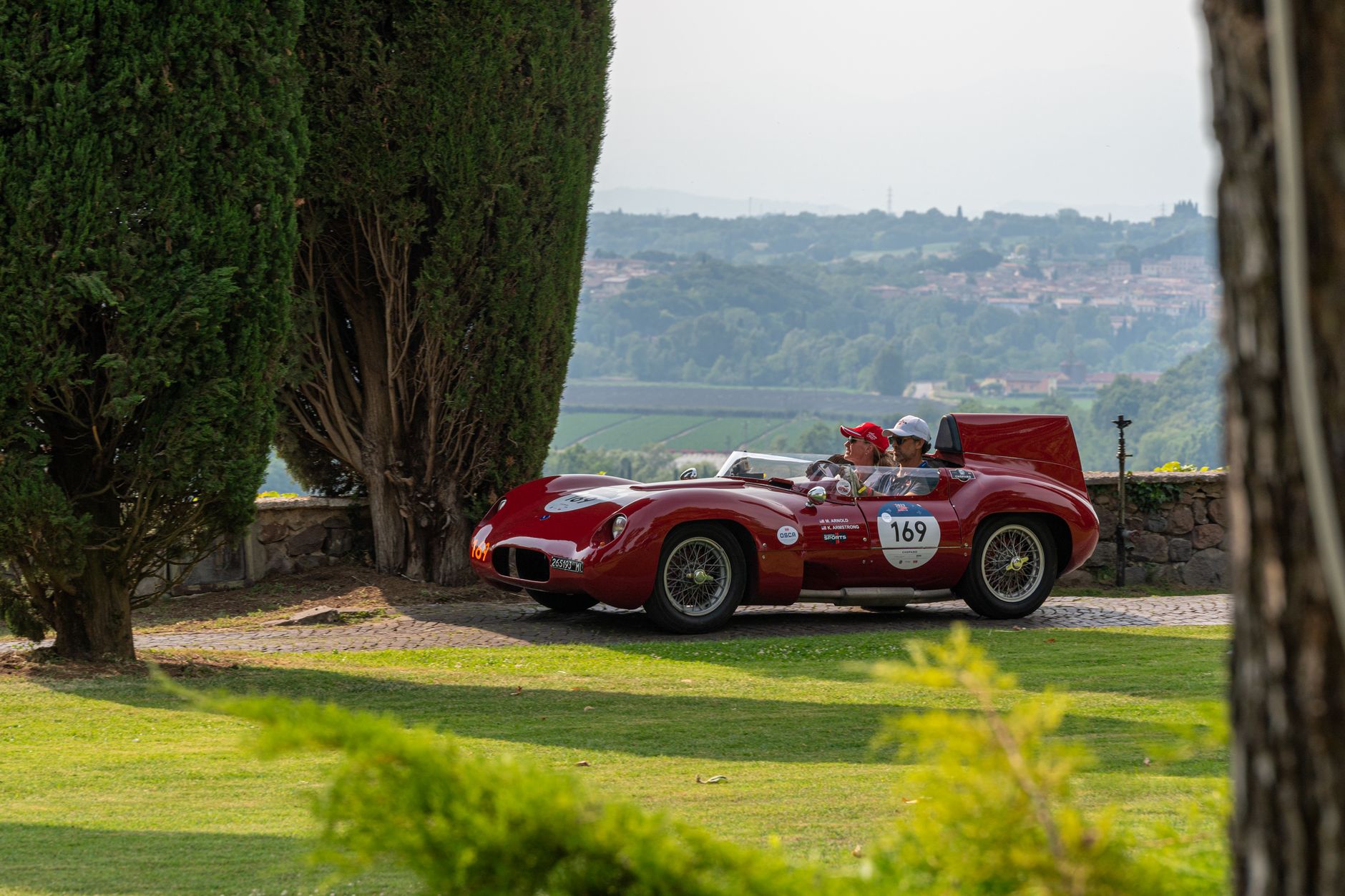
June opens with the Mille Miglia (June 9-13, 2026). The race starts and ends in Brescia, but the route passes through Milan on its return leg — typically a Saturday evening, with 400+ pre-1957 classic cars rolling past Piazza del Duomo and Castello Sforzesco between 5pm and midnight. It’s free, it’s loud, it’s wonderful. Pick a spot along the route by 4pm, bring a drink, settle in.
Then Men’s Fashion Week Spring/Summer (June 19-23, 2026). Smaller hotel impact than Salone or September women’s, but Brera and Porta Venezia feel the squeeze.
Italy’s Republic Day, June 2, is a national holiday. The Estate Sforzesca summer festival typically launches in late June — open-air cinema, concerts, and theater at Castello Sforzesco running through August. Naviglio Grande’s aperitivo scene hits peak intensity from mid-June; expect crowds along the canal every weekend. See Milan in summer.
July — Estate Sforzesca, outdoor everything
July is hot (28-33°C, humid by Italian standards). The locals start to leave. The city becomes more outdoor-oriented: Estate Sforzesca runs all month at Castello Sforzesco — outdoor cinema screenings on most nights at 9:30pm, concerts and theater interspersed. Tickets 5-15 EUR typically.
The AriAnteo open-air cinema circuit runs across three or four venues citywide. Milano è Viva is the umbrella branding for the council’s summer cultural program — pop-up performances, outdoor exhibitions, free concerts in unexpected places. Check the YesMilano events calendar for the week you’re visiting.
July museum traffic is genuinely low. If you’ve been waiting to see The Last Supper or visit the Pinacoteca di Brera without a crowd, this is the month. Many restaurants close for two weeks, usually mid-July to early August — book ahead or scout in advance.
August — Ferragosto, the quiet city
Ferragosto (August 15) is the high point of Italy’s national holiday — and the bottom of Milan’s annual energy curve. The week either side of August 15 is when the city most fully empties. Whole streets of restaurants, bars, dry cleaners, and bakeries close with “Chiuso per ferie” signs. The metro runs, museums are open, the Duomo is busy with tourists — but neighborhoods like Isola and Porta Venezia go strange and silent.
Hotels drop to their annual lows in August — sometimes 40-50% off Salone-week pricing. If you want quiet Milan, calm aperitivi, no queues at the Cenacolo Vinciano, August is the answer. If you want the energetic city, skip it.
The football season resumes mid-month: Serie A’s first matchday is usually August 22-23 (the 2026/27 season opener falls August 22-23, 2026). Champions League returns mid-September.
September — Women’s Fashion Week, MITO, Triennale fall opening
September is the city’s reawakening — and its second-most-expensive month. Women’s Fashion Week Spring/Summer 2027 runs September 22-28, 2026. This is the bigger of the two women’s editions: more buyers, more celebrities, more press. Hotel prices match or exceed Salone. If you’re a fashion person, this is your week. If you’re not, dodge it. My Milan during Fashion Week piece covers which neighborhoods stay sane.
Meanwhile, MITO SettembreMusica — the joint Milan-Turin classical music festival, now in its 20th edition — runs across three weeks in September with 60+ concerts in Milan alone, at venues from the Conservatorio to suburban churches. Tickets 5-25 EUR, many free. It’s the city’s most concentrated classical music event and one of the best calendar additions if you’re visiting in September.
The Triennale Milano kicks off its autumn exhibition season around mid-September. The Fondazione Prada launches new shows. Football resumes in earnest. The weather is glorious — 18-26°C, blue skies, gold light. See Milan in autumn.
Early September belongs to Monza: the Italian Grand Prix fills the trains north and half the hotels in Milan. Our Italian Grand Prix at Monza guide has the dates and the ticket routes.
October — Milano Wine Week, design follow-ups, Festival of Lights
Milano Wine Week runs October 17-25, 2026 — its ninth edition. Tastings, masterclasses, dinners, and pop-ups across 100+ wine bars and restaurants, with a heavy focus on Italian producers but increasingly international scope. The “One Wine Night” — a single evening where 200+ venues offer wine flights for a flat ticket — is the headline. If you like wine and you like Milan, this week is purpose-built for you.
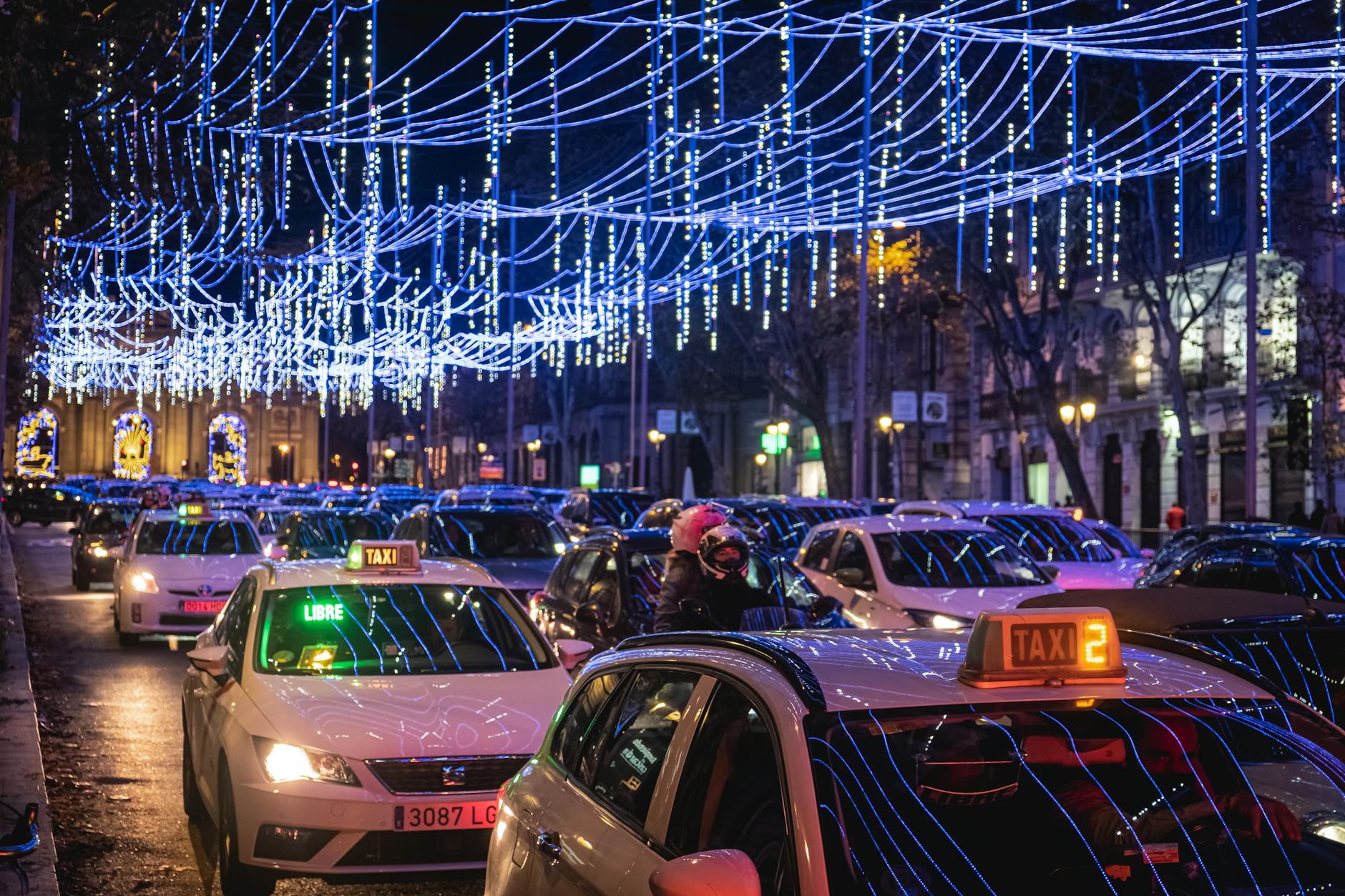
The Festival of Lights illuminations begin in mid-October as the city prepares for Christmas — Via Montenapoleone, Via della Spiga, Piazza del Duomo, all wired up by late October. The official switch-on for Christmas lights is usually a Saturday in early-to-mid November.
Halloween isn’t a major Italian holiday but Milan has embraced it more than most Italian cities — expect themed nights at clubs and a few costume events around October 31. Football and Champions League are in mid-season; expect home matches every other weekend. The weather is mild-to-cool (12-19°C), increasingly damp.
Autumn is the busiest stretch of the cultural calendar, and most of it lands in one month: see Milan in October for JazzMi, Milano Wine Week and the Giornate FAI d’Autunno.
November — BookCity, Artissima, Christmas prep
BookCity Milano runs November 23-29, 2026 — its 15th edition, this year themed “Il senno sulla Luna” (after Ariosto’s Orlando Furioso). 1,400+ events in 280+ venues across the week — author talks, readings, debates, kids’ events. Most free, most in Italian, some with English-language tracks. It’s the city’s biggest literary event and a wonderful reason to be in Milan in late November.
Artissima (the contemporary art fair) is in Turin but draws the Milan art crowd; expect parties and openings spilling back into Milan that weekend. The Christmas market season opens in stages — most markets begin in late November, the big ones don’t open until December 7.
November is the city’s quietest month for tourists outside of the BookCity week. Hotel prices are at their annual low alongside August. The weather is wet and cold (4-11°C) but the museums are empty and the restaurants are happy to see you. A genuinely underrated month.
December — Sant’Ambrogio, Oh Bej Oh Bej, La Scala, Capodanno
December is the city’s most concentrated month for events. The headline sequence runs December 7-10:
- December 7 — Sant’Ambrogio. Milan’s patron saint’s day, public holiday in the city (but not the rest of Italy). Mass at the Basilica di Sant’Ambrogio, citywide closures of offices and schools.
- December 7 — La Scala opening night (Prima della Scala). The 2026 season opener is Verdi’s Otello. Black tie, political dignitaries, broadcast on RAI live. Tickets for the premiere itself are essentially impossible — most are pre-allocated to sponsors, and the public few that go on sale reach 2,500 EUR. Subsequent performances all season are bookable normally at 30-300 EUR.
- December 7-10 — Oh Bej! Oh Bej! Christmas market at Castello Sforzesco. The oldest market in the city, four days of food stalls, crafts, antiques, and torrone. Open 9am-9pm. Free.
The Christmas markets at Duomo and Navigli run from late November through January 6. The Galleria Vittorio Emanuele gets its tree and lights up around November 25. The annual lighting of the central Christmas tree at Piazza del Duomo is the symbolic start, usually December 5-7.
Then comes Capodanno (December 31). Piazza del Duomo hosts a free concert and countdown — typically 60,000-90,000 people, headline acts on stage from 9pm. Free. Cold (around 2-6°C, usually clear). Restaurants offer fixed-price cenone menus at 80-200 EUR per person; book by mid-November. My Christmas and New Year guide has the full breakdown.
December 8 (Immaculate Conception) is a national holiday — three days after Sant’Ambrogio creates a long weekend most Milanese take as a mini-break. Hotels are full this weekend specifically, though prices don’t spike like Salone.
San Siro football season schedule (August-May)
Milan has two Serie A clubs sharing the same stadium — AC Milan and Inter Milan — meaning San Siro hosts roughly one home match per weekend across the season, sometimes two if both clubs play at home. The 2026/27 Serie A season runs from approximately August 22, 2026 through late May 2027, plus Champions League midweek matches from mid-September through May.
Serie A runs from mid-August to late May and fills most weekends at San Siro — our football in Milan guide covers fixtures, tickets and matchdays.
Inter’s home fixtures fill much of the calendar between August and May — see our Inter Milan tickets guide for sales phases and prices.
The derby della Madonnina — AC Milan versus Inter — happens twice per Serie A season, typically once before Christmas and once in the spring. Tickets are gone within hours of release; expect resale prices of 200-600 EUR. Regular matches start at 25-30 EUR for the curve sections; mid-tier seats 60-150 EUR.
Two dates on the Milan calendar close the whole city around a television set: the derby fixtures at San Siro. Our Derby della Madonnina guide has the 2026–27 dates and the realistic routes to a ticket.
The metro M5 line (lilac) goes directly to San Siro Stadio. Expect crowds 90 minutes before kickoff and severe congestion for 60 minutes after. See my San Siro stadium tour guide if you want to visit without attending a match.
Recurring weekly and monthly events
Beyond the headline calendar, Milan has a constant low-level rhythm of recurring events worth slotting into a trip.
- Mercatone dell’Antiquariato — last Sunday of every month except July and August. 380+ antique stalls along Naviglio Grande from sunrise to sunset. The single best browsing day in Milan.
- Brera street market — Mondays and Thursdays mornings on Via San Marco. Smaller, more food-oriented.
- Fiera di Sinigaglia — every Saturday on Darsena, near the Naviglio. Vintage clothing, vinyl, books, oddments.
- Mercato Comunale di Wagner — covered food market open Tuesday-Saturday, all year. Best Friday morning.
- Free first-Sunday museum entry — most of Milan’s civic museums (Castello Sforzesco, Museo del Novecento, GAM, Pinacoteca di Brera, etc.) are free first Sunday of the month. Expect queues by 11am.
- Aperitivo — not an event but a daily rhythm. 6:30-9pm at thousands of bars across the city. Generous cocktails come with substantial food buffets included.
How to plan around events — booking lead times
The simple rule: hotel prices in Milan are governed almost entirely by trade-fair occupancy. Book this far ahead for these windows:
- Salone del Mobile (April 21-26, 2026): book hotels by November 2025 for any chance at reasonable rates. By February, expect to pay double. Restaurants — book one to two months out for design-district venues.
- Women’s Fashion Week September (September 22-28, 2026): book hotels by June 2026. Brera and Quadrilatero restaurants book out three weeks ahead.
- Women’s Fashion Week February (February 24 – March 2, 2026): book hotels by November 2025. Slightly easier than September.
- Men’s Fashion Weeks (January and June): book hotels six weeks ahead. Restaurants two weeks ahead.
- La Scala season nights (October-July): book main-floor seats two months ahead, loggione (top gallery) often available a week out.
- La Scala opening night (December 7): not realistically bookable for the general public.
- Mille Miglia passage (June): no booking needed for spectating. Hotels get tight for that Saturday night.
- BookCity (November 23-29, 2026): events themselves are mostly free; hotels are mid-range.
- Capodanno (December 31): book restaurants by early November; the central piazza event itself is free.
- Football derby: tickets within hours of release. Mid-season normal matches, two weeks ahead.
If you’re flexible: target November, early-to-mid March, late May, late July, or the first half of December (before Sant’Ambrogio) for the best price-to-experience ratio.
FAQ
What is the biggest event in Milan each year?
Salone del Mobile and its sister Fuorisalone festival in mid-April. It’s the global furniture and design industry’s central week and brings more than 300,000 visitors to a city that already gets a lot of them. April 21-26 in 2026.
When is Milan Fashion Week in 2026?
Four times: Men’s January 16-20, 2026 (Fall/Winter 2026-27 collections); Women’s February 24 – March 2, 2026 (Fall/Winter 2026-27); Men’s June 19-23, 2026 (Spring/Summer 2027); Women’s September 22-28, 2026 (Spring/Summer 2027). The September edition is the most prominent.
Why does Milan’s Carnival end on a Saturday instead of Tuesday?
Milan follows the Ambrosian rite — a distinct Catholic liturgical tradition named after Saint Ambrose (Sant’Ambrogio), Milan’s patron saint. Under this rite, Lent begins on a different day, and the Carnival therefore runs four days longer than the rest of Italy’s. In 2026, while most of Italy ended Carnival on Tuesday February 17, Milan kept going until Sabato Grasso February 21.
Can I get tickets to La Scala’s opening night?
Realistically no — almost all tickets are pre-allocated to sponsors, institutional partners, and donors. The handful of public seats that go on sale reach prices of 2,500 EUR and sell within minutes. But La Scala has 150+ performances per season — book any of the other dates and you’ll have a transcendent experience for 30-300 EUR. The loggione (top gallery) sells same-day for 15-20 EUR.
When is the quietest time to visit Milan?
August (especially the second and third weeks, around Ferragosto) is the most genuinely empty. November is the runner-up — cold and damp but uncrowded and well-priced. Both have their charms; August feels off-season-Mediterranean-empty, November feels working-city-quiet.
How early should I book a hotel for Salone del Mobile?
By November or December the year before. By February, mid-range hotels are routinely sold out and what remains is at 2-3x normal rates. By March, you’re looking at airport-area hotels or staying in Bergamo and commuting.
Final thoughts
The thing nobody tells you about Milan is that the calendar is the city. Rome lives off ruins, Venice lives off water, Florence lives off the Renaissance — Milan lives off what’s happening this week. The fair, the fashion show, the opening, the derby, the design installation in a Brera courtyard you weren’t expecting. If you arrive on a random Tuesday in late October with no plan, the city will still hand you three things you didn’t know existed.
But if you plan around the calendar — if you know to dodge Salone or to embrace it, to land on the third Sunday of the month for the Naviglio antiques fair, to book a La Scala loggione seat the moment you decide on dates — you get a fundamentally different city. The locals run their lives by this calendar. Now you can too.
For the seasonal companion pieces, see Milan in spring, Milan in summer, Milan in autumn, and Milan in winter. For the headline events, my dedicated guides cover Milan Fashion Week, La Scala, and Christmas and New Year in depth. And if you want the strategic overview of which months suit which traveler, my best time to visit Milan guide is the place to start.
Pick your week. Book the hotel. The Milan events calendar is the city’s invisible architecture — once you can read it, you stop being a tourist here.