The Milan 2026 Olympics are done. The Milan-Cortina 2026 Winter Olympics opened on February 6, 2026 at Stadio Giuseppe Meazza (San Siro) and closed on February 22 with a ceremony in Verona’s Roman arena. Then the Paralympics ran from March 6 to 15. What’s interesting for travelers visiting Milan now, in mid-2026 and beyond, is what stayed. The new PalaItalia Santa Giulia arena is in regular use as a concert venue. The Olympic Village in Porta Romana is now student housing for about 1,700 residents. The metro runs later into the night on weekends — a holdover habit from the Games. The renovated walkways at Stazione Centrale and Rogoredo are permanent. And a small set of venues are doing guided tours of the spaces that hosted ice hockey, speed skating, and the opening ceremony.
If you have a soft spot for Olympic history, this is the rare year when you can still smell the paint on the new stuff. I’ve spent the last three months wandering through these venues, talking to baristas in Santa Giulia who still complain about the February crowds, and watching the Bocconi students move into their new dorms. This guide pulls together what happened, what changed, and what you can actually visit. Think of it less as a sports recap and more as a travel guide to a city that just hosted the world and is still figuring out which parts of that experience to keep.
The 2026 Winter Olympics in brief — what happened
The Milano Cortina Games were the first Winter Olympics spread across an entire region rather than a single host city. Events ran from Milan in the west, through Bormio and the Valtellina in the central Alps, up to Cortina d’Ampezzo and the Dolomites in the east, with biathlon at Anterselva and ski jumping at Predazzo. Seventeen days of competition, 116 medal events across 16 disciplines, 2,900-odd athletes from 92 National Olympic Committees. The Italian organizing committee leaned hard on existing venues — about 85% of the competition sites were either pre-existing or temporary — which is a big part of why Milan looks largely the same as it did in 2024, just with a handful of new arenas and some refreshed infrastructure.
Norway topped the medal table for the second straight Winter Games, finishing with 41 medals (18 gold, 12 silver, 11 bronze) and breaking their own all-time Winter Olympics record. The United States came second with 33. The Netherlands took third by gold count with 10 — most of them, predictably, on the speed skating oval. Italy, the host, finished fourth in total medals (30) but tied with the Dutch on golds at 10, the country’s best Winter Olympics performance ever. Cross-country skiing star Federica Brignone, biathlete Lisa Vittozzi, and the Italian men’s curling team all became household names overnight. If you walk around Milan now, you’ll still see Italian flags on apartment balconies that have been up since February.
The closing ceremony in Verona’s Arena di Verona — the 2,000-year-old Roman amphitheater — was the moment Milan handed the flag to French Alps 2030. The Paralympics followed two weeks later. By late March the city was quiet again, the venues were starting the conversion process, and the dismantling teams were taking down the temporary stands at Rho Fiera and the speed skating oval up in Baselga di Piné.
Milan’s Olympic legacy — what changed permanently in the city
Here’s the practical list. Forget the marketing language about “sustainable transformation” — these are the actual physical changes a visitor walking around Milan in mid-2026 can see and use:
- PalaItalia Santa Giulia is a brand-new 16,000-seat arena in the southeast of the city. It hosted ice hockey during the Games and para ice hockey during the Paralympics. It’s now Milan’s primary concert and large-event venue, taking over the role Mediolanum Forum in Assago has had for decades.
- Olympic Village at Porta Romana — built on a former rail yard south of the historic center — converted to 1,700 beds of student housing within four months of the closing ceremony, with about 30% of the units at subsidized rates around 430 euros per month.
- Stazione Centrale and Rogoredo both received serious cosmetic and circulation upgrades, including better English signage, new pedestrian areas in front of the buildings, and improved accessibility ramps that stayed in place after the Games.
- Linate airport is now a 12-minute metro ride from the city center on the M4 blue line, which opened its full length in October 2024 ahead of the Games. The line connects Linate to San Cristoforo on the western edge of the city.
- Trolleybus lanes 90/91 got dedicated infrastructure for Olympic transport that’s now used by regular public transit, speeding up the ring-road loop around the city.
- Pedestrian areas in Brera, Navigli, and around Piazza del Duomo that were expanded for the Games largely stayed pedestrianized. Locals complained about the traffic disruption during construction; now they’re used to it.
For a visitor, the most useful changes are the airport metro link and the late-night transit. If you’re staying out late in Brera or the Navigli, the metro now runs until around 1 a.m. on Fridays and Saturdays — a habit Milan picked up during the Games and decided to keep, at least for now. Check the Milan transport guide for current schedules.
The Milan venues you can visit now
Of the Milan-area venues, four are realistic to visit as a tourist. Two more are accessible but mostly closed to the public unless there’s an event on. Here’s how I’d rank them in order of “worth your time.”
Stadio Olimpico San Siro (opening ceremony venue)
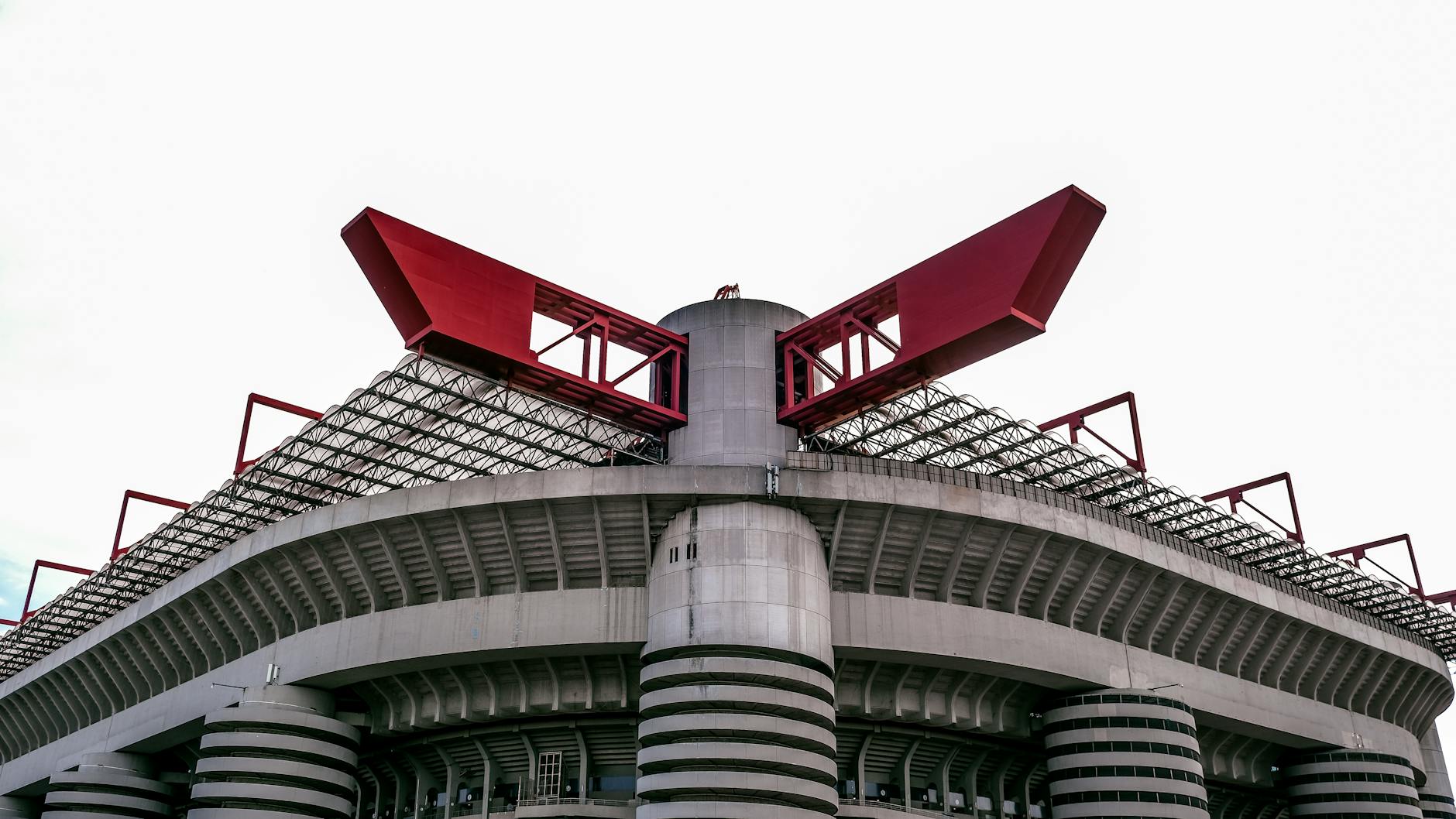
San Siro hosted the February 6 opening ceremony. Andrea Bocelli sang, Mariah Carey performed, Laura Pausini closed the show, and the cauldron was lit by an Italian winter sports legend whose name I’ll let you discover at the stadium tour. The stadium itself — properly called Stadio Giuseppe Meazza — is the home of both AC Milan and Inter, and it’s been around since 1925. After being saved from immediate demolition in 2024 due to its “cultural interest,” it’s still scheduled to come down eventually, probably around 2031, once the new stadium for both clubs is built next door. So this is genuinely a window of time when you can visit the same building where the Olympic flame burned in February.
The San Siro tour now includes an Olympic-specific section: footage from the ceremony, the cauldron itself (relocated to a display area inside the stadium), and parts of the stage set. The standard San Siro stadium tour includes the locker rooms, the pitch, and the museum. Allow two hours.
PalaSharp (eventually became a multipurpose community arena)
PalaSharp in Lampugnano, the temporary venue used for short-track speed skating qualifying rounds and some training sessions, was always planned as a short-term installation. After the Games it was refitted as a multipurpose community sports facility serving the western neighborhoods — basketball, volleyball, indoor athletics. It’s not really a tourist attraction, but if you happen to be staying near Lampugnano (a common area for budget hotels near the bus terminal) it’s worth a look from the outside.
Milano Santa Giulia (PalaItalia — speed skating, hockey, now multi-use)
This is the headline new venue. PalaItalia Santa Giulia, designed by David Chipperfield Architects, sits in the redeveloped Santa Giulia district in the southeast of the city. It holds 16,000 for concerts and was the main ice hockey venue during the Games. It’s now operated by CTS Eventim and has over 100 events scheduled for its first year of post-Olympic operation — concerts, basketball games, indoor sports, conferences. Reach it on the M3 yellow line or via the Rogoredo train station, which is a five-minute walk away.
You can’t usually go inside without a ticket to an event, but the neighborhood itself is interesting. Santa Giulia was a brownfield site for years and the Olympic investment pushed through a redevelopment that includes parks, retail, and a few thousand new apartments. There are some decent cafes in the plaza around the arena. I had a coffee at a place called Bar Olimpico — I’m pretty sure they renamed it for the Games and just kept the sign.
Rho Fiera Milano arenas (figure skating, short track)
The Fiera Milano Rho exhibition complex on the northwestern edge of the city converted two of its large halls into temporary ice rinks for figure skating and short track speed skating. Those temporary builds came down in March and April. Rho Fiera is now back to its normal life as Milan’s huge convention center — hosting Salone del Mobile, EICMA, and other trade fairs. There’s no specific Olympic tour here, but if you’re attending a trade fair, you’ll notice some Olympic-themed art installations that stayed up.
Reach Rho Fiera on the M1 red line (terminus stop is Rho Fiera) or by Trenord regional train.
Olympic Village (Porta Romana, now student housing)
The Olympic Village conversion is honestly the most interesting Milan legacy story. The site was a derelict rail yard south of the historic center. COIMA (developer) and SOM (architect) built six residential blocks that housed about 1,700 athletes during the Games. Within four months of the closing ceremony, the buildings were re-fitted as student dorms — same rooms, same furniture, slightly different management. About 30% of the beds are subsidized for Italian students at around 430 euros per month, well below market rate.
You can walk through the new Piazza Olimpica at the heart of the development — it’s a public square with cafes, a bookshop, and a small farmers market on Saturdays. The buildings themselves aren’t open to non-residents, but a small visitor pavilion at the edge of the site explains the architecture and the legacy plan. The whole neighborhood is a short walk from the M3 Lodi T.I.B.B. stop. For more context on the surrounding area, see our Porta Romana guide.
Paralympics venues
The Paralympic Games used essentially the same Milan venues plus the Paralympic Village in the same Porta Romana complex. PalaItalia hosted para ice hockey. The opening ceremony was at Piazza del Duomo — a free, open-air event that drew about 30,000 people on March 6. The closing ceremony was at PalaItalia on March 15.
The Paralympic Games — March 6-15, 2026 — recap and legacy
The Paralympics ran for nine days with 611 athletes from 55 nations across six sports: Para Alpine skiing, Para biathlon, Para cross-country skiing, Para ice hockey, Para snowboard, and wheelchair curling. China dominated the medal table with 44 medals (15 gold), continuing the trajectory they established at Beijing 2022. The United States finished second with 24, and Italy hosted itself to fourth place with 16 medals (7 gold) — also a Paralympic best for the host nation.
For visitors interested in accessibility, the Paralympic legacy in Milan is real. The Games pushed through a number of permanent accessibility upgrades: ramped access at over 40 metro stations, audio announcements in English at major stops, improved tactile paving across the historic center, and an expansion of the accessible taxi fleet. If you or someone in your group uses a wheelchair, Milan is meaningfully easier to navigate in 2026 than it was in 2025. The cobblestones in the historic core are still cobblestones — that hasn’t changed — but most major attractions and transit hubs are now genuinely accessible.
Olympic-related changes you’ll notice when visiting Milan now
Beyond the big venues, a hundred smaller things happened across the city. Here’s what you’ll actually run into.
- New metro stations and extensions: The M4 blue line, completed in October 2024, was a pre-Olympic priority. It runs from San Cristoforo through the city center to Linate airport in about 30 minutes total. The M4 is the line you’ll use most as a tourist arriving by air.
- Refreshed transit hubs: Stazione Centrale, Garibaldi, and Rogoredo all received exterior improvements, better English signage, new digital boards, and expanded waiting areas. Centrale also got its Mussolini-era stone scrubbed clean — it’s noticeably brighter now.
- Hotels: Roughly 8,000 new hotel rooms came online between 2023 and early 2026 in anticipation of the Games. Many of them are still finding their post-Olympic equilibrium, which means hotel pricing in Milan dropped noticeably from April onward. Now is a good time to find deals.
- Restaurants: A wave of new restaurants opened during the run-up. Some have already closed; the ones that survived are generally decent. Look for places in Santa Giulia, Porta Romana, and around the Olympic Village area — these neighborhoods got an influx of culinary attention.
- Pedestrian areas: Sections of Corso Buenos Aires, parts of Via Torino, and the area around Castello Sforzesco that were pedestrianized for the Games stayed that way. The city council voted in April to make most of these permanent.
- English signage: A small but real improvement. Museums, public transit, and major restaurants now have far better English information than they did a year ago. Some of it is awkwardly translated, but it’s there.
You can fold most of this into a standard Milan sightseeing plan without going out of your way.
Things visitors get from the Olympic infrastructure
The improvements weren’t all about sports. The Games triggered a wave of upgrades that benefit ordinary travelers more than they benefit Olympic spectators (since those spectators are gone now). The most useful ones for tourists:
- Linate airport upgrade: New terminal extension, improved baggage handling, and the M4 metro connection. Arriving in Milan via Linate is dramatically easier than it was in 2023.
- Malpensa airport rail link improvements: The Malpensa Express from Cadorna and Centrale runs more frequently and with slightly newer rolling stock. Travel time is roughly the same (about 50 minutes from Centrale).
- Expanded English information desks at Centrale and at the airports, staffed during peak hours.
- Wi-Fi coverage in the metro is now actually usable. It was patchy before the Games; it’s reliable now.
- Bicycle and e-scooter infrastructure: New dedicated lanes and expanded share-bike racks went in for the Games and stayed. Lime, Dott, and the city’s BikeMi service all expanded fleets.
Day trips to Cortina d’Ampezzo and the Dolomites venues
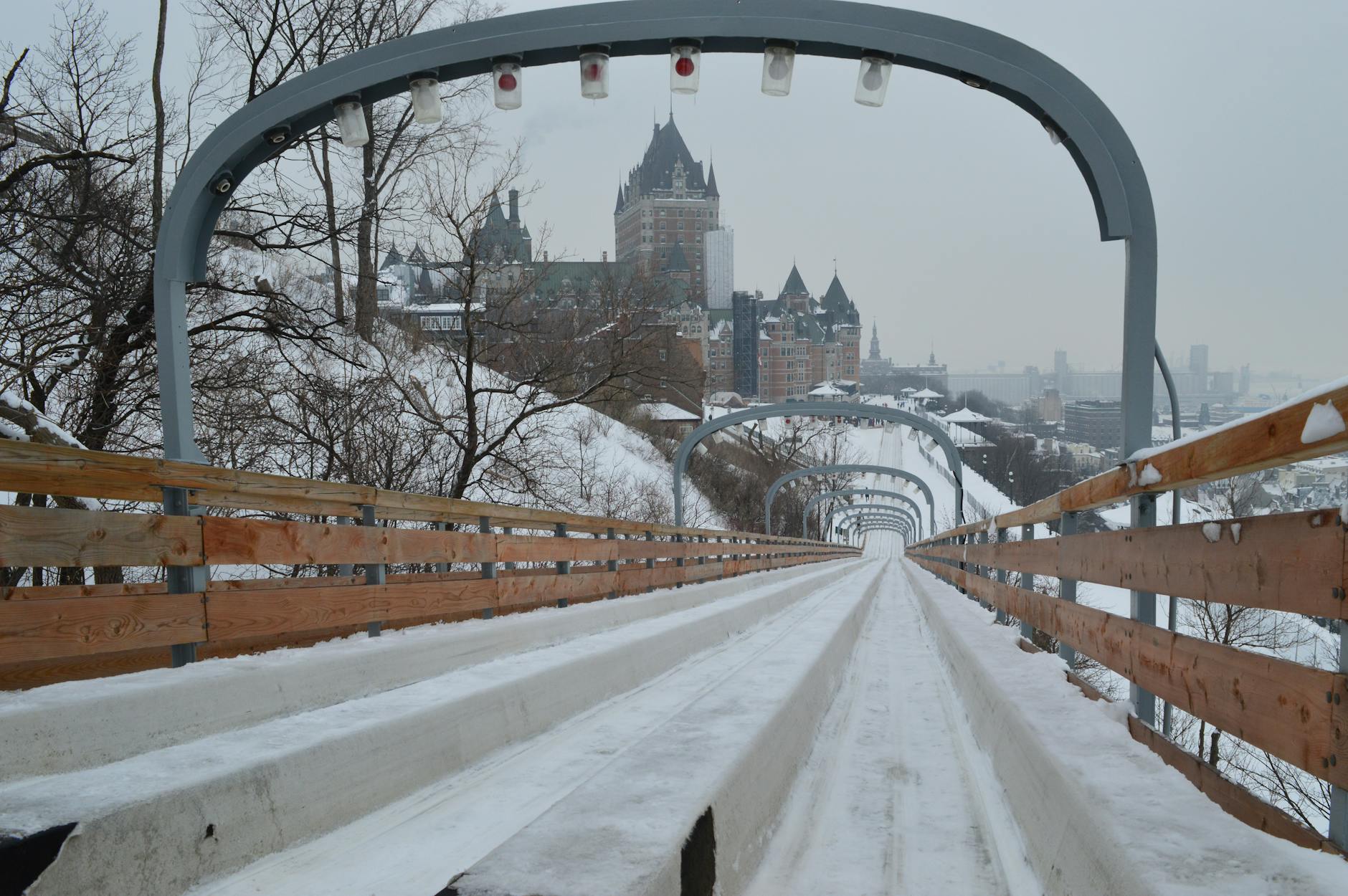
Cortina is about a five-hour drive or train-and-bus combination from Milan, so it’s not really a day trip — plan at least a long weekend. But the Olympic venues there are genuinely worth the trip if you have the time. The Cortina Sliding Centre (officially named after Eugenio Monti, the Italian bobsleigh legend) is a full reconstruction of the historic 1956 Olympic track on the same site, 1,745 meters with 16 curves. It’s now used by the IBSF for World Cup events and will host the bobsleigh and skeleton competitions of the 2028 Youth Olympics in Dolomiti Valtellina. Tours are available during off-season; check the IBSF schedule.
The Tofana alpine skiing course above Cortina is back to being a regular ski run now — open during the 2026-2027 winter season. If you want to ski the same course where Sofia Goggia and Marta Bassino raced for Olympic medals, the lift to the top of the women’s downhill start is open. You can take a slow run down and pretend.
Other Cortina-area Olympic infrastructure: a refurbished pedestrian center, improved access roads (the SS51 was widened), and the new Cortina d’Ampezzo visitor information center near the cable car. For ideas on combining Cortina with other northern Italian destinations, look at our day trips from Milan page — Cortina itself is more of a multi-day trip, but the route there passes through Verona and the Brenta Dolomites.
Other Olympic destination venues
The Games used venues across a 400-kilometer arc from Milan to the Slovenian border. The mountain venues are still in use as regular sports facilities, and several are worth a visit if you’re road-tripping through northern Italy.
- Anterselva (Antholz) biathlon stadium in Alto Adige/Südtirol: hosts annual IBU World Cup biathlon. Open for cross-country skiing and biathlon try-out sessions in winter.
- Predazzo ski jumping stadium in Val di Fiemme: the K90 and K125 hills are back in regular use for FIS World Cup events. There’s a small museum at the base.
- Tesero cross-country center: Trails are open to the public outside of competition season. You can rent equipment in the village.
- Bormio alpine skiing: The Pista Stelvio men’s downhill course is one of the most famous in alpine skiing. Open for skiers of the appropriate level during winter.
- Livigno freestyle and snowboard: Slopestyle, halfpipe, and big-air venues at Mottolino and Carosello 3000. These were partly temporary builds; the permanent freestyle and snowpark infrastructure remains.
- Val di Fiemme speed skating in Baselga di Piné: temporary venue; the oval has been dismantled. The ice rink that was there before remains.
Bormio’s Stelvio and Livigno’s parks are ordinary ski resorts again now — our guide to ski day trips from Milan explains how to get to both, and how long the journey really takes.
Olympic-themed walking tour of Milan
Here’s a half-day walking route that hits the Milan-side Olympic legacy sites in a logical order. Start at Stazione Centrale after coffee at one of the cafes inside the renovated atrium. Walk south along Via Vittor Pisani to Piazza della Repubblica, then continue down to Piazza del Duomo. The Duomo itself wasn’t an Olympic venue but it hosted the Paralympic opening ceremony — there’s a small commemorative plaque on the eastern facade now.
From the Duomo, walk east to the Galleria Vittorio Emanuele II, then south on Via Mazzini to Corso di Porta Romana. Take the M3 from Missori two stops south to Lodi T.I.B.B. Walk into the Olympic Village neighborhood — the Piazza Olimpica is the central square. Have lunch there.
After lunch, take the M3 further south to Rogoredo, walk five minutes to PalaItalia Santa Giulia (you can usually walk around the exterior), then take the train or M3 back to the center. If you have time, end at San Siro for an afternoon stadium tour. Total walking: maybe 6 kilometers. Total time: 5-6 hours including stops. For comprehensive sightseeing routes, see the Milan attractions guide.
Memorabilia and museums covering the Games
A few places now display Olympic-related material. The Museo Olimpico Italiano — a small institution near Parco Sempione — has a new permanent gallery covering Milano Cortina 2026. It includes torches, medals, athlete kit, and a wall of front pages from world newspapers during the Games. The museum is small (an hour is enough) and affordable (around 8 euros admission).
The Museo dello Sport e dei Giochi Olimpici at Stadio San Siro covers Milan’s broader sports history including the Games. The Olympic torches from the relay (which ran across all 20 Italian regions for 63 days before the opening) are displayed in rotation at various sponsor stores around the city — usually with no admission charge.
The Triennale design museum hosted a Milan-specific exhibition through summer 2026 covering the design and architecture of the Games, including the Chipperfield drawings for PalaItalia and the SOM plans for the Olympic Village. Check their current schedule.
Lessons from past hosts and Milan’s specifically
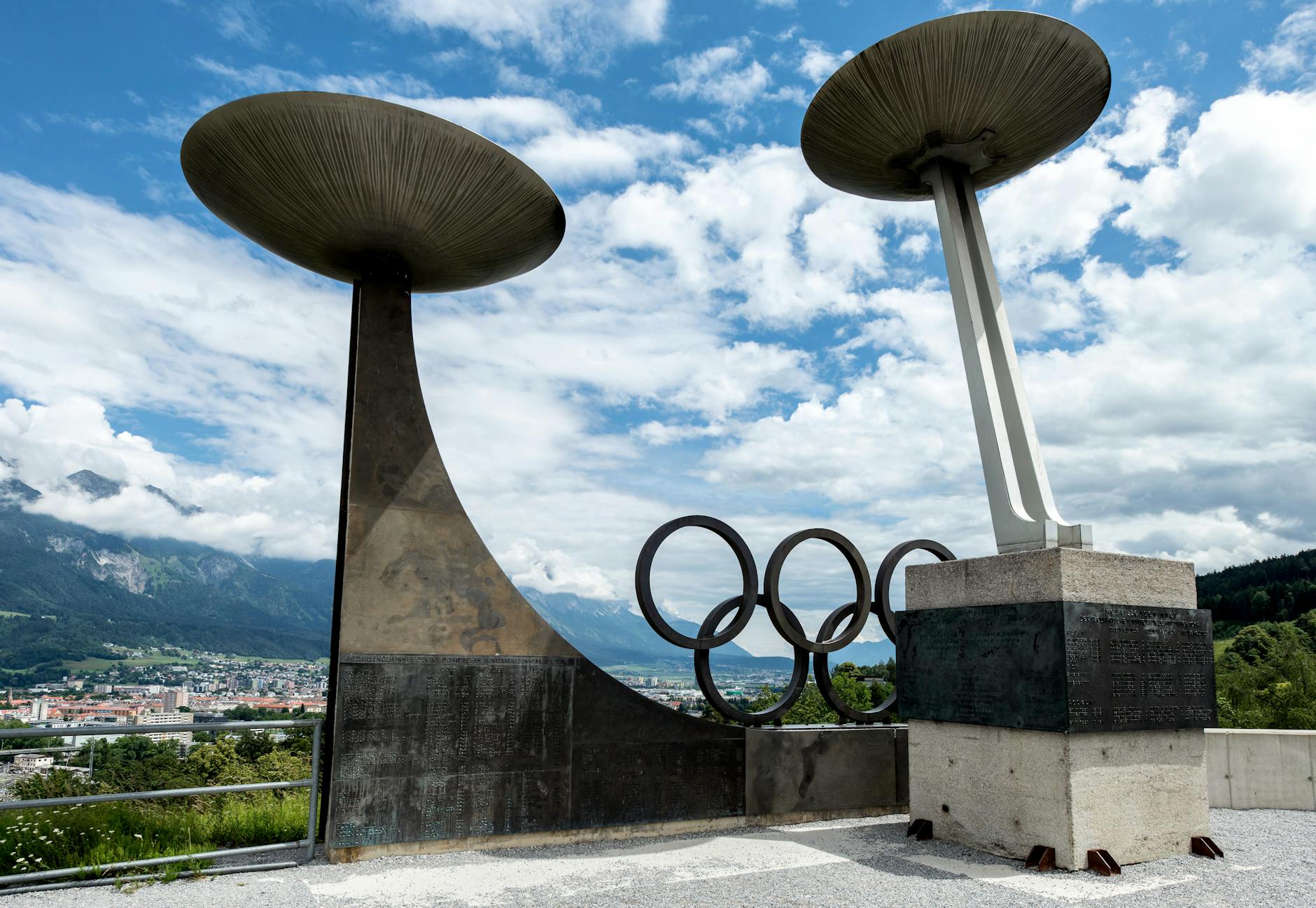
Olympic legacies are mostly a story of letdown — empty stadiums, debt, white elephants. Athens 2004 left dozens of derelict venues. Sochi 2014 left half-finished resort towns. Even Barcelona 1992, the most-praised modern Games, had to figure out what to do with the diving pool eventually.
Milan tried to learn from this. The decision to use 85% existing or temporary venues meant only a handful of new buildings to find post-Olympic uses for. The two big new builds — PalaItalia and the Olympic Village — both had defined post-Games purposes locked in years before the opening ceremony. The Village in particular is the cleanest legacy story of any recent Games: the building is essentially identical to its Olympic configuration and is in continuous use as housing. There’s no awkward transition period.
The risks are still real. PalaItalia needs to keep filling 16,000 seats; the early concert schedule looks healthy but the Mediolanum Forum still exists and Milan now has two competing large arenas. The metro extensions need ridership to justify their operating costs. And the hotel boom may produce a glut — early data from April and May suggests occupancy rates are well below 2024 levels. None of this is catastrophic, but the long-term verdict on Milan’s Games is still being written.
Practical tips for visitors interested in the Olympic angle
- Don’t expect crowds. The Olympic-tourism wave is over. Even in May, the venues are quiet. This is the calm window before the city moves on.
- Book stadium tours in advance. San Siro tours during the Olympic legacy season sell out a few days ahead, particularly on weekends.
- Combine Olympic sites with regular sightseeing. Don’t make this your whole trip — the Duomo, the Last Supper, and the classic Milan sights still come first for most visitors.
- Visit Porta Romana on a weekday afternoon. The Olympic Village neighborhood is most interesting when the students are around — late afternoon between classes, or evenings.
- Consider the timing. The best time to visit Milan for the Olympic legacy angle is spring through autumn 2026. After that, the novelty fades and some of the temporary memorabilia displays will rotate out. See the best time to visit Milan guide for general seasonal advice.
- Pair it with mountain trips. If you have a week, do three or four days in Milan and three days in either Cortina or Bormio. The contrast between urban Olympic infrastructure and the alpine venues is the full Milano Cortina experience.
- Watch the events calendar. PalaItalia hosts concerts and games regularly now. Catching a hockey match or concert in an Olympic arena is a more vivid experience than just touring it. Check the Milan events calendar.
If you are visiting in the depths of winter and want to use what the Games left behind, Milan in February covers day-trip skiing from the city and the resorts within a couple of hours.
FAQ
When did the Milan 2026 Olympics happen?
The Olympic Games ran February 6-22, 2026. The Paralympic Games ran March 6-15, 2026. Both are over.
Can I still visit the Olympic venues in Milan?
Yes. San Siro offers stadium tours including Olympic-themed exhibits. PalaItalia Santa Giulia hosts concerts and events you can buy tickets to. The Olympic Village area in Porta Romana is a publicly accessible neighborhood with a visitor pavilion. Rho Fiera is back to being a convention center but is open during trade fairs.
Is the Olympic Village really now student housing?
Yes. About 1,700 beds reopened as student accommodation in summer 2026, with 30% of units at subsidized rates around 430 euros per month. The buildings, designed by SOM and developed by COIMA, were planned for this purpose from the beginning.
Will San Siro be demolished?
Eventually, yes. Current plans call for the new stadium to be built next to San Siro by 2030, with the old building largely demolished by 2031. One tower and a small section of the second tier may be preserved. So 2026-2030 is your window to visit the same stadium where the Olympic opening ceremony was held.
How do I get from Milan to Cortina d’Ampezzo?
By car it’s about 5 hours. By public transit, take a train to Venice (about 2.5 hours) and then a bus to Cortina (about 2 hours). The Cortina Express bus runs direct from Venice airport during winter. It’s not a day trip — plan to stay at least one night.
Which Olympic venue is most worth visiting if I only have time for one?
San Siro. It’s the most historic, hosted the most iconic moment (the opening ceremony), and is the easiest to reach. The stadium tour is the most polished Olympic-themed visitor experience in the city.
Did Milan benefit from hosting the Olympics?
Probably yes, in the short term — improved transit, better airport, new housing, refreshed public spaces. The long-term verdict depends on whether PalaItalia stays full, whether the hotel inventory finds tenants, and whether the city keeps the late-night transit running. Ask again in 2028.
Was Milan-Cortina 2026 considered a success?
Generally yes. The IOC praised the use of existing venues, Italy’s medal performance was its best-ever Winter Olympics result, and the legacy plans (especially the Olympic Village) are seen as a model for future Games. The Games are projected to generate over 5 billion euros in net economic impact and around 36,000 jobs for Italy.
Final thoughts
The Milan 2026 Olympics were a particular kind of Games — distributed, low-impact, leaning hard on existing infrastructure. That makes the legacy quieter than what you’d see in a more ostentatious host city. There’s no Olympic Park to wander. There’s no single landmark you can point to and say “the Games happened here.” Instead, the legacy is dispersed across the city: a new arena in Santa Giulia, a new student dorm in Porta Romana, late-night metros, refreshed train stations, a few new restaurants, a slightly different airport. You’ll notice it if you look for it, and you’ll miss most of it if you don’t.
That’s probably the right approach for a city like Milan, which already had a strong tourism economy and didn’t need an Olympic adrenaline shot to be relevant. The Games were a moment, the moment passed, and now the city is back to being itself — slightly improved, slightly busier, with a couple of new venues to figure out. If you visit in summer or autumn 2026, you’ll catch the city in the rare interval when the Olympic dust has settled but the changes are still fresh. By the time the 2030 Games arrive in the French Alps, Milan will have absorbed all of this into its normal pattern, and the only people thinking about Milano Cortina 2026 will be the students living in Porta Romana and the people queueing for concerts at PalaItalia.
Which is, honestly, the best kind of Olympic legacy: useful enough to fold into daily life, modest enough to disappear into the texture of the city. Worth a trip while you can still see the seams.