A 5 days Milan itinerary is the sweet spot most travelers don’t realize they want. Three days locks you inside the ring road — Duomo, Cenacolo, Brera, a rushed Navigli aperitivo, and you’re back on the Malpensa Express before you’ve eaten a single cotoletta outside a tourist menu. Five days changes the math. You get two unhurried days in the city itself, two real day trips (Lake Como plus either Bergamo or Verona), and a final day to do the Milan that locals actually live in — Fondazione Prada at 6 p.m., the Wednesday market on Viale Papiniano, the Cimitero Monumentale on a quiet Tuesday. That fifth day is the one that turns a checklist trip into a real one.
I’ve been running variations of this five days in Milan plan for visiting friends since 2019. The version below assumes you land at Malpensa or Linate on a Monday or Tuesday and head home Friday or Saturday. Costs are in euros for 2026: regional trains, current museum prices, the espresso at Marchesi (€1.50 at the bar, €7 sitting down — your choice). If you have a week, my one-week Milan itinerary stretches this with a Cinque Terre or Dolomites overnight. If your time is shorter, the 3-day Milan itinerary and 2-day Milan itinerary trim it down.
What 5 days in Milan actually lets you do
The case for the Milan 5-day plan in one sentence: time. Time to book the 9:15 a.m. Cenacolo slot without sacrificing the Duomo rooftop, time to sit through a full opera intermission at La Scala instead of the museum-only tour, time to take the slow ferry from Varenna to Bellagio instead of the bus. With three days you skim. With four you choose between art and lakes. With five you do both and still have a buffer day for the things travel blogs skip — the Wednesday morning market on Viale Papiniano, an afternoon at Fondazione Prada that needs three hours minimum, the long walk through Cimitero Monumentale that turns into the trip everyone remembers.
Here’s what a properly built five days in Milan covers:
- The big four: Duomo + rooftop, Last Supper, Sforza Castle, La Scala
- Two neighborhoods done well, not three done badly: Brera and Navigli
- One Lake Como day with the ferry triangle, not a rushed shoreline walk in Como city
- One eastern day trip — Bergamo Alta (50 minutes) or Verona (1h 15)
- One full day of the contemporary city: Fondazione Prada, CityLife, Isola, Porta Nuova
- A proper aperitivo crawl on at least two nights, not the airport-arrival Aperol
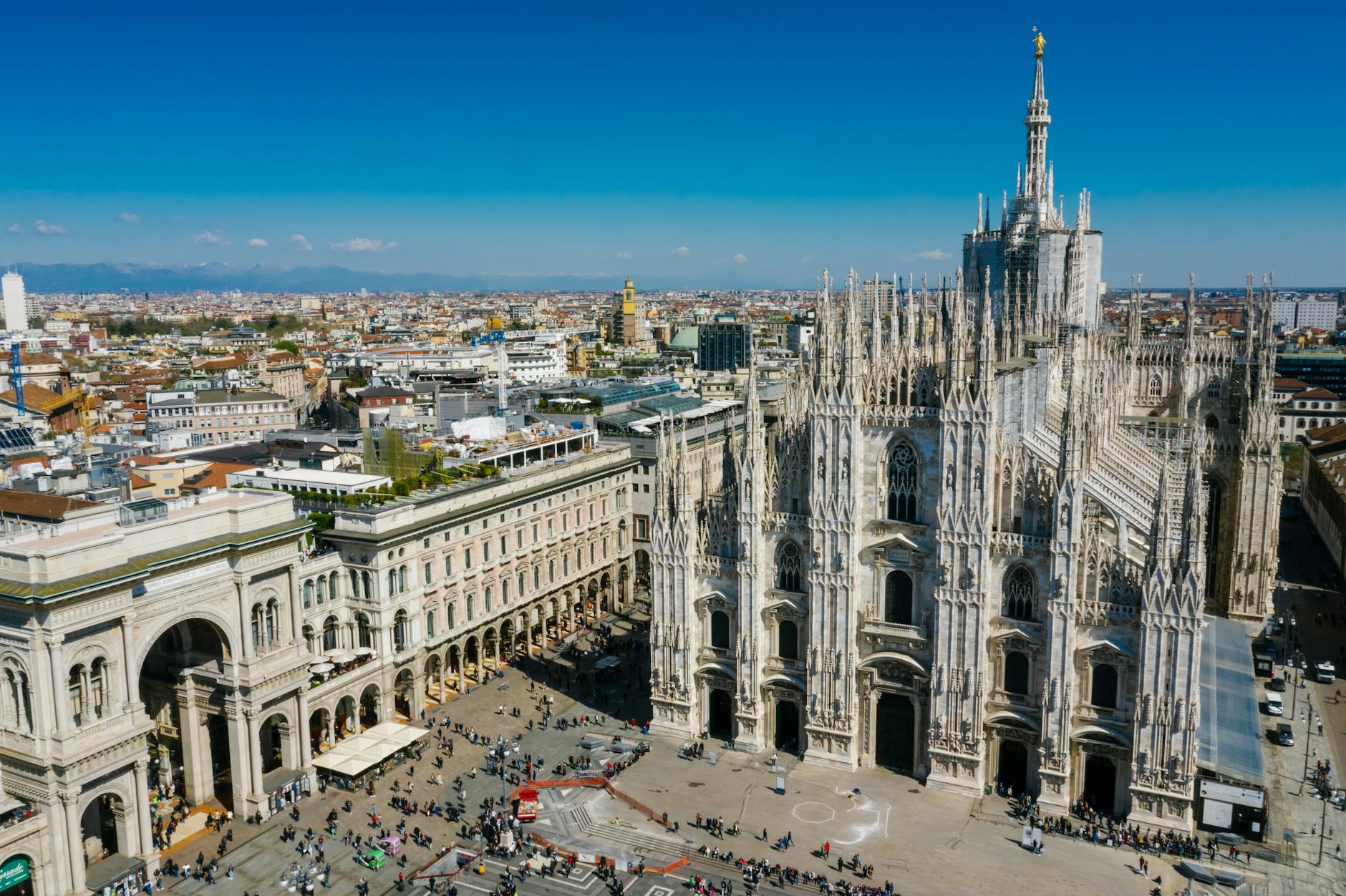
Day 1 — Arrival and the historic core
Land, drop bags, and head straight to Piazza del Duomo. Jet lag rewards you here: the cathedral’s white marble is unbearable in midday August, but soft and pink at 4 p.m. in spring. Buy the Duomo Pass Culture (€16) which includes the rooftop by stairs, the cathedral interior, the archaeological area, and the museum. Take the stairs up — €13 versus €17 for the lift, and the climb past the flying buttresses is the actual reason to be up there. Allow 90 minutes for the full circuit.
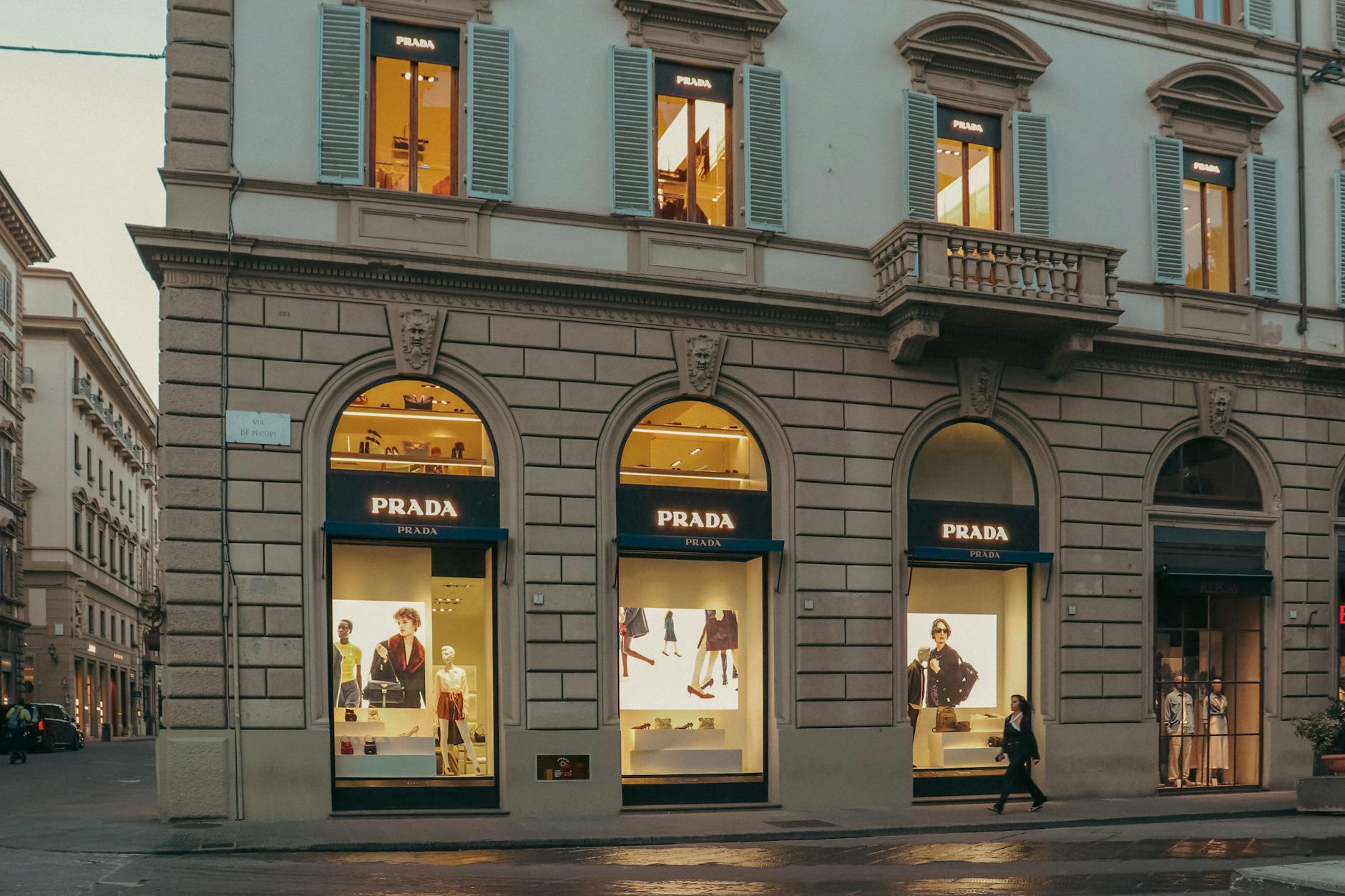
From the rooftop, descend into the Galleria Vittorio Emanuele II. Skip the Prada and Louis Vuitton windows and walk through to Piazza della Scala. The Museo Teatrale alla Scala (€12) gets you into a box overlooking the auditorium when no rehearsal is running — call ahead or check the morning of. Then walk north through the Brera district, hitting the Pinacoteca di Brera (€15, free first Sunday of the month) for ninety minutes. The Raphael Sposalizio della Vergine and Mantegna’s Dead Christ are the two paintings I always return to.
End the day with aperitivo in Brera. N’Ombra de Vin on Via San Marco does a serious wine list in a 16th-century refectory — €10 buys a glass of Franciacorta and access to a buffet that actually counts as dinner. Walk home through the Botanical Garden if it’s open. You’ve done a full day on jet-lag fumes; that’s enough.
Day 2 — Last Supper, Sant’Ambrogio, Navigli
Reserve the Cenacolo Vinciano ticket the moment your flights are booked. Bookings open three to four months out at vivaticket.com and the 9:00 a.m. and 9:15 a.m. slots sell first. Cost: €15 plus €2 booking fee. The viewing is 15 minutes, and Santa Maria delle Grazie itself deserves another twenty. If you’ve missed the booking window, the official guided-tour add-ons run €45 and almost always have availability — pay it, don’t skip the painting.
After Leonardo, walk south to the Basilica di Sant’Ambrogio. Free, founded in 379 AD, and home to the saint’s actual skeleton in a glass case under the altar. This is the church Milanesi care about — the Duomo is for the tourists, Sant’Ambrogio is for the locals. From here it’s a fifteen-minute walk to the Museo Nazionale Scienza e Tecnologia Leonardo da Vinci (€10) if you have kids in tow, or straight south to the Colonne di San Lorenzo for an outdoor lunch among 3rd-century Roman columns.
Afternoon is design. The Triennale Milano in Parco Sempione (€16) and the nearby Armani/Silos (€12) each take 90 minutes. Pick one. If it’s a Monday, both are closed — swap in the Museo del Novecento (€10) overlooking Piazza del Duomo, which holds the best 20th-century Italian art collection in the country.
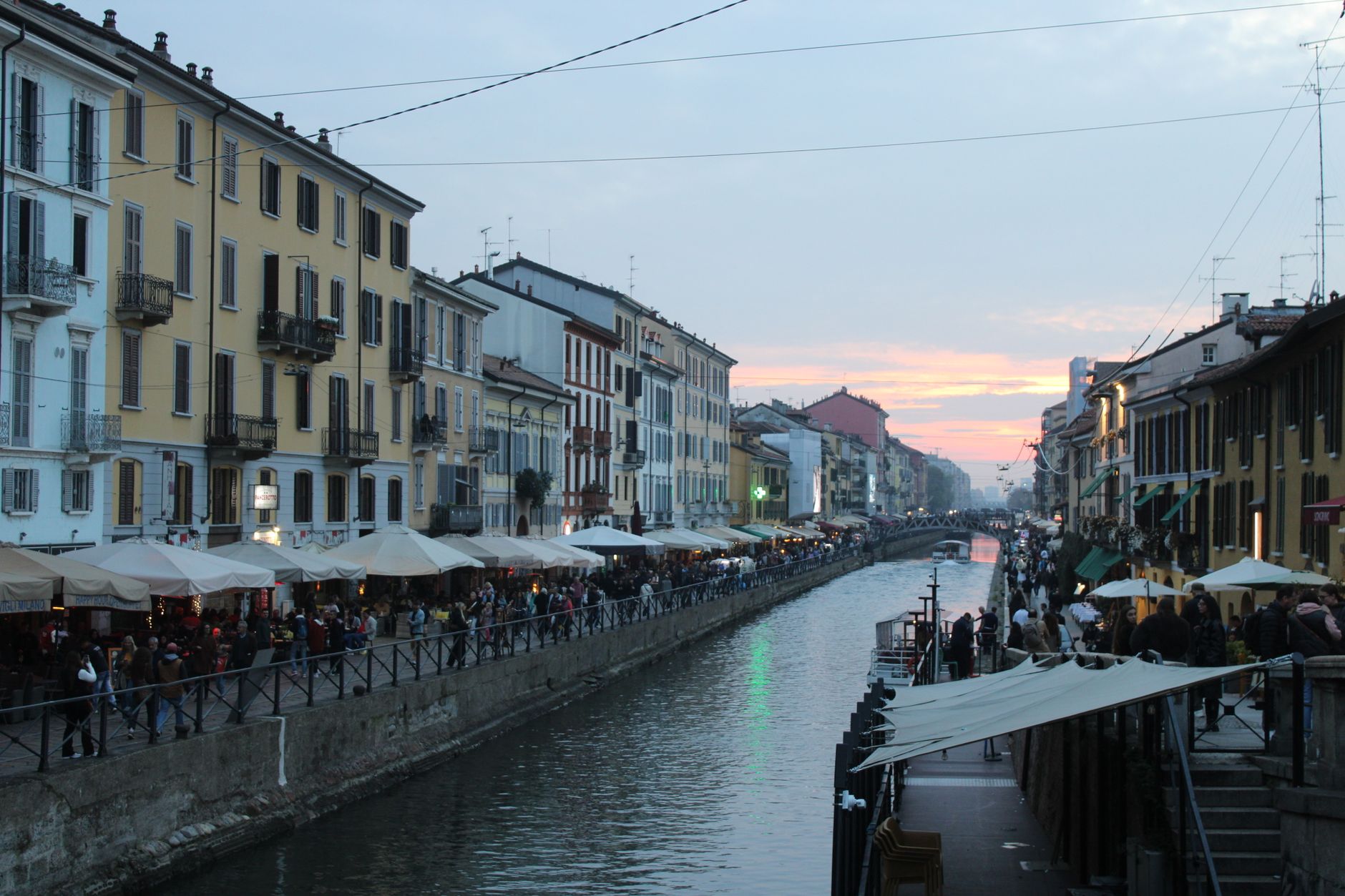
Evening: Navigli. The two canals south of Porta Genova fill with aperitivo crowds from 7 p.m. Mag Cafè on the Ripa di Porta Ticinese does cocktails at €10 and the buffet is better than the chains. The classic move is one drink here, then dinner at a trattoria off the canal — I send people to Al Pont de Ferr for a tasting menu around €60, or Trippa on Via Giorgio Vasari (book a month out) for the offal-forward Lombard cooking the city does best.
Day 3 — Lake Como day trip (the ferry triangle)
The mistake everyone makes is taking the train to Como San Giovanni, walking the lakefront for two hours, and going home. That’s not Lake Como. The Milan and Lake Como 5 days approach uses Varenna as the base and the central lake ferry as the spine.
From Milano Centrale, take the Trenitalia regional to Varenna-Esino on the Tirano line. Departures at 8:20, 9:20, 10:20 a.m. The journey is 1h 5 min and the regional ticket is €7.40 each way. Buy a return — €14.80 total. Sit on the right side of the train heading north for the lake views starting at Lecco.
From Varenna, walk five minutes downhill to the ferry pier. Buy the Centro Lago day pass (€19) which covers unlimited rides on the central-lake triangle: Varenna, Bellagio, Menaggio. Crossings are 15 to 20 minutes and run every 30 minutes from 9 a.m. to 7 p.m. in summer. My order: ferry to Bellagio first (most crowded by 11 a.m., so beat the cruise day-trippers), lunch on the Menaggio side at Il Ristorante di Paolo, back to Varenna by 4 p.m. for the Castello di Vezio walk and the train home.
If you want a deeper version, the Lake Como day trip from Milan guide breaks down the timings hour by hour. Skip the speedboat tours unless you’re traveling with someone who can’t manage stairs — the public ferries do everything for a fifth the price.
Day 4 — Bergamo or Verona: how to choose
Here’s where the Milan 5-day plan pulls ahead of every shorter version. Day four is your second day trip, and the choice between Bergamo and Verona is genuinely a coin flip — depending on what you’ve come to Italy for.
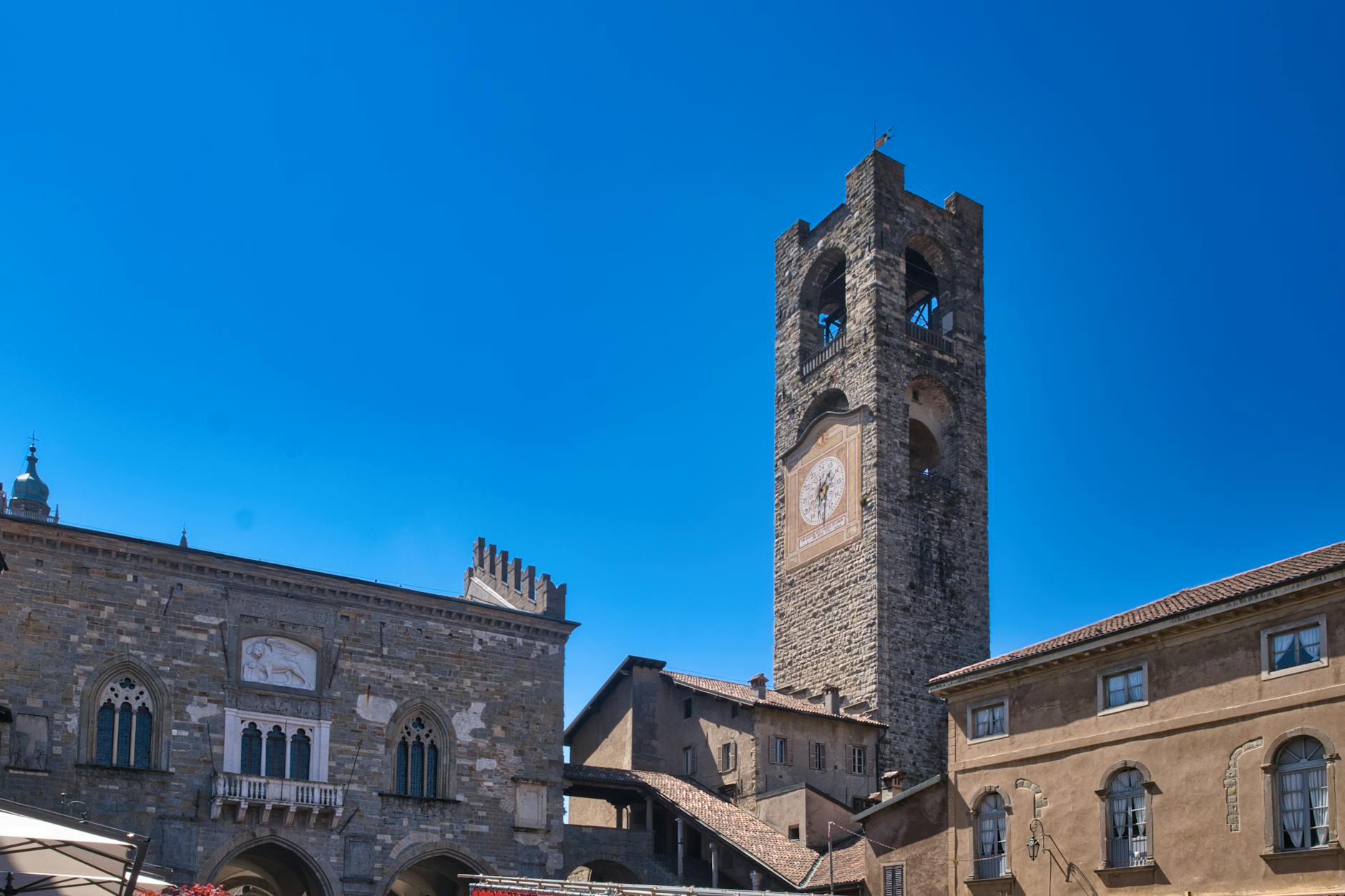
Bergamo is the day trip from Milan I keep going back to. Most travelers spend three days in Milan and treat day trips as an afterthought. They miss the better option an hour east — walled, medieval Bergamo Alta, which feels like the version of Italy you came to see, minus the cruise crowds of Cinque Terre. Trenitalia runs Milano Centrale to Bergamo in about 50 minutes for €5.50 on the regional service. I usually catch the 8:33. From Bergamo station, the funicular up to Città Alta is €1.30 with a city bus ticket. Piazza Vecchia, the Cappella Colleoni, lunch of casoncelli at Trattoria Sant’Ambroeus (€18 for two courses), and a walk along the Venetian walls. Home by 6 p.m. Full breakdown in the Bergamo day trip from Milan guide.
Verona is the call if you’ve never been and want one more major Italian city in the bag. Trenitalia’s high-speed Frecciarossa from Milano Centrale to Verona Porta Nuova runs 1h 15 min, every 30 minutes, €20 to €40 depending on how far ahead you book. The regional is two hours and €13.50. The Arena, the Casa di Giulietta (mostly skip — the courtyard is free, the house is €12 of letdown), Piazza delle Erbe, and Castelvecchio with its Carlo Scarpa renovation. Verona is bigger, more polished, more on the standard tourist circuit. See the Verona day trip from Milan piece for the timed version.
My rule: first-time visitors to Italy go to Verona. Repeat visitors and architecture nerds go to Bergamo. If you want options I haven’t covered — Pavia, Lake Maggiore, Turin — the day trips from Milan roundup lists fifteen.
Day 5 — Deep Milan: markets, Fondazione Prada, Cimitero Monumentale, aperitivo crawl
This is the day the 5 days Milan itinerary justifies itself. Start at a market. The Mercato di Viale Papiniano runs Tuesday and Saturday mornings from 8 a.m. to 1:30 p.m. and is the real Milan shopping experience — produce, cheese, leather, secondhand clothes. The Mercatone dell’Antiquariato on the last Sunday of every month takes over the Naviglio Grande with 380 antique stalls. Pick whichever day matches.
Mid-morning, head to Fondazione Prada. The Rem Koolhaas-designed campus in the southern Largo Isarco district is on a different planet from the central city — gold-leafed haunted house, a Wes Anderson-designed bar (Bar Luce, espresso €1.20, the only place in Milan I’d actually recommend ordering a cappuccino after 11 a.m.), and rotating contemporary exhibitions. Admission €15, allow three hours. The bar alone is worth the metro ride.
Afternoon: Cimitero Monumentale. Free, open 8 a.m. to 6 p.m., closed Mondays. This is Milan’s open-air sculpture museum — the Bocconi, Branca, and Campari family tombs are full Art Nouveau commissions by serious sculptors. Bring the free PDF map from the cemetery website. Two hours is enough.
Evening is the aperitivo crawl. Start in Isola at Frida (Via Pollaiuolo) for the bohemian-courtyard scene, €9 spritzes and a buffet that goes from 6:30 to 9. Walk fifteen minutes south to Ceresio 7 on the roof of the Dsquared2 headquarters for the cocktail (€20, but the view across Milan to the Alps is the postcard). End at Bar Basso in Citta Studi — inventors of the Negroni Sbagliato in 1972, still served in goblet-sized glasses. The crawl covers four neighborhoods and ends a long, satisfying way from your hotel. Take a taxi.
Five places to eat that aren’t tourist traps
- Trippa — Porta Romana. Diego Rossi’s offal-forward Lombard cooking; the vitello tonnato is the best in the city. Book a month ahead. Around €55 a head with wine.
- Trattoria Masuelli San Marco — Porta Romana. Family-run since 1921, the risotto alla milanese con ossobuco is €28 and the version every other restaurant in town is trying to match.
- Pizzeria Spontini — multiple locations, original on Via Spontini. Thick-crust Milanese pizza by the wedge, €5 for a slice that’s lunch. Cash only at the original.
- Luini — Via Santa Radegonda, behind the Duomo. Panzerotto fried turnover for €3.50. Queue moves fast. The classic post-Duomo lunch.
- Ratanà — Porta Nuova. Cesare Battisti’s seasonal Lombard tasting menu (€85) inside a restored 19th-century rail building. The risottos are why Milanese chefs eat here on their nights off.
For more, the Milan food guide has the breakdown by neighborhood and meal.
Where to stay for 5 nights
For a Milan 5-day plan you want one base, not two. Moving hotels mid-trip eats half a day. The two neighborhoods that actually work are Brera (central, atmospheric, walkable to Duomo) and Porta Nuova / Isola (closer to Milano Centrale, faster for day trip mornings). Skip the area immediately around Centrale itself — convenient on paper, sketchy at night.
- Budget — Babila Hostel & Bistrot (Porta Venezia): private doubles from €95, hostel beds from €38. Best-located hostel in the city, ten minutes’ walk to the Duomo.
- Mid — Hotel Spadari al Duomo: from €240 a night. Eighteen rooms behind the cathedral, breakfast included, art-deco style. The location alone is worth the price.
- Splurge — Bulgari Hotel Milano: from €1,100. Private garden behind Via Manzoni, the spa is the best in central Milan, and if you’ve come for the fashion week version of the city this is the address.
The where to stay in Milan guide breaks down all six neighborhoods I’d recommend versus the three I wouldn’t.
Transport between Milan and the day trips
Lombardy is run by Trenord, the regional operator. National routes — high-speed to Verona, Florence, Rome — are Trenitalia. For day trips inside the region (Lake Como, Bergamo, Lake Maggiore, Pavia) you’ll usually be on Trenord. The Trenitalia and Trenord apps are separate; download both. Tickets bought on the Trenitalia app for Trenord trains work fine, but the Trenord app shows you the regional timetable more reliably.
Key tips:
- Regional tickets do not need to be validated on the Trenord app — the QR is your ticket. Paper tickets still need stamping at the green machines.
- Buy day-trip tickets the night before. Trains sell out only on the Frecciarossa; regionals never do, but the queues at Centrale machines at 8 a.m. are punishing.
- Milano Centrale, Porta Garibaldi, and Cadorna all serve different lines. Como goes from Cadorna (Trenord) or Centrale (Trenitalia). Bergamo and Verona go from Centrale. Check the station, not just the city.
- Inside Milan, the ATM day pass is €7.60 and covers metro, tram, bus for 24 hours. The single ride is €2.20.
- From Malpensa, the Malpensa Express to Cadorna or Centrale is €13 and runs every 30 minutes. Skip the shuttle buses unless you land at 3 a.m.
The Milan transport guide has the full breakdown including which app to use for what.
Practical tips for the 5 days Milan itinerary
- Book the Last Supper now. Not next week. Now. Tickets open three months ahead and the popular morning slots disappear in 48 hours.
- The Duomo dress code is enforced. Shoulders and knees covered. They sell paper ponchos at the entrance for €3 but they look exactly like paper ponchos.
- Skip the cup of coffee sitting down. A cappuccino at the bar is €1.50. The same cappuccino at the table is €4 to €7. Milanesi stand. Stand.
- Aperitivo is dinner. In a real aperitivo bar, the €10 to €12 drink comes with a buffet substantial enough to count as a meal. Don’t double up by booking dinner at 9.
- August is closed. Many restaurants and a handful of museums shut for the second and third weeks. If you’re traveling then, check opening hours individually.
- Sundays are quiet. Many shops close. Museums stay open. Aperitivo bars open later, around 7.
- Pickpockets on the metro. Lines M1 (red) and M3 (yellow) around the Duomo are where it happens. Front pocket, hand on it.
Best time of year for five days in Milan
Late April to mid-June and mid-September to late October are the windows. Temperatures are 18 to 25°C, the lakes are warm enough to swim by late May, and the haze that swallows the Alps in July lifts. April 25 (Liberation Day) and May 1 close museums; plan around them.
July and August are hot — Milan sits in the Po Valley and traps heat. Lake Como is the relief valve but trains are crowded. December has its own argument: the Oh Bej Oh Bej Christmas market at Sant’Ambrogio, La Scala’s opera season opener on December 7, and the chance of snow on the Alps from any rooftop. See the Milan winter itinerary for the cold-weather version, and the Milan summer itinerary if you’re stuck with August dates.
The worst week for the Milan 5-day plan is the one running into Fashion Week (late February and late September) — hotel prices triple and restaurants need to be booked weeks out.
Frequently asked questions
Is 5 days too many for Milan?
Not if you build in day trips. Milan itself rewards three full days; adding Lake Como and either Bergamo or Verona uses the other two without padding. Five days lets you slow the pace rather than adding more sights.
Is Milan worth visiting for 5 days versus Florence or Rome?
If you want classical Italy — Renaissance art, ancient ruins, cobbled lanes — pick Florence or Rome. If you want fashion, design, contemporary architecture, and the lakes within an hour, Milan beats both. The five days Milan itinerary works because the day trips diversify the trip.
Can I do Lake Como and Bergamo in one day instead of two?
Technically yes, in practice no. Bergamo deserves its own afternoon. The morning-on-the-lake-and-afternoon-in-Bergamo combinations I’ve seen people attempt end with five hours of trains and forty minutes of actual sightseeing.
How much does a 5-day Milan trip cost in 2026?
Budget €700 to €900 per person for a mid-range version: €240 hotel splits at €120 each per night, €40 a day food, €100 for trains and ferries to Como and Bergamo, €80 museum entries. Splurge versions clear €2,000 quickly once Bulgari and Frecciarossa first class enter the picture.
Do I need a car for 5 days in Milan?
No. Trains reach every day trip in this plan. Central Milan is hostile to drivers — ZTL zones, paid parking everywhere, congestion charges. A car is useful only if you’re adding an Alpine extension after the five days.
What if I only have 4 days?
Drop the second day trip — keep Lake Como, skip Bergamo or Verona — and use day five for the deep-Milan content (Fondazione Prada, Cimitero, the market). The Milan itineraries guide shows the modular version with day-by-day swaps.
Final thoughts
A 5 days Milan itinerary works because Milan is a base, not a destination on its own. Three days in the city satisfies the headline sights; the extra two days turn it from a stop into a region. Lake Como and Bergamo together cost you €30 in regional train fares and give you a medieval walled hilltown, an Alpine lake with public ferries, and two full meals in places nobody at home will have heard of. That ratio — €30 to access two of the best day trips in Europe — is what makes Milan the right launchpad for a first visit to northern Italy.
Build the days in the order above and you’ll find the rhythm: heavy on city in the front half, day trips in the middle, and the deep-Milan day at the end when you’ve stopped checking the map. If you’re flying in for a shorter layover, the Milan layover guide covers what to do with six hours instead of five days. Either way, the city repays the time you give it. Five days is the right amount.