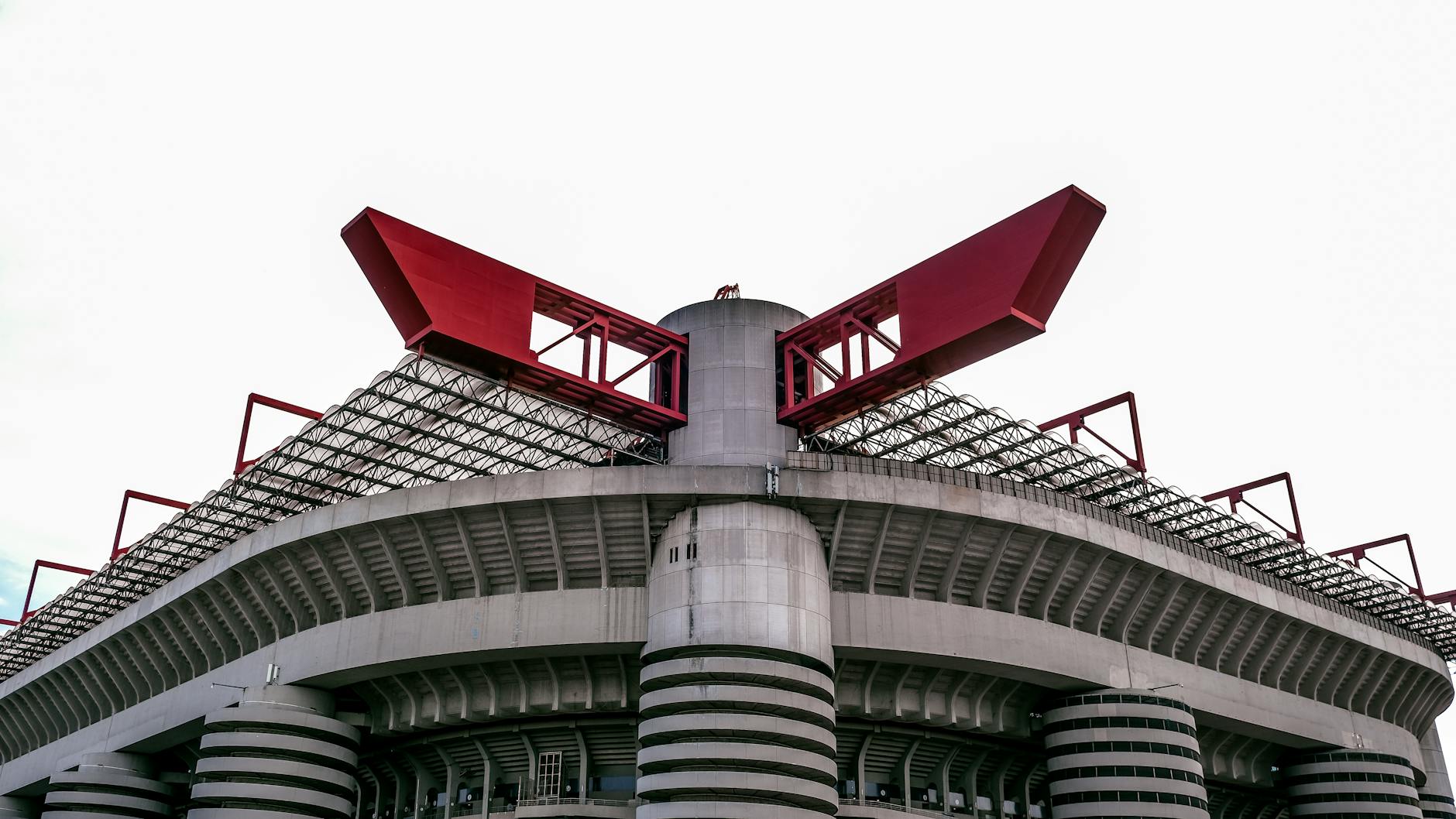
Nobody should stay near San Siro for the sightseeing. There is none. The district is well-kept, entirely ordinary west Milan — apartment blocks, a racecourse, a shopping centre and a very large stadium — and most days it is a quiet residential suburb that visitors have no reason to visit. On match and event days it can be very busy, and being able to walk home from it is worth a great deal.
Look for hotels near San Siro only if you have a specific reason to be out here — a match, a stadium concert, an event at the Allianz Cloud arena or a trade fair at Fiera Milano City. The best of them cluster in three places: immediately by the ground (B&B Hotel Milano San Siro, Rubens Hotel), around the Lotto metro interchange (Meliá Milano, close to the station), and in the smarter Portello and CityLife area a tram ride east (B&B Hotel Milano Portello, Sheraton Milan San Siro). Expect to pay considerably less than the equivalent standard in the centre on a normal night, and considerably more on a matchday, when the whole district prices as an event. If you are in Milan to see Milan, stay in the centre and take the metro out — the trade is not close.
What follows is what the area is actually like, which pocket suits which kind of trip, what you give up by basing yourself out here, and when the calculation flips.
What the San Siro area is like
San Siro is a residential district of west Milan. The streets are wide, the buildings are five or six storeys of well-maintained mid-century apartment blocks, and the retail is the ordinary business of a residential neighbourhood: bakeries, pharmacies, a supermarket, a couple of good local trattorie with no English menu and no interest in acquiring one. It is safe, it is quiet after 22:00, and it has no piazza worth photographing.
Three institutions dominate. The Stadio Giuseppe Meazza itself, which holds around 75,000 and hosts both AC Milan and Inter plus a summer season of stadium concerts. The Ippodromo San Siro, the horse-racing course next door, which is a genuinely handsome piece of early twentieth-century architecture and hosts festivals and concerts of its own. And the Allianz Cloud at Piazzale Stuparich, an indoor arena used for basketball, volleyball and mid-size gigs.
Just east of all that, the neighbourhood changes character sharply. CityLife is the new development on the old fairground site, with three towers, a large shopping centre and a public park, and it is the smartest address out here by a distance. Portello, just north of it, is a quieter residential pocket next to Fiera Milano City, the older city-centre exhibition site — not to be confused with the much larger Fiera Milano at Rho, which is a different journey entirely.
Who should stay here
- Fans with a matchday ticket. The single strongest argument. You avoid the crush for the M5 at full time, which is the worst part of a night at San Siro, and you can be back at the hotel soon after leaving your seat.
- Anyone going to a stadium concert. Same logic, more so — a summer gig at San Siro finishes late and empties into a transport system that is closer to shutting.
- Exhibitors and visitors at Fiera Milano City in Portello, which is walking distance from a good number of these hotels.
- Drivers. This is outside Area C, parking exists, and you can reach the ring road and the motorways without crossing the city. If you are combining Milan with the lakes or with a drive into Piedmont, it is a rational base.
- Repeat visitors who have already done the Duomo and the Last Supper and would rather pay less and live somewhere normal.
Who should not
First-time visitors with three days and a list of things to see. The centre is a metro ride away, which sounds trivial and is not when you are doing it four times a day, and the evening options out here are thin. Milan’s great pleasure is a long aperitivo followed by dinner followed by a walk, and doing that in Brera or on the Navigli and then travelling back across the city at midnight gets old on night two. Our guides to where to stay in Milan for a first visit and where to stay in Milan generally set out the alternatives.
The three pockets, and where to stay in each
1. Walking distance of the stadium
The purest version of the idea. You are on the doorstep, you can hear the ground from your room on a matchday, and the walk home takes ten minutes.
- B&B Hotel Milano San Siro — a budget chain hotel, simple modern rooms, efficient check-in, very close to the ground. It is not charming and does not try to be; what it is, is the answer to “I do not want to commute on matchday”. Consistently well reviewed for exactly that.
- Rubens Hotel — a smaller independent hotel in the area with unusually strong guest ratings, the sort of place that runs on the owner being present. Worth checking first if you want something with more character than a chain box.
The trade-off is that dinner options within walking distance are limited to neighbourhood trattorie and the panino trucks on matchdays. That is not a hardship — some of those trattorie are very good — but do not expect choice.
2. Lotto and the metro interchange
My pick for most people, and the compromise that actually works. Lotto is where the M1 red line and the M5 lilac line meet, a few stops from the stadium and a straight run into the centre. You get two metro lines instead of one, which helps when the M5 is full, and the walk between Lotto and the ground is one of the alternatives ATM lists for leaving the stadium after a match.
- Meliá Milano — a five-star at Via Masaccio 19, listed by the hotel as about 100 m from Lotto metro, with a 24-hour gym and generously sized rooms. The most straightforward upscale choice in this part of the city, and a very common base for business travellers using Fiera Milano City.
3. Portello and CityLife
Smarter, better fed, further out from the ground — a tram ride away. This is the pocket to choose if you want the football to be one part of the trip rather than the whole point of it.
- B&B Hotel Milano Portello — residential streets between Fiera Milano City and the stadium, near the CityLife shopping district, so you have real restaurant choice on the doorstep and a straightforward tram to San Siro.
- Sheraton Milan San Siro — despite the name it is a little over two kilometres from the ground, with free bikes, private parking, a seasonal outdoor pool and a gym. The most hotel-like hotel out here, and the obvious choice if you are driving.
CityLife itself is worth a couple of hours regardless: the three towers, a decent shopping centre and one of the better new parks in the city, with the old fairground pavilions long gone. Our Milan shopping guide covers what is actually in it.
Apartments
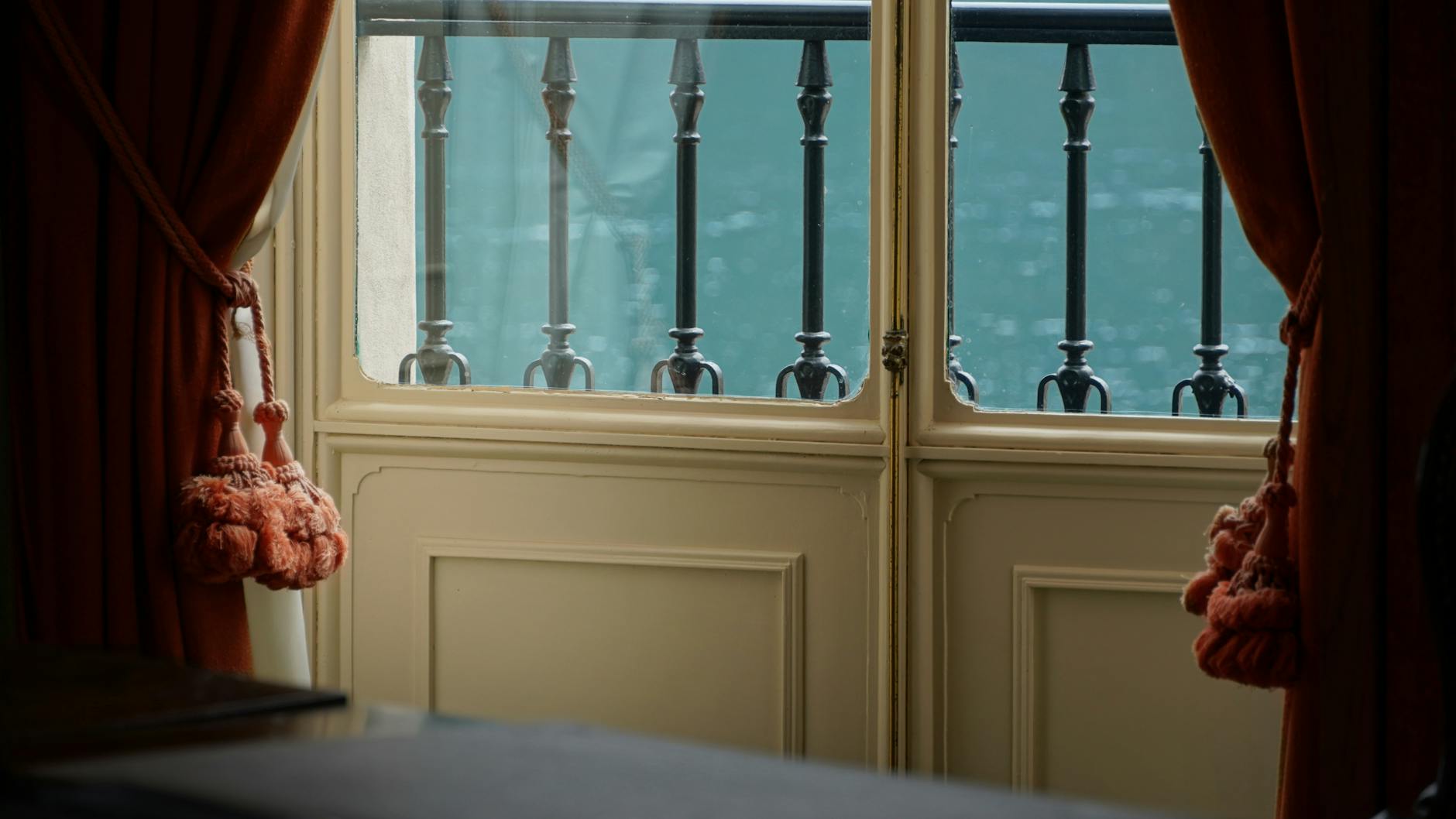
San Siro is a residential district, which means the short-let apartment stock is large and often better value than the hotels, particularly for families or groups of four or more. You get a kitchen, a supermarket round the corner and a normal Milanese street. Two cautions: check the walking distance to a metro station rather than to the stadium, because the two are not the same thing, and confirm the check-in arrangements, since many of these are self-managed with a keybox. Our guide to apartments in Milan covers the rules and the tourist tax.
Prices and when they move
On an ordinary weeknight, comparable accommodation out here costs meaningfully less than the same standard near the Duomo — this is a business and events district rather than a tourist one, and the market reflects it. Then the calendar does something violent.
- Matchdays lift prices across the immediate area, sharply for a derby or a Champions League night.
- Stadium concerts in June and July do the same thing and sell out the walkable hotels months ahead.
- Trade fairs are the big one. When Rho or Fiera Milano City is running a major fair — and Design Week in April is the extreme case — the whole city sells out and prices double or triple, this district included, regardless of whether anything is on at the stadium.
- Fashion Week in February and September has a similar if smaller effect.
The lesson is to check what is on before you assume this area is the cheap option. Event nights push up demand for rooms out here, and prices follow.
If your event is at the much larger Rho site rather than Fiera Milano City, the geography is completely different — see our Fiera Milano Rho guide.
Getting around from here
Better than the location suggests. The M5 lilac line runs from San Siro Stadio through Lotto, Portello, Garibaldi and Milano Centrale, so both the main station and the northern nightlife districts are direct. The M1 red line from Lotto goes straight to Cadorna, Cairoli and Duomo. Tram 16 runs into the centre at street level. Everything costs the standard €2.20 urban fare, and a daily or multi-day ATM pass pays for itself quickly from out here. Our Milan metro guide and guide to getting to San Siro cover the detail.
For the airports: Malpensa is the nearest of the three and the coach from Lampugnano, on the M1, is a genuine convenience. Linate is a long cross-city journey. Our airport transfers guide compares the options.
Eating and evenings
Honestly: thin, but not empty. The neighbourhood trattorie around Via Novara and the streets south of the ground are solid, unpretentious and cheap by Milan standards, and they are full of people who live here. CityLife and Portello have the newer, glossier restaurants and a proper choice of cuisines. What you will not find is a bar scene — for that you go into the centre, and you should plan to. Our guides to the best restaurants in Milan and to aperitivo cover where the evening actually happens.
On matchdays the whole picture changes: everything within a kilometre of the stadium is full from four hours before kick-off, and the bars showing the football are standing room only.
Frequently asked questions
Are there hotels actually next to San Siro stadium?
Yes — a small number within a ten-minute walk, of which B&B Hotel Milano San Siro and Rubens Hotel are the best known. The stock is limited, so for a big fixture or a concert you need to book months rather than weeks ahead.
Is it safe to stay near San Siro?
Yes. It is an ordinary residential district, quiet in the evenings, well lit on the main roads and heavily policed on event days. Normal city precautions apply in the matchday crowds, and our is Milan safe guide covers the wider picture.
How far is San Siro from the Duomo?
San Siro is on the western side of the city, reached by metro (M1 to Lotto, then the M5) or by tram 16; check ATM’s journey planner for the current route and time. Not walkable in any useful sense.
Should I stay near San Siro just for one match?
For an ordinary league fixture, no — stay centrally and take the metro, and walk to Lotto afterwards to skip the queue. For a derby, a Champions League knockout tie or a stadium concert, yes, if the price difference is reasonable. Those are the nights when getting home is genuinely difficult.
Is CityLife a good base for a general Milan trip?
Better than San Siro proper, and still not as good as being central. You get modern hotels, good food, a park and the M5, but you are paying central-ish prices to be twenty minutes from everything you came to see. It suits business travellers and repeat visitors more than first-timers.
What about staying near San Siro without a car?
Entirely fine. The M5 stops at San Siro Stadio, the M1 at Lotto is a walk away, and tram 16 and buses also serve the area, so you can manage without a car; check ATM for match-day diversions. The car is an advantage out here, not a requirement.
Final thoughts
Choosing between hotels near San Siro is really a question about what your trip is for. If the stadium is the reason you are in Milan — a derby, a European night, a concert — then staying out here removes the single most annoying part of the evening and is worth paying for. If the stadium is one item on a longer list, stay in the centre, accept the 25-minute journey, and walk to Lotto afterwards like everybody who knows the ground does. The one thing not to do is book out here because it looked cheap on a map without checking what is on at the stadium that week.