For a city obsessed with the new collection, Milan is a surprisingly brilliant place to buy old clothes. Decades of Milanese style have to go somewhere, and a lot of it ends up in the vintage shops of Navigli and the monthly markets along the canals, where a patient afternoon can turn up a 1980s Versace blazer or a perfect pair of worn-in Levi’s. I have lost whole Sundays to this, and I have never regretted one.
The best vintage shopping in Milan splits between curated designer boutiques like Cavalli e Nastri and Vintage Delirium, affordable second-hand chains like Humana and Bivio, and the big flea markets, above all the monthly East Market and the antiques market on the Naviglio Grande. Navigli, Porta Venezia and Isola are the richest hunting grounds.
This guide sits within our broader Milan shopping guide and complements our roundup of Milan’s markets. Vintage shopping Milan style runs from museum-grade couture to two-euro charity rails, so I have organised it by what you want to spend and what you hope to find. Prices and market dates change, so always check before a special trip.
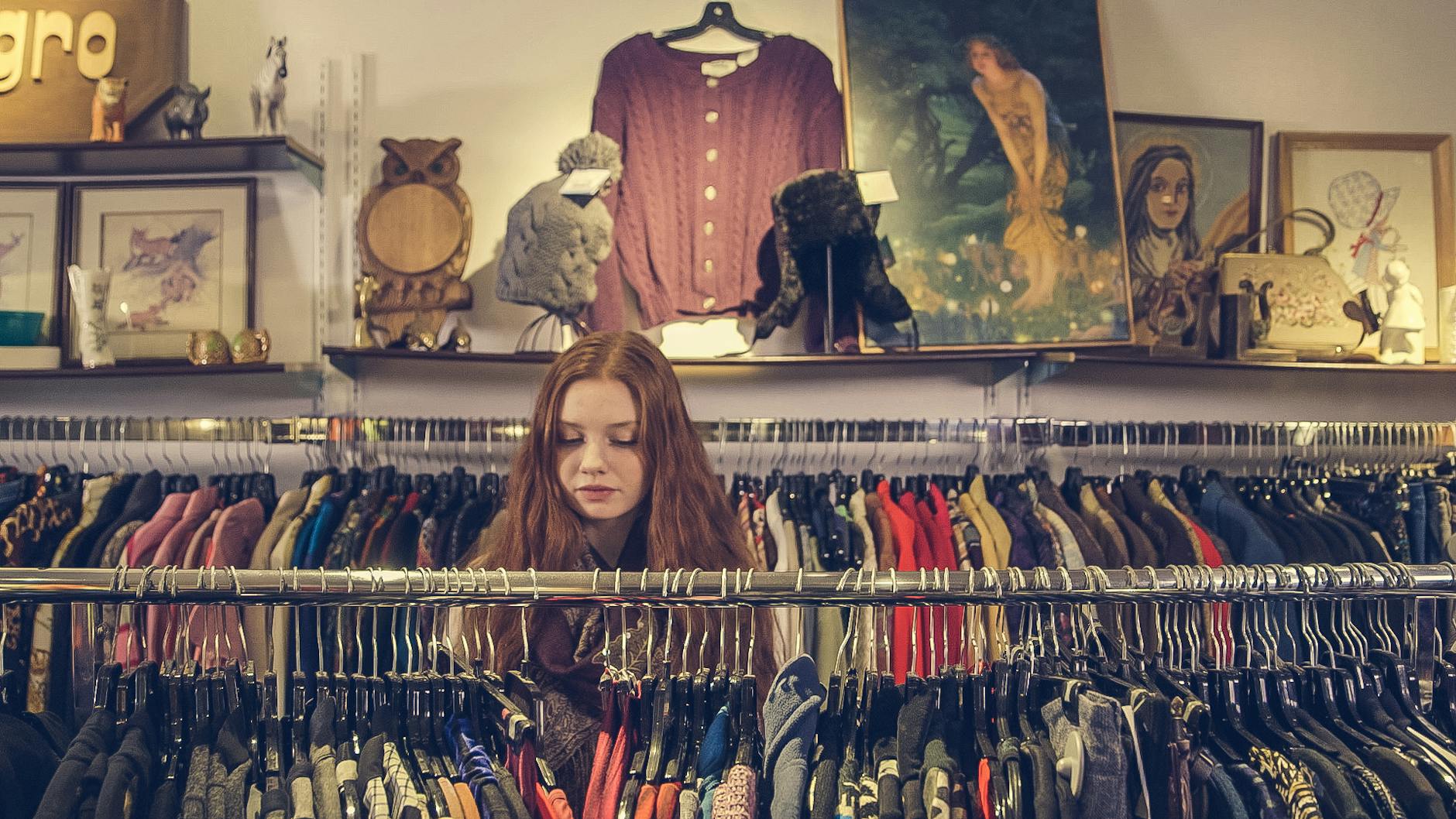
Milan vintage shopping at a glance
A quick orientation to the main shops and markets, from high-end to bargain. Opening days, and especially market dates, shift month to month, so confirm in advance.
| Spot | Type | Area | Price |
|---|---|---|---|
| Cavalli e Nastri | Curated designer vintage | Brera, Navigli | €€€ |
| Vintage Delirium | Archive couture, rare pieces | Near Brera | €€€ |
| Bivio | Buy-sell-trade resale | Porta Venezia, Navigli | €€ |
| Humana Vintage | Charity second-hand | Duomo, Navigli | € |
| East Market | Monthly flea market | Lambrate | €–€€ |
| Mercatone Naviglio Grande | Antiques market | Navigli canal | €–€€€ |
Curated and designer vintage shops
If you want the best of Milanese fashion history without trawling rails, these curated boutiques have already done the editing for you. Prices are high, but so is the quality.
Cavalli e Nastri
Cavalli e Nastri is the name everyone mentions first, and rightly so. Its beautifully arranged shops in Brera and along the Navigli canals feel more like small museums than thrift stores, with immaculate Chanel, Pucci, Dior and Italian couture from across the twentieth century. You will pay designer prices, but for a special, investment-grade piece it is the most reliable address in the city. Even if you only browse, it is worth it for the education.
Vintage Delirium
Tucked near Brera, Vintage Delirium is the archive of collector Franco Jacassi and a genuine pilgrimage site for fashion people; designers themselves come here to buy reference pieces, rare fabrics, antique buttons and one-off couture. It is rarefied and not cheap, but there is nothing else quite like it, and the staff treat the stock with the seriousness it deserves. Go for the experience as much as the shopping.
Madame Pauline and the boutique scene
Around the centre and Navigli you will find a cluster of smaller curated shops, Madame Pauline Vintage among them, specialising in designer accessories, silk scarves and statement bags at prices below the boutiques but above the flea markets. These are the places to find a vintage Gucci belt or a Hermès scarf in good condition, a lovely alternative to the full-price fashion district a short walk away.
Affordable and second-hand
Not all vintage in Milan costs a fortune. The city has a strong second-hand and charity scene where the thrill is in the hunt rather than the label.
Humana Vintage, run by the Humana People to People charity, has shops near the Duomo on Via Cappellari and in Navigli, packed with affordable second-hand and vintage clothing that is properly sorted and easy to browse, with proceeds going to good causes. Bivio works on a buy-sell-trade model with branches in Porta Venezia and Navigli, which means a fast-changing stock of designer and high-street resale at mid-range prices; it is my pick for finding a discounted contemporary label. Add a handful of independent thrift and resale shops scattered through Isola and the canals, and you can fill a bag for the price of one boutique T-shirt. For more ways to see the city cheaply, our budget Milan guide is the companion read.
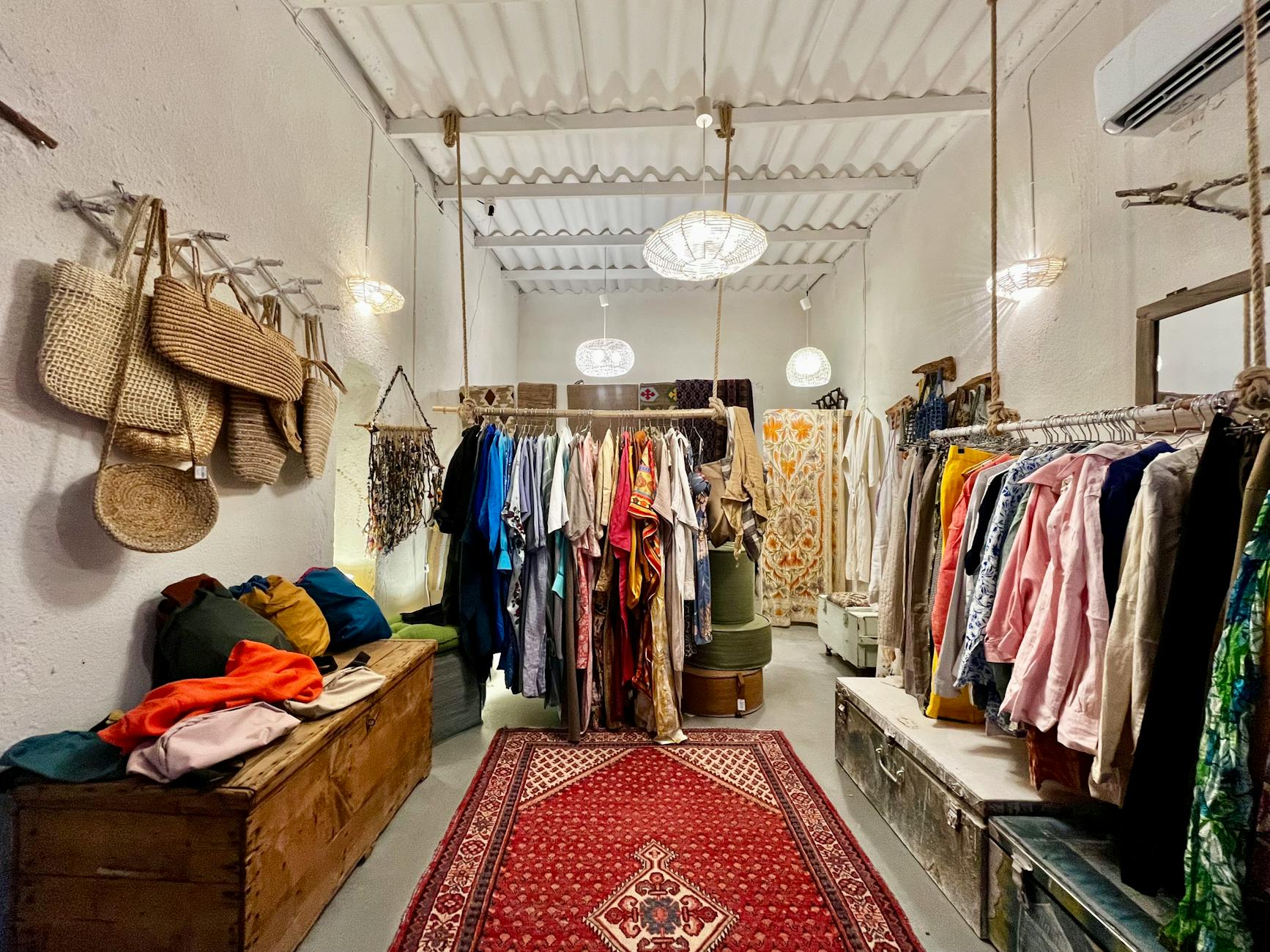
Milan’s vintage and flea markets
The markets are where vintage shopping in Milan gets really fun, and where the bargains live. Three are unmissable.
East Market
East Market is the city’s flagship vintage flea market, held roughly monthly in a warehouse out in Lambrate, east of the centre. Modelled on the East London markets, it gathers hundreds of stalls of vintage clothing, vinyl, furniture, militaria and bric-a-brac, with street food and music to keep you going. It is the single best day for vintage in Milan, but it only runs on set Sundays, so check the schedule and go early for the best stock.
Mercatone dell’Antiquariato sul Naviglio Grande
On the last Sunday of most months, the towpath of the Naviglio Grande in Navigli fills with around 400 stalls for the great antiques market, a Milanese institution. Check the dates on the organiser’s calendar before you go. It leans more towards antiques, prints, jewellery and homeware than clothing, but among the stalls you will find vintage accessories, watches and the odd textile treasure. Combine it with a canal-side lunch and a late-afternoon aperitivo and you have a perfect Sunday.
Fiera di Sinigaglia
Every Saturday, the long-running Fiera di Sinigaglia sets up near the Darsena and Ripa di Porta Ticinese, a gloriously eclectic flea market of vintage clothing, records, leather, ethnic crafts and general junk-shop joy. It is grittier and cheaper than the Sunday antiques market, and all the better for it if you like to dig.
Best neighbourhoods for vintage
Navigli is the undisputed heart of it, with the highest concentration of vintage shops and the two big Sunday markets on its doorstep. Porta Venezia has become a hub for younger resale and second-hand, Bivio included, and pairs well with the area’s café scene. Isola and the streets around Corso Garibaldi hide a few sharp independents, while Brera and the centre hold the high-end curated boutiques. If you have one afternoon, base yourself in Navigli; for a weekend, add Porta Venezia. Tie it together with our markets guide and a look at what to buy in Milan generally.
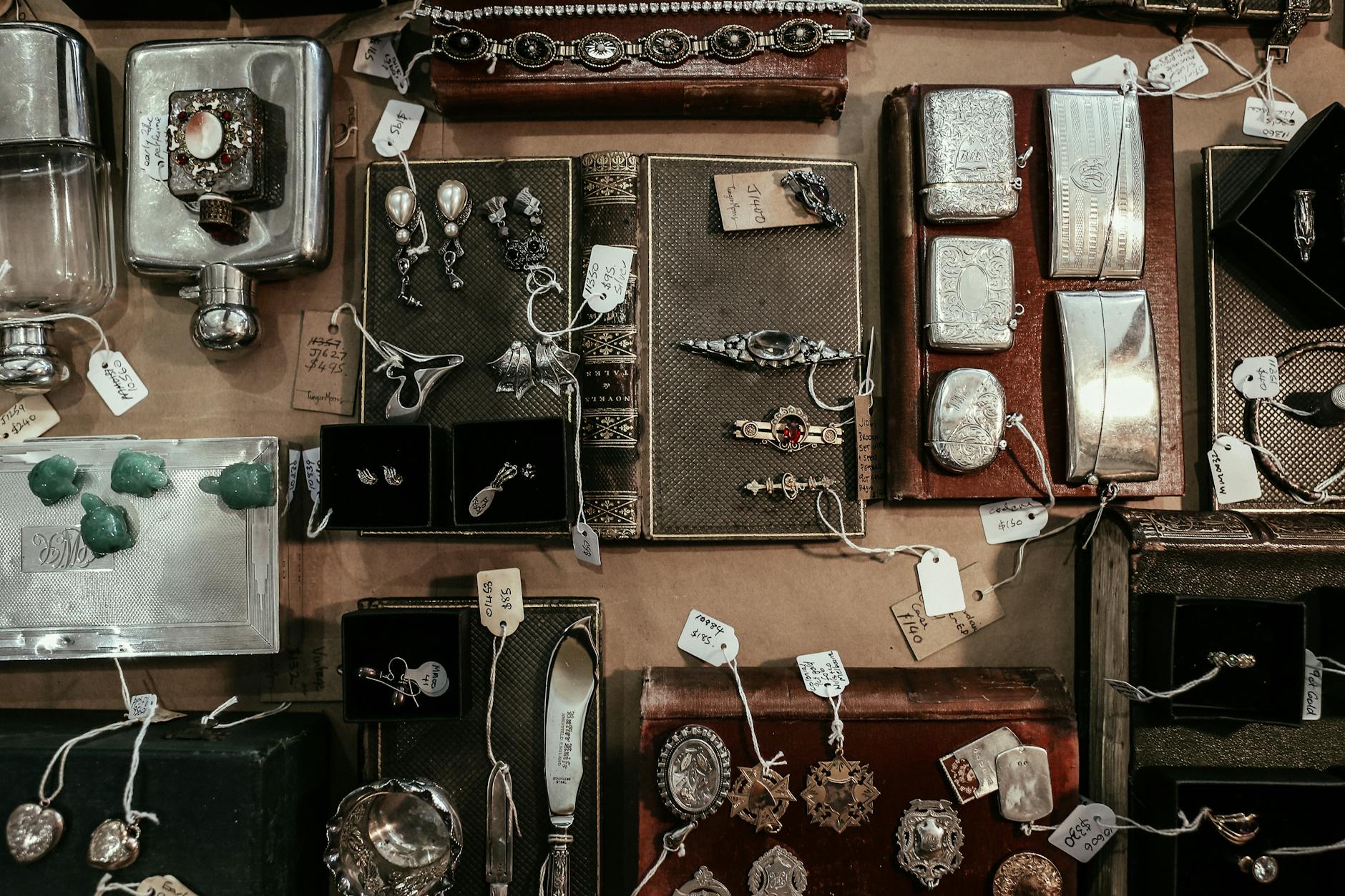
Tips for vintage shopping in Milan
A few things I have learned. Time it around the markets: the best single days are the East Market Sunday and the last-Sunday antiques market, so plan your trip if vintage is a priority. Carry cash: many market stalls and smaller shops do not take cards, though most fixed boutiques do. Try things on and check measurements, because vintage Italian sizing bears little relation to modern labels and there are rarely returns. Polite haggling is accepted at markets, less so in curated shops. And remember that genuine designer vintage can qualify for a VAT refund if bought in a registered shop and you live outside the EU, as our tax-free shopping guide explains; for new-season discounts instead, the outlet malls near Milan are the other route to a bargain.
Frequently asked questions
Where is the best vintage shopping in Milan?
For curated designer vintage, Cavalli e Nastri in Brera and Navigli is the top address, with Vintage Delirium for rare archive pieces. For affordable finds, Humana and Bivio lead the second-hand scene. And for sheer choice, the monthly East Market in Lambrate is the best single day. Navigli has the densest concentration of shops and markets if you only have one afternoon.
When are the vintage markets in Milan?
East Market runs on set Sundays roughly once a month in Lambrate, so check its schedule. The big antiques market on the Naviglio Grande is normally held on the last Sunday of most months (check the organiser’s calendar for the dates), and the Fiera di Sinigaglia flea market takes place every Saturday near the Darsena. Dates can shift around holidays, so always confirm before making a special trip.
Is vintage shopping in Milan expensive?
It spans the full range. Curated designer boutiques like Cavalli e Nastri charge serious money for investment pieces, while charity shops like Humana and the flea markets sell clothing for a few euros to a few tens of euros. Resale shops such as Bivio sit in between. You can spend a fortune or almost nothing depending on where you go, which is part of the appeal.
Can I find designer vintage in Milan?
Yes, and it is one of the best cities in Europe for it. Decades of Italian fashion mean shops like Cavalli e Nastri, Vintage Delirium and Madame Pauline are full of vintage Gucci, Prada, Versace, Chanel and more, in excellent condition. The markets occasionally turn up designer pieces too, for the patient and sharp-eyed. Authenticity is generally reliable in the established curated shops.
Which Milan neighbourhood is best for vintage?
Navigli is the clear answer, with the most vintage shops and the two major Sunday markets along its canals. Porta Venezia is the rising area for younger resale and second-hand, while Brera and the centre hold the high-end curated boutiques. For one focused afternoon, head to Navigli; with more time, add Porta Venezia and a market Sunday.
Final thoughts
Vintage shopping is, for me, the most rewarding way to shop in Milan, partly because it is cheaper than the boutiques and partly because the finds feel earned. My ideal version is a last-Sunday morning on the Naviglio Grande, coffee in hand, working slowly down the stalls before lunch by the water. But whether you are after a serious couture investment from Cavalli e Nastri or a two-euro shirt from a Humana rail, the city rewards a bit of patience and a willingness to dig. Bring cash, wear good shoes, and leave room in your suitcase.