I’ve been chasing contemporary art Milan shows for the better part of a decade, and I’ll say it plainly: this is the city where living artists actually get treated like the main event. Rome has the antiquities. Venice has the Biennale every other summer. But Milan is the place where galleries open new shows on a Thursday night in October and the rooms fill with collectors who flew in for Fashion Week and stayed for the openings. The contemporary art scene here runs on industrial spaces that used to make tires and locomotives, on Portaluppi villas that have been quietly restored, and on a circuit of foundations that the rest of Italy hasn’t matched. If you have two or three days and a pair of shoes you don’t mind walking in, you can see more living-artist work in Milan than in any other Italian city.
April brings a city-wide programme of free installations alongside the gallery openings — see our Fuorisalone districts guide.
I’ll lay out the foundations worth your time, the commercial galleries that punch above their weight, the neighborhoods where they cluster, and a four-hour walking route I’ve used with friends visiting from out of town. I’ll also tell you where to eat between gallery stops, because there is nothing worse than getting through three exhibitions on an empty stomach and resenting all of them by the fourth.
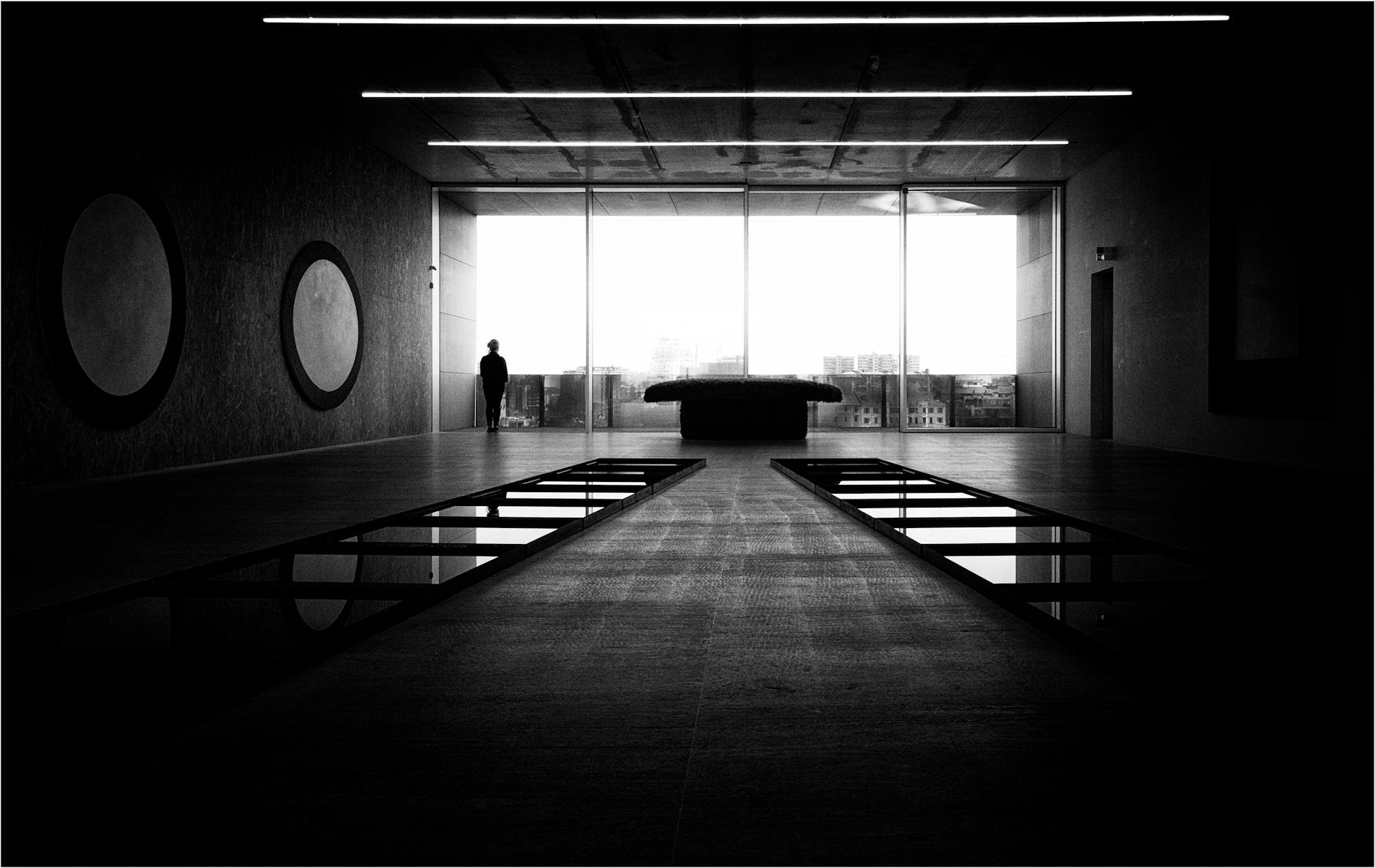
Why Milan is Italy’s contemporary art hub
Italy has more museums than almost any country on earth, but most of them stop somewhere around 1960. Milan is the exception. The city has more galleries showing living artists than Rome and Turin combined, and the reason is mostly economic. Milan is where the money is — fashion houses, design firms, advertising, finance — and that money funds private foundations and buys gallery work in a way that southern Italy and even the capital simply do not match. The collectors here are serious. Many of them sit on foundation boards.
Two events anchor the calendar. miart, the international modern and contemporary fair, runs April 17-19, 2026 at Allianz MiCo and brings 160 galleries from 24 countries to town for its thirtieth edition. It pulls every commercial gallery in the city into a coordinated week of openings called Milano Art Week. Then there is Salone del Mobile in mid-April and Fashion Week in February and September, which drag international collectors into town who treat gallery visits as built-in itinerary. Pirelli HangarBicocca and Fondazione Prada are the institutional anchors, both of them showing work at a scale you cannot really find in private commercial spaces anywhere else in Europe. The result is a city where contemporary art is woven into the calendar rather than treated as a curiosity, and where you can build a long weekend entirely around it without ever entering a Renaissance church. (I love the Renaissance churches. But that’s a different article — see the museum guide for that.)
Major art foundations to visit
The foundations are the backbone. If you only have one afternoon, start here.
Pirelli HangarBicocca
A former locomotive factory in the northern Bicocca district that the Pirelli group converted into one of the largest contemporary art spaces in Europe — over 15,000 square meters under three connected industrial halls. The permanent installation, Anselm Kiefer’s The Seven Heavenly Palaces, is seven concrete towers that lean and tilt in a dark hall and is, in my opinion, the single most powerful work of contemporary art on permanent display anywhere in Italy. Temporary shows have included Cao Fei and a Rirkrit Tiravanija retrospective called The House that Jack Built. Admission is free. Address: Via Chiese 2, 20126. Hours: Thursday-Sunday 10:30am-8:30pm, closed Mon-Wed. Take the M5 lilac line to Ponale or Bicocca. The Iuta Bistrot inside is genuinely good for lunch.
Fondazione Prada
Largo Isarco 2, in the post-industrial south of the city. Rem Koolhaas and OMA converted a 1910 distillery complex into a campus of exhibition halls including the gold-leaf-clad Haunted House, a nine-story Torre with the permanent collection, and the much-photographed Bar Luce by Wes Anderson. The programming swings between historical surveys (Goshka Macuga, Jannis Kounellis retrospectives) and ambitious living-artist commissions. Open every day except Tuesday, 10am-7pm. The cinema is part of the campus too — they screen properly weird stuff. I’ve covered this one in detail in the dedicated Fondazione Prada guide if you want to go deep.
Fondazione Carriero
Tucked into Casa Parravicini at Via Cino del Duca 4, a 14th-century palazzo near the Quadrilatero del Silenzio, this is the foundation locals send each other to. Founded in 2013 by collector Giorgio Carriero, it has no permanent collection — it does carefully curated shows two or three times a year (Lygia Pape, David Tremlett) inside frescoed rooms that the architects deliberately left intact. The contrast between medieval ceilings and contemporary installation is the whole point. Free admission, and rarely crowded.
Fondazione ICA Milano
The Istituto Contemporaneo per le Arti opened in 2019 at Via Orobia 26 in the southern industrial belt, a short walk from Fondazione Prada. The programming leans young — they show artists who haven’t yet had their first major museum survey — and the space itself is a converted industrial shed that you’d miss if you didn’t know to look for it. Pair this with Prada in a single south-side afternoon.
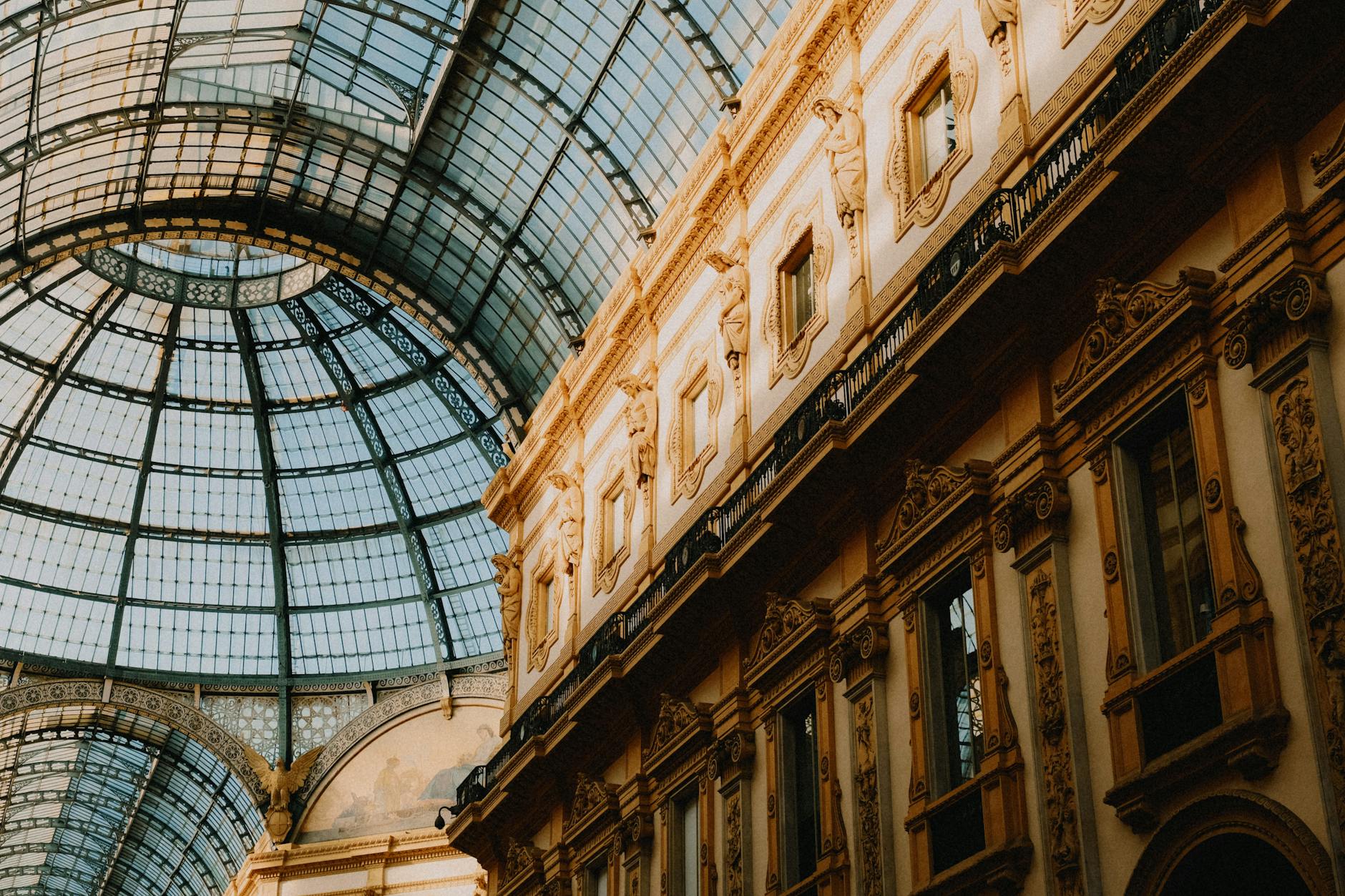
Top commercial galleries
These are the rooms where work actually changes hands. All of them are free to walk into. Don’t be intimidated — gallerists in Milan are used to non-buyers wandering in, and if you ask a polite question you’ll usually get a polite answer.
-
MASSIMODECARLO — Since 2019 the gallery’s Milan flagship has occupied Casa Corbellini-Wassermann at Viale Lombardia 17, a 1934-36 Piero Portaluppi villa with marble interiors so opulent they nearly upstage the art. Eight rooms across two floors, recently restored by Studio Binocle. Massimo De Carlo represents Yan Pei-Ming, Rudolf Stingel, Maurizio Cattelan among others. If you visit one commercial gallery in Milan, make it this one. Free, Tue-Sat.
-
Galleria Lia Rumma — Via Stilicone 19, in the Sarpi/Cenisio area. Rumma started in Naples in the 1970s showing Arte Povera and conceptual artists when nobody was buying them; her Milan space, opened in 2010, is a four-floor concrete building she had purpose-built. The roster includes William Kentridge, Marina Abramović, Anselm Kiefer. Tue-Sat 11am-1:30pm and 2:30-7pm, Mondays by appointment.
-
Cardi Gallery — Corso di Porta Nuova 38, near the Brera fringe. Strong in postwar Italian masters (Burri, Fontana) but with contemporary programming that ties the historical work to living artists. The space is double-height and elegant. Good for a quieter visit between busier stops.
-
Galleria Raffaella Cortese — The most interesting gallery footprint in the city. Cortese has four separate spaces clustered on Via Antonio Stradella (numbers 1, 4, 7, and 15) in the residential Città Studi district. Walking between them feels like a small art crawl all on its own. Represents Yael Bartana, Joan Jonas, Kimsooja. Strong on photography and video. Open since 1995.
-
Kaufmann Repetto — Via di Porta Tenaglia 7, just off the Brera-Garibaldi axis. Co-run by Francesca Kaufmann and Chiara Repetto, the gallery shows internationally — Pae White, Eva Rothschild, Andrea Bowers — and tends to mount well-produced, ambitious solo shows rather than parade-of-artists group exhibitions. Reliable.
-
Galleria Monica De Cardenas — Via Francesco Viganò 4, near Porta Volta. Roster includes Stephan Balkenhol and Alex Katz on the Italian side. The gallery also runs a satellite space in Zuoz, Switzerland, which gives the programming an Alpine-North European tilt you don’t see elsewhere in Milan.
-
Francesca Minini — Via Massimiano 25, in Lambrate. Founded in 2006, in bare-bones industrial space. Minini focuses on emerging international artists, with particular strength in work from the Middle East and South America. The exhibitions are scrappier and more current than what you’ll see at the bigger names — and that’s a feature, not a bug.
Gallery neighborhoods — where to walk
Galleries are clustered in four pockets, and knowing which is which will save you an hour on the metro.
Brera and the Porta Nuova fringe. Historically the art-school district around the Pinacoteca di Brera, this is where you’ll find Kaufmann Repetto, Cardi Gallery, Monica De Cardenas, and a handful of smaller spaces on Via Solferino and Via Palermo. The Brera neighborhood guide covers the broader context — bookshops, restaurants, the academy. Walkable in an afternoon.
Porta Venezia and Via Stradella. The Città Studi area east of Porta Venezia is where Raffaella Cortese has her four spaces, and where a number of artist studios sit. It’s residential, leafy, and feels nothing like the design-week Milan that tourists see. Pair it with a coffee on Corso Buenos Aires — see the Porta Venezia guide for that strip.
Lambrate. Northeast of the center, this was a major industrial zone that started its art-and-design conversion around 2000. Big industries in Lambrate went into decline and left enormous unused warehouses behind; the city actively courted creative tenants, and architects’ studios, design schools, and galleries moved in along Via Ventura, Via Massimiano, and Via Conte Rosso. Francesca Minini, Prometeo Gallery Ida Pisani, and a cluster of smaller spaces. Best visited on a Saturday when everyone is open.
Isola. The neighborhood north of Garibaldi station, hemmed in by the Bosco Verticale towers. Nilufar Depot, the design gallery run by Nina Yashar, is the anchor here — it’s at Viale Vincenzo Lancetti 34 in a former silverware factory and is worth the trip even if you don’t usually love design. The Isola guide has more on the neighborhood’s restaurants and bars.

Where to eat between galleries
Three or four exhibitions on an empty stomach is a recipe for losing patience with everything, so plan a meal in. Here is what I actually use.
- Iuta Bistrot — Inside Pirelli HangarBicocca. Open Mon-Wed 11am-3pm and Thu-Sun 10:30am-10:30pm. Pasta of the day, well-made salads, espresso. The room itself is part of the gallery campus. Convenient and genuinely good.
- Bar Luce — Wes Anderson-designed café inside Fondazione Prada. Pastel formica, jukebox, pinball. Sandwiches and pastries are the move, not full meals. Order an americano at the bar standing up and it costs nearly nothing.
- Ratanà — Via Gaetano de Castillia 28, in Isola. Cesare Battisti’s Lombard cooking — risotto alla milanese, cassoeula in winter — in a Liberty-era railway building. Book ahead, especially Thursday and Friday nights, which are gallery-opening nights.
- Trattoria della Trebbia — Via della Trebbia 4, near Fondazione Prada in the southern district. Old-school Milanese trattoria, no English menu, cash-friendly. Good lunch stop before or after Prada and ICA.
- Pavé — Via Felice Casati 27, walkable from Porta Venezia and the Stradella galleries. Modern Italian bakery-café. Best maritozzo in the city, in my opinion. Stop here for breakfast before you start the Cortese spaces.
Practical tips
- Hours. Most commercial galleries open Tuesday through Saturday, roughly 11am-7pm with a long lunch break (1:30-3pm is dead, do not try to visit then). Foundations have their own schedules — HangarBicocca is Thu-Sun, Fondazione Prada closes Tuesdays.
- Thursday openings. The gallery week runs on Thursday-night vernissages. If you can be in Milan on a Thursday during the season (roughly September-June, excluding August), do it. Even one opening will give you a better feel for the scene than three solo daytime visits.
- miart and Milano Art Week. April 17-19, 2026. The whole gallery system coordinates programming that week — even the smaller spaces in Lambrate stay open later and host parties. Book a hotel two months out.
- Cocktails in the Studio. A long-running program where artists open their Milan studios to the public on selected evenings. Check the listings on the city’s contemporary art community sites before your trip — it’s one of the better ways to see work in progress rather than finished.
- Free admission. Almost every commercial gallery in Milan is free. So is HangarBicocca. Fondazione Prada and Fondazione ICA charge admission. Budget accordingly, but the discovery cost of walking into a commercial gallery is zero.
- Reservations. Foundations sometimes ask for online reservation (HangarBicocca offers it for priority access, though walk-ins are usually fine). Commercial galleries never require it.
- August. Milan empties out. Many galleries close for the whole month. Don’t plan a contemporary-art trip in August. See the itineraries guide for better-timed alternatives.
Best time to visit
Two windows beat everything else.
Mid-April for miart and Milano Art Week (April 17-19, 2026, with the VIP preview on April 16). Galleries push their best programming to align with the fair. The weather is mild, the city is in a good mood, and you’ll see more work in five days than you would in three weeks at another time. The downside: hotels triple in price, and you’re competing for tables with international collectors.
Late September into October, tied to Milan Fashion Week. The gallery openings cluster on the Thursdays of fashion week and the weeks immediately after. It’s quieter than miart but the work on the walls is fresh — new fall programs start in mid-September after the August closures. Light is good, weather is reliable, and Milan generally looks its best.
Avoid August (closed), early January (post-holiday quiet), and the depths of November (gray and damp, though shows are good).

Self-guided gallery walk itinerary
Here is a four-hour route I’ve actually done. It assumes a Saturday morning start.
10:30am — Pirelli HangarBicocca. Take M5 to Ponale. Spend 90 minutes with Kiefer’s Seven Heavenly Palaces and whatever temporary show is up. Eat at Iuta Bistrot if it’s busy, or save lunch for later.
12:30pm — Back to center on M5, switch to M3 yellow, get off at Porta Romana. Walk south fifteen minutes to Fondazione Prada at Largo Isarco 2. Quick lunch at Bar Luce — pastry and espresso standing up. Spend an hour and a half in the Torre and whatever’s on in the temporary halls.
3:00pm — Walk ten minutes west to Fondazione ICA Milano, Via Orobia 26. One small show, 30-45 minutes, sharper and younger than Prada.
4:00pm — Tram or taxi north to Viale Lombardia 17 for MASSIMODECARLO at Casa Corbellini-Wassermann. The Portaluppi villa is half the reason to come. 45 minutes.
5:00pm — Walk fifteen minutes east into Città Studi for the Galleria Raffaella Cortese spaces on Via Stradella. Four small rooms on a single street. 30-40 minutes total, including the walks between them.
6:30pm — Aperitivo at Pavé on Via Felice Casati, or push north to Ratanà in Isola if you booked dinner.
That route covers two foundations, the strongest commercial gallery in the city, and a cluster of smaller rooms — four hours of pure contemporary art with a meal built in. Modify based on which day you’re in Milan: HangarBicocca is closed Mon-Wed, Prada is closed Tuesdays, commercial galleries are closed Sundays.
FAQ
Do Milan art galleries charge admission?
Commercial galleries are free — walk in off the street. Foundations vary: Pirelli HangarBicocca is free, Fondazione Prada and Fondazione ICA charge admission. Public museums like Museo del Novecento and MUDEC are paid but reasonably priced.
What are typical gallery hours?
Tuesday-Saturday, roughly 11am-7pm, with a long lunch closure from about 1:30pm to 3pm. Mondays are closed or by appointment. Sundays are closed except for the foundations. August is largely shut citywide.
How do I find out what shows are on?
The best aggregators are Artforum’s artguide for Milan, the Milano Art Community listings, and individual gallery Instagram accounts — most Milan galleries post installation views the day a show opens. The city’s Milano Art Week site publishes a coordinated calendar each April.
What is gallery etiquette? Will I feel out of place?
No. Walk in, look around, leave. You don’t need to say anything. If a gallerist greets you, a polite buongiorno is enough. If you want a price list or information on the artist, ask — they’re used to it and will hand you a printed sheet. Dressing decently helps; Milan is a city that notices clothes. You don’t need to wear black, but don’t show up in athletic wear and expect to blend in.
Can I actually buy work?
Yes, and you don’t need to be a million-euro collector to do it. Works on paper, photography editions, and prints from emerging artists at galleries like Francesca Minini can start in the low four figures. Larger commercial galleries handle international shipping. Ask for a price list and start a conversation — Milan gallerists are accustomed to first-time buyers and will not push you.
Is contemporary art Milan worth a dedicated trip versus combining with other sights?
If you’ve already done the standard Milan tour — Duomo, the main attractions, Pinacoteca di Brera — a long weekend focused on contemporary art is absolutely worth it. If it’s your first visit to the city, weave the foundations into a broader itinerary. The things-to-do guide has suggestions for combining contemporary art with the rest.
Final thoughts
The case for contemporary art in Milan is pretty simple: nowhere else in Italy do living artists get this much exhibition space, this much institutional support, and this much collector attention at the same time. The foundations are world-class. The commercial galleries are genuinely interesting rather than just decorative. The whole circuit is walkable across four neighborhoods, free or close to it for most of the spaces, and woven into a city that has restaurants and trams and a metro that mostly works. If you give it a long weekend — ideally tied to miart in April or the September openings — you’ll see more new work than you would in a month of museum-hopping in Rome. Bring comfortable shoes, plan around Thursday openings, and don’t try to do it in August.
