The Milan museum pass question has a less tidy answer than people expect: there are several, and each covers something different. The Comune di Milano sells two civic museum cards, the YesMilano City Pass bundles museums with transport, and there are at least five different products marketed as “Milan museum passes,” so most travelers buy the wrong one — usually the flashiest, most expensive one that doesn’t cover the museums they actually want to see. After spending more time in Milan’s civic museums than is probably healthy, I’ve worked out which passes pay for themselves, which ones quietly don’t, and which days you should leave your wallet at the hotel because the museums are free anyway. The short version: the Domenica al Museo program on the first Sunday of every month is the best deal in Milanese culture, the Tessera Musei Milano costs €15 a year and beats every tourist pass for people staying longer than a weekend, and the MilanoCard is rarely worth €30 for three days unless you’re using it for the transport.
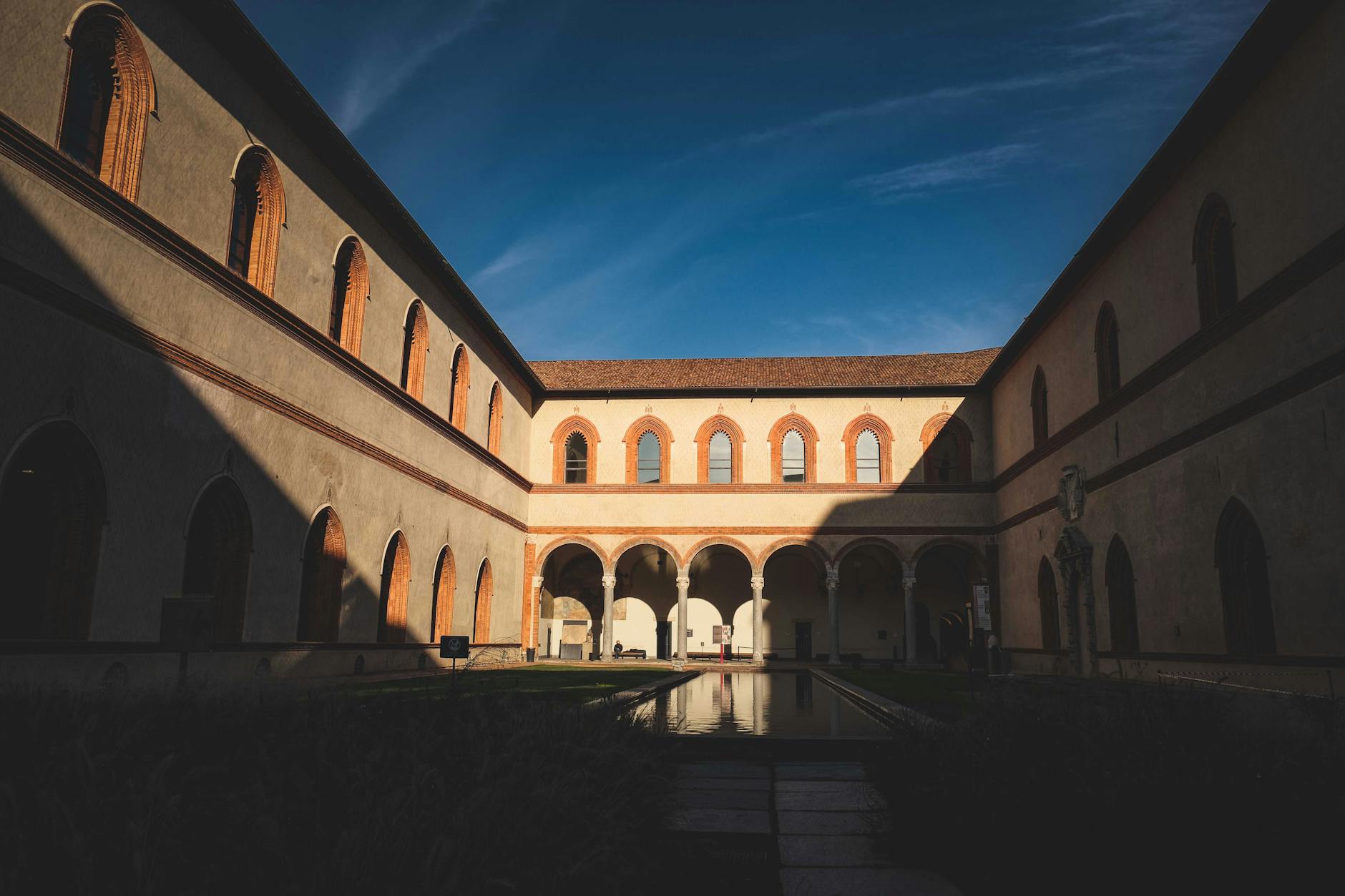
The honest truth about Milan museum passes
Milan doesn’t have a single, unified museum pass the way some European cities do. What it has is a layered system: the city government runs about a dozen civic museums (musei civici), the Italian state runs the big national ones like Brera and the Cenacolo Vinciano, and private foundations (Prada, Pirelli HangarBicocca, Fondazione Feltrinelli) run the rest. The civic cards cover the museum routes, but exhibitions with a surcharge mean paying the supplement on top; the annual Milano Museo Card takes 20% off exhibitions at Palazzo Reale, PAC and Fabbrica del Vapore.
This matters because the slick websites selling “Milan City Pass” or “Yes Milano Pass” deliberately blur the distinction. They include some civic museums, sometimes the Duomo rooftop, occasionally a Last Supper time slot — but the headline number on the price tag rarely reflects what you actually want to do. A pass saves very little if the Fondazione Prada show you came for isn’t included, or if its transport ticket is wasted on a hotel two blocks from the Duomo.
If you take one thing from this article: figure out the specific museums you want to visit first, then check which pass (if any) covers them. Don’t do it the other way around. For a broader orientation to what’s worth your time, my Milan museums guide walks through the collections themselves.
Domenica al Museo — the actual free museum day in Italy
The single best deal in Milanese culture is Domenica al Museo — Sunday at the Museum — which is the Italian Ministry of Culture’s program making state-run museums free on the first Sunday of every month. It’s been running since July 2014, and almost no tourist guidebook explains it properly.
What’s free in Milan on the first Sunday: Pinacoteca di Brera (normally €20 for the La Grande Brera ticket), the Cenacolo Vinciano housing Leonardo’s Last Supper (normally €15, with booking compulsory), the Palazzo Citterio Brera extension, the Museo del Cenacolo Vinciano, and parts of the Castello Sforzesco complex. Milan’s musei civici — the city-run museums — separately offer free entry on the first Sunday of the month too, including Museo del Novecento, GAM, Museo Archeologico, and the Acquario Civico.
The catch nobody warns you about: free does not mean walk-in. The Last Supper specifically requires a reservation, and free-Sunday tickets are released on the official site at 12:00 Rome time on the preceding Wednesday. Be at your laptop at noon that Wednesday and book straight away: the museum doesn’t guarantee availability.
Brera opens at 8:30, free Sundays included, and the free Sunday needs a reservation there too. Book a slot at opening, or one at 16:30, which still leaves well over two hours before the 19:15 close. The Pinacoteca itself is worth its own afternoon, and my Brera guide covers what to look at when you’re inside.
The Castello Sforzesco’s free Sunday is the easiest of the lot — it’s a large complex with multiple museums (Pinacoteca, Egyptian Museum, Museum of Ancient Art including Michelangelo’s Rondanini Pietà), and the crowds disperse across all of them. Book a timed slot for the free Sunday all the same.
Civic museum passes — Tessera Musei Milano
This is the pass nobody markets to tourists, and it’s almost always the best deal. The Milano Museo Card (sometimes called the tessera dei musei civici) is an annual subscription run by the Comune di Milano. It costs €15 a year, it’s personal (your name on it, ID on request), and for 365 days it gets you into the civic museums on the city’s list below, with a supplement to pay for exhibitions that carry one.
What’s included for that €15:
- Museo del Novecento — Milan’s 20th-century art museum overlooking Piazza Duomo (normal entry €10)
- Castello Sforzesco museums — including the Michelangelo Pietà room (normal entry €10)
- GAM — Galleria d’Arte Moderna in Villa Reale (normal entry €8)
- MUDEC permanent collection only — the temporary blockbuster shows are ticketed separately
- Museo Archeologico on Corso Magenta
- Acquario Civico in Parco Sempione
- Museo di Storia Naturale in the Giardini Indro Montanelli
- Casa Museo Boschi Di Stefano — an apartment-museum I keep telling people about
- Palazzo Morando — Costume Moda Immagine
- Palazzo Moriggia — Museo del Risorgimento
- Studio Museo Francesco Messina (currently closed for restoration)
- Acquario and Civico Planetario public openings
The math is straightforward. If you visit Museo del Novecento (€10) and Castello Sforzesco (€10) on the same trip, the card has already paid for itself with €5 left over. Two museums. That’s the whole calculation. For a longer Milan trip, or for repeat visits over a year, nothing beats it.
Bonus value: the card includes a 20% discount on Palazzo Reale’s temporary exhibitions, which are otherwise the most expensive shows in town (€16-18 per exhibition). One major Palazzo Reale show plus two civic museums and you’ve banked roughly €30 in savings on a €15 card.
The Tourist Museum Card costs €20 and gives you one visit to each civic museum over three consecutive days, though the Palazzo Reale discount stays with the annual card. For a weekend visitor planning to hit Museo del Novecento and the Castello, the €20 tourist version is genuinely the right purchase — and again, this is the pass nobody puts at the top of the search results.
There’s also a separate, larger product, the Abbonamento Musei Lombardia–Valle d’Aosta, at €52 a year for adults aged 27–64, which reaches museums across Lombardy and Valle d’Aosta. If you live in northern Italy or plan multiple regional trips, it’s worth running the numbers. For a one-week Milan visitor, it’s overkill.
MilanoCard — the tourist pass everyone has heard of
The MilanoCard is a digital tourist pass for the city. It costs €15 for one day, €25 for two or €30 for three, and it bundles unlimited public transport, bike sharing and €5 of taxi credit with a hodgepodge of museum discounts.
What the MilanoCard actually gives you:
- Unlimited ATM public transport (metro, tram, bus) for the duration
- No museum entry in the standard card: civic-museum admission comes in a separate three-day bundle that adds a ticket valid for all Milan’s civic museums
- Special rates at a list of museums and attractions; check the current offers when you buy
- Discounts on airport shuttles and some Trenord regional trains
The honest take: the MilanoCard is a transport pass with some museum discounts pinned to it, not a museum pass. It includes no free museum entry. The discounts at the bigger museums rarely beat what you’d get with the Tessera Musei Milano.
Where the MilanoCard does make sense: if you’re staying outside the central ZTL (in a hotel near Malpensa, in Bicocca, or way out in Lambrate) and you genuinely will be on the metro four or five times a day, the 3-day version at €30 also covers bike sharing and €5 of taxi credit, but price it against individual ATM tickets (€2.20 each) and ATM’s €15.50 three-day ticket first. The math only works as a transport convenience, not as a museum saver.
Where it doesn’t make sense: a central hotel, two or three days, mostly walking. You’ll use the metro maybe twice. Buy individual tickets. For more on stretching a budget in Milan, the budget Milan guide goes into the specifics, and the free things to do in Milan page covers what costs nothing at any time of year.
Duomo, Last Supper and combo tickets — not really museum passes
People conflate the Duomo Pass and the Last Supper combo tours with museum passes, which is understandable because the marketing language is identical. They’re not the same product.
The Duomo Pass comes in two flavors — Combo Lift (rooftop by elevator, €26 adult, €13 reduced) or Combo Stairs (rooftop on foot, €22 adult, €11 reduced) — and both include the cathedral itself, the terraces, the Museo del Duomo, and the Church of San Gottardo. The archaeological area is a separate €5 supplement on top of a cathedral ticket. It’s a single-site pass for the Duomo complex, valid on the day you choose and the day after. For people visiting only the Duomo, it’s the right purchase; for everyone else it doesn’t substitute for a broader museum pass. My Duomo guide covers the climb-versus-lift decision in detail.
Last Supper tickets are a separate animal entirely. The Cenacolo Vinciano sells timed entries in 15-minute slots, €15 for a full ticket, and booking is compulsory. Tickets go on sale in announced batches, with extra ones added each Wednesday at noon for the following week. Combo tours bundling the Last Supper with skip-the-line Duomo access run €60-90 per person — they exist because the Last Supper itself is so hard to book, not because they offer a museum-pass discount. The booking strategy is what matters, and I’ve written it up in the Last Supper tickets guide.
The Yes Milano City Pass marketed by the city tourism board is a closer cousin to a real museum pass: it bundles three days of transport, the Duomo rooftop and the civic museums, at €60 for Standard (rooftop by stairs) or €90 for All Inclusive (rooftop by lift). For a first-time visitor doing the greatest hits in three days, it can save €15-25, depending on the tickets you’d otherwise buy. For anyone with specific interests outside the bundle, it overlaps too much with the Tessera Musei Milano to justify the price.
Special exhibitions — usually NOT included in any pass
Temporary blockbuster exhibitions — the ones with full-page posters across the city — are where passes disappoint. The civic cards get you into the museum routes, but a show with a surcharge means paying the supplement on top, and the annual card’s 20% discount applies to exhibitions at Palazzo Reale, PAC and Fabbrica del Vapore.
Examples you’ll run into:
- Palazzo Reale — Milan’s grand Royal Palace, which essentially functions as an exhibition venue. Each show is separately ticketed at €16-18. A Tessera Musei Milano gets you 20% off.
- Fondazione Prada — Rem Koolhaas’s converted distillery in Largo Isarco. One ticket covers the permanent installations and current exhibitions; prices are on the Fondazione’s own site. Not in any city pass. Worth every euro.
- Pirelli HangarBicocca — vast industrial space, contemporary art, always interesting. Free entry, no pass needed, but you’ll want to budget time to get out to Bicocca.
- Gallerie d’Italia at Piazza della Scala — Intesa Sanpaolo’s collection. Separate ticket, priced on the museum’s website.
- MUDEC temporary shows — only the permanent collection is included in the civic museum card. The Picasso/Klimt/Hokusai blockbusters always require separate tickets at €14-16.
For contemporary work specifically, the contemporary art galleries Milan guide covers the gallery scene beyond the foundation circuit, much of which is free anyway. And the Museo del Novecento page goes deep on what’s actually inside the building (covered by your civic pass).

Best museum days to plan around
Milan museums have rhythms, and timing your trip around them saves more money than any pass. Here’s the calendar I plan around:
First Sunday of every month — Domenica al Museo. State museums (Brera, Cenacolo, Castello Sforzesco) and civic museums (Novecento, GAM, MUDEC permanent) free. Book the Cenacolo at noon on the preceding Wednesday, four days ahead. Arrive at Brera before opening.
Tuesday — most museums open. The standard closed day in Italy is Monday; Tuesday is the safest day to plan dense museum visits. Brera, Novecento, Castello Sforzesco, MUDEC, Palazzo Reale all open Tuesday.
Monday closures. Pinacoteca di Brera, Museo del Novecento, GAM, MUDEC, and the Cenacolo all close Monday. Castello Sforzesco’s grounds stay open but the interior museums close. Plan day trips for Monday — my things to do in Milan page lists options.
Late opening Thursdays. Museo del Novecento and several civic museums stay open until 22:30 on Thursdays. Crowds drop after 18:00. This is my favorite slot for Novecento and its Boccioni and Modigliani works.
Public holidays. Holiday opening varies by museum. The Pinacoteca di Brera and the Castello Sforzesco museums close on Christmas Day, New Year’s Day and May 1. For Easter Monday, April 25 (Liberation Day), June 2, August 15 and December 26, check each museum before traveling.
Pass-by-pass scenarios — which one for which traveler
The 1-day visitor
You’re in Milan for the day off a cruise ship, a layover, or a quick business trip. Don’t buy any pass. Walk to the Duomo (the €18 rooftop-by-lift ticket is worth it), eat lunch, walk to the Castello, walk to Brera. Buy individual tickets at each. Your total spend on entries: under €38. Adding a pass on top adds cost, not value. If you happen to be there on the first Sunday of the month, the museums are free anyway.
The 3-day weekend visitor
Buy the 3-day Tourist Museum Card at €20. You’ll hit at least three civic museums (Novecento, Castello, and either GAM or Boschi Di Stefano), saving roughly €7. Book the Last Supper separately. Buy Duomo tickets separately. Skip the MilanoCard unless your hotel is far from the center.
The art lover staying a week
Buy the annual Milano Museo Card at €15. Use it for unlimited entries to the civic museums on the city’s list (exhibitions with a surcharge cost extra), and use the 20% Palazzo Reale discount on whatever temporary show is up. Add separate tickets for Fondazione Prada, HangarBicocca (free), and the Cenacolo. Your total museum spend for a week of serious art: about €80-100 instead of €180+.
The family with kids
Children under 18 are free at all Italian state museums and at most Milan civic museums. The Tessera Musei Milano is personal — only the adult pays €15. The Acquario Civico, Natural History Museum, Museo della Scienza e Tecnologia (Leonardo da Vinci Science Museum) are the kid-friendly stops; the science museum sells its own tickets, with prices on its website. My Leonardo da Vinci Museum guide covers the layout there.
The repeat visitor
You come to Milan two or three times a year for work or family. The Abbonamento Musei Lombardia–Valle d’Aosta at €52 starts to make sense, especially if you take day trips around Lombardy. Otherwise just renew your €15 civic card every year.
Where to eat between museums
Museum days die on bad lunches. A few places I genuinely go back to, clustered near the main museum districts:
- Near Brera — Latteria San Marco on Via San Marco. Risotto giallo and vitello tonnato are the dishes.
- Near the Duomo / Museo del Novecento — Trattoria Milanese on Via Santa Marta, ten minutes’ walk west. Old-school Milanese — cotoletta, ossobuco, risotto alla milanese. Not cheap but the real thing.
- Near Castello Sforzesco — Pavè Break on Via Cusani for a quick panino and decent coffee, or walk five minutes north to Eppol for a sit-down lunch under €20.
- Near MUDEC / Tortona district — Un Posto a Milano at Cascina Cuccagna. Slightly out of the way but the courtyard is worth it. Good plates around €14.
- Near Fondazione Prada — Bar Luce, the Wes Anderson-designed café inside the foundation itself. Pricey for what it is but I’m fond of it. Espresso €1.50, panini around €8.
Practical tips
Advance booking even on free days. Free entry does not mean walk-in. The Cenacolo requires reservations always. Brera doesn’t require one but the line on free Sundays makes it feel mandatory. Even the smaller civic museums can hit capacity on free Sundays in spring.
ID requirements. The Tessera Musei Milano is personal — bring a passport or EU ID matching the name on the card. Discounts for under-25s and over-65s also require ID at the desk. This is enforced; the staff will turn you away.
Book direct. A full Last Supper ticket is €15 on the official site, and third-party resellers set their own prices, so compare before you pay. Use official sites — cenacolovinciano.org, palazzorealemilano.it, museicivicimilano.mydomnia.com.
Free first Sundays book up Wednesday. Set a calendar reminder for the Wednesday before each first Sunday at 11:55 Rome time. The Last Supper free slots go live at noon. Brera and the Castello need a booked slot too.
Bag size. Brera, Novecento, and most palace museums require backpacks to be checked. Free cloakroom, though the queue eats into your visit. Bring a small day bag, leave the backpack at the hotel.
Queue strategy. Opening hours vary by museum, so check each one’s own page before you go. The first 30 minutes after opening are quiet. The 11:00-14:00 stretch is the worst. After 16:00 it thins again, especially in winter. For more on the rhythms of the city, the Milan travel tips page covers a lot of this.

FAQ
Is the MilanoCard worth it?
Usually no, unless you’ll be on public transport four or more times a day. It includes no free museum entry. Treat the MilanoCard as a transport pass with side discounts, not as a museum pass.
Can I see the Last Supper on a free day?
Yes, but it’s the hardest free ticket in Italy to get. The Cenacolo Vinciano participates in Domenica al Museo on the first Sunday of every month. Free tickets are released at noon Rome time on the Wednesday before — be online at 11:55, refresh at 12:00, and book immediately. Availability changes daily, so don’t wait.
Are kids free at civic museums?
Children under 18 are free at all Italian state museums (Brera, Cenacolo). Milan’s civic museums (Novecento, GAM, MUDEC permanent, Castello Sforzesco) also let under-18s in free as standard, though special exhibitions can have their own conditions. ID required for the adult accompanying.
Are residents-only discounts available to tourists?
Some — but not the ones marked residente Milano. EU citizens get reduced rates at state museums regardless of where they live. Under-25s with ID get reductions at most civic museums. The free first Sunday, though, is open to everyone, wherever they live.
Does the Milan Museum Pass include the Duomo?
No. The Duomo runs its own ticketing through the Veneranda Fabbrica del Duomo and is not part of any city museum pass. The Yes Milano City Pass bundles a Duomo ticket as part of its product, but that’s a separate purchase from any civic museum card.
What’s the difference between the Tessera Musei Milano and the Abbonamento Musei Lombardia?
The Tessera Musei Milano (€15/year) covers Milan’s civic museums only, with a supplement for exhibitions that carry one. The Abbonamento Musei Lombardia–Valle d’Aosta (€52/year for adults aged 27–64) reaches 240 museums in Lombardy and 30 in Valle d’Aosta. For Milan-only visitors, the €15 card is enough. For regional travelers, the €52 pays off after 4-5 entries.
Final thoughts — when a pass actually saves you money
A Milan museum pass saves you money when three things are true at once: you’re visiting at least three covered museums, you’re paying full adult price (not reduced/under-25/over-65), and the pass actually includes the museums on your list. Miss any of those and you’re spending more for a card than you would for individual tickets.
The shortlist that works for almost everyone:
- Visiting on the first Sunday of the month? Buy nothing. State and civic museums are free.
- Weekend trip, 2-3 museums? 3-day Tourist Museum Card, €20.
- Longer trip or serious art interest? Annual Milano Museo Card, €15. The 20% Palazzo Reale discount alone usually pays for it.
- Lots of public transport, hotel outside the center? MilanoCard for the transport, not the museums.
- Day-tripping across Lombardy? Abbonamento Musei Lombardia–Valle d’Aosta, €52.
The bigger principle: Milan rewards travelers who plan around free days and buy the specific, unglamorous civic card rather than the brightly-marketed tourist bundle. The €15 Tessera Musei Milano is the closest thing to a real Milan museum pass, and almost nobody from outside Italy buys it because the search results don’t lead there. If you take only one recommendation from this article, that’s it. Pair it with a free first Sunday and you’ll see more of Milan’s art for less money than almost any other Italian city allows. For broader context on what else to fit into the same trip, the Milan attractions guide covers the city beyond the museums.