Città Studi Milan is where I go when I want to eat a proper plate of pasta for nine euros and watch engineering students argue about thermodynamics over espresso. The university quarter sits in the city’s east end, anchored by Politecnico di Milano on one side and the scientific faculties of the Statale on the other, and the easiest way to find lunch here is to walk between any two buildings on Piazza Leonardo da Vinci and follow a group of students wearing tote bags. They are always heading somewhere with a menu fisso under €12. I cross-check the room before I sit down — if half the tables are eating the same thing, it is the right thing, and you order that.
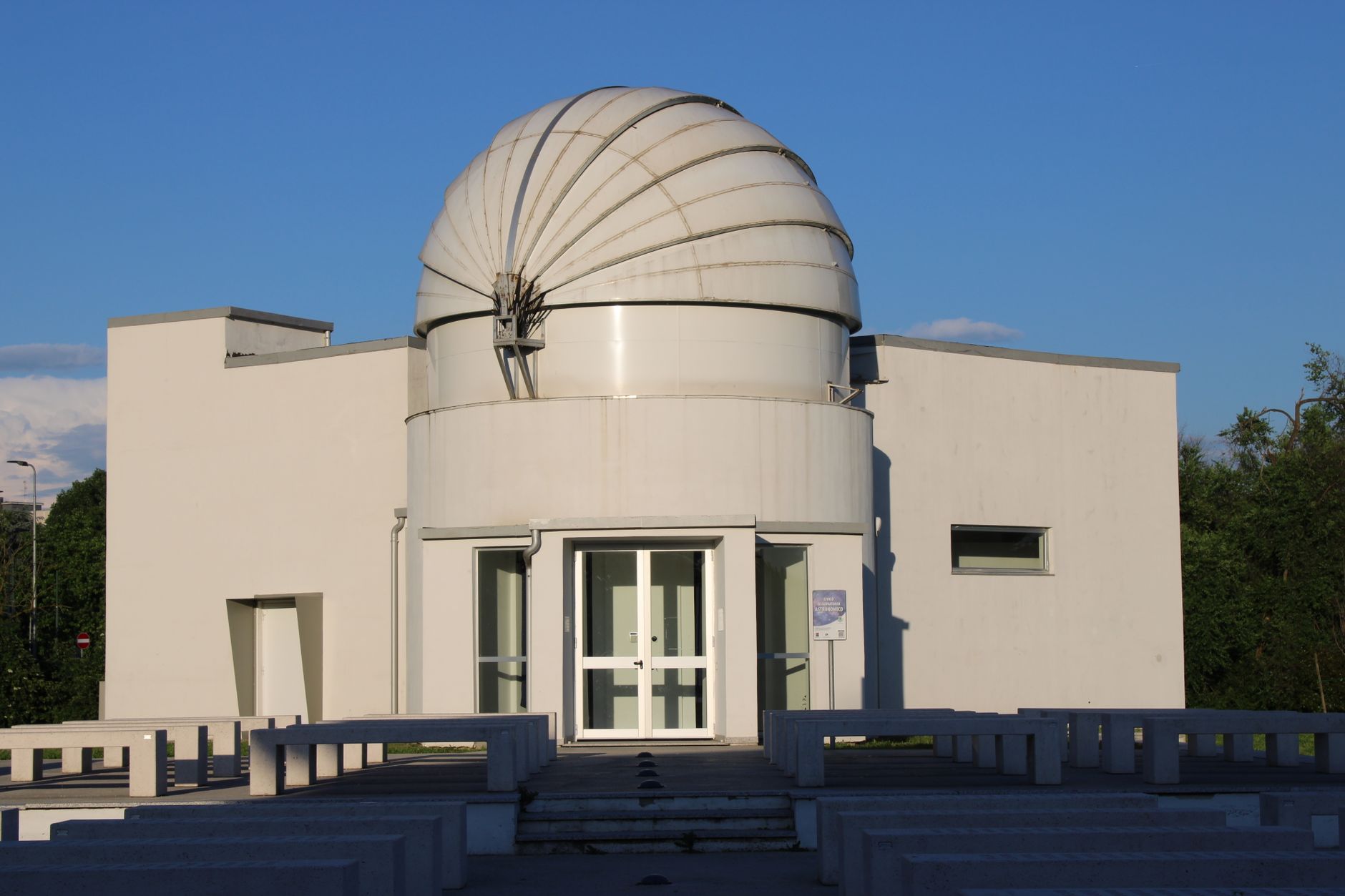
Most travelers never make it out here. They land at Centrale, hit the Duomo, do Brera for an aperitivo, walk the Navigli at sunset, and leave. Città Studi and the Lambrate neighborhood right next to it get skipped entirely except during one week in April, when the design world descends on the old factories along Via Ventura for Fuorisalone. The rest of the year this is a working-student neighborhood with cheaper rent, cheaper food, and a genuinely lived-in feel that the central neighborhoods stopped having about ten years ago.
Why Città Studi and Lambrate are worth your time
The pitch is short. You get an actual Milanese district where people live, study, work, and complain about the M2 being delayed — not a stage set built for tourists. Prices drop the moment you cross east of Piazzale Loreto. A caffè at the bar costs €1.10 here instead of the €1.50 you get in the center, and a full pizza margherita at Spontini’s Piola location runs cheaper than a single cocktail in Porta Nuova. The Politecnico campus itself is worth a walk for the 1927 Gaetano Moretti complex on Piazza Leonardo da Vinci, which most architecture guides ignore because it is not in the historic center. If you are in Milan as a student yourself, our student guide to Milan collects the discounts, transport passes and cheap-eat habits worth knowing before you arrive.
Then there is Lambrate, which from 2010 to roughly 2019 was the most interesting Fuorisalone district in the city. The Ventura Lambrate circuit shut down after the pandemic, but the neighborhood still hosts a real Lambrate Design District during the official Milan Design Week, and the surrounding year-round design studios, galleries (Galleria Massimo De Carlo on Via Ventura, Futurdome on Viale Lombardia), and craft beer at Birrificio Lambrate are reason enough to come out even when the design crowd is not in town. If you’ve done Isola and want another neighborhood with the same post-industrial bones but fewer Instagram tripods, this is it.
Getting to Città Studi and Lambrate
Everything in this guide is on the M2 green line, which is the easiest way in from Centrale (change at Centrale FS, two stops to Caiazzo, or just take the M2 from Garibaldi). The three stops that matter:
- M2 Piola — the stop for Città Studi proper. You come out at the corner of Viale Romagna and walk three minutes to the Politecnico’s main piazza. Almost everything I recommend in Città Studi is within ten minutes of this exit.
- M2 Lambrate FS — the stop for the Lambrate neighborhood. This is also the FS Lambrate mainline station, which is useful: regional trains to Bergamo, Como, Lecco, and Brescia stop here, so you can skip Centrale entirely on day-trip mornings. Birrificio Lambrate is a six-minute walk south.
- M2 Udine — between the two, useful for the eastern edge of Città Studi near Parco Lambro.
On the surface, tram 19 runs west to Piazzale Cacciatori delle Alpi via Cadorna, so you can use it to slide from Città Studi into the center without changing to the metro. Tram 23 covers the southern edge of the university district. Bus 93 is the slow, useful crosstown that loops Lambrate to Forlanini and down to Porta Romana — I take it when I want to combine this guide with my Porta Romana visit on the same afternoon.
From Malpensa, the Malpensa Express drops you at Centrale and you change to the M2. From Linate, take the M4 to San Babila and switch to the M1, get off at Loreto, cross to the M2, and you are at Piola in eight more minutes. Full Milan transport details are in the dedicated guide.
Città Studi vs Lambrate: what’s the difference
People merge these two together and the locals don’t. Città Studi is the university quarter — orderly, residential, dominated by 1920s and 1930s buildings designed when the Politecnico moved out here from Piazza Cavour in 1927. The streets are named after scientists and engineers (Via Pascoli, Via Mangiagalli, Via Bonardi, Via Celoria). The energy is students cycling to class, professors at the bar, retirees walking dachshunds. Quiet during August, hectic during exams in January and June.
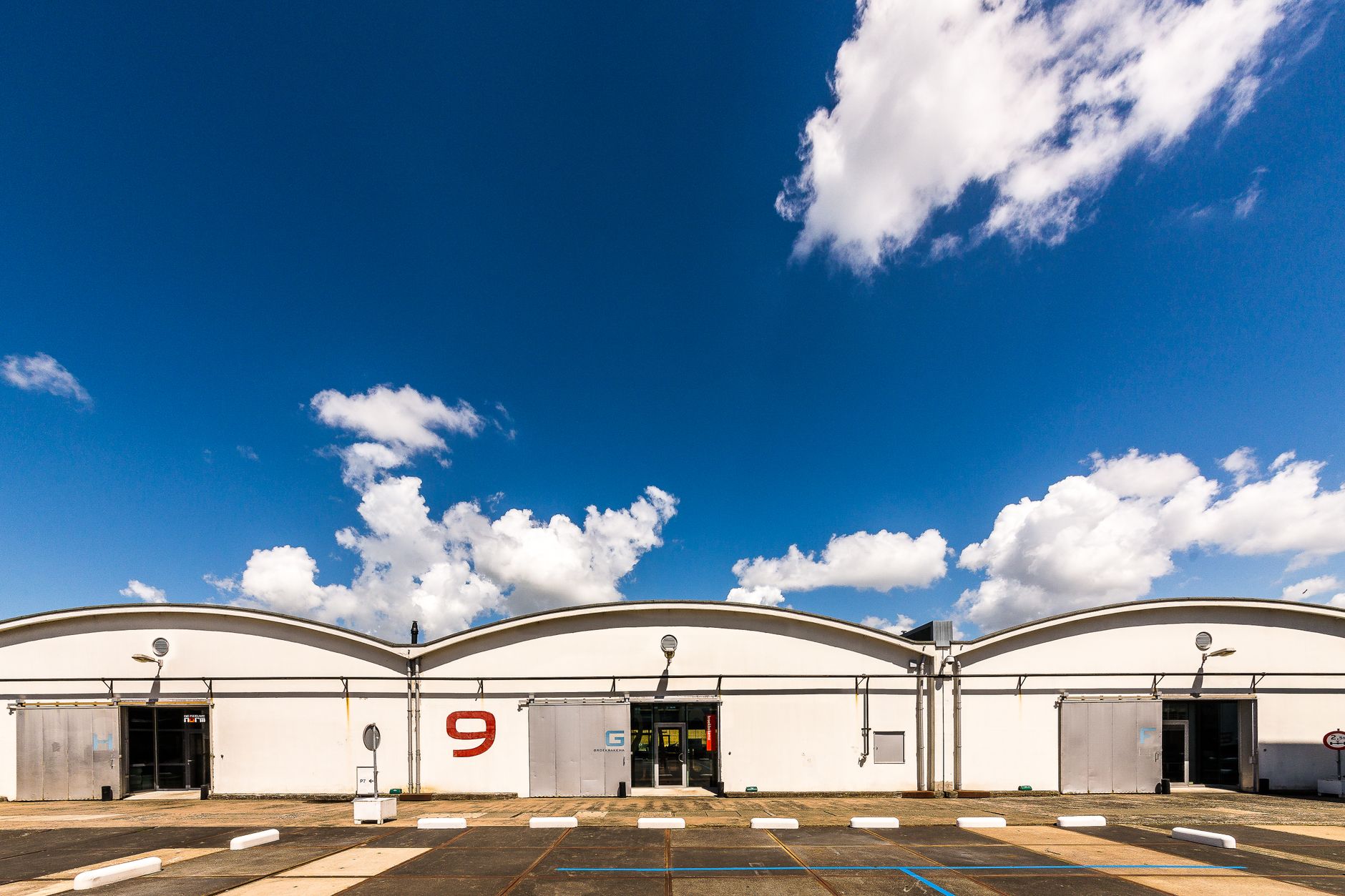
Lambrate is the old industrial village east of the railway. It took its name from the Lambro river that loops through Parco Lambro to the north. Until the 1960s this was a separate comune with its own train station and its own working-class identity built around the Innocenti factory (the company that made Lambretta scooters — yes, named after Lambrate). When the factories closed, the warehouses stayed empty for decades, then designers moved in cheap, and the post-industrial reinvention started. The architecture is different — long brick sheds, courtyards, the kind of buildings that look great with a roll-up door and a neon sign.
The dividing line in your head should be the railway. West of the FS Lambrate tracks is Città Studi. East is Lambrate. Both are walkable, and the most interesting day combines the two.
A relaxed afternoon in Città Studi and Lambrate, hour by hour
This is what I actually do when I want a half-day out here, not theoretical advice.
12:00 — Off the M2 at Piola. Walk west on Via Pascoli for the architecture, then south to Piazza Leonardo da Vinci. The 1927 main building of Politecnico is on your left with the clock tower (the bells were transferred from the original Piazza Cavour seat, one of them dated 1863, the founding year). The piazza is open to walk through and on a clear day it fills up with students eating panini on the steps.
13:00 — Lunch. If you want classic student value, walk five minutes to the Spontini at Via Spallanzani — €5.70 for a slab of their signature pizza al trancio, no apology required. If you want a sit-down with a tablecloth, Mama Eat on Via Lambrate does Neapolitan pizza and a celiac-friendly menu for €12-15. I usually do the bar at Pizzeria Spontini and walk it.
14:30 — Wander north into the residential streets of Città Studi. Stop at the Orto Botanico on Via Golgi if it is open (afternoons, Tuesday through Sunday, free). It is small, three greenhouses, mostly Lombard species, and almost no one is ever there except a botany class on Tuesdays.
15:30 — Cross the FS Lambrate tracks into Lambrate proper. Walk Via Ventura — this is the old design district spine. Most of the warehouses now house permanent studios, galleries, and the occasional vintage furniture dealer. If it is April during Design Week, the entire street is closed to cars and you queue for installations.
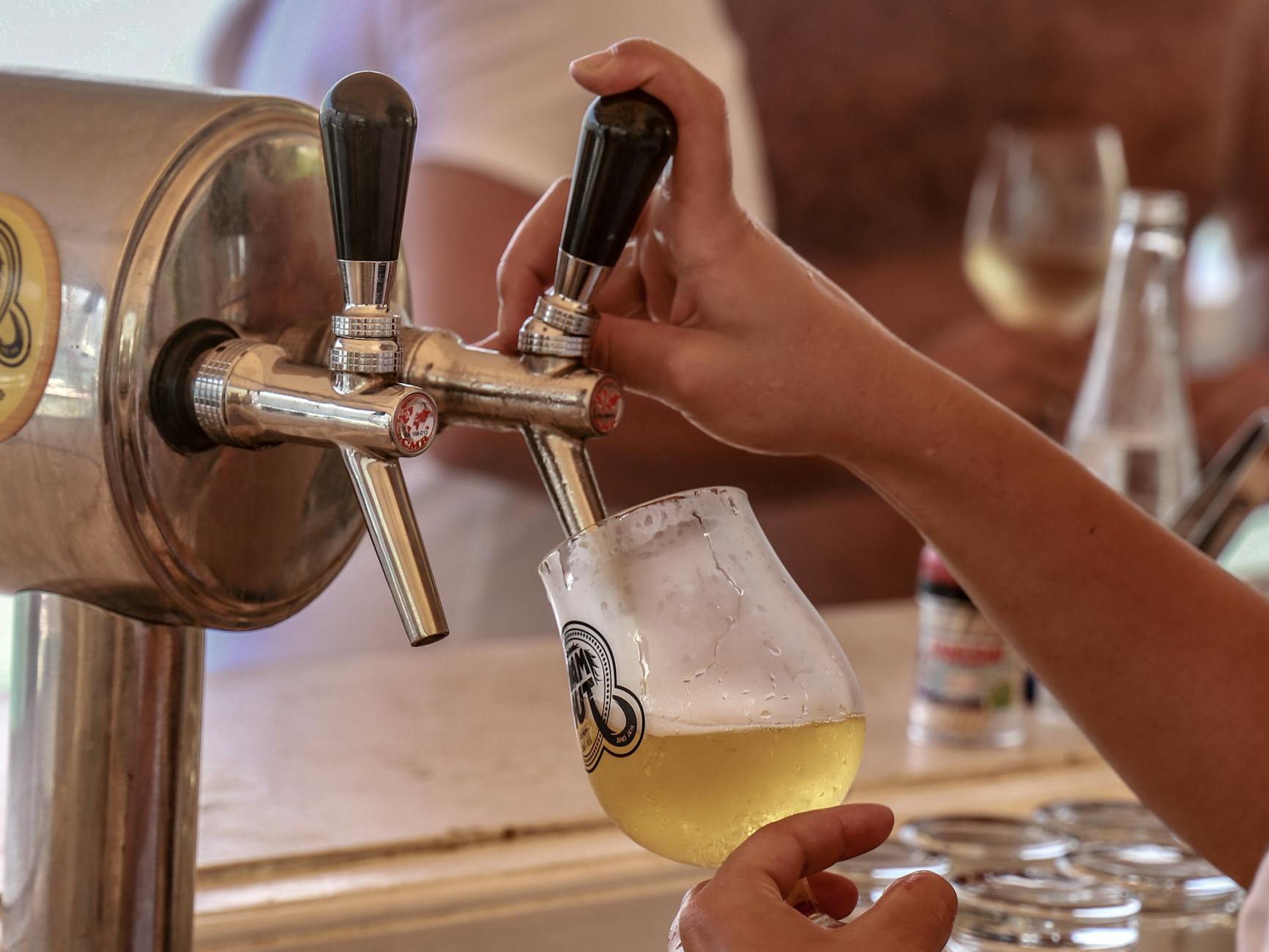
17:00 — Beer at Birrificio Lambrate, Via Adelchi 5. The original pub, founded 1996. Order the Ghisa (smoky stout) or the Domm (pilsner) and a plate of cold cuts. A medium pint is €6.50.
18:30 — Back to the M2 at Lambrate FS and either home or onward.
What to see and do in Città Studi and Lambrate
- Politecnico di Milano main campus (Piazza Leonardo da Vinci) — The 1927 complex designed by Gaetano Moretti and Augusto Brusconi extends over 50,000 square meters around a central piazza. Building 1 has the clock tower with the historic bells. The campus is open during the day and you can walk the piazza and main courtyards freely. The Politecnico runs free official campus tours led by current students — check their site if you want the inside view.
- Università Statale’s Città Studi campus — On Via Celoria and Via Mangiagalli. The scientific faculties (Pharmacy, Agriculture, Veterinary Medicine, Sport Medicine, Tech Science) are housed here. Architecturally less spectacular than Politecnico but the bar in the courtyard of the Pharmacy building does an excellent €4 lunch panino.
- Lambrate Design District during Salone del Mobile (20-26 April 2026) — Fuorisalone runs 20-26 April, the Salone proper at Rho Fiera 21-26 April. Lambrate is one of the official districts again this year alongside Brera, Tortona, Porta Venezia, Isola, 5Vie, and Durini. The theme for 2026 is “Essere Progetto” (Being a Project), examining human creativity and AI. The action concentrates on Via Ventura, Via Massimiano, and Via Conte Rosso. Most events are free, queues at the major installations get to 45 minutes by mid-afternoon, and the neighborhood is a different planet for that one week.
- Parco Lambro — The third-largest park in Milan, north of the Lambrate neighborhood. M2 to Udine, then a 10-minute walk. The Lambro river loops through it. There is a skatepark (Lambrooklyn) near the Via Feltre entrance, a disc golf course, an outdoor gym, and a wetland with European green woodpeckers and toads if you care about birds. I bring a panino from the deli on Via Rombon and eat by the laghetto.
- Galleria Massimo De Carlo / Casa Corbellini-Wassermann — De Carlo is one of the most important contemporary galleries in Italy and the Casa Corbellini-Wassermann space (a Piero Portaluppi 1936 villa in nearby Viale Lombardia) is open to the public during exhibition runs. Always free, usually empty on weekday afternoons.
- Futurdome — Independent art space on Viale Lombardia at the edge of Città Studi. The building is a futurist apartment block being slowly converted; visits are by appointment but exhibitions open to the public on opening nights and weekends.
- Birrificio Lambrate (Via Adelchi 5, also Via Golgi 60) — The first proper craft brewery in Milan, founded 1996. The Via Adelchi pub is the original, Via Golgi is the larger English-style sit-down. Beers named after Milanese dialect terms — Sant’Ambroeus, Ghisa, Quarantot. This counts as a sight, not just a bar.
Where to eat in Città Studi and Lambrate
Student-priced means real Milan prices, not the inflated central versions. Here is what I order, what it costs, where it is.
- Pizzeria Spontini, Via Spallanzani 18 (Piola side) — The Milanese student lunch institution. One slice of their signature thick pizza al trancio is €5.70, a cheap lunch even with a drink. No tables on Spallanzani so eat standing. The original Spontini opened in 1953 on Via Spallanzani — this is the founding location, not a chain knockoff, although there are now branches across the city.
- Mama Eat Milano (Via Lambrate 13) — Neapolitan pizza and full menu with a substantial gluten-free section. Pizza margherita €8, the more elaborate ones €11-14, primi around €12. Reliable, friendly, fills up at 20:30 so go at 19:30 or book.
- Mai Tai (Via Pacini) — Tiki bar that does the Polynesian cocktail thing seriously plus a small food menu. Mai Tais run €9, which sounds high until you compare it to the €15 cocktails in Porta Venezia. Open evenings only.
- La Vecchia Latteria-style trattorie — There are several old-school latterie turned trattorias in the residential blocks east of Piazza Leonardo. Trattoria del Nuovo Macello on Via Cesare Lombroso is the upmarket version (€40-50 a head, Michelin-recognized, book ahead). For the cheap version, Trattoria Bolognese on Via Tertulliano does a €12 lunch menu with primo, secondo, water, coffee.
- Birrificio Lambrate kitchen — Mains €10-18, mostly Milanese standards (cotoletta, ossobuco) plus a few dishes cooked in beer. Medium beer €6.50. You can eat properly here for €25.
For a broader sweep of where to eat across the city, my Milan food guide covers the centro and the other quarters in the same level of detail.
Practical tips
When Lambrate explodes: Milan Design Week, 20-26 April. The neighborhood gets unrecognizable. Hotels in the area triple their prices and book out four months in advance. If you are coming for Fuorisalone, reserve everything by January. If you are coming during this week for any other reason, stay somewhere else and use the M2 to dip in for events you actually want to see. The crowds along Via Ventura are dense from 11:00 to 19:00, so come early or late.
When it’s quiet: Most of August (Italian holiday month, students are gone, half the bars close). Christmas and Epiphany week (late December to early January). Sundays year-round are notably emptier than weekdays. If you want the working-student energy, come Tuesday through Thursday during term — roughly mid-September to mid-December, and February to early June.
Cash and cards: Almost everywhere takes cards, but Spontini and a few of the very old bars still prefer cash for orders under €10. Carry €30 in coins and small bills.
Safety: One of the lower-risk neighborhoods in the city. The area around FS Lambrate station gets quieter and a bit grittier after midnight; not dangerous, just not lively. The Politecnico campus itself is monitored and well-lit.
Sundays: Most independent shops in Lambrate close. The university bars in Città Studi mostly close too. Birrificio Lambrate is open. The Spontini is open. Parco Lambro is busiest on Sunday — Milanese families with picnic blankets and Frisbees.
Best time to visit: Design Week vs quiet semesters
Two completely different trips. Design Week (20-26 April 2026) is a once-a-year design event of global scale where you queue for installations next to people who flew in from Tokyo and Seoul. Booking lead time: four months minimum. Energy: high, hectic, expensive. Worth doing once if you have any interest in design or architecture; otherwise actively avoid.
Off-season (especially October-November and February-March) is the version I prefer. Cool weather, students in full swing, restaurants un-booked, and you can have a long lunch at Trattoria Bolognese without reserving. Hotel prices are the lowest of the year. The architecture and the gallery scene are exactly the same.
Summer (mid-June through August) is the worst window. Students gone, heat above 32°C most days, many bars closed for ferie. Skip.
Where to stay in or near Città Studi
This is one of the better-value areas in Milan to sleep, especially if you are willing to be 15 minutes from the Duomo on the M2 in exchange for a real-neighborhood feel and cheaper rooms.
- 21 House of Stories Città Studi — Modern apart-hotel concept on Via Pacini. Studio rooms with kitchenette, communal lounge, gym. €110-170 a night off-season, double or triple during Design Week. Five minutes’ walk from Piola M2.
- NYX Hotel Milan — Just south of the area near Porta Vittoria, but easy access on tram or M2 to Lambrate. Design-forward, often €130-180.
- B&Bs around Piola and Lambrate — A long list of small B&Bs and apartments in the residential blocks behind Politecnico. Many are €60-90 a night off-season for a private room with shared kitchen. Search “B&B Città Studi” or “B&B Lambrate” on the usual platforms.
- Ostello Bello (Centrale branch) — Not in Città Studi but two M2 stops away. Dorms from €40, common areas, central location for combining with other quarters. Covered in detail in my budget Milan guide.
For the full picture across all neighborhoods, see where to stay in Milan.
The student district is also where remote workers end up when the centre prices them out: cheaper flats, quiet streets and a straightforward commute. See Milan for digital nomads for how it compares with Isola and NoLo.
Città Studi FAQ
Is Città Studi safe for tourists?
Yes, comfortably. It is residential and student-dominated, and the streets stay populated until at least 23:00 on weeknights. The FS Lambrate station forecourt gets quieter and a bit scruffier late at night but is not a known crime area. Use the basic city sense you would in any university quarter.
How do I get from the Duomo to Città Studi?
M1 (red) from Duomo to Loreto, change to M2 (green) for one stop to Piola, or two stops to Lambrate FS. Total time about 18 minutes including the change. €2.20 single ticket.
Is Salone del Mobile open to the public?
The Salone Internazionale del Mobile at Rho Fiera (21-26 April 2026) requires a ticket and is primarily a trade fair with public days at the end. Fuorisalone events in Lambrate and the other city districts are mostly free and open to anyone. You just walk in.
Can I tour the Politecnico campus?
Yes. The piazza and main courtyards are publicly accessible during daytime hours. The Politecnico also runs free official guided tours led by current students for prospective applicants and visitors — check the prospective students section of polimi.it to book. They take 60-90 minutes.
Where is the closest park?
Parco Lambro is the big one, on the eastern edge of the Lambrate neighborhood (M2 Udine + 10 minutes’ walk). It is the third-largest park in Milan and has a skatepark, disc golf, picnic areas, and the Lambro river running through it. Good for a 90-minute walk or a picnic afternoon.
Is one day enough for Città Studi and Lambrate?
A half-day is enough to see both. A full day works if you add Parco Lambro and a long lunch. If you have only three days in Milan total, do this as a half-day pairing with Milan’s Chinatown or Porta Venezia rather than as a standalone full-day trip.
Final thoughts
Città Studi Milan is the neighborhood I send people to when they say they want to see “the real Milan” but they are not sure what that means. The honest answer is that the real Milan does not exist in any single neighborhood — it is the Duomo and the Navigli and Brera and Isola and the gallery on Via Ventura and the €5.70 pizza at Spontini all at once. What Città Studi gives you is one specific slice of it: the working-student version, where rents are lower, the food is cheaper, and the city looks the way it actually looks when no one is performing for visitors.
Lambrate gives you the other slice: post-industrial Milan finding a second life in design, with a brewery that has been at it since 1996 and a Fuorisalone week each April that turns warehouses into the most-photographed spaces in the city. Combine the two on an unplanned afternoon, eat where the students eat, take the M2 back, and you will have seen a Milan that the people staying in your hotel will not have seen. That is the whole point of coming out here. For more neighborhoods that work the same way, the full things-to-do-in-Milan guide covers the rest.
Related Milan guides
Keep planning with our other Milan neighborhoods guide resources: