The single most useful of all Milan taxi tips I can give you up front: Uber in Milan is not the Uber you know from home. Open the app here and it books licensed white Milanese taxis, alongside the premium Uber Black service, which prices like an airport limo. Check the quoted fare before you confirm. For most trips, you want a white Milanese taxi, and you want to summon it through one of three apps.
Milan’s taxi system confuses plenty of first-time visitors, often more than the metro, the trams, or even the ZTL zones. So this is a no-nonsense guide: how the white-cab system works in 2026, which app actually shows up fastest, what you should pay from Malpensa versus Linate versus Bergamo, where the meter games happen, and when you should skip the taxi entirely and walk to an M1 or M3 station instead.
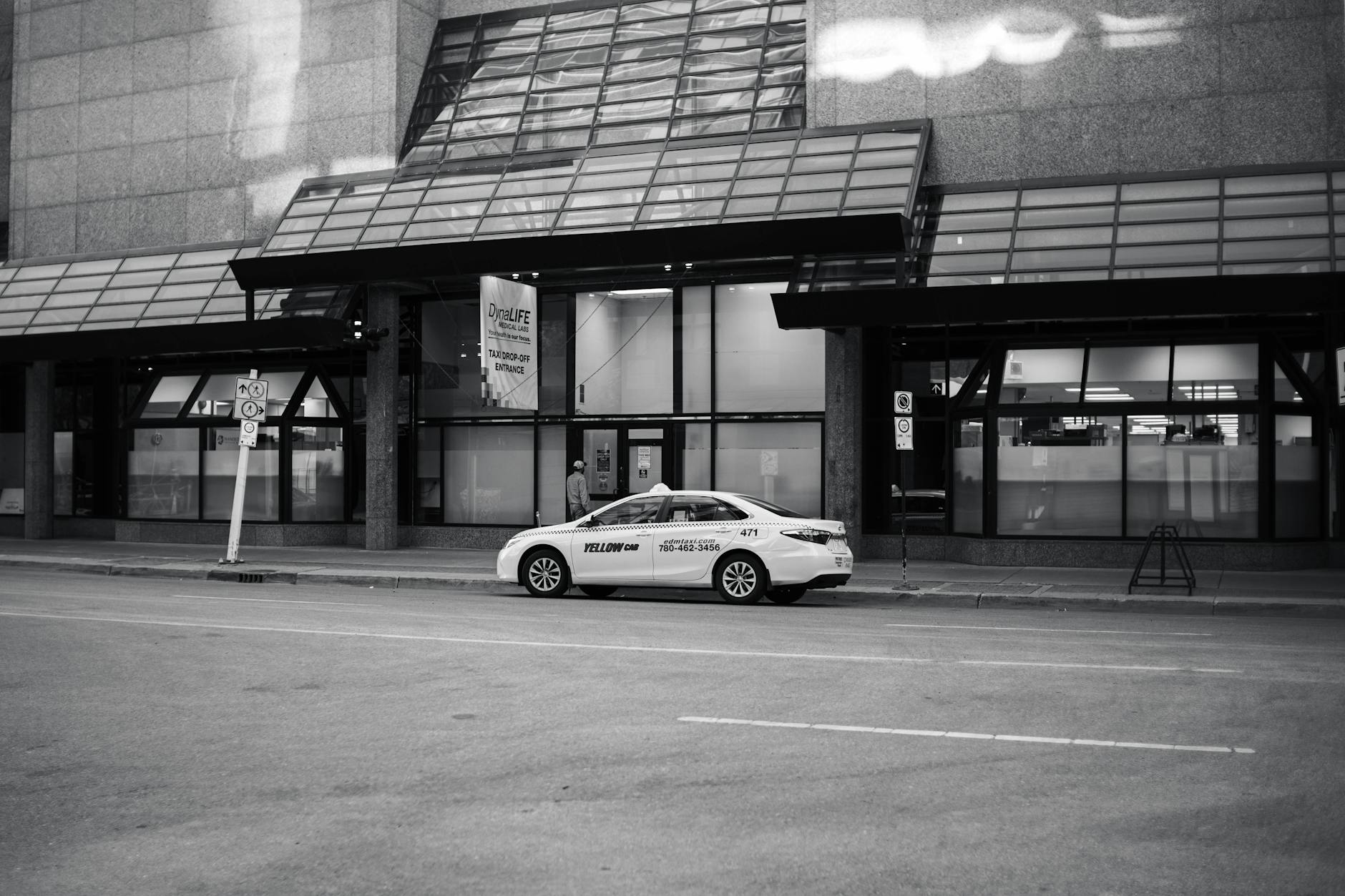
The Milan taxi landscape in 2026 (white cabs, app-first, contactless mandatory)
Every legal taxi in Milan is white. Not yellow, not black: white, with a TAXI sign on the roof and a meter inside. If someone approaches you at Malpensa arrivals or outside Milano Centrale offering “taxi, taxi” from a dark sedan, that is not a taxi. That is an unlicensed abusivo driver, and the fare he quotes you on the curb will roughly double once your suitcase is in the trunk. I’ll come back to that scam in a minute, but the simple visual rule — white taxi Milan, every time — covers ninety percent of what you need to know about avoiding rip-offs.
Drivers still cruise and still wait at ranks, but plenty of rides are now booked on a smartphone with a card on file. Every Milan taxi must accept card payment. If a driver tries the old “the card machine is broken, cash only” line, that is a violation and you can refuse. More on that below.
The other thing to know: street-hailing is hit and miss. You can wave at a passing taxi, and occasionally one will stop, but many cabs are already on their way to an app or radio call. The default move in 2026 is to either walk to a taxi rank (posteggio taxi) or open a Milan taxi app and let the closest car come to you.
Uber in Milan: what actually works (taxi bookings, Uber Black, and when the premium is worth it)
Let’s settle this once. Yes, Uber Milano exists. No, it is not what you have at home. The app books licensed white taxis in Milan, and it also offers Uber Black, a premium service with professional chauffeurs in luxury cars. A typical Uber Black from, say, Brera to the Navigli runs €28 to €38 depending on demand. From Malpensa to a Centrale-area hotel you are looking at €110 to €140. From Linate the figure is roughly €55 to €75.
So when is Uber Black actually worth it over a regular white taxi? Three situations, in my experience. First, late at night in a quiet neighbourhood when no white taxis are responding on FreeNow — the Uber drivers tend to be more willing to come to outlying zones. Second, when you want a guaranteed English-speaking driver and a more polished vehicle for, say, an investor pickup or a wedding. Third, the airport runs at odd hours, when you’d rather have a car booked in the app than wait at a rank at 5 a.m.
For literally everything else, a white taxi is cheaper. A 4-km hop across the centre costs about €11 to €14 by meter; set that against the Uber Black quote in the app. Bolt also lists a ride service in Milan, so it is one more app to compare.
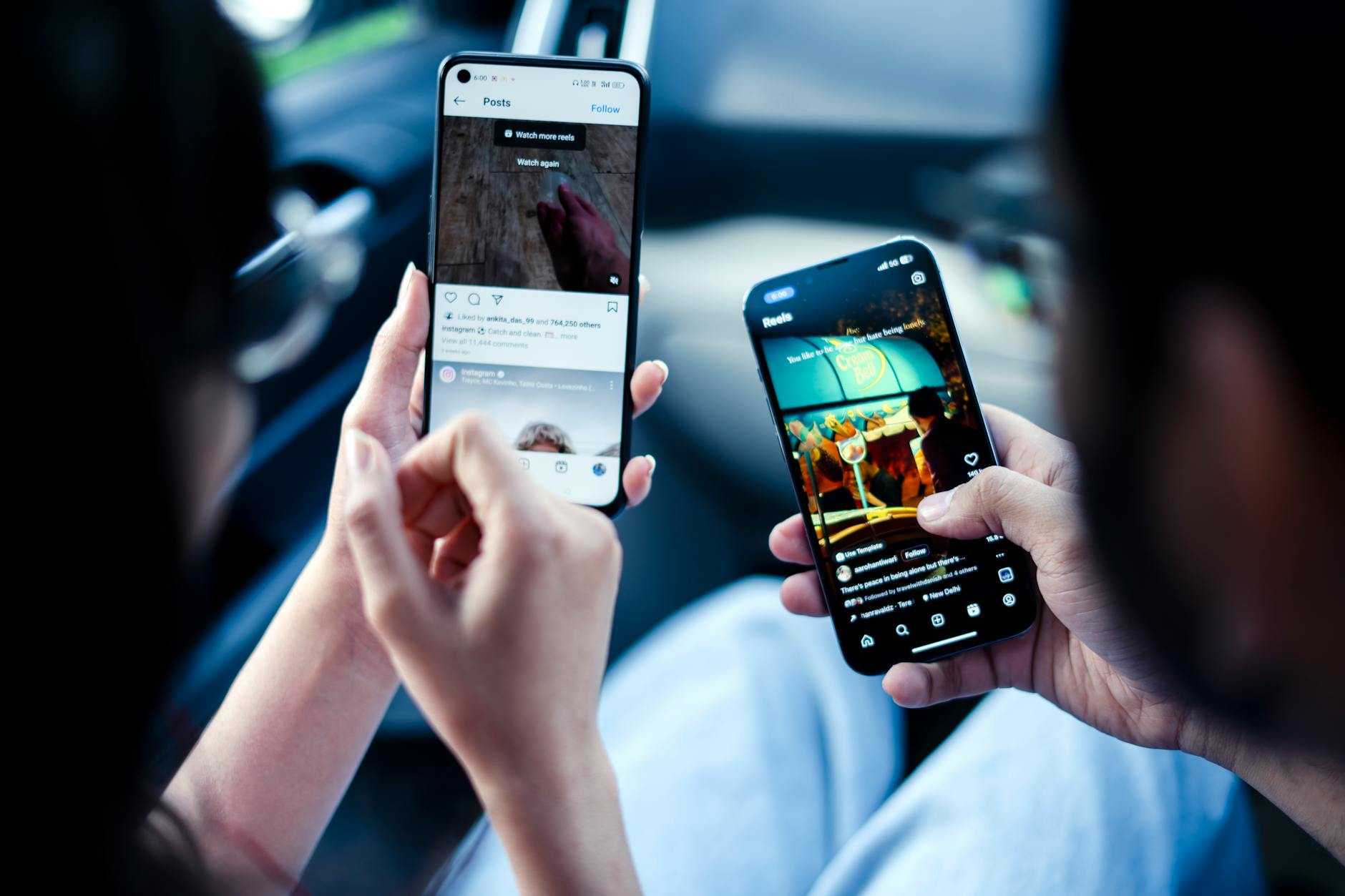
FreeNow vs IT-Taxi vs appTaxi — the app comparison
These are the three apps actually worth installing, and each has a situation where it beats the others.
FreeNow (formerly MyTaxi)
FreeNow Milan is the obvious first install. You can pay by saved credit card, Apple Pay, Google Pay, or — handy for expense reports — generate a PDF receipt right in the app. The app shows an estimated fare before you book and the meter sets the final price; FreeNow may add an intermediary fee on rides paid through the app, and it shows the amount before you book. Average wait time in the centre during the day is three to six minutes.
IT-Taxi
IT-Taxi is linked to Unione Radiotaxi d’Italia, the national radio-taxi network, and Milan is one of its cities. In Milan its driver count is slightly smaller than FreeNow but the coverage in outer neighbourhoods (Lambrate, Bicocca, Affori) is sometimes better. Payment options include Satispay, PayPal, and Bancomat alongside the usual cards. The interface is more utilitarian than FreeNow’s, and it makes a good backup when FreeNow shows no cars.
appTaxi
appTaxi is the third option, the app of Taxiblu 02 4040, one of the big Milan radio-taxi co-operatives (the other big one, 02 6969, promotes IT-Taxi instead). Its main advantage is the fare-calculator tool — you can plug in a route and get three cost estimates (light traffic, normal, heavy) before you commit. It is the best app for wheelchair-accessible vehicles and for booking ahead by a few hours, which the other two handle clumsily.
If you only install one, install FreeNow. If you want a safety net, add IT-Taxi. The classic phone number to call a cab the old-fashioned way is +39 02 4040 (Taxiblu), and it still works.
Official Milan taxi rates explained
The Lombardy Region sets the common taxi tariff, and its resolution of 3 August 2026 confirmed the values in force since July 2024. Here is the actual structure, not the marketing version.
- Starting fare (scatto iniziale): €4.10 on weekdays from 6:00 to 21:00, €6.60 on Sundays and public holidays during the day, and €7.90 between 21:00 and 6:00 every night.
- Per-kilometre rate: €1.32 per km on the standard tariff, with a higher rate once the meter passes €17.35. This sounds odd but it’s designed so longer trips cost slightly more per kilometre, not less.
- Hourly rate (stuck in traffic): €34.48 per hour, rising to €51.72 per hour once the meter passes €17.35. The time rate takes over from the distance rate when the car crawls below about 26 km/h.
- Phone/app booking supplement: when the driver accepts a radio or app call, the meter starts running from the moment of acceptance, not pickup, so expect it to be running already when the car pulls up.
- Luggage: a small supplement may apply for bags, so check the tariff displayed in the cab. Fares are metered: ask about any extra before you ride rather than accepting a per-suitcase price at the kerb.
So what does that translate to in real money? A short hop from the Duomo to Brera runs around €8 to €10 by meter. Centrale to the Duomo, about 3 km but often slow in traffic, is €12 to €16. Porta Romana to the Navigli is €11 to €14. From 21:00 the starting fare jumps to €7.90, so night rides cost more; how much more depends on the journey.
One more thing on taxi rates Milan: the meter must be running and visible at all times. The driver should reset it to the appropriate starting fare in front of you. If the meter is covered, off, or showing a “fixed price” that isn’t on the airport list below, you are being set up.
Flat fares to and from the airports
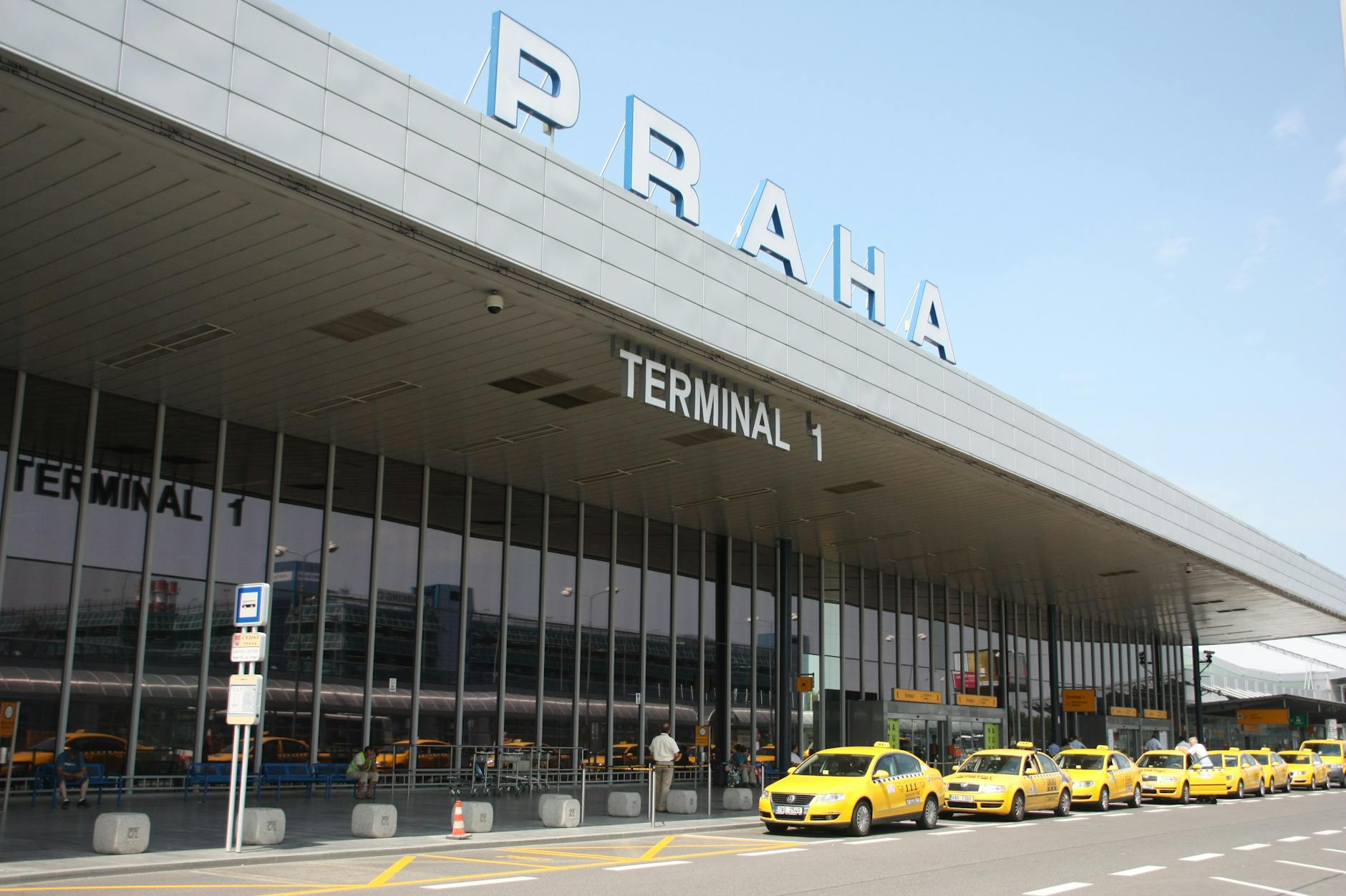
Several airport runs have fixed fares set by Regione Lombardia, so the meter doesn’t decide the price. The main ones are:
- Malpensa Airport ↔ any address in central Milan: €114 flat, one way. Up to four passengers and standard luggage.
- Bergamo (Orio al Serio) ↔ central Milan: €128 flat.
- Malpensa ↔ Linate (terminal-to-terminal): €128 flat.
- Malpensa ↔ Rho Fiera (the fairground): €94 flat.
- Linate ↔ Rho Fiera: €68 flat.
- Linate ↔ central Milan: no flat fare. Always by meter, typically €25 to €40 depending on where you are going.
The Linate situation surprises people. Why no flat? Because Linate is so close to the city — about 8 km from the Duomo — that the meter usually produces a lower number than a flat rate would, so the meter applies. You should expect €30-ish to Centrale or San Babila, €40-ish to the western fringes near San Siro. If the driver tries to quote you a “fixed €60” from Linate, refuse and ask for the meter (tassametro) or walk to the next car in the rank.
For Malpensa, the €114 is a fixed regional fare between the airport and any address in Milan, in either direction. If the driver quotes anything other than €114, ask for the fixed fare. The fixed fare exists precisely so visitors can’t be gouged on the longest, most opaque ride of their trip. For a deeper comparison against the Malpensa Express train, private transfers, and shared shuttle vans, I wrote a full breakdown in the Milan airport transfers guide.
The Bergamo €128 flat is real but rarely worth it. Bergamo airport is 50 km east, and the Orio Shuttle bus to Centrale has fares from €8; check Orio Shuttle’s timetable before you rely on it. A €128 taxi makes sense only if you have late luggage, a family of four, or a flight at 5 a.m. when the bus isn’t running.
Fares change after 21:00, and at an airport that matters — the night tariffs and the fixed Malpensa rate are covered in our guide to arriving in Milan late at night.
Taxi ranks vs hailing — where to find taxis
Street-hailing in Milan works in theory and disappoints in practice. The reliable move is to walk to a posteggio taxi. The major central ranks:
- Piazza Duomo — on the north side near the Galleria entrance and on the south side near Via Mazzini.
- Milano Centrale station — the official rank is on the right (east) side of the station as you exit the main hall, under the portico. Avoid anyone offering “taxi” inside the station building.
- Piazza San Babila — small but fast-moving.
- Porta Garibaldi station — directly outside the FS station entrance on Piazza Sigmund Freud.
- Cadorna station — the rank is to the right of the main entrance, opposite the giant needle-and-thread sculpture.
- La Scala / Piazza della Scala — useful after the opera, but the queue is fierce; book a car on FreeNow ten minutes before curtain.
- Largo Cairoli (Castello Sforzesco) — reliable rank serving the castle and Sempione area.
Outside the centre, ranks thin out fast. In residential neighbourhoods like Isola, NoLo, or the southern Navigli, your only real option is to summon a car through an app. That is also true once the metro shuts for the night, around midnight on M5 and around 00:30 on the other lines. The full geometry of which metro lines run latest is in the Milan metro guide and the tram night routes are here.
Common taxi scams and how to avoid them
Milan is a relatively honest taxi city — Rome and Naples have worse reputations — but scams do happen, mostly targeting tourists at Centrale and outside the airports. The four to watch for:
1. The abusivo at arrivals. Someone in plain clothes approaches you in the Malpensa or Linate baggage hall offering a “taxi.” They lead you to an unmarked car in a paid parking garage and charge far more than the €114 fixed fare. The defence is simple: ignore everyone inside the terminal and walk directly to the official taxi rank outside, where only white cars with roof signs are allowed.
2. The “broken meter” routine. Driver claims the meter doesn’t work and quotes you a flat price well above what the meter would show. Defence: politely refuse, get out, take the next cab. A driver whose meter “doesn’t work” is required to stop accepting passengers.
3. The scenic detour from Centrale. A driver takes a long loop to a nearby destination, often via the ring road. Defence: have your destination on Google Maps with the suggested route already visible before you get in, and don’t be shy about saying “Via [name]” to set the route.
4. The luggage and “passenger” surcharge. The driver announces an extra per bag or per passenger at the kerb. Fares are metered, and any luggage supplement should match the tariff displayed in the cab. Defence: ask about the tariff before you ride, ask for a printed receipt (ricevuta), and report any abuse to the Comune di Milano with the cab’s license number.
Short-changing is another trick to guard against: a driver could swap your large note for a smaller one and ask you for the rest. Pay by card whenever possible — it kills this scam dead. For a broader survey of pickpockets, fake petitions, bracelet scams in the Duomo area, and Centrale-specific cons, see the Milan tourist scams guide.
The arrivals hall at Malpensa is where unlicensed drivers work hardest — our Malpensa airport guide explains where the real white taxi rank is and what the fixed fare should be.

When to taxi vs metro vs walk (decision framework)
The metro and tram network is good enough that most central trips don’t need a car. Here is an honest framework:
Take a taxi when:
- You have heavy luggage and the nearest metro station has no elevator (which is most M1 and M2 stations — only the newer M3, M4, and M5 lines are fully accessible).
- It’s late at night or early morning and the metro isn’t running: most lines stop around 00:30 (M5 around midnight) and restart around 05:30, or around 06:00 on Sundays and holidays. Night buses exist but are slow.
- It’s raining hard and you’re more than ten minutes from a station. Milan’s flat geography means a wet walk is bearable, but kids and umbrellas plus November rain is a taxi call.
- You’re going to or from the Navigli late at night, especially with a group splitting the fare four ways.
- You’re attending an event at Allianz Cloud, San Siro, or the Fiera and need to escape the post-show crush — though even then, often the M5 from San Siro Stadio is faster.
Take the metro when:
- You’re moving between two well-served central stops — Duomo, Cadorna, Centrale, Porta Garibaldi, Loreto, San Babila — during operating hours. A taxi will get stuck in traffic and cost €15. The metro is €2.20 and takes nine minutes.
- You’re going to the airport with manageable luggage. Linate is now on M4, twelve minutes from San Babila. Malpensa is the Malpensa Express from Centrale or Cadorna. Both options are dramatically cheaper than a taxi.
Walk when:
- Your trip is under 25 minutes on foot and the weather is decent. The centro storico of Milan is small. Duomo to Brera and Duomo to Sant’Ambrogio are both easy walks. Don’t taxi these.
For a broader view of how the transport modes interlock — including when a bike or e-scooter beats both — read the Milan transport guide and the cycling primer. If you’re considering driving instead, the car rental piece explains exactly why most visitors should not.
One reason taxis make sense here: our guide to driving in Milan sets out what a private car actually costs inside Area C.
Practical tips
Tipping. Italians don’t tip taxi drivers. Round up to the nearest euro if you’re feeling generous — a €13.40 fare becomes €14 — and that’s it. Drivers don’t expect ten or fifteen percent and they will not chase you down for it. The exception is help with heavy luggage to and from the trunk, where a €1 to €2 thank-you is polite. The full picture is in the Milan tipping etiquette guide.
Language. Most central drivers speak workable English. Drivers from outer co-operatives sometimes don’t. The phrases worth memorising: al tassametro, per favore (“on the meter, please”) and una ricevuta, grazie (“a receipt, thanks”). Saying the address in Italian — Via Brera diciotto instead of “eighteen Brera” — eliminates a lot of confusion.
Payment. Taxis must accept card payment. Cash is fine too, but carry smaller notes. If you plan to pay by phone, check with the driver before you set off.
Accessibility. Milan has a small fleet of wheelchair-accessible white taxis. Book through appTaxi or call Taxiblu at 02 4040 and ask for a wheelchair-accessible car, giving as much notice as you can.
Child seats. Italian law exempts taxis from child-seat requirements, which is alarming if you’re not used to it. Kids under three are allowed to ride on a parent’s lap in the back seat. If you want a proper seat, request one when you book and confirm it before the car is sent. For families, a private transfer with a guaranteed seat is often worth the extra cost from the airport — particularly relevant on the Lake Como transfer if you’re heading straight up after landing.
Group size. Standard Milan taxis are sedans with four passenger seats. For five or six people, request a taxi van or maxi taxi through any of the three apps — they exist but you’ll wait longer.
Pets. Small dogs in carriers travel free. Larger dogs are at the driver’s discretion; book through appTaxi and select the “pet-friendly” filter to avoid awkward refusals at the curb.
FAQ — fast answers to the most-asked questions
Does Uber work in Milan?
Yes. The Uber app books licensed white taxis in Milan, and it also offers premium Uber Black cars. Uber Black prices move with demand, so check the quote in the app; for everyday trips, a white taxi booked through FreeNow or IT-Taxi is significantly cheaper.
What apps for taxis in Milan?
FreeNow is the easy first pick. IT-Taxi, linked to Unione Radiotaxi d’Italia, is a good backup. appTaxi is best for fare estimates and for booking ahead, including wheelchair-accessible vehicles. All three book licensed white Milan taxis on the meter, though FreeNow may add an intermediary fee on in-app payments, shown before you book.
Are Milan taxis safe?
Yes. Licensed white taxis are professional, regulated, and metered. Drivers are vetted by the Comune. The risk is almost entirely from unlicensed abusivi at the airports and Centrale, who are not real taxis. Stick to the white cars at official ranks and you’ll be fine. The broader safety picture is in the is Milan safe guide.
How much is a taxi from Centrale to Duomo?
About €12 to €16 by meter during the day, depending on traffic. Closer to €18 to €22 at night because of the €7.90 starting fare and the slower traffic time accumulation. The metro M3 covers the same distance in seven minutes for €2.20.
Can I pay by card in a Milan taxi?
Yes, licensed taxis must accept card payment. If a driver claims the machine is broken, that is a regulatory violation — note the license number on the door and refuse to pay cash if you don’t want to.
Do you tip Milan taxi drivers?
No, not really. Round up to the nearest euro if you like. Tip €1 to €2 for help with heavy luggage. Percentage tipping is not an Italian custom and drivers do not expect it.
Final thoughts
The Milan taxi system in 2026 is, on balance, one of the easier ones in Europe to navigate once you know the rules. White cars, meters always on, contactless mandatory, three solid apps, fixed prices on the airport runs that matter most, and a regulator that actually enforces against the worst behaviour. The traps are narrow and predictable — Uber-isn’t-what-you-think, abusivi at the airport, “broken” meters, fake luggage surcharges — and avoiding all of them is mostly a matter of opening FreeNow before you leave the restaurant and refusing to negotiate with anyone in plain clothes inside an arrivals hall.
My honest advice after years of Milan trips: install FreeNow before you land, walk to a white-car rank when one is nearby, learn that a Malpensa flat is €114 and a Linate trip is metered, and use the metro for almost everything inside the ring road. For trips outside the city — to the lakes, to a vineyard, to Bergamo for the day — a taxi is almost never the right tool; the trains in the Milan train travel guide will move you faster and cheaper. Save the taxi for the rainy late night with luggage and tired kids, which is, of course, exactly when you’ll be most grateful to have read this before getting in the car. For everything else travel-related in the city, the general Milan travel tips page stitches the rest together.