Most people fly into Malpensa, take the train into Milan, sleep, and then take another train back out north to the lake the following morning. They travel roughly 130 kilometres to cover a straight-line distance of 45, and they lose a day doing it. Malpensa is closer to Como than it is to the Duomo. You do not need to go through Milan at all.
This is one of the most useful pieces of northern Italian geography a visitor can hold. Malpensa sits north-west of Milan, in the province of Varese, on the same side of the city as the lakes. Como is 45 kilometres due north-east of the airport across flat, well-served countryside.
Getting from Malpensa to Lake Como is best done on the direct Flibco shuttle bus. It runs up to eleven times a day, takes about fifty minutes, costs from around €8.99 with luggage included, and drops you at Como San Giovanni station on the lake. If the timing does not suit, the train via Saronno gets you to Como Lago in a little over an hour with one easy change. Both beat going through Milan. The exception is Varenna and the eastern shore, which genuinely is faster via Milano Centrale — and Bellagio, which has no station at all and is reached by ferry whichever way you come.
Route 1: the direct shuttle to Como — the default answer
Until fairly recently there was no direct public transport between Malpensa and Lake Como, which is why so much of the advice online still routes you through Milan. That changed when Flibco launched a direct Como service, and it is now comfortably the best option for most arrivals.
- Journey time: around 50 minutes.
- Price: from about €8.99 booked online.
- Frequency: up to eleven departures a day.
- Luggage: included, in the hold. No wrestling cases onto a commuter train.
- Stops: Como Grandate, next to the Como Centro park-and-ride, then Como San Giovanni station.
Como San Giovanni is the useful one. From there it is a downhill walk of ten to fifteen minutes to the lakefront and the ferry piers, or a short local bus if you have luggage. It is also the mainline station, so you can pick up onward trains from it.
One genuinely thoughtful detail: if you miss your bus, the ticket usually rolls over to the next departure at no extra cost, subject to space. Given that you are connecting from a flight, that is worth more than the couple of euros a rival might save you. Book it, but do not agonise over which departure.
Route 2: the train via Saronno
If the shuttle timings do not work — and with eleven a day, sometimes they will not — the train is a solid fallback and takes you to a better station.
Trains from Malpensa Terminal 1 to Saronno take about 18 to 20 minutes and run roughly every fifteen minutes. Saronno is the junction on the Ferrovie Nord network where the Como Lago branch leaves, so you change there and continue north. Total journey time is a little over an hour including the change, and the fare is modest.
The advantage is the arrival point. Como Lago station sits directly on the waterfront at Piazza Cavour, about thirty seconds from the ferry piers — which for anyone continuing to Bellagio or Varenna by boat is a much better place to be than San Giovanni up the hill.
Two practical notes. Buy through the Trenord app to skip the machines, and check the board at Saronno rather than assuming your platform, because it is a busy junction with several branches. Trenord also sells combined train-and-boat tickets for the lake, which are worth pricing up if you already know which ferry you want.
Route 3: via Milan, for Varenna and the eastern shore
Here is where I stop telling you to skip Milan. Varenna sits on the eastern shore and is served by the Milano–Sondrio–Tirano mainline, which runs out of Milano Centrale — not from Como at all. If Varenna is your destination, the geography reverses.
- Malpensa Express to Milano Centrale, around €15, 51 minutes.
- Regional or regional-fast train Centrale to Varenna-Esino, roughly an hour.
- Total: about two and a quarter hours including the change, plus a short walk down to the Varenna waterfront.
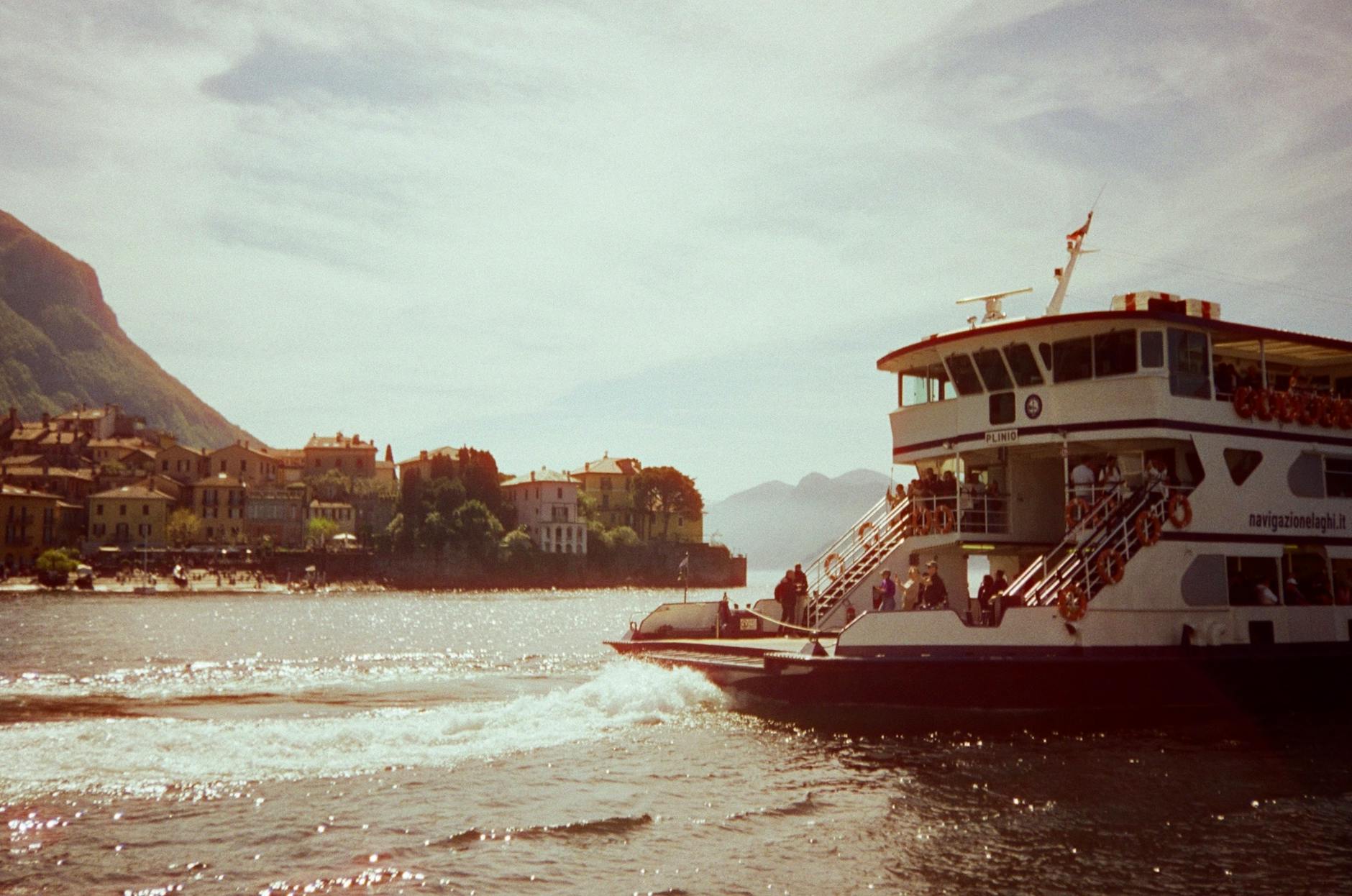
Do not try to reach Varenna via Como unless you specifically want the boat journey — the lake ferry from Como to the mid-lake takes hours, not minutes. The fast ferries between Varenna, Bellagio and Menaggio are a different thing entirely: 15 to 20 minutes and around €5.50, and they are the backbone of mid-lake travel.
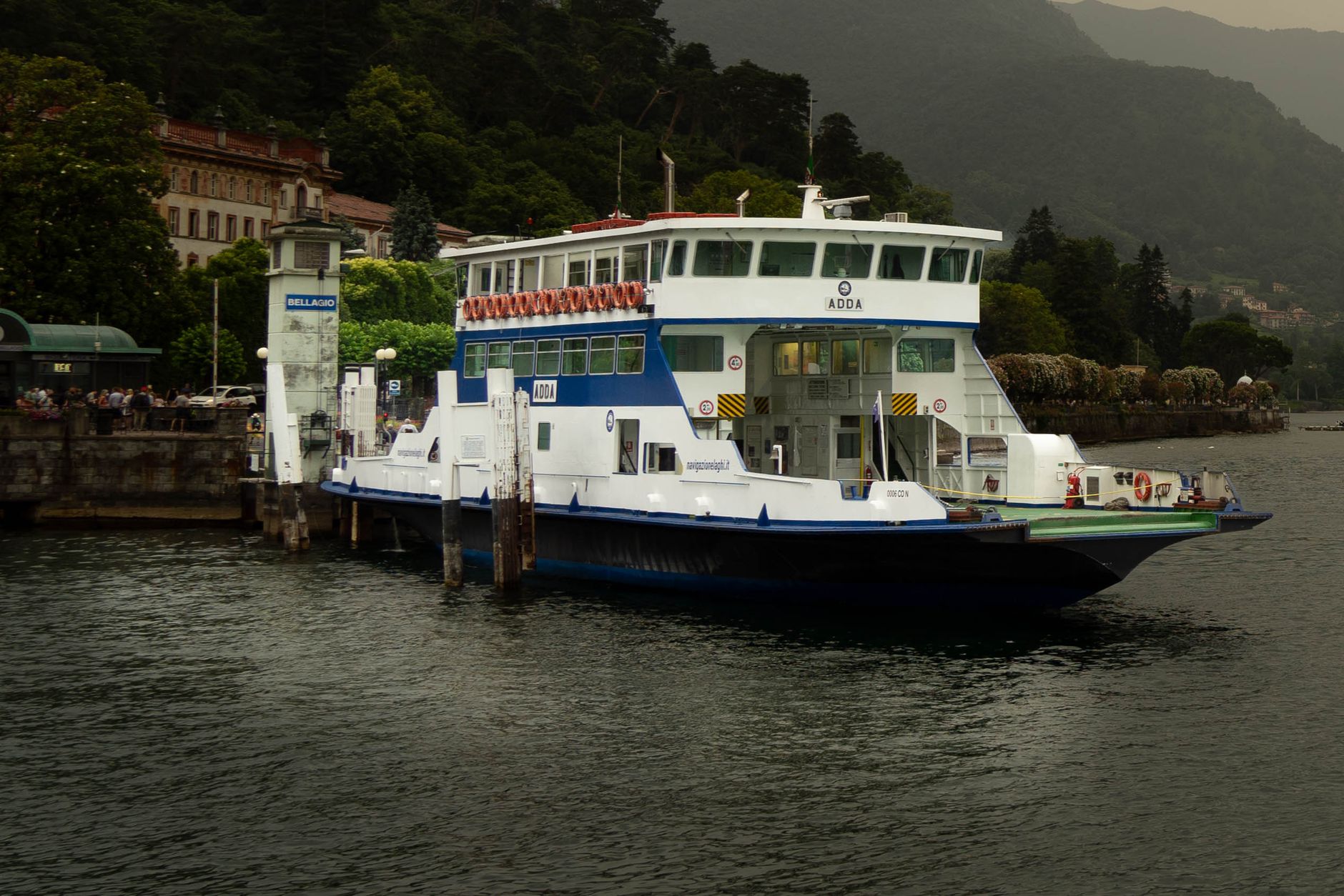
How the ferries, hydrofoils and car ferries actually work is covered in our Lake Como ferry guide.
Ticket detail for the first leg is in our Malpensa Express train guide, and the whole Milan-side picture is in Milan to Lake Como transport.
Route 4: getting to Bellagio
Bellagio has no railway station and no direct bus from the airport. Every route ends with either a boat or a winding lakeside road, and the choice is really about which you would rather do with luggage.
- Via Varenna (recommended): Malpensa → Milano Centrale → Varenna-Esino → ferry to Bellagio, 15–20 minutes and around €5.50. Roughly three hours in total, and the ferry crossing is the best part of the day.
- Via Como: shuttle or train to Como, then the slow ferry up the western branch, or the C30 bus along the lake road. Scenic, considerably slower, and the bus is not fun with two suitcases.
- Private transfer: around two hours door to door and the only genuinely straightforward option. Expensive, but for a group with luggage arriving at an awkward hour it removes every problem at once.
Once you are there, our Bellagio guide covers what is worth your time and what is a coach-party trap.
Route 5: taxi, private transfer and hire car
A private transfer from Malpensa to Como typically runs somewhere in the region of €120 to €180 depending on operator, vehicle size and destination, with the mid-lake towns at the upper end. Split between four people heading to a villa hotel, that is a defensible price for a door-to-door arrival with no changes.
Hiring a car at Malpensa is one of the few genuinely sensible car-hire cases in Lombardy: you are outside the city, straight onto the motorway network, and heading somewhere public transport serves unevenly. The caveats are real, though. The lakeside roads are narrow, slow and busy in summer; parking in Bellagio, Varenna and Menaggio ranges from expensive to non-existent; and if you plan to dip into Milan at any point you run into the Area C congestion charge at €7.50 a day and the wider Area B low-emission zone, both camera-enforced with fines from roughly €80 to €335. Our renting a car in Milan guide covers the zones.
My honest position: hire a car if you are staying somewhere the ferries do not reach, or touring several lakes. For a stay in one lakeside town, the car will spend the week in a paid car park while you take boats.
What it costs, side by side
Rough per-person costs for two adults with cabin bags, from the Malpensa arrivals hall:
- Direct shuttle to Como — from about €8.99, 50 minutes, no changes. Cheapest and simplest.
- Train via Saronno to Como Lago — a few euros more once you add both legs, just over an hour, one change, but you arrive at the ferry piers.
- Via Milano Centrale to Varenna — around €15 for the Malpensa Express plus the regional fare, roughly two and a quarter hours.
- Via Varenna to Bellagio — add about €5.50 and 15 to 20 minutes for the ferry.
- Private transfer to Como — roughly €120–180 for the vehicle, so €30–45 each for four people.
The gap between the cheapest and the most expensive public option is a handful of euros, which means you should choose on destination and timing rather than price. That is unusual and it makes this a refreshingly simple decision.
Doing it in reverse: Lake Como back to Malpensa
The return journey is the one that catches people, because you are working to a check-in deadline rather than an arrival time, and every leg has less slack.
From Como, the shuttle is again the obvious answer, and the fifty-minute run means a comfortable morning departure. Book the bus that gets you to the terminal three hours before a long-haul flight, not two — a single traffic incident on that road has no alternative route.
From Varenna, Bellagio or the mid-lake, build the ferry into your calculation properly. The crossing is short, but the boats run to a timetable with real gaps, and the first departure of the day is later than you want it to be for a dawn flight. If you have an early-morning departure from a mid-lake town, the honest answer is to move to Como, Varenna or Milan the night before rather than trying to chain a first ferry to a first train.
Left luggage is thin on the ground in the small lake towns, so plan to carry your bags on the last day rather than assuming you can drop them somewhere while you have a final lunch.
Which route for which destination
- Como town — direct Flibco shuttle to San Giovanni, or train via Saronno to Como Lago if you want the waterfront.
- Cernobbio, Moltrasio, the lower western shore — get to Como first, then bus or boat.
- Varenna, Lierna, the eastern shore — via Milano Centrale. Do not go via Como.
- Bellagio, Menaggio, mid-lake — via Varenna and the fast ferry.
- Northern lake, Domaso, Gravedona — via Como and the lake road, and budget most of a morning.
Not sure which town you want yet? Start with our Lake Como travel guide.
Timing your arrival
The one thing that ruins this plan is landing too late. The shuttle’s last departure and the last useful train both leave well before midnight, and the lake ferries stop earlier than visitors expect — in the shoulder season, the last mid-lake crossings can be gone by early evening.
If your flight lands after about 20:00 and you are heading for Bellagio or the mid-lake, seriously consider a night in Como or Varenna, or in Milan, and travelling in the morning. Arriving at a small lakeside town at 23:30 with no boat and no taxi rank is a genuinely bad evening. Our Malpensa airport guide covers the late-arrival picture at the airport end.
Frequently asked questions
Is there a direct bus from Malpensa to Lake Como?
Yes. Flibco runs a direct shuttle up to eleven times daily, taking about fifty minutes to Como San Giovanni via Como Grandate, from around €8.99 with luggage included.
How long does it take to get from Malpensa to Lake Como?
About 50 minutes to Como by direct shuttle, a little over an hour by train via Saronno, around two and a quarter hours to Varenna via Milano Centrale, and roughly three hours to Bellagio including the ferry.
Should I go through Milan?
Only if you are heading to Varenna, Bellagio or the eastern shore, which are served by the mainline out of Milano Centrale. For Como town and the western shore, going through Milan adds well over an hour for nothing.
Can I get to Bellagio directly from Malpensa?
Not by public transport. Bellagio has no station. The best route is Milano Centrale to Varenna-Esino, then the 15–20 minute ferry across at around €5.50. A private transfer is the only genuinely direct option.
Which Como station should I aim for?
Como Lago if you want the ferries — it is on the waterfront at Piazza Cavour. Como San Giovanni if you are continuing by mainline train, or arriving on the shuttle.
Is it worth staying at Lake Como instead of Milan?
If the lake is your reason for coming, yes, and flying into Malpensa makes it easy. If you want the city too, base yourself in Milan and day-trip — our Lake Como day trip guide covers doing it in a day, and the combined Milan and Lake Como itinerary splits the difference.
Final thoughts
The lesson here is simply that Malpensa is not really Milan’s airport, geographically speaking, and once you stop treating it as one the lake gets an hour closer. Book the Flibco shuttle if you are going to Como, take the mainline out of Centrale if you are going to Varenna, and expect a ferry at the end if you are going to Bellagio.
And check the last departures before you book the flight, not after. The routes are all straightforward in daylight and all awkward after dark. Our Milan airports guide has the wider picture on which airport suits which trip.