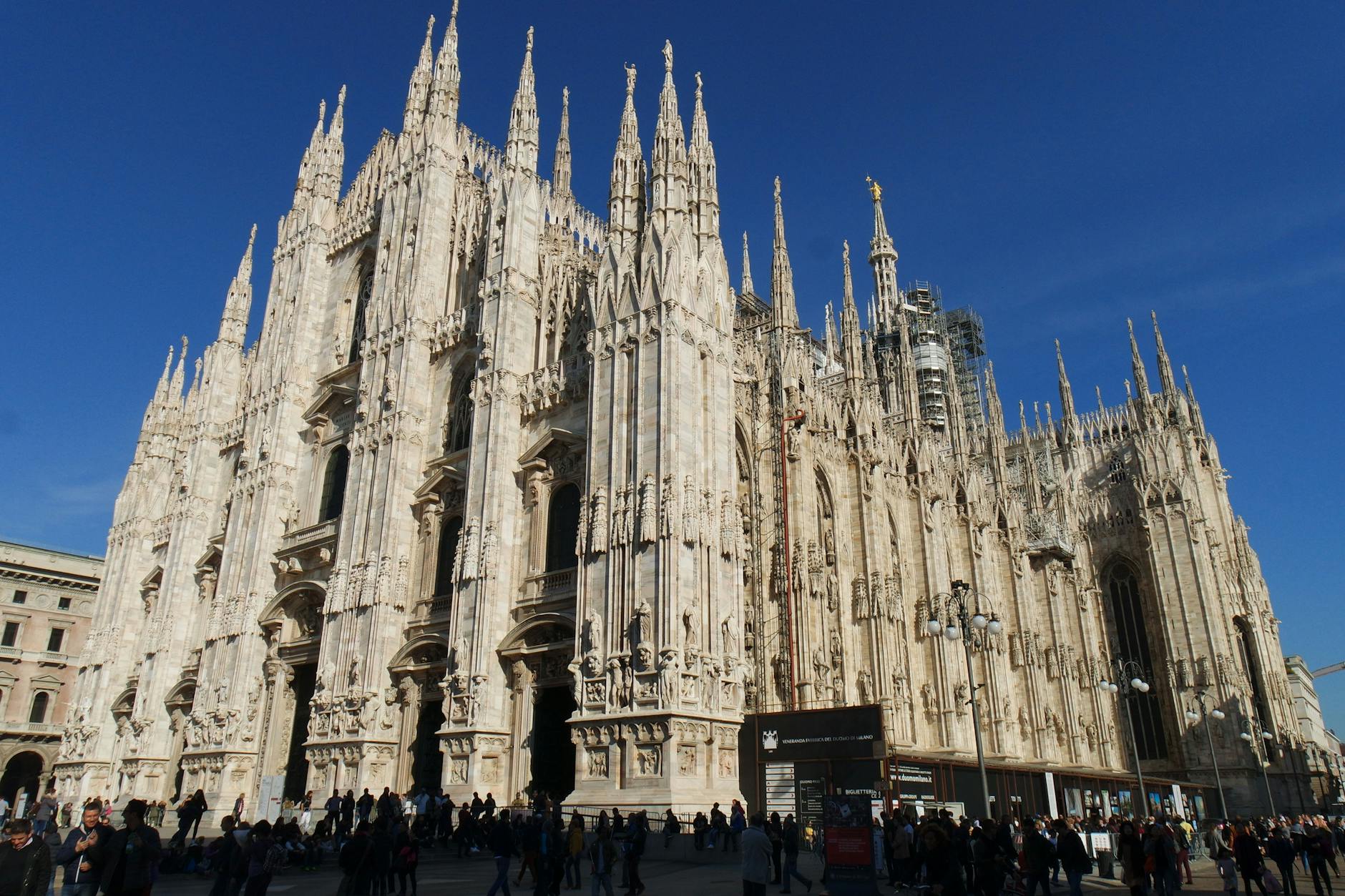
January is the month Milan stops performing. The Duomo Christmas market closes on 6 January, the tourists who came for the Duomo at Christmas have gone home, and what is left is a working northern Italian city under a lid of grey cloud, going about its business. Locals will tell you it is the worst month of the year. They are wrong, and the hotel prices prove it.
Milan in January is cold, grey and cheap. Expect daytime highs around 7°C, nights hovering at freezing, and only about 100 hours of sunshine across the whole month — but also the lowest rainfall of any month at roughly 36 mm over fewer than five wet days, which means the fog and cloud do far more damage to your photographs than actual rain does. Hotel rates are lower than in the busy seasons, queues at the Duomo are shorter, and the winter sales open in the first week. It is a poor month for the lakes, terraces and rooftop bars, and an excellent one for museums, opera, food and the version of Milan that Milanese people actually live in. Come for the interiors, not the views.
Below: the real numbers, what is on this month, what shuts, how much you will save, and how to dress so the cold does not ruin the trip.
The weather in January, in actual numbers
Milan sits in the middle of the Po valley, ringed by the Alps to the north and the Apennines to the south, and in winter that geography traps cold, damp air over the city for days at a time. The figures below are the 1991–2020 normals for Milano Linate, which is the station most forecasts are built from.
- Average daily high: 7.3°C
- Average daily low: −0.4°C
- Monthly mean: 3.2°C
- Rainfall: 35.9 mm across about 4.7 wet days — the driest month of the year
- Sunshine: around 101 hours for the whole month, roughly three and a quarter hours a day
Those numbers hide the thing that actually defines January here, which is humidity. A still, damp 3°C in Milan feels considerably colder than a dry 3°C in Munich or Vienna, because the moisture strips heat out of you and there is rarely any sun to put it back. This is the month for a proper coat rather than a stylish one.
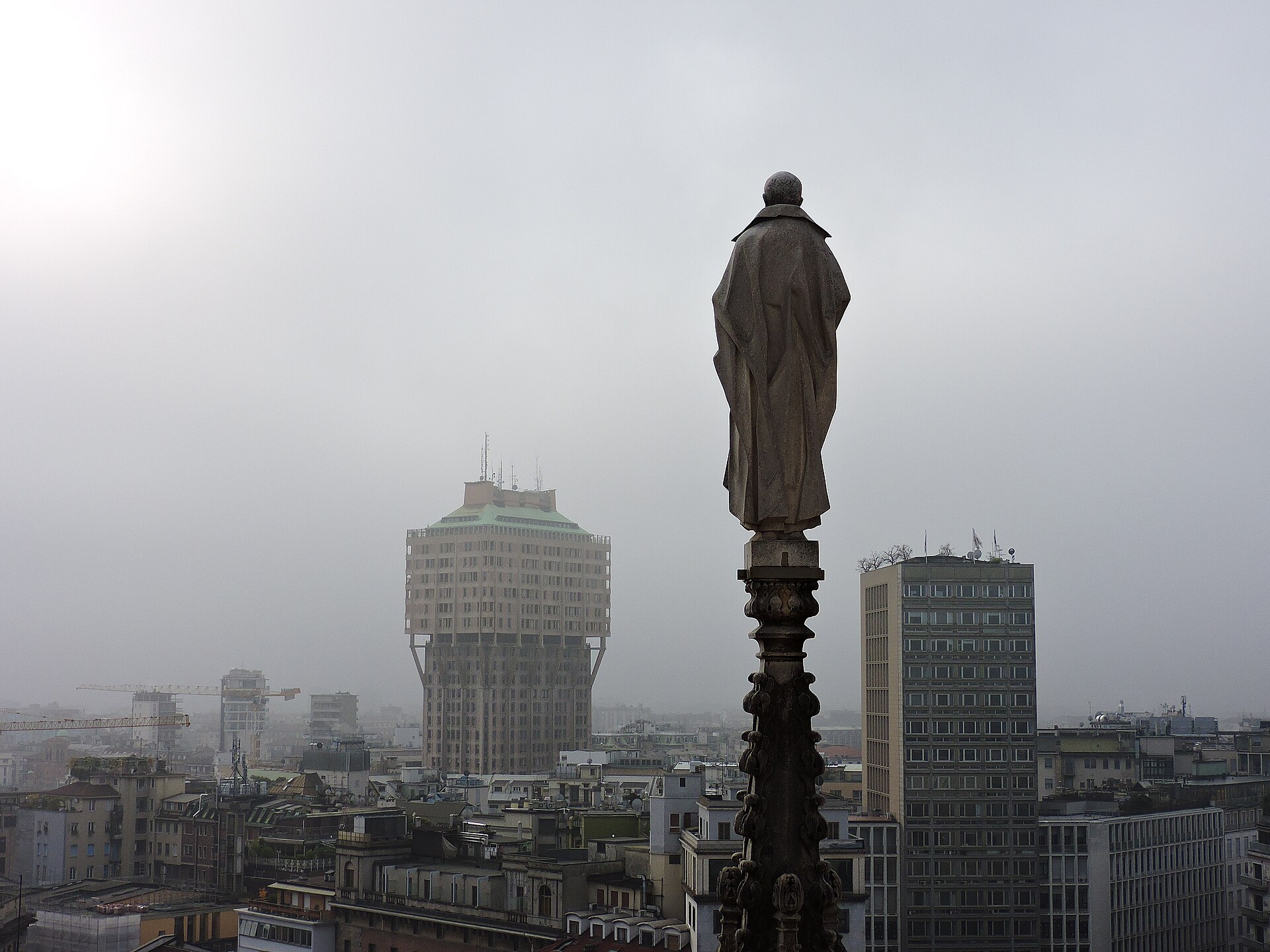
The second local phenomenon is fog. Po valley fog is not the picturesque wisp of a travel brochure; it can sit at ground level for two or three days, reduce visibility to a couple of hundred metres, and make the Duomo rooftop terraces a slightly absurd purchase. It is also genuinely beautiful in the right frame of mind — the Castello Sforzesco appearing out of nothing at the end of a street is worth the trip on its own. Check the forecast the night before you spend money on a viewpoint.
Snow does fall, usually once or twice in the month, and it very rarely lasts. Milan gets a morning of it, the city looks extraordinary for four hours, and then it turns to grey slush. Do not plan around it and enjoy it if it happens.
One honest caveat that most guides skip: winter air quality in Milan is poor. The same still, cold air that produces the fog also traps particulates, and the city periodically triggers emergency traffic restrictions during long windless spells. It is not a reason to cancel a trip, but if you are asthmatic it is worth knowing before you arrive.
What is actually on in January
The winter sales
The saldi invernali are the month’s genuine event and the reason a lot of Italians travel to Milan in January at all. Regione Lombardia sets the start date by a standing rule — the first working day before Epiphany — which in 2026 meant 3 January and in 2027 should fall around the 5th, running for a maximum of sixty days. Confirm the exact date on the regional website in December; it is published every year.
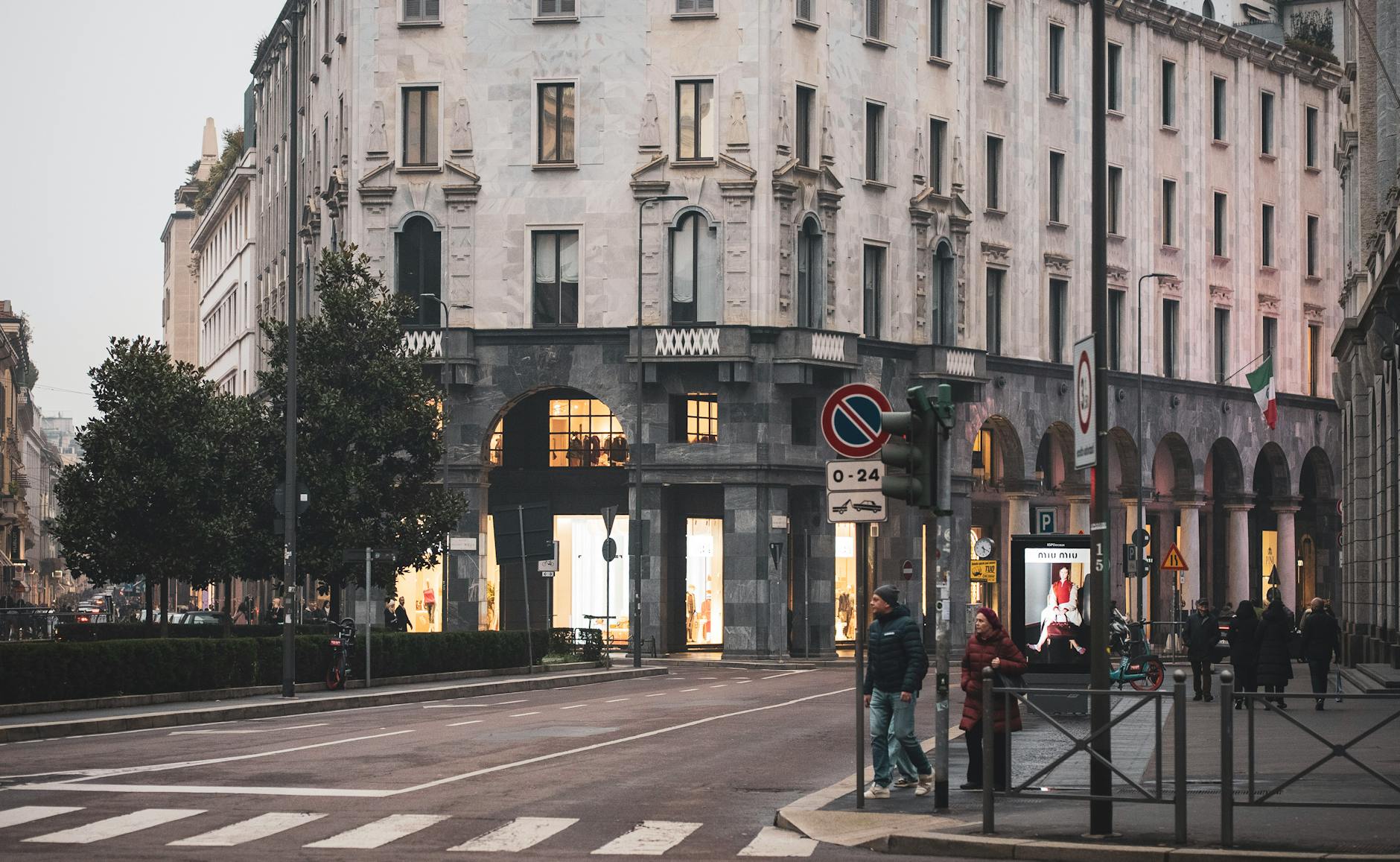
Discounts vary by retailer, so compare as you go. Corso Buenos Aires is the sensible place for high-street brands and is genuinely chaotic on the opening weekend; Via Torino and Corso Vittorio Emanuele II are similar. The Quadrilatero della Moda — Montenapoleone, Della Spiga, Sant’Andrea — discounts too, though from a very high base. Our Milan shopping guide maps the districts, and the outlet malls outside the city run their own sales on top.
Epiphany, and the end of Christmas
The 6th of January is a national holiday and the formal end of the Italian Christmas season. Milan marks it with the Corteo dei Re Magi, a costumed procession of the Three Kings that walks from the Duomo to the basilica of Sant’Eustorgio, where the relics of the Magi are traditionally held. It is a genuinely old tradition, free, and pleasantly unpolished compared with the city’s more curated events. Shops and many restaurants close on the day itself.
Anything Christmas-related — the markets, the Prima della Scala, New Year in Piazza Duomo — belongs to the end of December rather than to January, and we cover all of it in the Christmas and New Year guide. If you arrive on the 2nd or 3rd you will catch the tail end of the lights; by the 8th the city has been swept clean.
Milano Moda Uomo
Menswear fashion week lands in mid-January and turns the centre briefly frantic. Unless you are in the industry it mostly registers as expensive hotels around Brera and the Quadrilatero for four or five days, plus a lot of very well-dressed people photographing each other outside show venues. Dates are confirmed by the Camera della Moda in the autumn; our fashion week guide explains how the calendar works and whether any of it is accessible to outsiders.
The cultural season at full tilt
This is the underrated part. La Scala’s season opened on 7 December and runs right through the winter, with January typically offering opera and ballet at prices and availability that December cannot match — see our La Scala guide and the ticket-buying page. The concert halls, the Piccolo Teatro and the major exhibition spaces all programme heavily in January because they know the city is indoors.
Crowds, prices and what you save
January is one of the two cheapest months to visit Milan, alongside August, and it is much the better of the two because everything is open. Expect four-star rooms that would be €250 in October to sit at €110–150, and mid-range hotels in Porta Romana or Città Studi to dip under €90. The exception is the week of menswear fashion week, when the central districts spike hard for a few nights.
More valuable than the money is the access. In January you can walk up to the Duomo and buy a rooftop ticket for the next entry slot rather than a slot three hours later. The Last Supper has timed entry and compulsory booking in every month, so reserve in advance. The museum announces its booking batches and releases extra tickets each Wednesday at noon for the following week, and availability changes daily. If seeing the Cenacolo is the reason you are coming to Milan, book as early as you can.
Museums are close to empty on weekday mornings. The Pinacoteca di Brera in the second week of January, with three other people in the room and the Mantegna to yourself, is one of the better experiences available anywhere in Italy, and it costs about the same as a pizza.
What to do when it is 4°C and grey
Milan is a better cold-weather city than Rome or Florence because so much of what it is good at happens indoors. Build the day around interiors and treat the outdoor bits as connective tissue.
- The big museums. Brera, the Castello Sforzesco with its Michelangelo Pietà Rondanini, the Museo del Novecento overlooking the Duomo, the Ambrosiana. Our museums guide ranks them honestly.
- The Duomo interior and the crypt, which most visitors skip in favour of the roof and which is the more reliable January proposition. See the Duomo guide for ticket tiers — rooftop-only is €16 by stairs or €18 by lift for adults, and the combined tickets are €22 by stairs or €26 by lift.
- Eat properly. January is risotto alla milanese, cassoeula, ossobuco and polenta weather — heavy Lombard cooking that makes no sense in July and total sense now. Our traditional Milanese food guide is the place to start, and the covered markets are a good wet-morning destination.
- Aperitivo, which is an indoor sport in winter and all the better for it. The aperitivo guide covers the etiquette and the neighbourhoods.
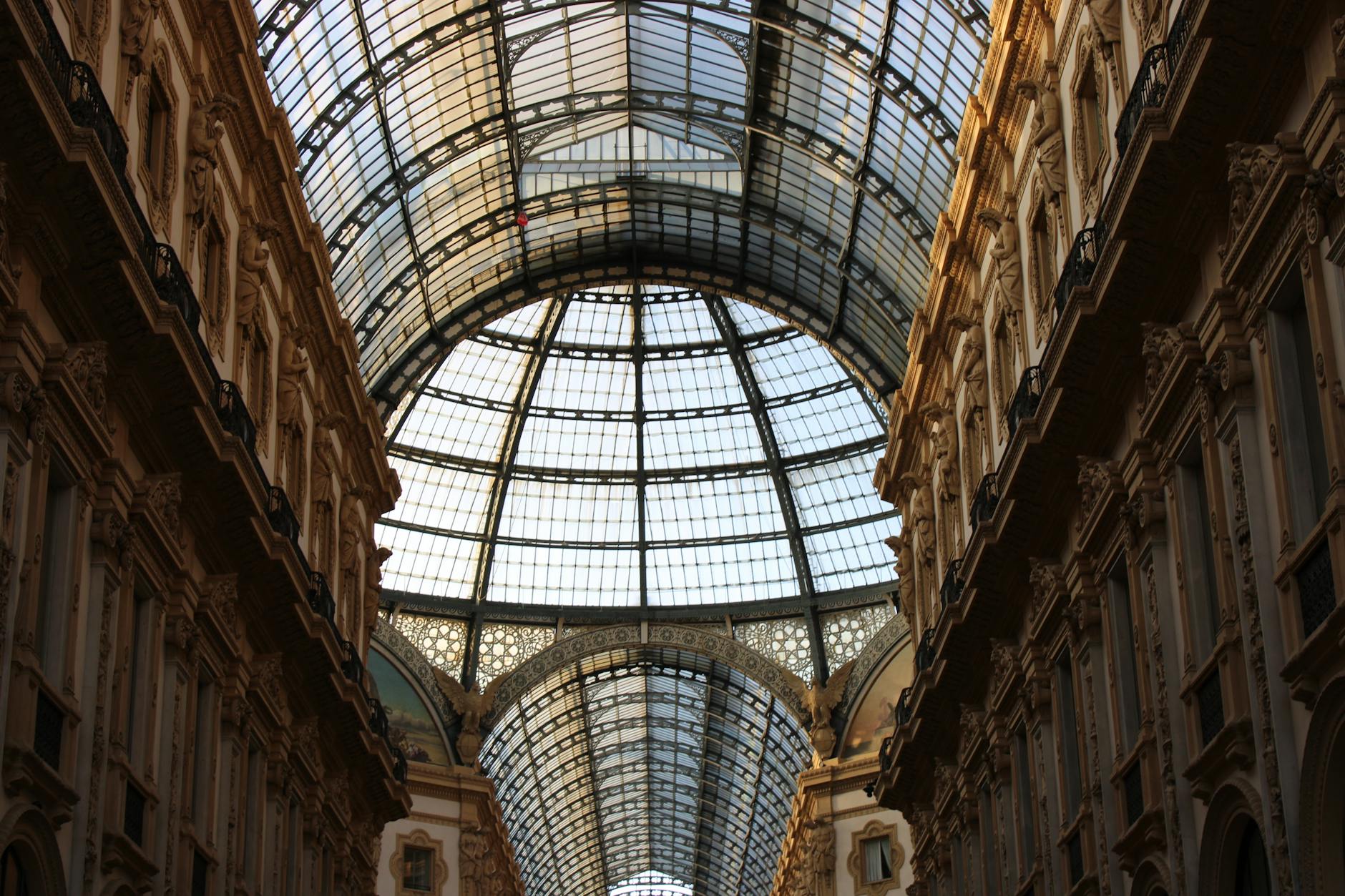
- The Galleria Vittorio Emanuele II, which is heated, roofed, free and one of the great pieces of nineteenth-century architecture in Europe. It is also the shortest route between the Duomo and La Scala, which is not a coincidence.
We keep a full list of wet-weather options in things to do in Milan when it rains, and the winter itinerary strings the best of them into an actual route.
What does not work in January
Being straight about this saves people a wasted day.
- The lakes are largely shut. Lake Como ferry timetables drop to a winter service, most of the villas and gardens — Balbianello, Carlotta, Melzi — are closed until March, and the hotels in Bellagio and Varenna close for the season. A Como day trip in January gets you a handsome town, a cold lake and a lot of closed doors. Go in April.
- Rooftop bars and terraces. Most of Milan’s rooftop bars either close or move indoors for the winter. Check before you plan an evening around one.
- The Navigli at night is a shadow of its summer self. The canalside crowds are a warm-weather phenomenon; in January the bars are still there and the atmosphere is not.
- Long walks between sights. Milan’s attractions are further apart than they look on a map, and the walk that is pleasant in May is punishing in a damp 2°C. Use the metro; it is €2.20 a ride and warm.
Day trips that actually work in winter
Bergamo is the best of them. The Città Alta is a walled hilltop old town that looks magnificent above winter fog, the funicular runs year-round, and it is under an hour by train. Turin is a fast Frecciarossa ride away (check the journey time on Trenitalia’s site) and has plenty to do under cover — arcaded streets, the Egyptian Museum, the Mole Antonelliana, historic cafés built for exactly this weather. Both are better in January than half the things people queue for in Milan itself. The full range is in our day trips guide.
What to pack
A properly warm, water-resistant coat — not a fashion coat. Shoes with grip and a closed upper, because Milanese pavements in wet fog are slick and the marble in the Galleria is slicker. Layers rather than one thick jumper, because every museum, restaurant and metro carriage is heated hard. A scarf, which is functional here as well as an accessory. Gloves. An umbrella is worth having despite the low rainfall figures, since when it does rain in January it tends to be steady rather than brief.
What you can leave at home: sunglasses, anything sleeveless, and the idea that you will be sitting outside. Our Milan packing list has the full version.
How January compares with the rest of the winter
January is colder and greyer than February but drier and calmer, and it is much cheaper and quieter than December, which is dominated by Christmas. If you want the atmosphere of a Milanese winter without the crowds and the price of the festive season, January is the correct answer. If you want a slightly milder month with carnival in it, wait four weeks.
Milan in February covers the next month in the same detail, including the Ambrosian carnival and the womenswear shows.
For the wider picture, our Milan in winter guide covers the season as a whole — the mood, the packing, whether to come at all — while Milan weather by month puts January’s numbers next to the other eleven, and the best time to visit Milan weighs it against every other option.
Frequently asked questions
Is January a good time to visit Milan?
Yes, if you are coming for museums, opera, food and shopping, and no if you are coming for the lakes, terraces or photographs of blue sky. It is the cheapest and quietest month with everything still open, which is a rare combination. The trade-off is roughly three hours of sunshine a day and a genuine chance of two straight days of fog.
How cold does Milan get in January?
Average highs are 7.3°C and average lows −0.4°C, so freezing overnight is normal and daytime is chilly rather than severe. Daytime highs vary around that average, so pack for colder days than the figure suggests. The humidity makes it feel colder than the thermometer suggests.
Does it snow in Milan in January?
Occasionally — typically one or two snowfalls in the month, most of which do not settle for more than a few hours. Heavy, lasting snow in the city is unusual. The Alps an hour or two north are a completely different story, and the ski resorts are in full season.
When do the January sales start in Milan?
Regione Lombardia sets the start as the first working day before Epiphany, so in practice the first days of January — the 2026 sales opened on 3 January. Check the Regione Lombardia sales calendar for the 2027 start date rather than booking flights around a guess. Sales run up to sixty days.
Is the Last Supper easier to book in January?
Do not count on it. Entry is timed, in small groups, and booking is compulsory in every month. The museum announces its booking batches and releases extra tickets each Wednesday at noon for the following week, so check back if your date is full. If the Cenacolo is your priority, book as early as you can.
Are the Christmas markets still on in January?
Briefly. The Duomo Christmas market is scheduled to run until 6 January, so the first days of the month still have it, and other markets keep their own calendars. For anything festive you want the last three weeks of December.
Can I do a Lake Como day trip in January?
You can get there — trains to Varenna and Como run all year — but the villas and gardens are closed, ferries run a reduced winter timetable and many lakeside hotels and restaurants are shut for the season. The scenery is still there and it can be very atmospheric under snow-topped mountains, but manage your expectations, and check ferry times before you commit to a route.
Final thoughts
Milan in January is a trade: you give up the sun and the views, and you get the city at half price with nobody in it. That is a good trade if what you want from Milan is its art, its food, its opera and its shops, all of which are indoors and all of which are at their best when the streets outside are cold and empty. It is a bad trade if you came for a rooftop and a lake. Pack a proper coat, book the Last Supper while it is easy, keep an eye on the fog forecast before you buy a ticket for anything high up, and let the city be the working northern European place it actually is for eleven months of the year rather than the postcard it becomes in May.